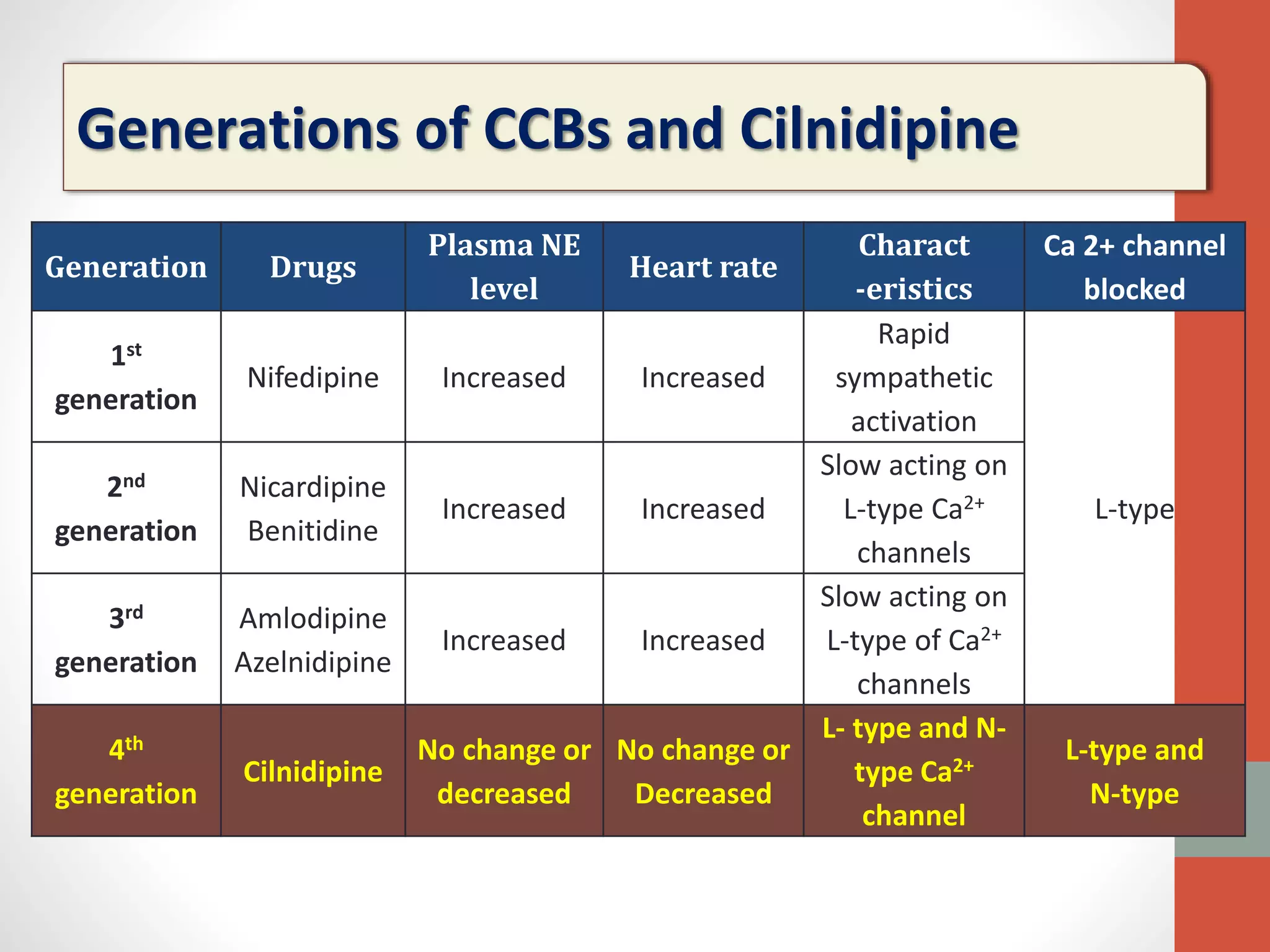
Amlodipine is a long-acting dihydropyridine calcium channel blocker (CCB) primarily utilized to manage hypertension and coronary artery disease, including chronic stable and vasospastic angina. By inhibiting calcium influx into vascular smooth muscle, it facilitates vasodilation, reduces peripheral resistance, and lowers blood pressure, thereby decreasing the long-term risk of stroke, myocardial infarction, and renal impairment.
Understanding the Mechanism of Action
To understand why amlodipine is a cornerstone of cardiovascular therapy in 2026, one must examine its cellular impact. Amlodipine belongs to the dihydropyridine class of calcium channel blockers. Unlike non-dihydropyridines (such as verapamil or diltiazem), which have significant effects on the sinoatrial and atrioventricular nodes of the heart, amlodipine is highly selective for the L-type calcium channels located in the vascular smooth muscle.
When these channels are blocked, the influx of calcium ions into the muscle cells is inhibited. Since calcium is the primary trigger for muscle contraction, its absence leads to relaxation of the arterial walls. This relaxation results in vasodilation, specifically in the peripheral arteries and the coronary arteries. By widening these vessels, amlodipine decreases total peripheral resistance—the "pushback" the heart faces when pumping blood. This reduction in "afterload" means the heart does not have to work as hard to circulate blood, which is the primary mechanism by which it relieves angina and lowers systemic blood pressure.
Furthermore, amlodipine’s unique pharmacokinetic profile distinguishes it from earlier CCBs like nifedipine. It has a slow onset of action and a prolonged duration of effect, primarily due to its high degree of ionization and its gradual association and dissociation with the receptor binding site. This prevents the rapid drop in blood pressure that can cause reflex tachycardia (a rapid heartbeat), making it safer for patients with sensitive cardiovascular systems.
Primary Indications and Clinical Applications
As of 2026, amlodipine remains one of the most frequently prescribed medications globally due to its versatility. Its clinical applications are generally categorized into three main areas:
Hypertension Management
Amlodipine is indicated for the treatment of essential hypertension, either as monotherapy or in combination with other classes of antihypertensive agents, such as ACE inhibitors, angiotensin II receptor blockers (ARBs), or thiazide diuretics. Because it does not require complex titration for most patients and has a consistent 24-hour effect, it is often a first-line choice for general practitioners and cardiologists alike.
Chronic Stable Angina
For patients suffering from exertional angina—chest pain caused by an imbalance between myocardial oxygen supply and demand—amlodipine provides symptomatic relief. By dilating the peripheral vasculature, it reduces the workload of the heart (demand). Simultaneously, it dilates the main coronary arteries and arterioles, increasing the oxygen delivery to the heart muscle (supply).
Vasospastic Angina (Prinzmetal’s Angina)
Amlodipine is particularly effective for vasospastic angina, where the coronary arteries spasm and restrict blood flow even at rest. Its ability to directly prevent these spasms makes it a preferred treatment for this specific, though less common, cardiac condition.
Dosage Guidelines and Administration
Amlodipine is typically administered orally as a tablet (Amlodipine Besylate). The goal of therapy is to achieve the lowest effective dose to minimize side effects while reaching target blood pressure or symptom control goals.
- Standard Adult Dose: Most adults begin with 5 mg once daily. If the desired clinical response is not achieved after 7 to 14 days, the dose may be increased to a maximum of 10 mg once daily.
- Geriatric Population: Patients over the age of 65 often start at a lower dose of 2.5 mg once daily. The elderly may have decreased clearance of the drug, leading to higher plasma concentrations and a greater risk of side effects like dizziness or falls.
- Pediatric Use: For children aged 6 to 17 years, the typical effective dose is 2.5 mg to 5 mg once daily. Doses in excess of 5 mg have not been extensively studied in pediatric populations.
- Hepatic Impairment: Since amlodipine is extensively metabolized by the liver, patients with severe hepatic insufficiency should start at the 2.5 mg dose and be monitored closely.
It is important to note that amlodipine reaches a steady-state plasma concentration only after 7 to 8 days of consecutive daily dosing. Therefore, patients and clinicians should not expect immediate, peak results within the first 24 hours, nor should they increase the dose prematurely.
Comparing Amlodipine to Other Calcium Channel Blockers
Choosing the right calcium channel blocker requires an understanding of the two sub-classes: Dihydropyridines and Non-Dihydropyridines. The following table illustrates the clinical differences between amlodipine and other common agents in these categories.
| Feature | Amlodipine (Dihydropyridine) | Nifedipine ER (Dihydropyridine) | Diltiazem (Non-Dihydropyridine) | Verapamil (Non-Dihydropyridine) |
|---|---|---|---|---|
| Primary Site | Vascular Smooth Muscle | Vascular Smooth Muscle | Heart & Vasculature | Heart Muscle/Nodes |
| Half-Life | 30–50 hours | 7–10 hours | 3–5 hours | 3–7 hours |
| Effect on HR | Minimal/None | Minimal (if ER) | Decreases HR | Significant Decrease |
| Main Use | HTN, Angina | HTN, Angina | Arrhythmia, Angina | Arrhythmia, Angina |
| Edema Risk | High | High | Moderate | Low |
| Constipation | Low | Low | Low | High |
Amlodipine’s primary advantage over nifedipine is its exceptionally long half-life, which allows for a "forgiving" dosing schedule. If a patient forgets their dose by a few hours, the therapeutic levels remain relatively stable, preventing the blood pressure spikes associated with shorter-acting medications.
Common Side Effects and Adverse Reactions
While generally well-tolerated, amlodipine is associated with several predictable side effects that are often dose-dependent.
Peripheral Edema
The most common side effect is peripheral edema, or swelling of the ankles and feet. This occurs because amlodipine dilates the precapillary sphincters (the "entryway" to the capillaries) more than the postcapillary vessels. This creates a pressure imbalance that forces fluid out of the blood vessels and into the surrounding tissues. This is not a sign of heart failure or kidney damage, but rather a mechanical side effect of the drug's action. It is more common in women and more frequent at the 10 mg dose.
Vasodilatory Effects
Patients may experience symptoms related to the rapid widening of blood vessels, including:
- Flushing: A feeling of warmth and redness in the face and neck.
- Dizziness/Lightheadedness: Often occurring when standing up quickly (orthostatic hypotension).
- Palpitations: A sensation of a racing or fluttering heart, though this is less common with amlodipine than with older dihydropyridines.
Rare but Serious Reactions
While rare, some patients may experience an increase in the frequency or severity of angina or even a myocardial infarction at the start of therapy or during dose escalation. This paradox is thought to be related to excessive peripheral vasodilation leading to decreased coronary perfusion in patients with severe obstructive coronary artery disease.
Drug-Drug Interactions and Contraindications
Amlodipine is metabolized by the CYP3A4 enzyme in the liver. Consequently, any substance that inhibits or induces this enzyme can alter the levels of amlodipine in the blood.
- Simvastatin: Amlodipine can increase the systemic exposure of simvastatin (a cholesterol medication). To avoid the risk of myopathy (muscle damage), it is recommended to limit the dose of simvastatin to 20 mg daily when taken concurrently with amlodipine.
- CYP3A4 Inhibitors: Medications such as ketoconazole, itraconazole, and ritonavir can significantly increase amlodipine concentrations, potentially leading to severe hypotension.
- Grapefruit Juice: While the effect is generally modest compared to other CCBs, large quantities of grapefruit juice can inhibit the metabolism of amlodipine and should be consumed with caution.
- Sildenafil (Viagra): When used with antihypertensives, there is an additive blood-pressure-lowering effect. Patients should be monitored for symptomatic hypotension.
Contraindications: Amlodipine is contraindicated in patients with a known hypersensitivity to the drug or other dihydropyridines. It should be used with extreme caution in patients with severe aortic stenosis, as the vasodilation could significantly reduce blood flow to the coronary arteries.
Special Populations and 2026 Guidelines
Current 2026 clinical guidelines from major cardiovascular societies continue to emphasize the importance of individualized therapy.
- Pregnancy and Lactation: Amlodipine is generally avoided in pregnancy unless no safer alternative exists. Labertalol or nifedipine (specifically the IR or XL versions with more data) are often preferred. Limited data suggest amlodipine passes into breast milk in small amounts, so consultation with a specialist is required for nursing mothers.
- Pediatric Populations: Amlodipine is one of the few CCBs with established safety data for children over age six, making it a vital tool for managing pediatric hypertension related to renal issues or obesity.
- Black/African American Patients: Clinical trials, including the landmark ALLHAT study, have consistently shown that CCBs like amlodipine and thiazide diuretics are more effective as first-line treatments for Black patients than ACE inhibitors or beta-blockers.
Frequently Asked Questions
What should I do if I miss a dose of amlodipine?
If you miss a dose, take it as soon as you remember. However, if it is almost time for your next scheduled dose (within 12 hours), skip the missed dose and resume your regular schedule. Do not take two doses at once to make up for a missed one, as this can lead to a dangerous drop in blood pressure.
Can amlodipine cause weight gain?
Amlodipine does not typically cause fat-based weight gain. However, it can cause fluid retention (edema), which may show up as a slight increase on the scale. If you notice rapid weight gain of more than 3–5 pounds in a few days along with shortness of breath, contact your healthcare provider immediately to rule out other causes of fluid retention.
Is it safe to drink alcohol while taking amlodipine?
Moderate alcohol consumption is generally acceptable, but it is important to be cautious. Alcohol itself can lower blood pressure and cause dizziness. Combining it with amlodipine may increase the risk of feeling faint or lightheaded, especially when standing up.
How long does it take for amlodipine to work?
While amlodipine begins working within a few hours of the first dose, its full effect on blood pressure is not usually realized for one to two weeks. The body needs time to reach a "steady state" where the amount of drug entering the system equals the amount leaving it.
Can amlodipine be taken on an empty stomach?
Yes, amlodipine can be taken with or without food. Its absorption is not significantly affected by meals. The most important factor is taking it at the same time every day to maintain consistent blood levels.
Expert Recommendation for Patients
If you have been prescribed amlodipine, consistency is your most important tool. Because of its 30-to-50-hour half-life, the medication builds a protective "buffer" in your system. To maximize benefits and minimize side effects, monitor your blood pressure at home and keep a log for your physician. If you experience bothersome ankle swelling, try elevating your feet in the evening or discuss adding a low-dose ARB or ACE inhibitor with your doctor, as these combinations are often clinically proven to reduce CCB-induced edema while providing superior blood pressure control. Always consult your primary care provider or pharmacist before starting any new supplements or over-the-counter medications to ensure no interactions occur with your calcium channel blocker regimen.