In 2026, alternative fuel (AF) cars have transitioned from a niche segment to the primary driver of automotive innovation and sales growth. Dominating nearly 40% of new global registrations, AF vehicles—encompassing battery electric (BEV), plug-in hybrid (PHEV), and hydrogen fuel cell (FCEV) models—now define the market's competitive structure, infrastructure priorities, and regulatory compliance landscape for all major manufacturers.
Understanding the Scope of AF Cars in 2026
To analyze the market position of AF cars (Alternative Fuel vehicles), one must first define the scope of this category. In the current 2026 automotive climate, the term "alternative fuel" has evolved. While it once broadly included compressed natural gas (CNG) and liquefied petroleum gas (LPG), the contemporary focus is almost exclusively on electrification and high-efficiency hydrogen applications.
The primary categories driving the market today include:
- Battery Electric Vehicles (BEVs): Fully electric cars powered by onboard battery packs.
- Plug-in Hybrid Electric Vehicles (PHEVs): Vehicles combining internal combustion engines with large batteries capable of significant electric-only range.
- Hydrogen Fuel Cell Electric Vehicles (FCEVs): Cars that generate electricity through a chemical reaction between hydrogen and oxygen, emitting only water vapor.
- Hybrid Electric Vehicles (HEVs): Traditional hybrids that do not plug in but use electric motors to assist the engine, now considered the "entry-level" of the AF world.
While some regional markets still utilize biofuels (ethanol/biodiesel) or e-fuels (synthetic fuels), these are largely secondary to the massive shift toward electrification. The "overview" of AF cars in 2026 is one of maturity; we are no longer in the "early adopter" phase, but rather in the "early majority" phase of the technology adoption curve.
Market Position and Competitive Landscape
The market position of AF cars in 2026 is characterized by intense competition between "legacy" original equipment manufacturers (OEMs) and pure-play electric vehicle (EV) startups. The gap that once existed between these two groups has narrowed significantly.
Legacy OEMs vs. Pure-Play Innovators
Traditional giants like Volkswagen Group, Toyota, and General Motors have successfully pivoted their supply chains. By 2026, most of these manufacturers have retired several of their most famous internal combustion engine (ICE) nameplates in favor of AF equivalents. Meanwhile, pioneers like Tesla and various Chinese manufacturers (e.g., BYD, NIO) maintain a strong market position through aggressive pricing and advanced software integration.
Market Share and Growth Trajectory
As of early 2026, AF cars hold a dominant position in several key regions:
- China: Remains the world leader, with AF cars exceeding 50% of monthly new car sales.
- European Union: Driven by the looming 2035 ban on new ICE sales, AF vehicles account for roughly 35-45% of the market.
- North America: Adoption has accelerated to approximately 25-30%, supported by the maturation of the North American Charging Standard (NACS) and federal tax incentives.
The market position is no longer just about environmentalism; it is about performance and total cost of ownership (TCO). In 2026, the average AF car is often faster, quieter, and cheaper to fuel than its ICE counterpart, making it the rational choice for the average consumer.
Technical Specifications and Engineering Trends
The technical depth of AF cars has increased as manufacturers move toward second and third-generation platforms. In 2026, several engineering milestones have become standard across the industry.
Battery Chemistry and Energy Density
We have moved beyond the standard Lithium-ion (NCM) dominance. In 2026, Lithium Iron Phosphate (LFP) batteries have captured the entry-level and mid-range market due to their lower cost and superior cycle life. Simultaneously, Semi-Solid State batteries have begun appearing in premium long-range models, offering energy densities exceeding 400 Wh/kg. This allows for lighter vehicles with ranges consistently hitting the 450–500 mile (725–800 km) mark.
800-Volt Architectures
High-voltage systems (800V and above) have moved from high-end luxury cars to mainstream family SUVs. This technology allows for much faster charging speeds, with many 2026 AF cars capable of adding 200 miles of range in under 12 minutes at compatible ultra-fast chargers.
Software-Defined Vehicles (SDV)
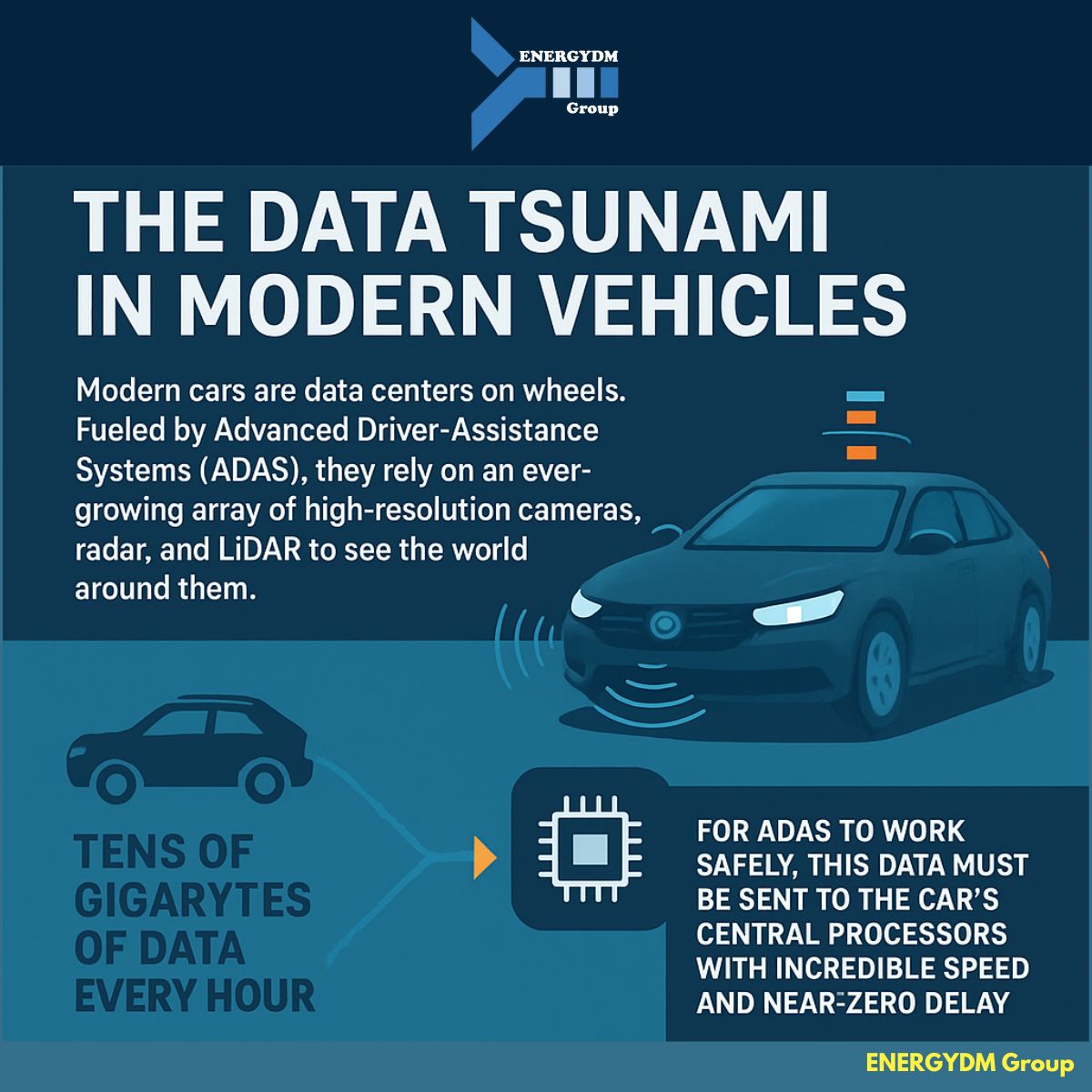
The AF car is increasingly viewed as a "computer on wheels." The integration of centralized electronic control units (ECUs) allows for sophisticated Over-the-Air (OTA) updates. In 2026, a car’s market position is often determined as much by its user interface (UI) and autonomous driving capabilities as by its physical horsepower.
Infrastructure and Ecosystem Integration
A critical component of the AF car's overview is the ecosystem that supports it. By 2026, the "range anxiety" of the early 2020s has largely been replaced by "charging reliability expectations."
Public Charging Networks
The global charging network has reached a level of density where cross-continental travel is routine. In the United States, the widespread adoption of the NACS (Tesla-style) connector by virtually all manufacturers has unified the user experience. Payment systems have also been streamlined, with "Plug & Charge" (ISO 15118) becoming the industry standard, eliminating the need for multiple apps or RFID cards.
Grid Integration and V2X
AF cars in 2026 are not just consumers of energy; they are part of the energy grid. Vehicle-to-Everything (V2X) technology allows owners to use their car’s battery to power their homes during peak hours (V2H) or sell energy back to the grid (V2G). This capability has significantly bolstered the market position of AF cars, as they now serve as a financial asset and an emergency power backup.
Economic Analysis: Costs and Depreciation
The financial reality of owning an AF car has shifted in 2026. While the initial purchase price of many AF models remains slightly higher than comparable ICE vehicles, the gap is closing due to manufacturing efficiencies and lower battery prices (now averaging below $90/kWh at the pack level).
| Feature/Metric | BEV (Battery Electric) | PHEV (Plug-in Hybrid) | FCEV (Hydrogen Fuel Cell) | Traditional ICE (Internal Combustion) |
|---|---|---|---|---|
| Typical Range (2026) | 250 - 500 miles | 40 - 80 miles (Electric) | 300 - 400 miles | 400 - 600 miles |
| Energy Cost per Mile | Very Low ($0.03 - $0.06) | Low (on Electric) | High ($0.15 - $0.25) | Moderate ($0.10 - $0.18) |
| Maintenance Needs | Minimal (No oil, fewer parts) | Moderate (Dual systems) | Moderate (Complex filters) | High (Fluids, belts, exhaust) |
| Primary Use Case | Daily commuting/Long trips | Transitional / No home charging | Heavy duty / Long haul | Niche / Off-grid |
| Depreciation (2026) | Stabilizing (High demand) | Moderate | High (Infrastructure limits) | Rapidly Increasing |
Total Cost of Ownership (TCO)
In 2026, the TCO for an AF car is typically 15-25% lower than an ICE vehicle over a five-year ownership period. This calculation includes fuel savings, reduced maintenance requirements (no oil changes, spark plugs, or transmission flushes), and higher residual values for popular electric models as the used car market for EVs matures.
Environmental and Regulatory Impact
The market position of AF cars is heavily fortified by global policy. By 2026, "Euro 7" emissions standards and similar regulations in North America and China have made it prohibitively expensive for manufacturers to produce non-hybridized gasoline engines.
Carbon Footprint Transparency
Consumers in 2026 are increasingly focused on the "cradle-to-grave" impact of their vehicles. Digital Battery Passports are now mandatory in many jurisdictions, providing a transparent record of where the minerals (Lithium, Cobalt, Nickel) were mined and the carbon intensity of the manufacturing process. This transparency has forced manufacturers to prioritize sustainable supply chains, further distinguishing AF cars from the traditional automotive sector.
Urban Access Restrictions
In many major global cities (London, Paris, Oslo, Beijing), Zero-Emission Zones (ZEZs) have become strictly enforced. AF cars are often the only vehicles permitted to enter city centers without paying significant congestion charges, effectively making them a necessity for urban dwellers.
Challenges and Future Outlook
Despite the strong market position, the AF car sector faces ongoing challenges in 2026.
- Raw Material Security: While recycling technologies have improved, the demand for battery-grade minerals remains high, leading to price volatility.
- Infrastructure Gaps: While urban and highway charging is robust, "charging deserts" still exist in rural and apartment-dense areas.
- Solid-State Scaling: While pilot programs are successful, mass-market affordability of solid-state batteries is likely still a few years away (2028-2030).
- Hydrogen Limitations: For passenger cars, hydrogen remains a distant third behind BEVs and PHEVs due to the high cost of green hydrogen production and the inefficiency of the fuel-cell-to-wheel conversion compared to direct battery storage.
Frequently Asked Questions
1. Are alternative fuel cars actually cheaper to maintain in 2026?
Yes, specifically Battery Electric Vehicles (BEVs). Because BEVs have approximately 20 moving parts in their drivetrain compared to over 2,000 in a traditional internal combustion engine, there is far less to wear out. Owners in 2026 primarily deal with tire rotations, cabin air filter replacements, and brake fluid checks. Regenerative braking also significantly extends the life of brake pads and rotors.
2. How long can I expect a 2026 AF car battery to last?
Modern battery management systems (BMS) and improved chemistries (like LFP) have pushed expected lifespans significantly higher. Most 2026 AF cars come with warranties covering 8 to 10 years or 150,000 miles, but engineering data suggests these packs will likely retain 80% capacity for 250,000 to 300,000 miles, often outlasting the vehicle's chassis.
3. Is hydrogen a realistic option for a personal car today?
In 2026, hydrogen (FCEV) remains a niche market for personal passenger cars, primarily localized to regions with heavy infrastructure investment like California, parts of Germany, Japan, and South Korea. For the average consumer, BEVs are currently more practical due to the lower cost of electricity and the ability to charge at home, which hydrogen cannot offer.
4. What happens to the batteries when an AF car is retired?
By 2026, a robust "second-life" economy has developed. Retired car batteries are frequently repurposed for stationary energy storage for homes or industrial sites. Once they are no longer viable for storage, advanced hydrometallurgical recycling facilities can now recover up to 95-98% of the critical metals (Lithium, Nickel, Cobalt) to be used in new batteries, creating a circular economy.
5. Can AF cars handle extreme cold or heat better than they used to?
Significantly. The 2026 generation of AF cars almost universally employs high-efficiency heat pumps and sophisticated thermal management systems. While extreme cold still impacts range (due to the energy required for cabin heating and battery conditioning), the loss is much less dramatic than in early EV models, with many cars losing only 15-20% of range in sub-freezing temperatures compared to 40% in older models.
Practical Recommendation for Buyers and Investors
For those looking to enter the market in 2026, the current overview suggests that Battery Electric Vehicles (BEVs) represent the strongest combination of resale value, low operating costs, and future-proof technology. If you lack access to home or workplace charging, a Plug-in Hybrid (PHEV) serves as a viable bridge, provided you utilize the electric range for daily trips.
Investors should focus on the "picks and shovels" of the AF world: companies specializing in battery recycling, high-speed charging infrastructure, and V2G software integration. The market position of AF cars is no longer a question of "if," but "how fast," and the leaders of 2026 are those who have mastered the integration of hardware and software within a sustainable energy ecosystem.