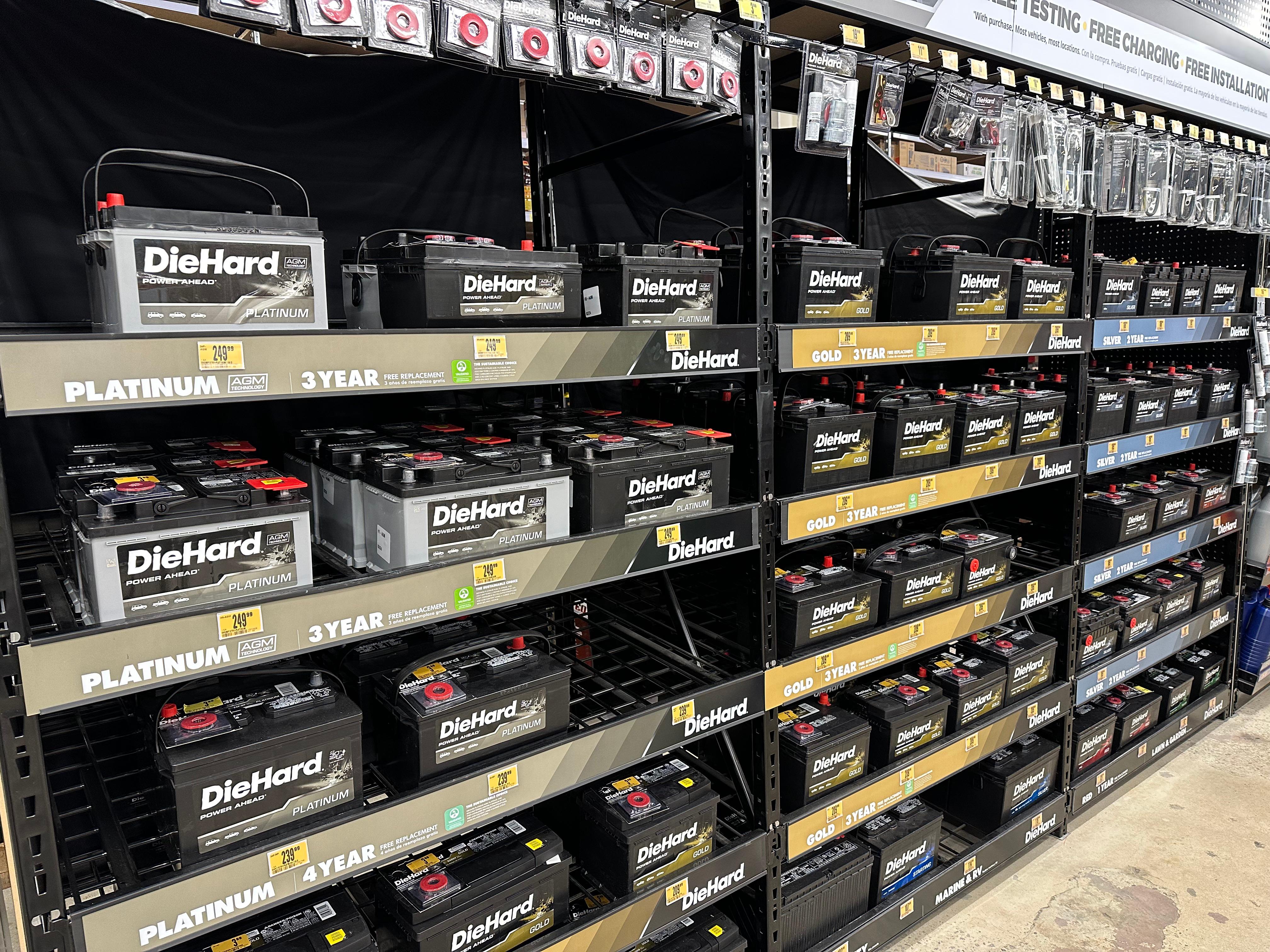
Advance Auto Parts accepts old lead-acid automotive batteries for recycling at most corporate retail locations, frequently offering a core charge refund or store credit voucher in return. Participating stores take back standard flooded, AGM (Absorbed Glass Mat), and GEL starting, lighting, and ignition batteries, safely routing them through certified secondary smelting facilities to recover lead, plastic, and sulfuric acid.
Understanding the Advance Auto Parts Battery Recycling Program
The disposal and recycling of automotive batteries require structured handling due to the hazardous materials contained within them. Lead-acid batteries, which power the vast majority of internal combustion engine vehicles, house elemental lead, heavy plastic casings, and corrosive liquid or gel electrolytes. Leaving these items in residential waste streams or abandoning them poses severe ecological and public health threats. Major national automotive aftermarket retailers, including Advance Auto Parts, implement in-store recycling initiatives to streamline environmentally responsible disposal for everyday drivers and DIY mechanics.
At its core, the Advance Auto Parts battery recycling service functions as a closed-loop collection point. Customers who purchase a replacement car, truck, or SUV battery at an Advance Auto Parts store can bring their old unit directly to the counter. In many jurisdictions, state environmental regulations mandate that retailers selling lead-acid batteries must also accept spent units for recycling. Even outside of strict legislative mandates, national chains maintain these drop-off protocols to support corporate sustainability initiatives and recover valuable commodities.
Understanding how this program works involves recognizing what types of items are accepted, how core charges operate, what safety precautions to follow during transport, and how the collected materials are eventually processed. While the basic premise is straightforward—handing over an old battery at the counter—navigating local store variances, safety rules, and refund criteria ensures a seamless transaction.
Accepted Battery Types and Exclusions
Not every battery found in or around a motor vehicle qualifies for the standard retail recycling program at a typical auto parts storefront. Knowing the difference between acceptable and restricted chemistries protects consumers from transport hazards and prevents wasted trips to the local store.
Standard Automotive Lead-Acid Batteries
The primary focus of the Advance Auto Parts battery recycling initiative is the conventional lead-acid battery. This category encompasses:
- Flooded / Wet Cell Batteries: Traditional service-free or serviceable batteries with removable caps or sealed labyrinth covers, commonly used in standard consumer vehicles.
- AGM (Absorbed Glass Mat) Batteries: Advanced lead-acid configurations featuring fiberglass mats that suspend the electrolyte, frequently found in vehicles with heavy electrical loads or start-stop technology.
- GEL Batteries: Sealed lead-acid units utilizing a silica-type gel to immobilize the electrolyte solution.
Exclusions and Specialized Chemistries
Consumers frequently ask whether alternative energy storage units qualify for the same drop-off procedures. Retail auto parts locations generally restrict or completely prohibit non-automotive or non-lead-acid technologies due to specialized transport and recycling stream requirements:
- Lithium-Ion (Li-ion) Batteries: Modern hybrid vehicle traction packs, electric vehicle (EV) batteries, and large lithium-ion auxiliary batteries cannot be accepted through standard automotive lead-acid collection programs. These units require dedicated hazardous waste management facilities.
- Household Household and Small Electronics Batteries: Alkaline, nickel-cadmium (NiCd), and small lithium-ion batteries meant for flashlights, power tools, or household electronics are generally excluded from automotive core drop-off bins, though some stores participate in specialized small-battery recycling kiosks (such as Call2Recycle programs). Check individual store participation before arrival.
- Damaged or Leaking Batteries: Batteries with severely cracked casings, active acid leaks, or compromised terminals present immediate chemical burn and toxic exposure risks. While some stores accept weathered units, severely compromised batteries may be refused by retail staff for safety reasons and should instead be directed to a county household hazardous waste (HHW) collection center.
Core Charges, Refunds, and Store Credit Policies
When purchasing a new car battery at Advance Auto Parts, customers frequently notice an additional fee itemized on their receipt known as a "core charge." This financial mechanism incentivizes the return of spent recycling materials into the supply chain.
How Core Charges Work
A core charge is a deposit applied at the point of purchase when a consumer buys a replaceable automotive part, such as a battery, alternator, or starter, without simultaneously surrendering the old unit (the "core"). Because manufacturing these components relies heavily on recycled raw materials, the deposit ensures that the old unit makes its way back to the manufacturer or recycler rather than ending up in a landfill.
- Simultaneous Exchange: If a customer brings their old battery into the store at the exact time of purchasing the new one, the retail clerk waives the core charge entirely, meaning the customer pays only the base price of the battery plus applicable local sales taxes.
- Deferred Return: If the customer purchases a new battery and leaves the old one in the vehicle, installs the new battery at home, or needs time to extract the core, the core charge is added to the total invoice.
Claiming a Refund After Purchase
Consumers who pay the core charge upfront are not permanently penalized, provided they return the old unit within a specified timeframe.
- Receipt Requirement: To secure a direct cash or card refund of the core deposit, the customer must present the original purchase receipt alongside the qualifying old battery.
- Timeframe: While policies can vary slightly by region or corporate update, returning the core within 30 to 45 days of the original purchase date is standard practice for securing a full refund of the deposit.
- Store Credit Alternatives: If the receipt is lost or the return window for a cash refund has lapsed, individual store managers may offer store credit or alternative processing, though this remains subject to local store management discretion and corporate asset recovery guidelines.
| Transaction Scenario | Core Charge Applied? | Refund Eligibility | Documentation Required |
|---|---|---|---|
| Simultaneous Exchange | No | N/A (Waived at checkout) | None |
| Deferred Return (With Receipt) | Yes | Full refund of core deposit | Original purchase receipt + old battery |
| Deferred Return (Without Receipt) | Yes | Subject to manager approval / Store credit | Old battery + ID (varies by location) |
| Stand-Alone Recycling (No Purchase) | No | No deposit to refund (Free drop-off) | Old battery |
Environmental Regulations and State Deposit Laws
Automotive battery recycling is heavily regulated at both the state and federal levels in the United States. Understanding these legal frameworks clarifies why auto parts retailers maintain strict take-back policies and why consumers face mandatory state fees.
State-Mandated Core Fees and Environmental Taxes
Many U.S. states have enacted specific legislation requiring automotive battery retailers to collect a state recycling fee or core deposit on every new battery sold, regardless of whether a core is returned immediately.
- These fees are designed to discourage illegal dumping and fund municipal hazardous waste programs.
- In states with mandatory core laws, the fee is non-negotiable at the point of sale and can only be reclaimed by returning a spent battery to an authorized collection agent, who then issues the state-mandated refund.
Federal Environmental Protection Agency (EPA) Guidelines
Under the Resource Conservation and Recovery Act (RCRA) overseen by the U.S. Environmental Protection Agency (EPA), spent lead-acid batteries destined for reclamation are classified as "universal wastes" or are managed under streamlined hazardous waste rules designed to encourage recycling.
- Retailers act as collection nodes in a secure chain of custody.
- The batteries must be stored upright in specialized containment pallets or acid-resistant tubs to prevent secondary soil or water contamination.
- Certified secondary lead smelters receive the accumulated stock, where automated systems crush the casings, neutralize the acid, and smelt the lead plates into reusable ingots.
Step-by-Step Guide to Recycling a Battery at Advance Auto Parts
Executing a smooth battery drop-off or core exchange requires careful preparation, safe transport techniques, and proper in-store communication. Follow this structured sequence to complete the process efficiently.
- Preparation & Inspection
- Safe Transport & Containment
- Store Visit & Counter Hand-off
- Processing Refund or Credit
1. Preparation and Inspection
Before loading an old battery into a personal vehicle, inspect its physical structural integrity.
- Check the outer plastic casing for deep cracks, bulging sides, or visible wet spots indicating an acid leak.
- Ensure the terminal posts are clean and free of excessive corrosion, or wrap them in protective plastic or heavy tape to prevent accidental electrical short circuits.
2. Safe Transport and Containment
Transporting a lead-acid battery demands caution to protect vehicle interiors from corrosive spills.
- Always place the battery upright on a stable, flat surface. Never tilt or lay a flooded battery on its side.
- Place the battery inside a heavy-duty plastic utility bin or set it on a thick sheet of plastic to catch any potential minor seepage during transit.
- Secure the battery with cargo straps or wedge it tightly in a trunk or truck bed so it cannot slide, tip over, or strike other objects during sudden stops or turns.
3. Store Visit and Counter Hand-off
Arrive at a local Advance Auto Parts store during normal operating hours and bring the battery directly to the front counter or commercial parts desk.
- Inform the customer service representative that you are dropping off a spent battery for recycling or returning a core for a refund.
- If you are claiming a core refund, present your original purchase receipt immediately.
- Allow the store associate to inspect the unit to confirm it is a qualifying lead-acid automotive battery.
4. Processing Refund or Credit
Once the associate verifies the battery, they will log the return in the point-of-sale system.
- If you had a pending core charge on a recent purchase, the funds will be credited back to your original payment method or issued as cash.
- If you are simply dropping off an old battery without a purchase, the associate will place it into the secure store holding pallet free of charge.
Safety Precautions and Handling Guidelines
Handling automotive batteries carries inherent physical and chemical risks. Whether removing a battery from an engine bay or carrying it into a retail facility, strict adherence to safety protocols prevents severe injuries.
Chemical Hazards (Sulfuric Acid)
Lead-acid batteries contain liquid sulfuric acid, which is highly corrosive and capable of causing severe skin burns and permanent eye damage.
- Always wear chemical-splash goggles and durable acid-resistant gloves when handling batteries, especially if the casing is damaged or dirty.
- Keep baking soda and clean water nearby during any handling procedures to instantly neutralize accidental acid splashes.
Physical and Electrical Hazards
Automotive batteries are exceptionally heavy, often weighing between 30 and 60 pounds, and are capable of discharging massive electrical currents if short-circuited.
- Lift with your legs rather than your back to prevent lumbar strain when moving a heavy battery into or out of a vehicle.
- Never rest metal tools, wrenches, or jewelry across the positive and negative terminals simultaneously, as this creates an immediate electrical arc hazard, extreme heat, and explosion risks.
- Always disconnect the negative (-) terminal first during removal and connect it last during installation to minimize electrical sparking hazards.
Frequently Asked Questions
Does Advance Auto Parts charge a fee to recycle an old car battery?
No, Advance Auto Parts accepts spent automotive lead-acid batteries for free recycling at participating locations even if you are not purchasing a new replacement unit. If you are returning a core from a recent purchase with a receipt, you will receive your full core deposit refund.
Do I need a receipt to drop off an old battery for recycling?
A receipt is not required if you simply want to dispose of or recycle an old battery. Receipts are only necessary if you are seeking a cash or card refund for a previously paid core deposit on an Advance Auto Parts purchase.
Will Advance Auto Parts accept batteries removed from lawn mowers, boats, or motorcycles?
Most participating stores accept standard 12-volt lead-acid batteries from motorcycles, lawn tractors, and marine applications, provided they utilize traditional lead-acid chemistry. Specialized lithium or non-automotive gel units may be restricted depending on local municipal hazardous waste guidelines.
What happens to the old battery after I drop it off?
Once collected at an Advance Auto Parts store, the battery is transferred to a regional consolidation center and shipped to a licensed secondary lead smelter. There, the plastic casing is shredded and melted into pellets for new casings, the lead grids are melted and purified into new ingots, and the sulfuric acid is either neutralized or reclaimed for industrial reuse.
Can I leave my old battery outside the store after hours?
No, leaving batteries outside retail stores after hours is strictly prohibited and constitutes illegal hazardous waste dumping. Batteries must be handed directly to store personnel during business hours to ensure safe containment and compliance with environmental regulations.