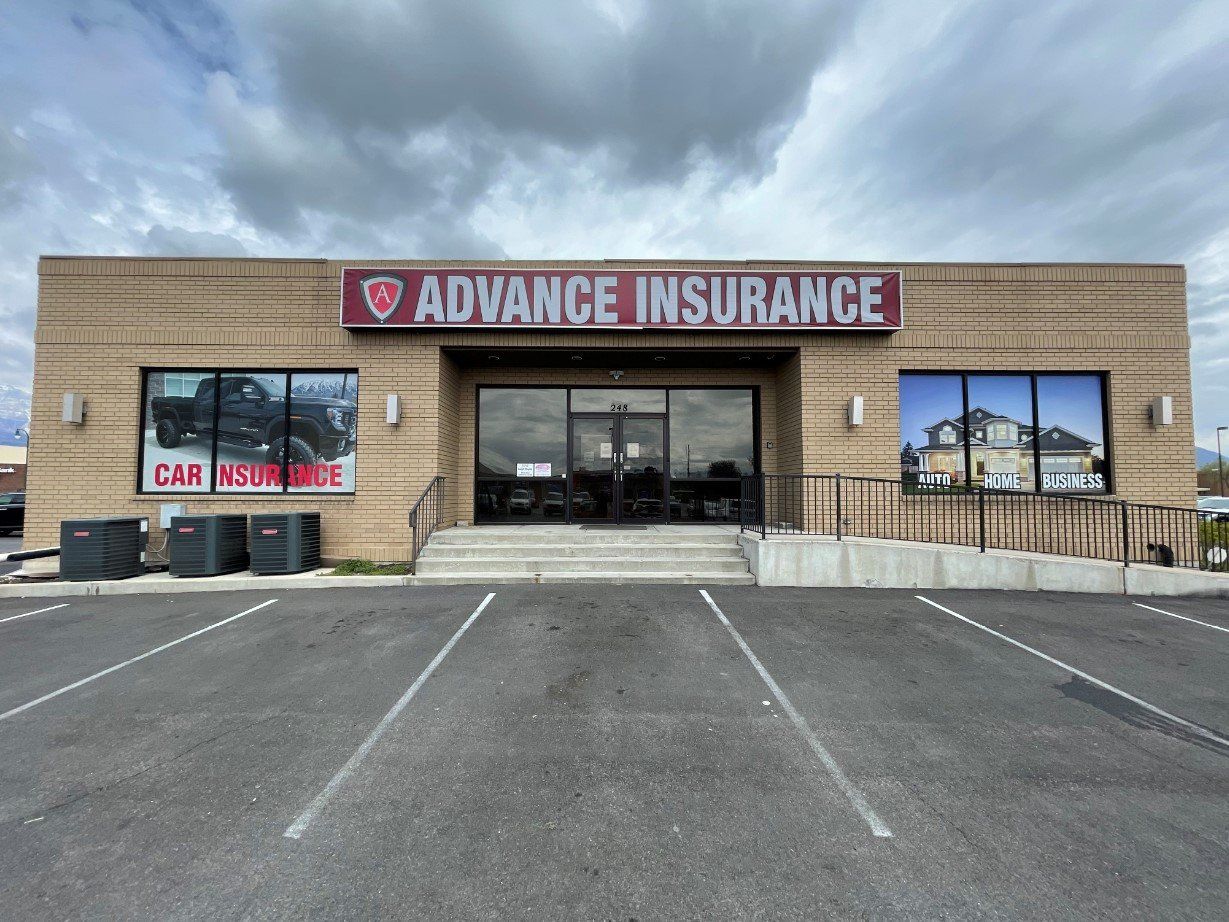
Finding reliable vehicle protection in Dalton, Georgia, requires understanding state minimum liability laws, local driving conditions across Whitfield County, and the various policy structures available to motorists. Whether you are registering a newly purchased car, looking to lower your current monthly premiums, or seeking specialized coverage for high-risk driving histories, securing the right auto insurance policy involves balancing mandatory legal requirements with personal financial protection. This guide explores how auto insurance functions in Dalton, Georgia, what factors influence your rates, and how to evaluate carriers effectively.
Understanding Georgia Auto Insurance Requirements
Operating a motor vehicle legally in Dalton, Georgia, requires maintaining continuous liability insurance that meets or exceeds the mandatory minimum limits established by the state. The Office of the Commissioner of Insurance and Safety Fire enforces these regulations to ensure that drivers can cover financial responsibilities in the event of an at-fault accident.
Georgia utilizes a tort system, meaning the driver who is legally at fault for a collision is responsible for the resulting damages. Consequently, state law mandates specific minimum liability limits, commonly referred to as 25/50/25 coverage:
- $25,000 for bodily injury or death of one person in any one accident.
- $50,000 for total bodily injury or death liability when multiple people are injured in a single accident.
- $25,000 for property damage liability per accident.
While these limits satisfy the legal threshold to drive on Georgia roadways, many financial advisors and insurance professionals recommend purchasing higher policy limits. A minor multi-vehicle accident on Interstate 75 or heavy traffic corridors like Walnut Avenue in Dalton can easily exceed $25,000 in vehicle repair costs or medical bills, leaving the underinsured motorist personally liable for the remaining balance.
Factors Influencing Auto Insurance Rates in Dalton, GA
Insurance carriers evaluate a complex matrix of risk factors when calculating insurance premiums for drivers residing in Dalton. Understanding these variables helps policyholders identify opportunities to lower their costs and manage expectations when shopping for quotes.
Local Geographic and Traffic Factors
Dalton serves as a major manufacturing and commercial hub, particularly renowned as the carpet capital of the world. Heavy commercial truck traffic, commuter congestion along regional arteries, and industrial shipping routes contribute to local collision statistics. Insurance companies analyze ZIP code-specific data, including historical accident rates, uninsured motorist percentages, and local vehicle theft statistics, when pricing policies for Whitfield County residents.
Driver Personal Profiles
An individual's driving history remains one of the most significant rating factors. Clean driving records free of moving violations, speeding tickets, and at-fault accidents yield the lowest premium rates. Conversely, drivers with lapses in coverage, driving under the influence (DUI) convictions, or multiple accidents are typically classified as high-risk, requiring specialized coverage options or non-standard insurance carriers.
Vehicle Make, Model, and Safety Ratings
The type of vehicle you drive directly impacts your insurance costs. Comprehensive and collision coverages are tied to the vehicle's replacement value, repair costs, and safety features. Modern vehicles equipped with advanced driver-assistance systems (ADAS), automatic emergency braking, and high crash-test ratings from the Insurance Institute for Highway Safety (IIHS) often qualify for specific policy discounts.
Types of Auto Insurance Coverage Available
Standard auto insurance policies in Georgia can be customized by combining different coverage types to protect against various financial risks. Selecting the appropriate balance depends on whether your vehicle is financed, its overall market value, and your personal risk tolerance.
| Coverage Type | Description | Primary Purpose |
|---|---|---|
| Liability Coverage | Pays for bodily injury and property damage inflicted on others when you are at fault. | Satisfies legal driving mandates and protects personal assets from lawsuits. |
| Collision Coverage | Covers damage to your own vehicle resulting from a collision with another car or object. | Pays for car repairs regardless of fault after paying your deductible. |
| Comprehensive Coverage | Protects against non-collision incidents such as theft, fire, vandalism, animal strikes, or weather events. | Covers acts of nature and unexpected property loss while parked or driven. |
| Uninsured/Underinsured Motorist | Steps in if you are hit by a driver who lacks insurance or carries insufficient limits. | Protects you from out-of-pocket medical and repair expenses caused by negligent uninsured drivers. |
Evaluating Policy Deductibles and Optional Endorsements
When customizing an insurance policy in Dalton, policyholders must choose appropriate deductibles—the amount paid out-of-pocket before insurance coverage applies. Selecting higher deductibles, such as $1,000 instead of $250, typically lowers the recurring monthly premium, but it requires having immediate cash reserves available in the event of an insurance claim.
Optional endorsements, or riders, can also be added to enhance standard policies. Common additions include roadside assistance for towing and flat tires, rental car reimbursement while your vehicle is being repaired after a covered claim, and gap insurance for financed or leased vehicles. Gap insurance is particularly valuable because standard auto insurance payouts are based on the actual cash value of the vehicle at the time of loss, which may be lower than the remaining balance on an auto loan.
Comparing Standard Coverage vs. High-Risk Options
| Feature | Standard Auto Insurance | High-Risk / Non-Standard Insurance |
|---|---|---|
| Target Audience | Drivers with clean records, stable credit, and continuous prior coverage. | Drivers with DUIs, multiple tickets, accidents, or coverage lapses. |
| Premium Costs | Generally lower, with access to maximum tier discounts. | Higher monthly costs due to elevated statistical risk profiles. |
| Carrier Availability | Offered by major national and regional insurance brands. | Offered by specialized non-standard insurers or state high-risk pools. |
| Filing Requirements | Standard policy issuance without state regulatory intervention. | May require SR-22 or FR-44 financial responsibility filings. |
Managing High-Risk Insurance and SR-22 Requirements in Georgia
Drivers in Dalton who have accumulated significant points on their driving record, experienced multiple accidents, or faced license suspensions may be required to file an SR-22 form. An SR-22 is not a standalone insurance policy; rather, it is a certificate of financial responsibility issued by an insurance carrier to the Georgia Department of Driver Services (DDS).
The SR-22 certifies that the motorist carries at least the state-mandated minimum liability insurance. If you require an SR-22:
- Contact an authorized insurer: Verify that the insurance company writes policies that include SR-22 filings in Georgia.
- Pay applicable fees: A small filing fee is typically assessed by the insurer when processing the document with the state.
- Maintain continuous coverage: Let insurance lapse occur, and the carrier is legally obligated to notify the state immediately, resulting in secondary license suspension.
- Fulfill the required duration: Most Georgia administrative suspensions or court orders require maintaining an active SR-22 for a consecutive three-year period.
Practical Steps for Lowering Auto Insurance Premiums in Dalton
Securing affordable auto insurance in Whitfield County involves proactive policy management and exploring available discount programs offered by carriers. Implementing several strategies can noticeably reduce annual expenditures without sacrificing essential coverage:
- Bundle Policies: Many insurance providers offer multi-policy discounts if you combine your auto insurance with homeowners, renters, or umbrella policies under the same corporate carrier.
- Maintain Good Credit History: In Georgia, insurance companies are permitted to use credit-based insurance scores as a rating factor. Maintaining a strong credit profile often translates to lower insurance rates.
- Inquire About Special Discounts: Ask providers about defensive driving course completions, good student discounts for young drivers, paperless billing incentives, and low-mileage usage programs.
- Shop and Compare Quotes: Insurance rates fluctuate across providers over time. Regularly comparing independent quotes allows drivers to capitalize on competitive market pricing.
Frequently Asked Questions About Auto Insurance in Dalton, GA
What is the minimum auto insurance required in Dalton, Georgia?
Drivers in Dalton must carry bodily injury liability of at least $25,000 per person and $50,000 per accident, along with $25,000 of property damage liability per accident. This 25/50/25 structure is the legal baseline enforced throughout the state.
How does living in Dalton, Georgia, affect my car insurance rates?
Insurers evaluate Dalton's local traffic density, accident statistics, and regional claim frequency. Because Dalton is a major industrial hub with heavy commercial traffic on local roads and highways, these hyper-local risk metrics factor into the calculation of comprehensive and collision premiums.
Can I get car insurance in Georgia with a bad driving record?
Yes. While standard carriers may decline coverage for drivers with multiple violations or major infractions like DUIs, specialized non-standard auto insurance companies provide policies tailored to high-risk drivers, often accompanied by mandatory SR-22 filings.
What should I do immediately after a car accident in Dalton?
Ensure everyone involved is safe, move vehicles out of active traffic lanes if possible, and contact local law enforcement to file an official police report. Exchange insurance details and contact information with other drivers, document the scene with photographs, and notify your insurance provider as soon as possible to initiate the claims process.
Are insurance rates higher for teenagers and young drivers in Dalton?
Yes. Statistically, drivers under the age of 25 have higher accident rates due to limited experience behind the wheel. Adding a teen driver to a family policy in Dalton will increase premiums, though good student discounts and enrolling in approved driver's education courses can help mitigate these costs.
Next Actions and Shopping Guidance
When selecting an auto insurance policy in Dalton, begin by auditing your current coverage limits against your personal asset protection needs. Obtain quotes from multiple licensed independent agents and direct writers to compare premium costs, deductible options, and customer service ratings. Review policy exclusions carefully, ensure that any necessary endorsements like roadside assistance or gap insurance are included, and confirm that your chosen carrier is licensed by the Office of the Commissioner of Insurance and Safety Fire in Georgia.