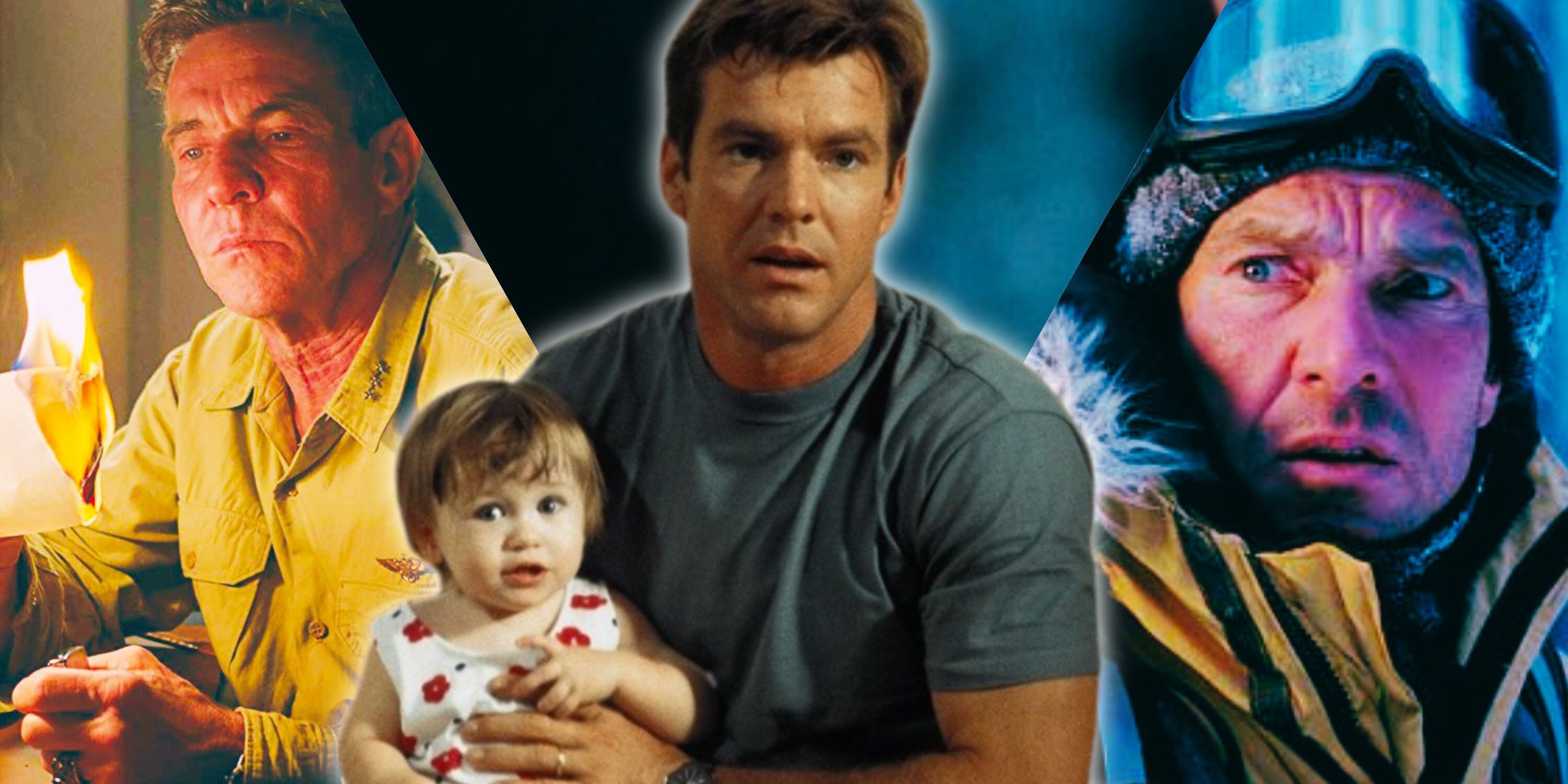
Dennis Quaid is a prolific American actor known for his versatility across film, television, and music since the mid-1970s. Renowned for his distinct charm, authentic screen presence, and ability to navigate both comedic and dramatic roles, he has established a lasting legacy in Hollywood through a diverse filmography spanning over five decades.
The Foundations of a Hollywood Career
Dennis Quaid’s entry into the entertainment industry was defined by a persistence common to actors of the late 1970s. Born in Houston, Texas, Quaid moved to Los Angeles to pursue acting, eventually finding his footing through a series of supporting roles that showcased his natural charisma. His breakout period, which solidified his status as a leading man, occurred during the early 1980s. This era saw him transition from character-driven performances in ensemble pieces to becoming the face of high-profile blockbusters.
His early work in films like Breaking Away (1979) established him as a relatable, energetic screen presence. However, it was his performance in The Right Stuff (1983) as astronaut Gordon Cooper that truly signaled his capability to handle complex, historical narratives. This film served as a critical pivot point, demonstrating his ability to balance technical accuracy with emotional depth, a trait that would define his professional trajectory for the subsequent decades.
Navigating Genre Versatility
One of the primary characteristics of Dennis Quaid’s career is his deliberate refusal to be typecast. Throughout his professional life, he has maintained a fluid movement between genres, which has contributed to his enduring marketability and longevity.
Dramatic Intensity
In drama, Quaid is noted for his grounded approach to storytelling. His performance in Far from Heaven (2002) is frequently cited by critics as a masterclass in subtlety. By portraying a man struggling with internal and societal expectations in the 1950s, he demonstrated a capacity for nuanced emotional expression that departed from the more extroverted characters he played in his youth. This willingness to embrace vulnerability has allowed him to sustain relevance as he transitioned into older, more complex roles.
Comedic Timing and Charisma
Parallel to his dramatic work, Quaid has sustained a career in comedy, often playing the "everyman" placed in extraordinary circumstances. His work in The Parent Trap (1998) introduced him to a younger generation, showcasing his ability to deliver lighthearted, family-friendly performances without sacrificing professional polish. This balance of grit and warmth has been his signature.
Key Eras of Professional Development
To understand the arc of his career, it is helpful to categorize his professional output by the nature of the roles undertaken and the industry expectations of the time.
| Era | Focus | Notable Projects | Professional Hallmark |
|---|---|---|---|
| 1975–1985 | Breakout & Ensemble | Breaking Away, The Right Stuff | Emergence as a leading man |
| 1986–1999 | Blockbusters & Versatility | The Big Easy, The Parent Trap | Genre-hopping and charm |
| 2000–2015 | Character Depth | The Rookie, Far from Heaven | Transition to mature, grounded roles |
| 2016–Present | Legacy & Music | I Can Only Imagine, Reagan | Historical portraits and musical ventures |
The Integration of Music and Performance
In recent years, Dennis Quaid has increasingly integrated his professional life as an actor with his work as a musician. This is not merely a hobby, but a parallel career path. By touring with his band and contributing to soundtracks, he has expanded his reach beyond traditional cinema. This multifaceted approach reflects a broader trend in the entertainment industry where established figures leverage their personal brand to diversify their output across multiple media channels.
His musical performances often serve to reinforce his persona as a quintessential American entertainer, further anchoring his professional brand in a way that feels organic rather than curated. For audiences and industry observers alike, this transition illustrates how established actors maintain engagement by evolving their personal creative expression in their later years.
Critical Reception and Industry Standing
Dennis Quaid’s standing in the film industry is characterized by high technical competence and consistent reliability. Unlike actors who rely on intense media cycles or singular blockbuster franchises, Quaid has maintained his position through a consistent output of work.
Critics often highlight his "effortlessness" on screen—a deceptive quality that actually requires significant preparation. His approach to character preparation, particularly in roles involving real-life figures, typically involves an examination of historical record rather than mere imitation. This methodology has garnered respect within the industry, as evidenced by his long-standing ability to secure high-quality roles in an industry known for age-related casting challenges.
Challenges and Longevity
The career of an actor spanning fifty years necessarily includes periods of industry fluctuation. Quaid has navigated the shift from the studio-dominated era of the 1980s and 1990s to the current era of streaming and fragmented media consumption.
One of the challenges inherent in such a long career is the requirement for constant reinvention. Quaid has met this by remaining open to smaller, independent projects while continuing to participate in wider-release studio films. By not tethering his entire identity to a single franchise or project type, he has avoided the "burnout" that can affect actors who are constantly pressured to repeat a specific performance style.
Frequently Asked Questions
What are some of Dennis Quaid's most critically acclaimed roles?
Dennis Quaid has received significant acclaim for his performances in The Right Stuff, where he played Gordon Cooper, and Far from Heaven, for which he won several awards for his portrayal of Frank Whitaker. These roles are often highlighted for their complexity and the actor’s commitment to internalizing character motivations.
Has Dennis Quaid ever directed or produced films?
Yes, Dennis Quaid has expanded his role beyond acting into producing, which allows him to have more influence over the projects he is involved with. His production work often focuses on stories that require a grounded, humanistic perspective, aligning with his established screen persona.
How has Dennis Quaid’s approach to acting changed over the years?
His approach has moved from the more kinetic, physical acting styles of his early action-adventure roles toward more internal, psychological character work. As he has matured, he has demonstrated a preference for roles that explore the nuances of human experience rather than purely external plot-driven narratives.
Is Dennis Quaid still active in the music industry?
Yes, he remains active in the music industry, frequently touring and releasing music. His work often blends country, rock, and gospel influences, and he often incorporates these performances into his public appearances, bridging the gap between his cinematic and musical audiences.
What is the secret to his longevity in Hollywood?
His longevity is widely attributed to his professional versatility and his ability to maintain a relatable persona across multiple decades. By successfully oscillating between dramatic, comedic, and musical pursuits, he has ensured that he remains a viable talent for various production needs without becoming synonymous with a single character type.
Recommendation for Further Exploration
For those interested in a comprehensive understanding of his craft, it is recommended to conduct a comparative viewing of his work from different decades. Viewing The Right Stuff (1983) alongside Far from Heaven (2002) provides the best evidence of his range. These two films effectively capture the evolution from his early, high-energy leading-man phase to the more measured, introspective acting style that defines his later career. Additionally, following his recent independent projects provides insight into how a legacy actor chooses to utilize their experience in the current, rapidly evolving media landscape of 2026.