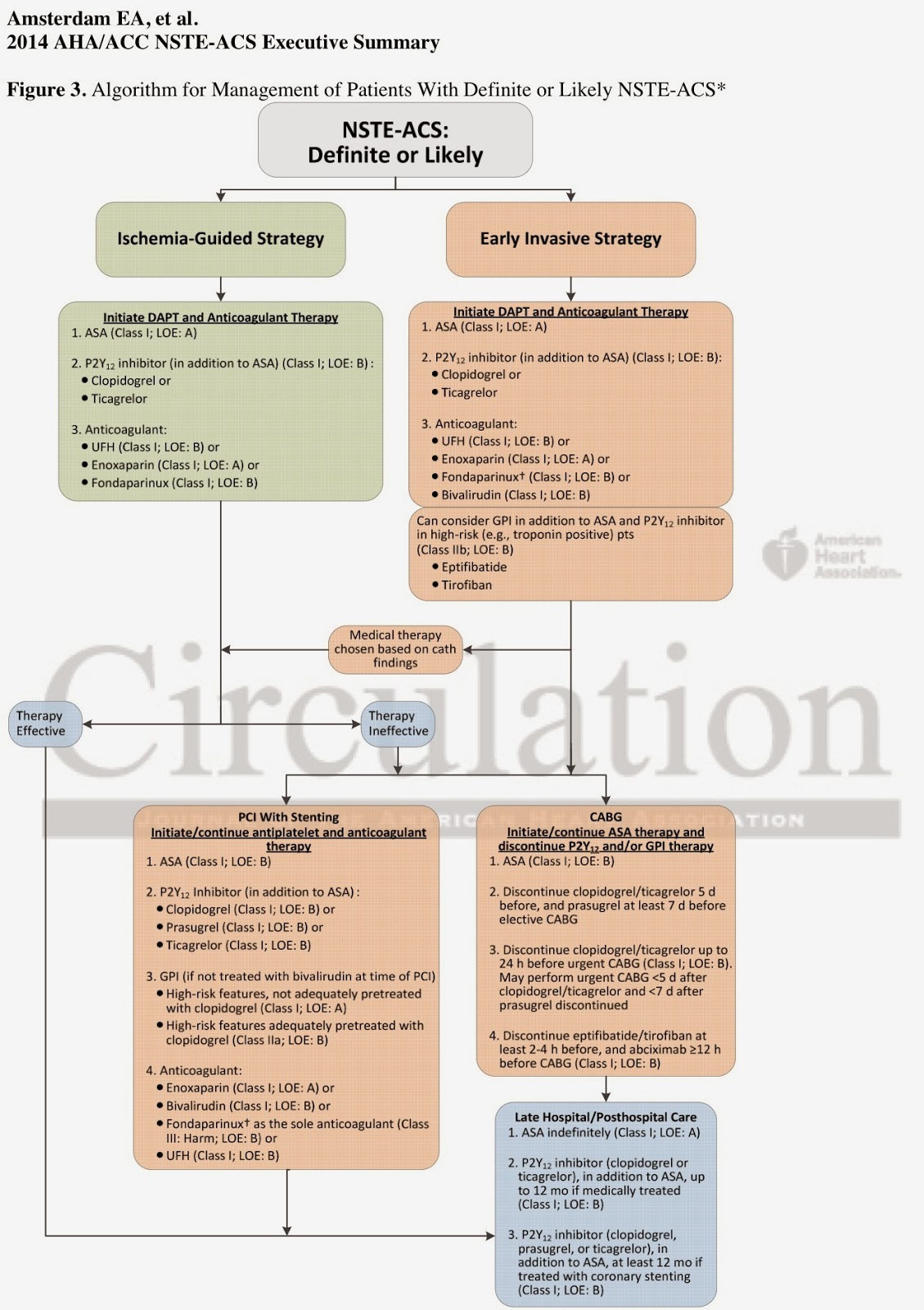
The ACC guidelines for Acute Coronary Syndrome (ACS) provide a standardized, evidence-based framework for diagnosing and treating patients with myocardial ischemia. These guidelines prioritize rapid identification via ECG, risk stratification using high-sensitivity troponins, and timely reperfusion therapy. They emphasize a patient-centered approach, balancing ischemic risk against bleeding concerns through tailored pharmacological and invasive strategies.
The Evolution of ACS Classification and Management
Acute Coronary Syndrome (ACS) remains a leading cause of morbidity and mortality worldwide. As of 2026, the American College of Cardiology (ACC), in collaboration with the American Heart Association (AHA), has refined the clinical pathways to address the complexities of myocardial infarction (MI) and unstable angina (UA). The guidelines categorize ACS into two primary clinical presentations based on the initial electrocardiogram (ECG): ST-elevation myocardial infarction (STEMI) and non-ST-elevation acute coronary syndromes (NSTE-ACS), which includes both NSTEMI and unstable angina.
The fundamental goal of the ACC guidelines is to minimize myocardial damage by restoring blood flow as quickly as possible. This "time is muscle" philosophy drives the protocols for pre-hospital care, emergency department triage, and catheterization lab activation. By 2026, the integration of high-sensitivity cardiac troponin (hs-cTn) assays into standard practice has further sharpened the ability of clinicians to differentiate between ACS and non-cardiac chest pain, allowing for more efficient resource allocation.
Initial Evaluation and Diagnostic Protocols
The diagnostic journey for a patient suspected of having ACS begins the moment they encounter the healthcare system. The ACC guidelines mandate a 12-lead ECG interpretation within 10 minutes of arrival at a medical facility. This initial step is critical because it dictates the entire therapeutic trajectory.
The Role of High-Sensitivity Troponins
High-sensitivity cardiac troponin (hs-cTn) assays are the cornerstone of the 2026 diagnostic algorithm. Unlike older assays, hs-cTn can detect minute levels of myocardial injury much earlier. The ACC recommends the use of accelerated diagnostic protocols, such as the 0/1-hour or 0/2-hour algorithms. These protocols involve measuring troponin levels at presentation and again one or two hours later. A significant rise or "delta" in these levels, even if the absolute value is low, is highly suggestive of acute myocardial injury. Conversely, if levels remain low and stable over the 0/1-hour window, the negative predictive value for ACS is exceptionally high, allowing for safe discharge or alternative diagnostic testing.
Physical Examination and History
While biomarkers and ECGs are vital, the ACC emphasizes that clinical judgment remains paramount. Clinicians must evaluate the "PQRST" of chest pain: Provocation, Quality, Radiation, Severity, and Timing. However, the guidelines also warn that "atypical" presentations are common, particularly in women, elderly patients, and those with diabetes. These populations may present with dyspnea, nausea, or profound fatigue rather than classic substernal pressure.
Risk Stratification in NSTE-ACS
For patients without ST-elevation (NSTE-ACS), the decision to pursue an invasive strategy (angiography) versus a conservative strategy is guided by formal risk stratification. The ACC guidelines utilize validated scoring systems to predict the likelihood of major adverse cardiovascular events (MACE).
- GRACE Risk Score: The Global Registry of Acute Coronary Events (GRACE) score is the preferred tool for predicting in-hospital and post-discharge mortality. It accounts for age, heart rate, systolic blood pressure, creatinine, Killip class, cardiac arrest at admission, ST-segment deviation, and elevated cardiac enzymes.
- TIMI Risk Score: The Thrombolysis in Myocardial Infarction (TIMI) score is a simpler tool often used in the emergency department to categorize patients into low, intermediate, or high risk based on seven clinical variables.
Patients identified as "high risk" (e.g., those with refractory angina, hemodynamic instability, or high GRACE scores) are fast-tracked for an invasive strategy within 24 hours. "Low risk" patients may undergo non-invasive stress testing or a delayed invasive approach.
Management of ST-Elevation Myocardial Infarction (STEMI)
STEMI represents total or near-total occlusion of a coronary artery, requiring immediate reperfusion. The ACC guidelines established strict "Door-to-Balloon" (D2B) targets that remain the gold standard in 2026.
Primary Percutaneous Coronary Intervention (PCI)
Primary PCI is the preferred reperfusion strategy for STEMI patients, provided it can be performed by experienced operators within 90 minutes of first medical contact (FMC) at a PCI-capable hospital. If the patient presents at a non-PCI-capable hospital, the goal is to transfer the patient and achieve reperfusion within 120 minutes of FMC.
Fibrinolytic Therapy
When PCI cannot be performed within the 120-minute window, the guidelines recommend fibrinolytic therapy (clot-busting medication) unless contraindicated. To be effective, "Door-to-Needle" time should be within 30 minutes. Following fibrinolysis, the ACC suggests a "pharmacoinvasive" strategy, where the patient is transferred to a PCI-capable center for routine angiography within 3 to 24 hours, even if the fibrinolysis appears successful.
Pharmacological Interventions and DAPT
Medical management is a dual-track process: treating the acute thrombus and preventing future events. The 2026 ACC guidelines place significant emphasis on balancing ischemic and bleeding risks through "P2Y12 inhibitor" selection.
Antiplatelet Therapy
All ACS patients should receive Aspirin (162–325 mg) immediately, followed by a maintenance dose (81 mg) indefinitely. In addition to Aspirin, a P2Y12 receptor inhibitor is required—a strategy known as Dual Antiplatelet Therapy (DAPT).
- Ticagrelor and Prasugrel: These are generally preferred over Clopidogrel for ACS patients due to their more potent and predictable platelet inhibition.
- Clopidogrel: Reserved for patients with a higher bleeding risk or those requiring oral anticoagulation (triple therapy).
Anticoagulation
During the acute phase and the PCI procedure, anticoagulation is mandatory. Options include Unfractionated Heparin (UFH), Bivalirudin, or Enoxaparin. The choice often depends on the planned procedure and the patient's risk of bleeding (e.g., Bivalirudin is often preferred in patients at high risk for bleeding).
Secondary Prevention
Post-ACS care includes high-intensity statin therapy regardless of baseline LDL-C levels, Beta-blockers (especially in patients with reduced ejection fraction), and ACE inhibitors or ARBs for those with hypertension, diabetes, or chronic kidney disease.
Comparison of Management Strategies by ACS Type
The following table summarizes the key differences in the management of STEMI versus NSTE-ACS according to the current ACC framework.
| Feature | STEMI Management | NSTE-ACS (NSTEMI/UA) Management |
|---|---|---|
| Pathophysiology | Complete arterial occlusion | Partial or intermittent occlusion |
| Primary Goal | Immediate reperfusion | Stabilization and risk stratification |
| ECG Findings | ST-segment elevation or new LBBB | ST-depression, T-wave inversion, or normal |
| Reperfusion Timing | PCI < 90 mins; Fibrinolysis < 30 mins | Invasive strategy within 24-72 hours (based on risk) |
| Antiplatelet Therapy | Aspirin + P2Y12 (Prasugrel/Ticagrelor preferred) | Aspirin + P2Y12 (Ticagrelor preferred) |
| Statins | High-intensity (Atorvastatin/Rosuvastatin) | High-intensity (Atorvastatin/Rosuvastatin) |
| Beta-Blockers | Initiate within 24 hours if stable | Initiate within 24 hours if stable |
Long-Term Recovery and Cardiac Rehabilitation
The ACC guidelines state that management does not end at hospital discharge. Participation in a structured Cardiac Rehabilitation program is a Class I recommendation. These programs have been shown to significantly reduce hospital readmissions and all-cause mortality.
Furthermore, 2026 updates highlight the importance of "DAPT de-escalation." For patients who have remained stable for 3–6 months post-ACS and are at high risk for bleeding, clinicians may consider switching from a potent P2Y12 inhibitor (like Ticagrelor) to Clopidogrel, or dropping Aspirin and continuing P2Y12 monotherapy. This personalized approach ensures that the "protective" benefits of blood thinners do not lead to catastrophic bleeding events.
Special Populations and Considerations
The ACC guidelines provide specific nuances for populations that have historically been undertreated.
- The Elderly: Patients over 75 years of age often have complex anatomy and comorbid conditions. While they benefit from invasive strategies, the dose of anticoagulants and antiplatelets must be carefully adjusted to prevent intracranial hemorrhage and GI bleeding.
- Women: Statistics show that women often experience longer delays in diagnosis. The 2026 guidelines emphasize the use of high-sensitivity troponins with sex-specific cut-off values to ensure that MI is not missed in female patients who may have lower baseline troponin levels.
- Chronic Kidney Disease (CKD): These patients are at high risk for both ischemic and bleeding events. Contrast-induced nephropathy is a concern during PCI, requiring meticulous hydration and minimized contrast volume.
Frequently Asked Questions
What is the "10-minute rule" in ACC ACS guidelines?
The "10-minute rule" dictates that every patient presenting with chest pain or symptoms suggestive of ACS must have a 12-lead ECG performed and interpreted by a physician within 10 minutes of arrival. This is the most critical step in identifying STEMI and initiating the "time-sensitive" reperfusion pathway.
How long should a patient remain on DAPT after ACS?
The standard recommendation is 12 months of Dual Antiplatelet Therapy (DAPT). However, the 2026 guidelines allow for "short-term DAPT" (3-6 months) in patients with a high bleeding risk (HBR), or "extended DAPT" (beyond 12 months) for those with high ischemic risk and low bleeding risk. This decision is typically aided by tools like the DAPT Score.
When is fibrinolysis preferred over PCI for STEMI?
Fibrinolysis is preferred only when primary PCI cannot be performed within 120 minutes of first medical contact. This usually occurs in rural or remote areas where transport to a PCI-capable "Heart Center" is delayed. Once fibrinolytics are administered, the patient should still be transferred for potential "rescue PCI" if the clot does not dissolve.
What is the significance of "high-sensitivity" troponin in 2026?
High-sensitivity cardiac troponins (hs-cTn) allow for the detection of myocardial injury much earlier than standard assays. This allows clinicians to use 0/1-hour and 0/2-hour "rule-in" and "rule-out" protocols, which can safely identify patients who do not have ACS in less than two hours, significantly reducing emergency department overcrowding.
Are there specific guidelines for "MINOCA"?
Yes, the ACC guidelines address MINOCA (Myocardial Infarction with Non-Obstructive Coronary Arteries). If a patient has an MI but the angiogram shows less than 50% stenosis, further imaging like Intravascular Ultrasound (IVUS) or Cardiac MRI is recommended to determine the underlying cause, such as coronary spasm, plaque erosion, or spontaneous coronary artery dissection (SCAD).
Practical Recommendations for Healthcare Providers
To effectively implement the ACC guidelines for ACS in 2026, clinical teams should prioritize the following actions:
- Standardize hs-cTn Protocols: Ensure the facility uses a validated 0/1 or 0/2-hour algorithm to speed up diagnosis and discharge.
- Audit D2B Times: Regularly review "Door-to-Balloon" and "First Medical Contact-to-Balloon" metrics to identify and eliminate bottlenecks in the STEMI chain of survival.
- Use Risk Scores: Integrate GRACE or TIMI calculators into the Electronic Health Record (EHR) to automate risk stratification for NSTE-ACS patients.
- Emphasize Post-Discharge Care: Secure a cardiac rehab referral for every patient before they leave the hospital and provide clear instructions on the duration of antiplatelet therapy.
- Address Bleeding Risk: Use the PRECISE-DAPT or similar scores to decide the potency and duration of the P2Y12 inhibitor therapy.
For the most detailed and updated technical specifications, healthcare professionals should consult the full American College of Cardiology Clinical Guidelines and the Journal of the American College of Cardiology (JACC).