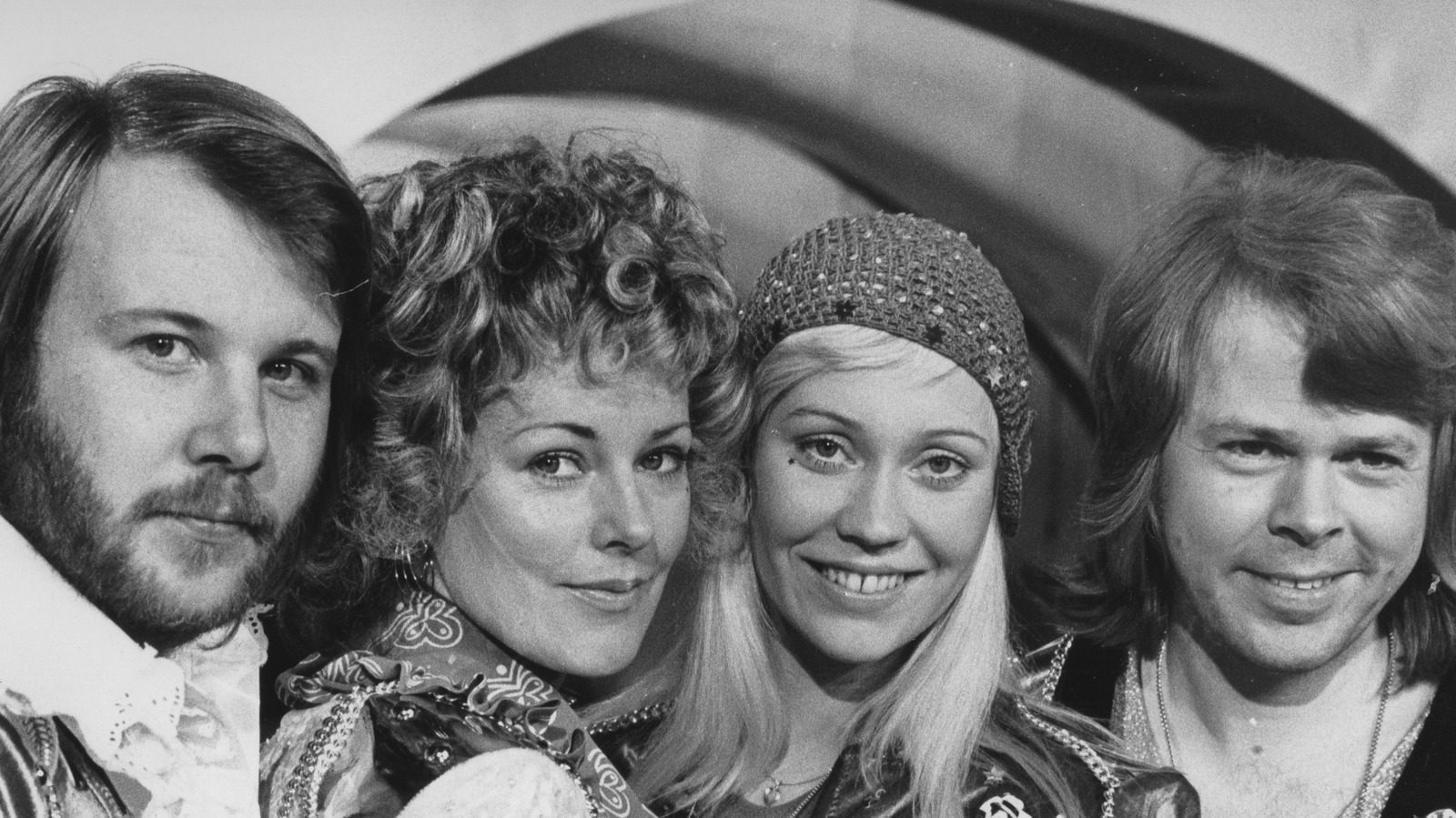
ABBA’s relationships defined their legendary career, centered on two core marriages: Agnetha Fältskog and Björn Ulvaeus, and Benny Andersson and Frida Lyngstad. While both couples eventually divorced during the band's peak, their ability to transform personal heartbreak into timeless pop music remains the defining hallmark of their enduring professional bond.
The story of ABBA is inseparable from the romantic and platonic bonds shared by its four members. Unlike most groups where members are joined by musical interest alone, ABBA was founded on the foundation of two domestic partnerships. This unique structure provided the group with an unparalleled vocal chemistry but also created a high-stakes emotional environment that eventually dictated the band’s rise, fall, and eventual 21st-century resurrection. As of 2026, their legacy is viewed not just through the lens of their hits, but through their remarkable ability to navigate the complexities of divorce while maintaining a creative empire.
The Genesis: Two Couples and a Shared Vision
Before the world knew them as ABBA, the four members were already established figures in the Swedish music scene. The formation of the group was a gradual process of convergence driven by both romantic attraction and professional respect. Björn Ulvaeus and Benny Andersson began collaborating as songwriters in 1966, but it was their respective relationships with Agnetha Fältskog and Anni-Frid "Frida" Lyngstad that provided the "magic" sound that would conquer the world.
Björn and Agnetha met in 1969. Agnetha was already a successful solo artist, often referred to as the "Swedish sweetheart." Their connection was immediate, leading to a high-profile wedding in 1971. Benny and Frida’s path was slightly different; they met in 1969 as well but lived together for nearly a decade before officially marrying in 1978.
For the first half of the 1970s, the "two couples" image was central to ABBA's marketing. They represented a wholesome, egalitarian, and modern Swedish lifestyle. This dynamic allowed for a specific type of vocal arrangement—the "wall of sound" created by the two female leads—that was underpinned by the musical compositions of their partners. However, the very intimacy that fueled their early success also became a source of significant strain as global fame intensified.
Agnetha and Björn: The Pain Behind the Harmony
The relationship between Agnetha Fältskog and Björn Ulvaeus is often cited as the emotional core of ABBA’s most poignant work. Married in 1971, the couple had two children, Linda and Peter. As the band’s international success exploded following their 1974 Eurovision win with "Waterloo," the pressures of constant touring and media scrutiny began to erode their domestic stability.
Agnetha, famously a "homebody" who struggled with the fear of flying and the guilt of being away from her children, found the demands of global stardom increasingly difficult. Björn, conversely, was deeply immersed in the business and creative machinery of the band. In Christmas 1978, the couple separated, and their divorce was finalized in 1979.
The professionalism they maintained following the split is legendary in the music industry. Rather than disbanding, they used their personal grief as creative fuel. Björn wrote the lyrics to "The Winner Takes It All" shortly after the separation. Though he has often stated the song is not a literal transcription of their divorce, its raw emotionality—delivered through Agnetha’s powerful lead vocal—became the definitive breakup anthem of the 20th century. This period marked a shift in ABBA’s music from upbeat pop to "divorce disco," characterized by sophisticated melodies and deeply melancholic lyrics.
Benny and Frida: The Quiet Dissolution
While Agnetha and Björn’s split was widely publicized and immediate, the end of Benny Andersson and Anni-Frid Lyngstad’s relationship followed a different trajectory. They had been a couple for nine years before they finally married in October 1978, just as the cracks in the Agnetha-Björn marriage were becoming public.
Ironically, their marriage lasted only about two years. By early 1981, they announced their divorce. Unlike the more overtly emotional public perception of the Agnetha/Björn split, Benny and Frida’s separation was often characterized as a mutual realization that they had grown apart. However, the timing was devastating for the group’s internal cohesion.
By the time ABBA recorded their final 20th-century album, The Visitors (1981), the atmosphere in the studio had changed significantly. The "two couples" were now four individuals working together. The songs on this album, such as "When All Is Said and Done," reflected the maturity and resignation of adults moving on from long-term partnerships. Benny soon remarried, which reportedly added further distance between the former bandmates during the early 1980s.
Navigating the Professional Split and the "Hiatus"
By late 1982, ABBA decided to take a break. While never "officially" disbanding in the traditional sense, the romantic dissolutions made the prospect of continued collaboration exhausting. For several decades, the members pursued vastly different paths:
- Björn and Benny: Continued their songwriting partnership, moving into musical theater with projects like Chess and Kristina från Duvemåla. Their professional relationship remained the most stable element of the ABBA legacy.
- Agnetha: Released several solo albums before retreating into a private life in Ekerö, Sweden. For years, she was often characterized by the media as a recluse, though she later clarified that she simply preferred a quiet life away from the spotlight.
- Frida: Also released solo material (including the hit "I Know There's Something Going On") before moving to Switzerland. She became involved in environmental causes and married Prince Heinrich Ruzzo Reuss of Plauen in 1992, becoming a Princess of the House of Reuss.
Throughout the 1990s and 2000s, the four members were rarely seen together in public. Their relationships were described as cordial but distant. The "Mamma Mia!" phenomenon, beginning with the 1999 musical and the 2008 film, began to pull them back into a shared orbit, proving that while the marriages were over, the brand and the mutual respect remained intact.
The Voyage Era: Reconciliation in 2026
The most significant development in ABBA relationships occurred with the announcement and release of Voyage in 2021. This project, which included a new studio album and a revolutionary digital residency in London, required the four members to spend significant time together in the studio for the first time in nearly 40 years.
In the timeframe of 2026, the Voyage residency is recognized as a masterclass in "legacy management." The members have frequently spoken in recent interviews about the "joy" of returning to the studio. The romantic tensions of the 1980s have been replaced by a deep, platonic affection. Björn and Benny’s creative shorthand remains sharp, while Agnetha and Frida’s vocal blend—though deepened by age—retains its signature "third voice" quality.
The 2026 perspective on ABBA relationships is one of survival. They are held up as an example of how personal transitions, even painful ones, do not have to result in the destruction of a shared creative legacy.
Comparison of ABBA's Primary Relationships
The following table summarizes the timelines and key characteristics of the two marriages that defined the group.
| Feature | Agnetha & Björn | Benny & Frida |
|---|---|---|
| Relationship Start | 1969 | 1969 |
| Marriage Date | July 6, 1971 | October 6, 1978 |
| Separation/Divorce | 1979 | 1981 |
| Children Together | Two (Linda and Peter) | None (Both had children from prior unions) |
| Primary Dynamic | Intense, high-profile, domestic focus | Long-term partnership, later marriage |
| Post-Divorce Song | "The Winner Takes It All" | "When All Is Said and Done" |
| 2026 Status | Close friends, co-grandparents | Professional collaborators, cordial friends |
Frequently Asked Questions
Did the members of ABBA date each other after the divorces?
No. Following the divorces of the two main couples, there were no romantic crossovers within the group. Björn Ulvaeus remarried Lena Källersjö shortly after his divorce from Agnetha (though they announced their own separation in 2022). Benny Andersson married Mona Nörklit soon after his split from Frida. Agnetha and Frida both had subsequent relationships and marriages outside the band, but the internal "swapping" of partners never occurred.
Are the members of ABBA still friends in 2026?
Yes. As of 2026, the four members maintain a strong, supportive friendship. The process of creating the Voyage digital avatars and recording the final album solidified their bond. They have described themselves as "siblings" who share a history that no one else can truly understand. While they do not live in each other's pockets, their professional and personal respect is at an all-time high.
Who wrote the songs about the breakups?
The lyrics for ABBA’s songs were primarily written by Björn Ulvaeus, while the music was composed by Benny Andersson. Björn has often been asked how he could write such painful lyrics for his ex-wife to sing. He has explained that while the emotions were real, he often "dramatized" the situations to fit a pop song structure. Agnetha has stated that she found singing those songs therapeutic rather than hurtful.
Did the divorces cause the band to break up in 1982?
The divorces were a major contributing factor, but not the only cause. By 1982, the members were also experiencing creative exhaustion and a desire to explore different genres. The logistical difficulty of working with an ex-spouse in a high-pressure environment naturally made the hiatus more attractive. The internal "fuel" that had powered the group during the 1970s had simply been spent.
How did their children handle the band's fame and the divorces?
Agnetha and Björn’s children, Linda and Peter, were very young during the height of ABBA-mania. The parents made a concerted effort to shield them from the media. Linda Ulvaeus later became an actress and even appeared on stage with her mother. Frida’s children from her first marriage and Benny’s children from his previous relationships were also involved in the extended "ABBA family" dynamic, which has remained largely private and respectful over the decades.
Expert Guidance: Lessons from the ABBA Dynamic
For those looking to understand the longevity of the ABBA brand, the key takeaway is the separation of personal grievance from professional value. The group’s ability to "work through the pain" created some of the most emotionally resonant music in history.
If you are interested in exploring the specific history of these relationships further, it is recommended to:
- Listen to the "Divorce Trilogy": Analyze the lyrics of "The Winner Takes It All," "When All Is Said and Done," and "The Visitors" to see how the songwriters processed their experiences.
- Watch the Voyage Documentary Material: Look for 2021-2026 interviews where the members discuss their reunion; these provide the most mature perspective on their shared history.
- Review Official Biographies: Works like Bright Lights, Dark Shadows by Carl Magnus Palm provide the most factually verified accounts of the group's internal dynamics.
The enduring lesson of ABBA relationships is that while romantic love may be finite, the creative and platonic bonds formed through shared struggle can last a lifetime.