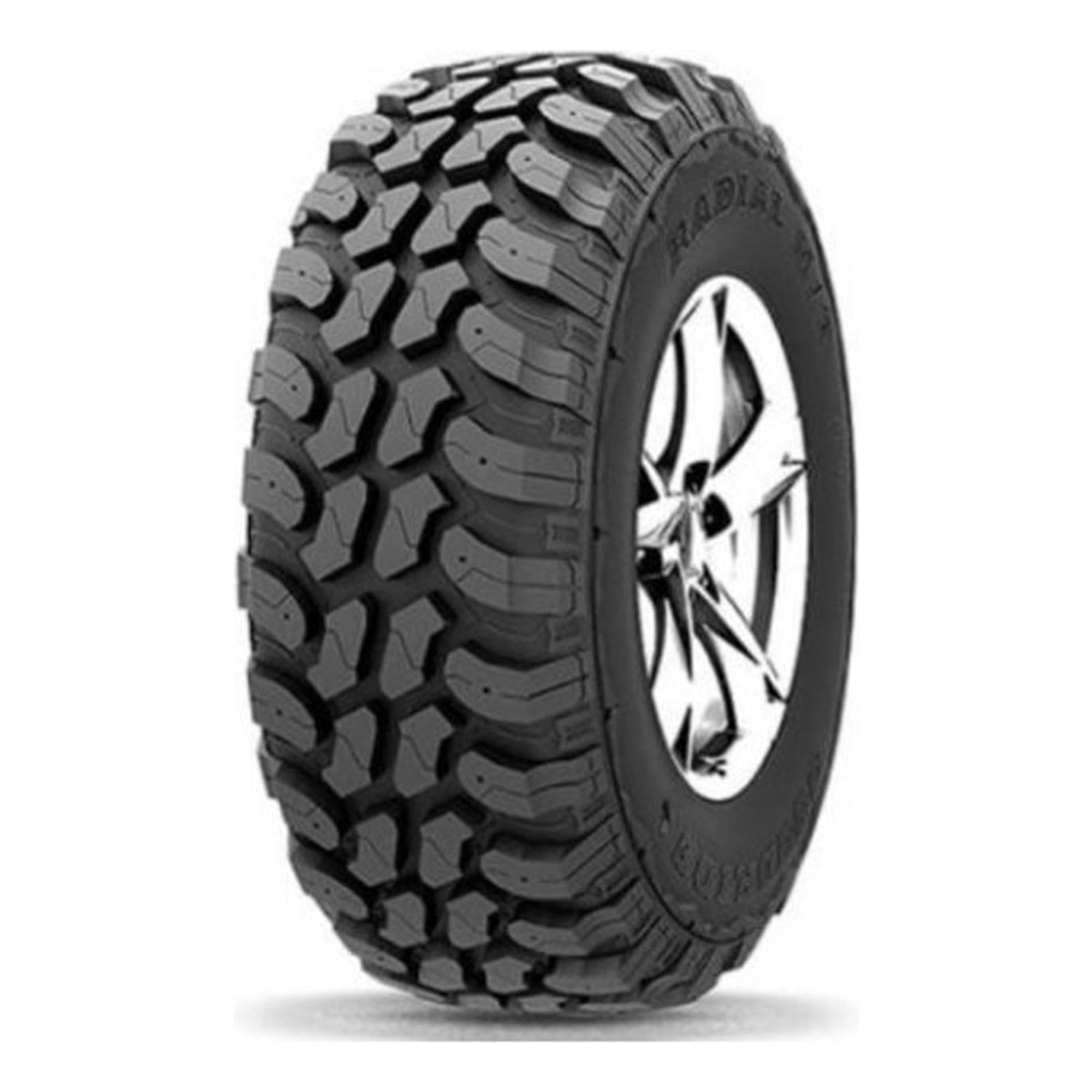
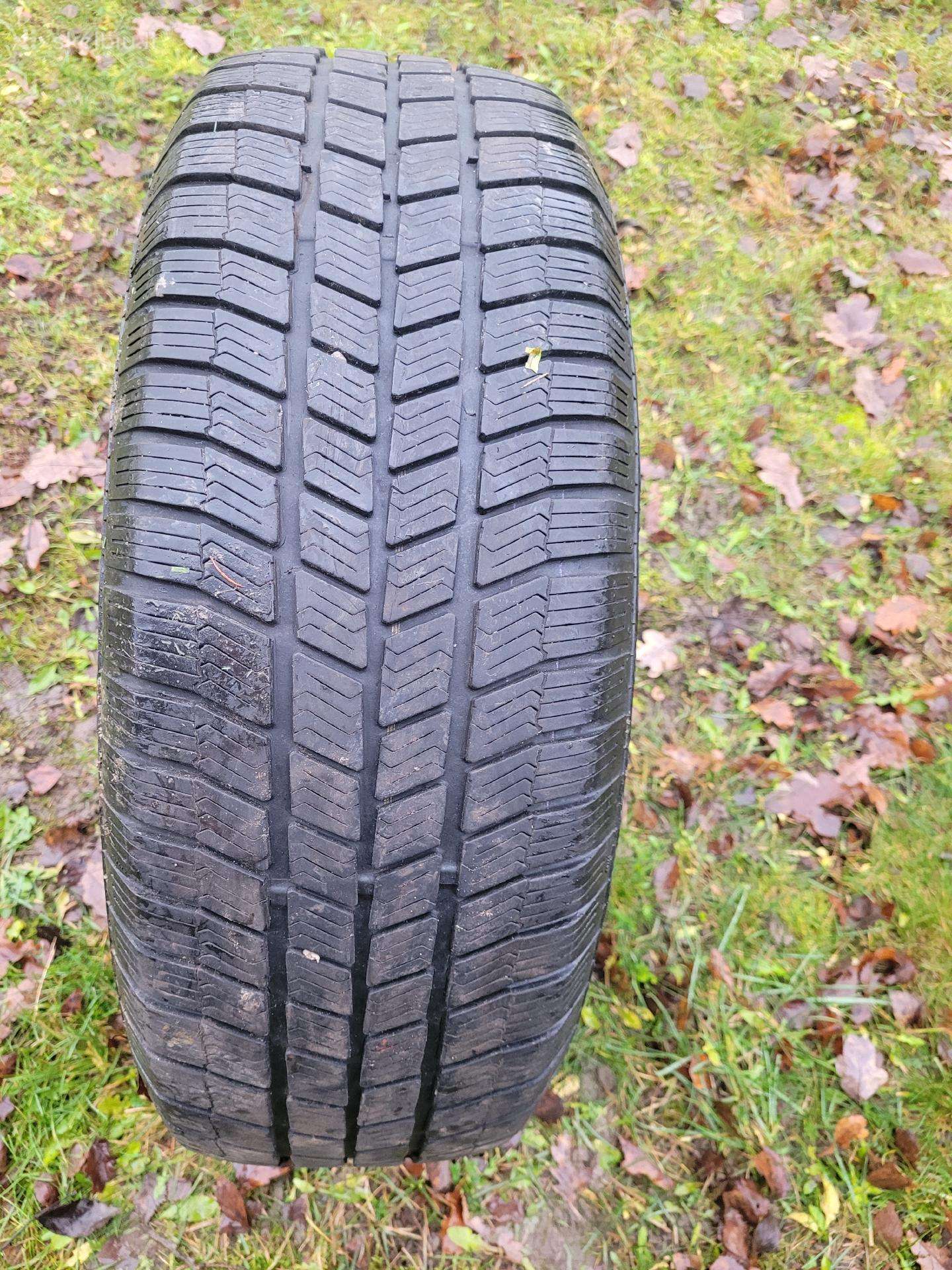
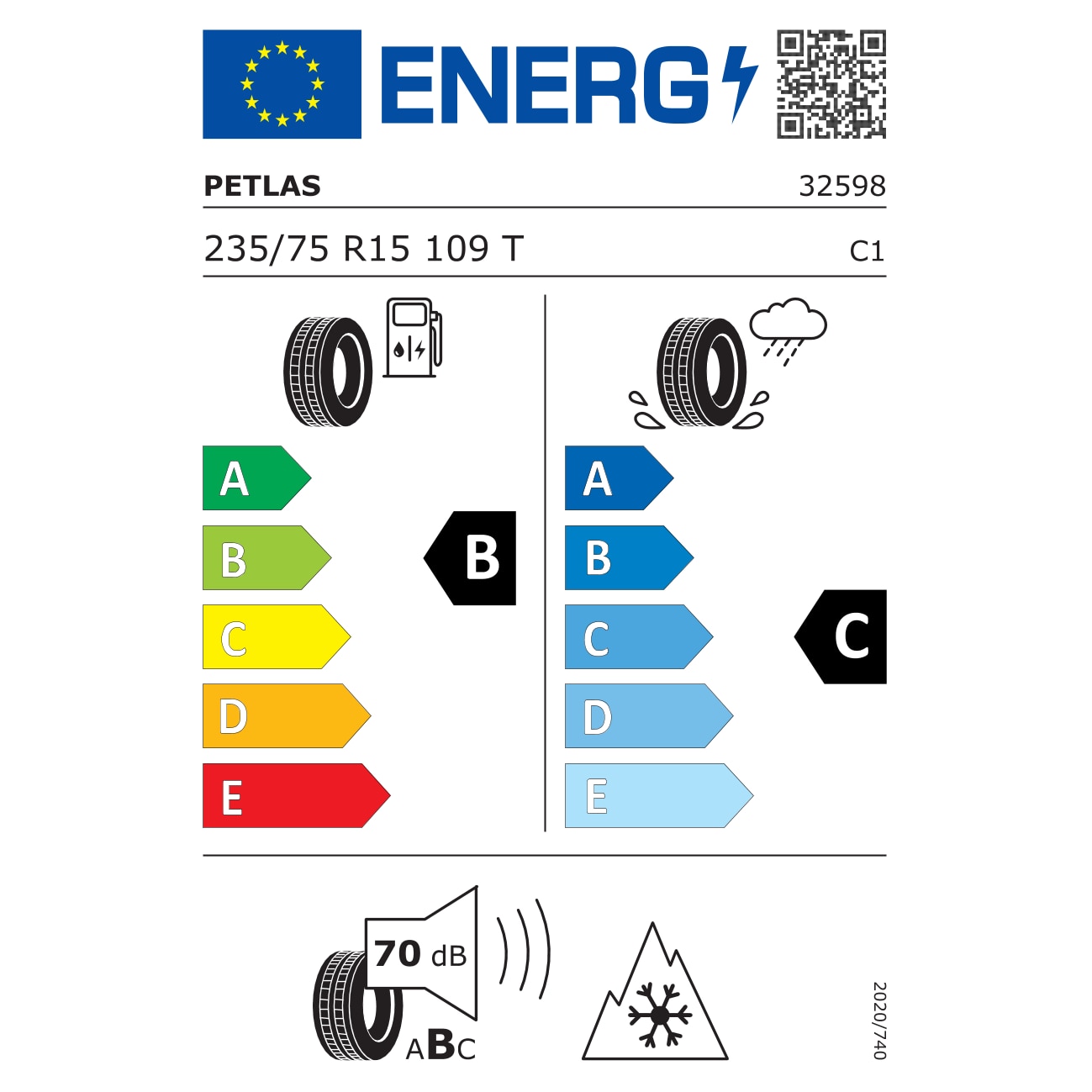
Choosing between a 31x10.50R15 tire and a 235/75R15 tire involves balancing physical dimensions, vehicle capability, fuel efficiency, and mechanical clearance. While both sizes fit standard 15-inch wheels, the 235/75R15 is a standard passenger and light-truck metric size roughly equivalent to a 29-inch tire, whereas the 31x10.50R15 is a traditional flotation size measuring roughly 31 inches in diameter and over 10 inches in section width. Selecting the right size depends on your driving environment, vehicle suspension setup, gearing, and aesthetic preferences.
Understanding Tire Size Nomenclature
To accurately compare the 31x10.50R15 and the 235/75R15, it is essential to understand how each sizing system conveys measurements. Tire manufacturers use two primary systems for light trucks and SUVs: the Flotation System and the Metric System (P-metric or LT-metric).
The flotation system uses inches for total diameter and section width, while the metric system uses millimeters for section width, a percentage aspect ratio for sidewall height, and inches for rim diameter. Recognizing these differences allows vehicle owners to calculate gear ratios, speedometer accuracy, and physical clearances before purchasing a new set of tires.
| System Component | 31x10.50R15 (Flotation) | 235/75R15 (Metric) |
|---|---|---|
| Section Width | 10.5 inches (~267 mm) | 235 millimeters (~9.25 inches) |
| Aspect Ratio | Unstated (traditionally ~80-82%) | 75% of section width |
| Rim Diameter | 15 inches | 15 inches |
| Overall Diameter | ~30.75 to 31.0 inches | ~28.9 inches |
Breaking Down the 31x10.50R15 Size
The designation 31x10.50R15 is straightforward:
- 31: The approximate overall diameter of the tire in inches when mounted and inflated on an approved rim width.
- 10.50: The nominal section width of the tire in inches, measured from sidewall to sidewall.
- R: Radial construction, indicating that the body plies run radially across the tire from bead to bead.
- 15: The diameter of the wheel (rim) in inches that the tire is designed to fit.
Breaking Down the 235/75R15 Size
The designation 235/75R15 uses metric measurements for width combined with a percentage-based profile:
- 235: The section width of the tire in millimeters, measured from the widest point of the outer sidewall to the widest point of the inner sidewall.
- 75: The aspect ratio, meaning the sidewall height is 75% of the section width.
- R: Radial construction.
- 15: The wheel diameter in inches.
Direct Dimensional Comparison
When placing a 31x10.50R15 next to a 235/75R15, the physical differences are immediately apparent. The 31-inch tire stands taller and wider, which alters the vehicle's stance, ground clearance, and suspension geometry.
Overall Diameter and Ground Clearance
The 31x10.50R15 provides roughly an extra inch of radius (height from the axle center to the ground) compared to the 235/75R15. Specifically:
- 235/75R15: Generally measures between 28.8 and 29.0 inches in overall diameter depending on tread wear and inflation pressure.
- 31x10.50R15: Generally measures between 30.5 and 31.0 inches in overall diameter.
This difference increases the vehicle's differential and frame clearance by about one full inch. While an inch may sound modest, it can mean the difference between clearing a trail obstacle or dragging a differential housing over rocks and roots.
Width and Contact Patch
Section width dictates how much rubber meets the road, affecting traction, rolling resistance, and hydroplaning behavior:
- 235/75R15: Has a section width of 235mm (approximately 9.25 inches). A narrower tire cuts through standing water and deep snow more effectively, reducing the risk of hydroplaning on slick paved roads.
- 31x10.50R15: Has a section width of 10.5 inches (approximately 267mm). The wider footprint distributes vehicle weight over a larger surface area, improving flotation on soft surfaces like sand, mud, and loose gravel.
Vehicle Compatibility and Clearance Requirements
Switching from a stock 235/75R15 tire to a larger 31x10.50R15 tire requires careful verification of wheel well clearance, suspension setup, and wheel specifications. Many compact and mid-size SUVs and trucks—such as early Jeep Cherokees (XJ), Ford Rangers, Chevrolet S-10s, and Toyota pickups—came factory-equipped with 235/75R15 tires.
Suspension and Lift Requirements
- 235/75R15: Fits comfortably on almost all stock vehicles designed for 15-inch wheels without any rubbing during full steering lock or suspension compression.
- 31x10.50R15: May rub against the inner control arms, sway bars, or fender liners on stock suspension setups during tight turns or off-road articulation. Many vehicles require a leveling kit, a 1-to-2-inch suspension lift, or minor fender trimming to accommodate 31-inch tires safely.
Wheel Width and Backspacing
Rim width plays a vital role in how a tire sits and wears.
- 235/75R15 tires typically require a wheel width between 6.0 and 8.0 inches.
- 31x10.50R15 tires generally require a wheel width between 7.0 and 9.0 inches. Mounting a 10.5-inch-wide tire on a narrow 5.5-inch factory steel wheel can cause uneven center tread wear and unstable handling at highway speeds. Furthermore, incorrect wheel backspacing can cause the wider 31-inch tire to rub against suspension components, necessitating aftermarket wheels with a different offset.
Performance, Fuel Economy, and Drivetrain Impact
Upgrading tire size changes the mechanical dynamics of your vehicle. The transition from a 235/75R15 to a 31x10.50R15 introduces several trade-offs regarding power delivery, braking, and fuel consumption.
Speedometer and Odometer Error
Because the 31x10.50R15 has a larger circumference, it travels farther per complete wheel rotation than the smaller 235/75R15.
- If your vehicle was originally calibrated for a 29-inch tire (235/75R15) and you switch to a 31-inch tire, your speedometer will read slower than your actual speed by roughly 6% to 7%.
- When your speedometer indicates you are traveling at 60 mph, you are actually moving closer to 64 mph. Over time, your odometer will also record fewer miles than traveled, impacting maintenance intervals and fuel economy calculations unless corrected with a speedometer gear or electronic calibration.
Acceleration, Gearing, and Power Loss
The 31x10.50R15 tire is heavier than a standard 235/75R15 tire, often carrying significantly more rotational mass. This added weight, combined with the taller effective gear ratio, reduces acceleration performance.
- Vehicles with lower horsepower or taller factory axle ratios (such as 3.07 or 3.55 gears) will feel sluggish when taking off from a stop.
- Downshifting on highway inclines will happen more frequently. For optimal performance with 31-inch tires, vehicles with smaller engines often benefit from re-gearing the differentials to a lower numerical ratio (such as 4.10 or 4.56).
Fuel Economy Considerations
Fuel efficiency almost always drops when moving to a larger, heavier tire. The 31x10.50R15 increases both rolling resistance and aerodynamic drag. Additionally, the higher load on the engine forces it to work harder to maintain cruising speeds, resulting in a noticeable decrease in miles per gallon (MPG), particularly in city driving and stop-and-go traffic.
On-Road and Off-Road Driving Dynamics
Your primary driving environment should dictate your tire selection. A tire optimized for highway commuting behaves very differently in mud and snow than a dedicated all-terrain flotation tire.
| Performance Area | 235/75R15 | 31x10.50R15 |
|---|---|---|
| Wet Pavement | Excellent water evacuation; low hydroplane risk | Good, but wider footprint increases risk slightly |
| Deep Mud/Sand | Limited floatation; sinks to firmer ground | Superior floatation; rides on top of soft terrain |
| Ride Comfort | Softer sidewall options; comfortable commute | Sturdier construction; firmer ride quality |
| Highway Tracking | Stable tracking; minimal tramlining | Prone to following ruts in worn pavement |
Highway and Daily Commuting
For daily driving primarily on paved roads, the 235/75R15 is often the more practical choice. It offers predictable handling, lower road noise, and efficient fuel consumption. The narrower contact patch is less susceptible to "tramlining"—the tendency of wide tires to follow grooves and ruts worn into asphalt highways.
Off-Road Capability
When leaving the pavement, the 31x10.50R15 outperforms the smaller metric tire in several key areas:
- Ground Clearance: Raises vulnerable undercarriage components away from rocks and debris.
- Approach and Departure Angles: Slightly improves the vehicle's ability to clear steep inclines and ledges.
- Airing Down: The larger sidewall volume of the 31-inch tire allows drivers to drop tire pressure significantly lower when traversing sand or rock, increasing the contact patch for maximum traction without risking bead separation.
Choosing the Right Tire for Your Vehicle
To decide definitively between the 31x10.50R15 and the 235/75R15, evaluate your specific vehicle setup, legal constraints, and intended use cases.
- Assess Mechanical Limits: Check your vehicle's current suspension and wheel dimensions. If you have stock wheels narrower than 7 inches and no suspension lift, the 235/75R15 is the safer, bolt-on choice.
- Analyze Driving Habits: If 90% of your mileage is highway commuting, towing light loads, or navigating urban environments, stick with the 235/75R15 for better fuel economy and handling.
- Prioritize Off-Road Performance: If your vehicle is built for weekend trail riding, camping, or exploring unpaved backroads, invest in the 31x10.50R15 (ensuring proper clearance and gear ratios) to maximize traction and clearance.
Frequently Asked Questions
Can I install 31x10.50R15 tires on wheels that currently have 235/75R15 tires?
It depends on the width of your existing wheels. Both tire sizes fit a 15-inch wheel, but 235/75R15 tires can be mounted on wheels as narrow as 6.0 inches, whereas 31x10.50R15 tires generally require a minimum wheel width of 7.0 inches. Check your wheel dimensions stamped on the back of the rim before purchasing wider tires.
Will 31x10.50R15 tires rub on a stock 4x4 truck?
On many stock 4x4 trucks and SUVs, 31x10.50R15 tires will fit without major modification, but minor rubbing may occur at full steering lock against control arms or plastic air dams. If your vehicle has sagging factory leaf springs or independent front suspension, a leveling kit or minor trimming may be required.
Do I need to re-gear my vehicle when switching to 31-inch tires?
Re-gearing is not strictly mandatory for a single step up to 31-inch tires, but you will notice a reduction in acceleration and higher gear hunting on hills. If your vehicle has highway-friendly factory gear ratios (such as 3.07 or 3.21), upgrading to lower axle gears restores power and protects your transmission from excessive heat and wear.
How does changing tire size affect my vehicle's insurance or warranty?
Minor tire size changes rarely affect standard auto insurance policies, but extreme modifications that alter vehicle safety systems can occasionally complicate liability evaluations after an incident. Always consult your insurance provider or manufacturer guidelines if you are modifying a newer vehicle under warranty.
Which tire size performs better in heavy winter snow?
The narrower 235/75R15 generally performs better in deep, packed snow on cleared roads because it cuts through the snow to grip the pavement underneath. Conversely, the wider 31x10.50R15 provides an advantage in deep, unplowed powder by floating on top of the surface, provided the tread pattern is designed for winter conditions.
Conclusion and Next Action
Selecting between the 31x10.50R15 and the 235/75R15 comes down to balancing daily driving efficiency with off-road utility. If your priority is fuel economy, easy fitment, and predictable highway handling, the 235/75R15 remains a reliable standard. If you seek enhanced ground clearance, rugged aesthetics, and superior off-road capability, upgrading to the 31x10.50R15 is a proven choice—provided you verify your wheel width and suspension clearance. Next, measure your current wheel width, inspect your fender clearance at full lock, and select an all-terrain or highway tread pattern that matches your primary driving environment.