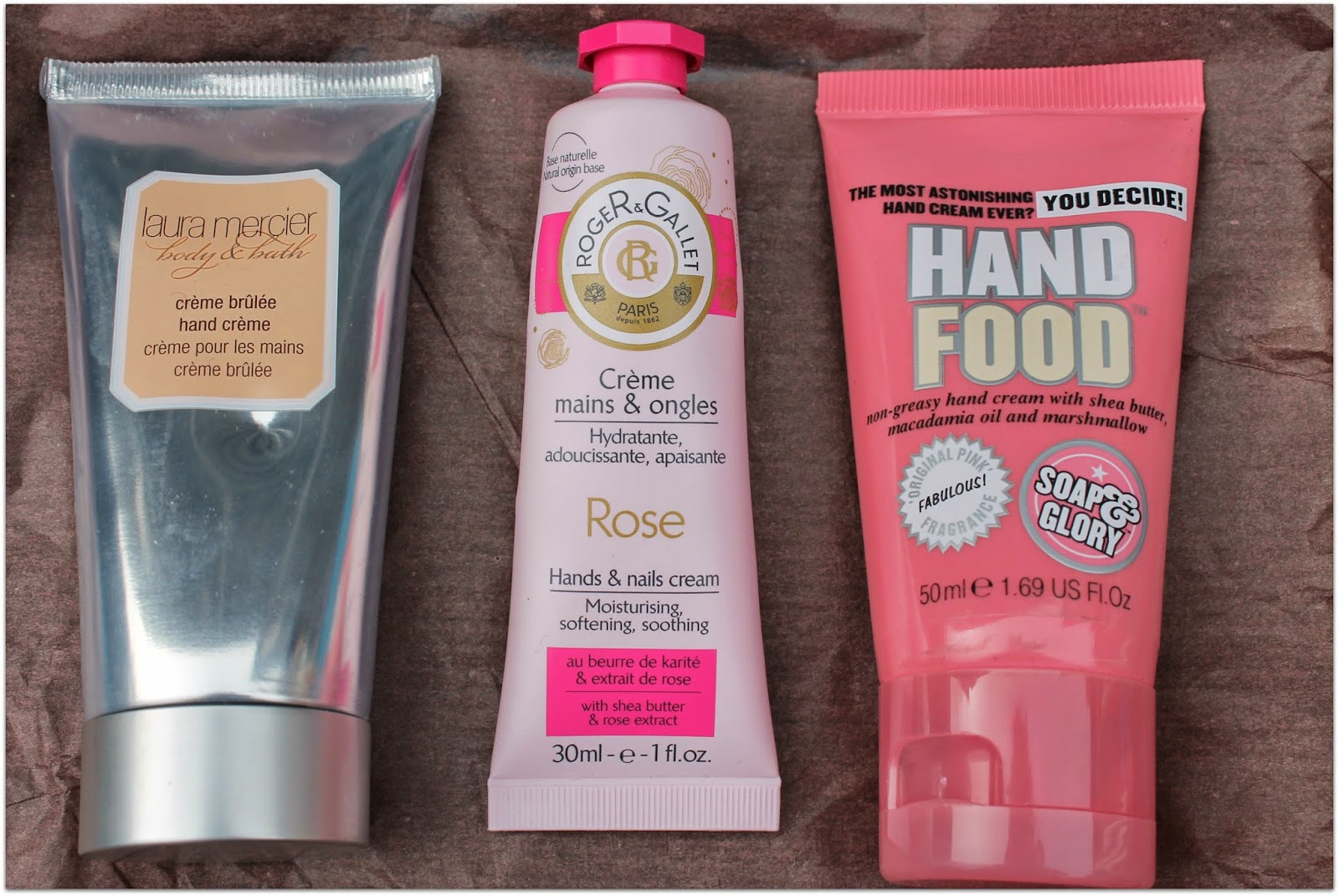
Finding the right hand cream in the United Kingdom requires balancing intense hydration with the specific environmental challenges posed by the British climate, including wind, central heating, and hard water. The top three hand creams for dry hands in the UK are O'Keeffe's Working Hands, L'Occitane Shea Butter Hand Cream, and La Roche-Posay Cicaplast Mains, each offering distinct therapeutic benefits for barrier repair, deep nourishment, and protection.
The Challenge of Dry Hands in the UK
The skin on your hands is unique. It contains fewer sebaceous glands than the skin on your face, making it more prone to dehydration. In the UK, seasonal fluctuations exacerbate this natural vulnerability. During winter months, the contrast between freezing outdoor temperatures and drying indoor central heating systems pulls moisture away from the epidermal layer, leading to micro-tears, tightness, and inflammation.
Furthermore, the quality of water in many regions of the UK—specifically "hard water" areas like London and the Southeast—contains high concentrations of calcium and magnesium. These minerals can leave a residue on the skin that disrupts the natural pH balance, potentially stripping away essential lipids. Consequently, choosing a hand cream is not merely a matter of fragrance or aesthetics; it is a clinical decision to restore the skin barrier.
1. O'Keeffe's Working Hands: The Heavy-Duty Barrier Solution
O'Keeffe's Working Hands is widely regarded as the gold standard for individuals suffering from severe dryness, cracks, or occupational-related skin trauma. Its formulation is engineered to create a protective, non-greasy layer on the surface of the skin that locks in moisture.
How it Works
The efficacy of this cream lies in its concentration of glycerin and paraffin. Unlike lotions that rely on water, this is a concentrated formula designed to pull moisture into the skin while preventing further evaporation. For those working in trades, agriculture, or simply dealing with the harsh effects of UK winters, it serves as a functional barrier against moisture loss.
Performance and Application
Because the formula is highly concentrated, a little goes a long way. It is best applied directly after washing hands, while the skin is still slightly damp. This helps the humectants draw that residual water into the deeper layers of the epidermis. It is intentionally unscented and lacks cosmetic finish, making it the preferred choice for those who require functionality over fragrance.
2. L'Occitane Shea Butter Hand Cream: The Gold Standard for Nourishment
For those who prioritize skin conditioning and long-term elasticity, the L'Occitane Shea Butter Hand Cream remains an iconic choice. Originating from high-quality sources, this cream contains a 20% concentration of organic shea butter, which is rich in fatty acids and vitamins that are essential for skin health.
The Role of Shea Butter
Shea butter is a superior emollient. It works by filling in the gaps between skin cells, effectively smoothing the texture of the skin. Unlike occlusives that sit entirely on the surface, this cream is designed to be absorbed into the skin, providing a softer feel that lasts throughout the day. It is particularly effective for those whose hands feel thin, papery, or irritated due to frequent handwashing.
Suitability and Experience
While O’Keeffe’s is a "utility" product, L’Occitane acts as a "restorative" treatment. It is suitable for daily use and leaves a subtle, clean scent that does not overwhelm. For individuals in office environments or those who prefer a more luxurious ritual to their skincare, this cream provides the best balance of sensory experience and physiological benefit.
3. La Roche-Posay Cicaplast Mains: The Clinical Repair Expert
La Roche-Posay is a brand frequently recommended by dermatologists for its focus on barrier repair. Their Cicaplast Mains hand cream is a technical solution for hands that are chemically damaged, sensitized, or suffering from dermatitis-like symptoms.
Technical Composition
The standout ingredients in this formula are Niacinamide (Vitamin B3) and Glycerin. Niacinamide is known for its anti-inflammatory properties, which help to soothe the itching and redness associated with dry, cracked skin. Glycerin provides a protective barrier that shields the skin from external irritants, such as harsh cleaning chemicals or soap residues common in hard-water environments.
Why It Matters
When the skin barrier is compromised, it becomes susceptible to environmental irritants. Cicaplast Mains acts as a "glove" that is water-resistant and non-greasy. It is ideal for individuals with sensitive skin who often find that scented hand creams cause further irritation or burning.
Comparative Overview of Hand Care Products
| Product | Primary Benefit | Best For | Finish |
|---|---|---|---|
| O'Keeffe's Working Hands | Intense Barrier Repair | Severe cracks & manual labor | Matte/Protective |
| L'Occitane Shea Butter | Deep Nourishment | Daily use & dry, thin skin | Soft/Rich |
| La Roche-Posay Cicaplast | Soothing Inflammation | Sensitive/Irritated skin | Invisible/Invisible |
Essential Tips for Managing Dry Hands
Beyond the choice of cream, your hand-care routine determines the success of your recovery. If your hands are severely dry, applying a thick layer of cream before bed and covering them with cotton gloves can significantly improve absorption overnight—a practice known as "slugging."
Additionally, pay close attention to your choice of hand wash. Many liquid soaps found in public washrooms contain Sodium Laureth Sulfate (SLS), a foaming agent that can be overly aggressive. Switching to a soap-free cleanser or a mild, moisturizing hand wash will reduce the frequency with which you are stripping your skin of its natural oils, allowing your hand cream to work more effectively.
Frequently Asked Questions
Why does my hand cream feel like it stops working after a few hours?
It is common for the effect of a cream to wear off if the skin’s lipid barrier is significantly impaired. Rather than applying a single heavy layer, try applying smaller amounts more frequently. Ensure you are applying the cream while the skin is still slightly damp to trap moisture, as this is the most critical step in hydration.
Can I use the same cream on my hands that I use on my face?
While some facial moisturizers are excellent, they are often formulated to be lightweight for the thinner, more sensitive skin of the face. Hands are exposed to more friction and washing, requiring the thicker, more protective occlusives found in dedicated hand creams. Unless your facial cream contains high concentrations of protective waxes or butters, it may not provide enough longevity for hands.
How do I know if my dry hands require a doctor's visit?
If you notice signs of infection—such as yellow crusting, unusual swelling, intense heat, or red streaks extending from the dry area—you should seek medical advice. Furthermore, if your skin is cracking to the point of bleeding and over-the-counter creams fail to provide relief after two weeks of consistent use, it may be a sign of underlying eczema or contact dermatitis that requires prescription-strength intervention.
Is expensive hand cream always better?
Price is not always an indicator of efficacy. High-end brands often include luxury fragrances and elegant packaging. However, the most effective ingredients for dry hands—glycerin, shea butter, petrolatum, and niacinamide—are functional, commodity ingredients. The "best" cream is the one that fits your lifestyle and that you will use consistently.
Final Recommendation
For the average user in the UK facing standard dry conditions, the L'Occitane Shea Butter Hand Cream offers the best balance of therapeutic moisture and daily comfort. If you work outdoors or handle materials that consistently dry out your skin, transition to O'Keeffe's Working Hands to maintain your skin's structural integrity. For those dealing with reactive, inflamed, or sensitive skin, La Roche-Posay Cicaplast Mains provides the necessary clinical support to repair the barrier without added irritants. Regardless of your choice, the key to success is consistency: keep a tube near your most-used hand-washing station to ensure you never miss an application.