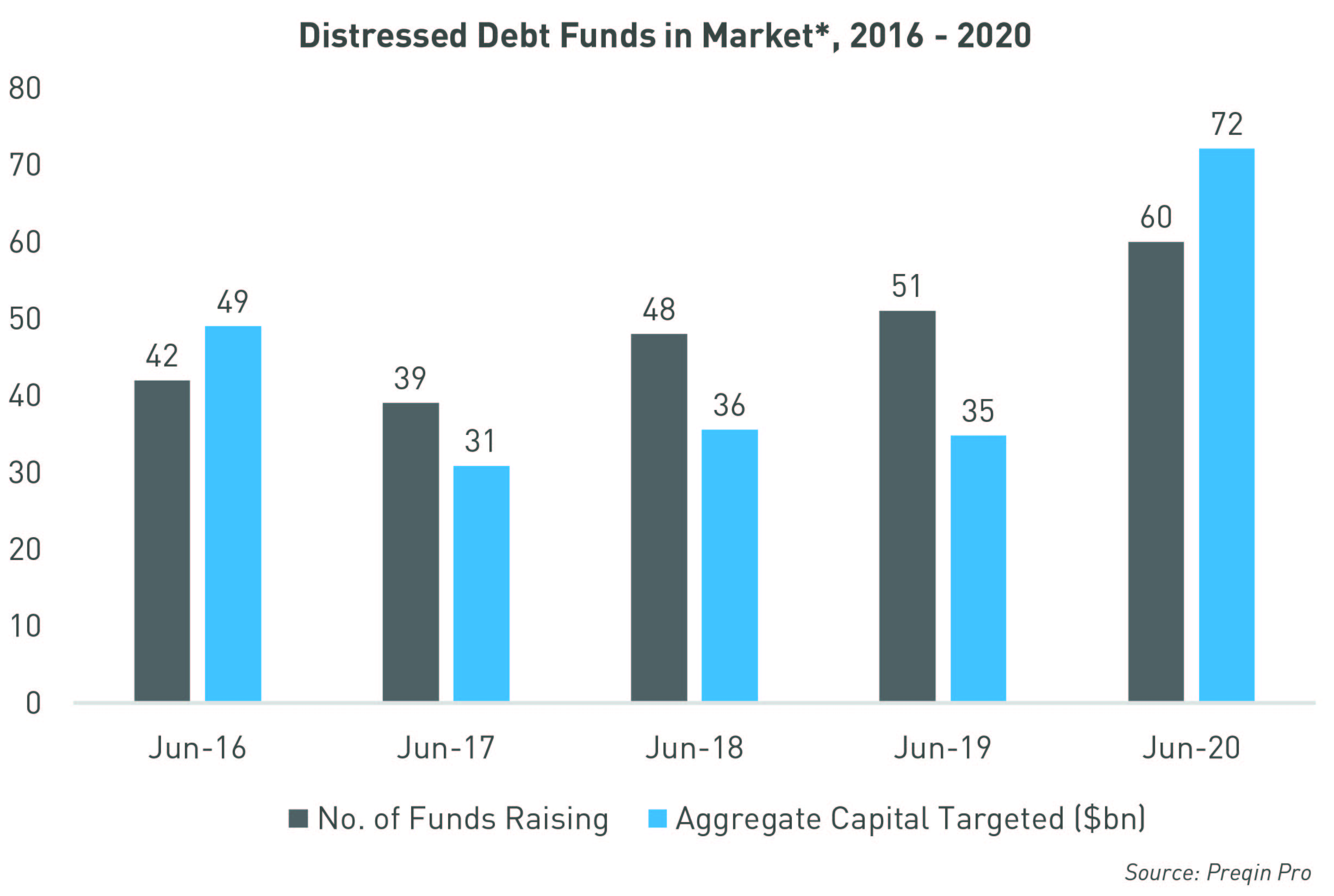
Distressed debt funds focus on acquiring the debt of companies nearing or experiencing bankruptcy, providing liquidity to distressed entities while seeking high returns through debt restructuring or equity conversion. For investors, monitoring these funds requires understanding their specific strategies, liquidity profiles, and the broader macroeconomic credit cycles that trigger their deal flow.
The year 2024 served as a critical inflection point for the credit markets, characterized by a "maturity wall"—a period where a significant volume of corporate debt issued during the low-interest-rate era of 2020–2021 required refinancing at significantly higher rates. This environment created distinct opportunities for specialized distressed debt vehicles. Investors tracking this sector should focus on funds managed by firms with deep operational expertise, as the value in distressed assets today is rarely extracted through simple passive holding, but rather through active participation in restructuring processes and litigation.
Defining the Distressed Debt Landscape
Distressed debt investing is a high-stakes, specialized segment of the alternative investment market. Unlike traditional high-yield bond investing, where the primary objective is coupon collection, distressed debt investing focuses on "event-driven" outcomes. These funds identify companies whose debt trades at a significant discount to par value due to liquidity crises, operational failure, or industry-wide headwinds.
The core objective of a distressed debt fund is to gain control of the underlying assets or to achieve a favorable recovery through the bankruptcy process. When a company files for Chapter 11 in the United States, or an equivalent insolvency procedure in other jurisdictions, the hierarchy of the capital structure becomes paramount. Funds that successfully purchase debt at 40 or 50 cents on the dollar may emerge from a reorganization as the new equity owners of a restructured, deleveraged entity.
1. Oaktree Capital Management – Global Distress Strategy
Oaktree Capital Management remains the institutional benchmark for distressed debt. Their approach is rooted in a disciplined, contrarian philosophy. Throughout 2024, Oaktree’s flagship distress vehicles were positioned to capitalize on the widening spread between performing corporate credit and distressed credit.
The firm’s strategy is heavily weighted toward "control-oriented" investing. Rather than betting on a company’s simple financial turnaround, Oaktree managers often leverage their legal and operational expertise to influence the outcome of court-mandated reorganizations. For an investor, the primary appeal of Oaktree is its long-term track record of navigating cycle troughs. Their funds are typically structured as closed-end vehicles with multi-year lock-up periods, reflecting the illiquid nature of the assets they hold.
2. Apollo Global Management – Opportunistic Credit
Apollo differentiates itself by integrating its distressed debt activities with its powerful private equity and insurance-linked platforms. In 2024, Apollo’s opportunistic credit funds were particularly active in "loan-to-own" strategies. This involves originating or purchasing debt with the express intent of transitioning that debt into majority equity ownership as the borrower defaults.
Apollo’s edge lies in its proprietary access to deal flow through its vast network of corporate relationships. Because the firm operates one of the largest direct lending franchises globally, it has the first look at companies showing signs of stress long before they hit the open market. This early access allows them to structure protective covenants that simplify the eventual restructuring process. Investors should note that Apollo funds often carry a higher correlation to the firm’s internal operational capabilities than to broad market indices.
3. Blackstone Credit (BXCI) – Strategic Capital
Blackstone Credit, particularly following its integration with the legacy BSO platform, has positioned its distressed strategies toward massive, complex, and cross-border corporate failures. Their approach in 2024 emphasized "complexity arbitrage"—targeting situations where the debt capital structure is so fragmented that only a firm with massive scale and legal resources can successfully negotiate a resolution.
Blackstone’s advantage is its ability to deploy significant capital rapidly. In the distressed market, speed is often the difference between a successful intervention and a total loss of value. By maintaining a large, permanent capital base, their funds can serve as "white knights" for companies needing bridge financing or liquidity injections during the critical period just before a formal filing.
Comparative Analysis of Fund Strategies
When evaluating distressed debt funds, investors must distinguish between the specific focus areas of the major players. The following table highlights the operational nuances of these top-tier institutions.
| Firm | Strategy Focus | Typical Asset Class | Primary Value Driver |
|---|---|---|---|
| Oaktree Capital | Contrarian/Value | Senior/Subordinated Debt | Financial Restructuring |
| Apollo Global | Loan-to-Own | Private Loans/Bonds | Operational Control |
| Blackstone Credit | Complexity Arbitrage | Syndicated/Structured Debt | Scale/Speed of Capital |
Prerequisites and Risks for Investors
Investing in distressed debt is restricted to sophisticated, institutional, or accredited investors. These funds are not retail products. The minimum investment thresholds are often substantial, frequently ranging from $5 million to $25 million per commitment.
The risks are equally significant:
- Liquidity Risk: Most funds have a life cycle of 7–10 years. Capital is "called" as deals are found and distributed as assets are liquidated. Investors cannot simply withdraw capital at will.
- Legal Risk: Distressed debt investing is inherently litigious. The outcome of a fund’s investment is often determined by a bankruptcy judge rather than market forces.
- Valuation Uncertainty: Marking these assets to market is difficult, as there is often no active secondary market for the specific debt of a bankrupt or struggling entity.
Common Mistakes to Avoid
One of the most frequent errors for those tracking these funds is assuming that high yields on a bond price imply an opportunity. In reality, a "cheap" bond price is often a reflection of a high probability of total impairment. Amateur investors often fail to account for the "cramdown" risk—where a court may approve a restructuring plan that leaves the original debt holders with little to no recovery, even if they hold senior notes.
Furthermore, investors must verify the fund's "vintage." A fund raised in 2024 is structurally different from one raised in 2020. The pricing of assets in 2024 was dictated by higher base interest rates, which changed the math on how much interest coverage a distressed company requires to survive post-restructuring.
Frequently Asked Questions
What is the main driver of distressed debt performance in 2024? The primary driver is the maturity wall. A large volume of debt issued in the low-rate era of 2020–2021 became due in 2024. Companies unable to refinance at current high interest rates faced distress, creating a fertile environment for funds with dry powder to acquire debt at steep discounts.
How do I gain access to these funds? Access is typically limited to institutional investors or high-net-worth individuals meeting "qualified purchaser" or "accredited investor" criteria. You generally gain access through private wealth management firms, institutional consultants, or direct outreach to the firm’s investor relations department.
Are distressed debt funds safe? No. These are high-risk, speculative investments. They carry the risk of total loss of principal, as the underlying assets are, by definition, companies that are failing or undergoing severe financial stress. They should only represent a small portion of a diversified portfolio.
What is the difference between "vulture" funds and distressed debt funds? While often used interchangeably in the media, "vulture" is a pejorative term for funds that seek to profit from the collapse of a company without regard for its long-term viability. Most top-tier distressed funds prefer the label "turnaround" or "restructuring" specialists, as their goal is often to fix the company’s capital structure to maximize the value of the firm.
Can I invest in these funds through a standard brokerage account? Typically, no. These are private equity-style vehicles that require specialized documentation, subscription agreements, and long-term commitments. They are not traded on public stock exchanges like ETFs or mutual funds.
Next Steps for Interested Investors
If you are considering an allocation to distressed debt, start by reviewing the most recent "Form ADV" filings for the firms mentioned. These documents, filed with the SEC, provide mandatory disclosures regarding the firm’s fee structure, conflicts of interest, and the types of clients they serve. After reviewing the disclosures, consult with a qualified financial advisor who specializes in private markets to determine if these funds align with your overall portfolio’s liquidity requirements and risk tolerance.
The most effective way to monitor these funds is to track their quarterly investor letters, which provide insights into the specific sectors (e.g., commercial real estate, retail, or energy) where the fund is finding the most attractive risk-adjusted opportunities.