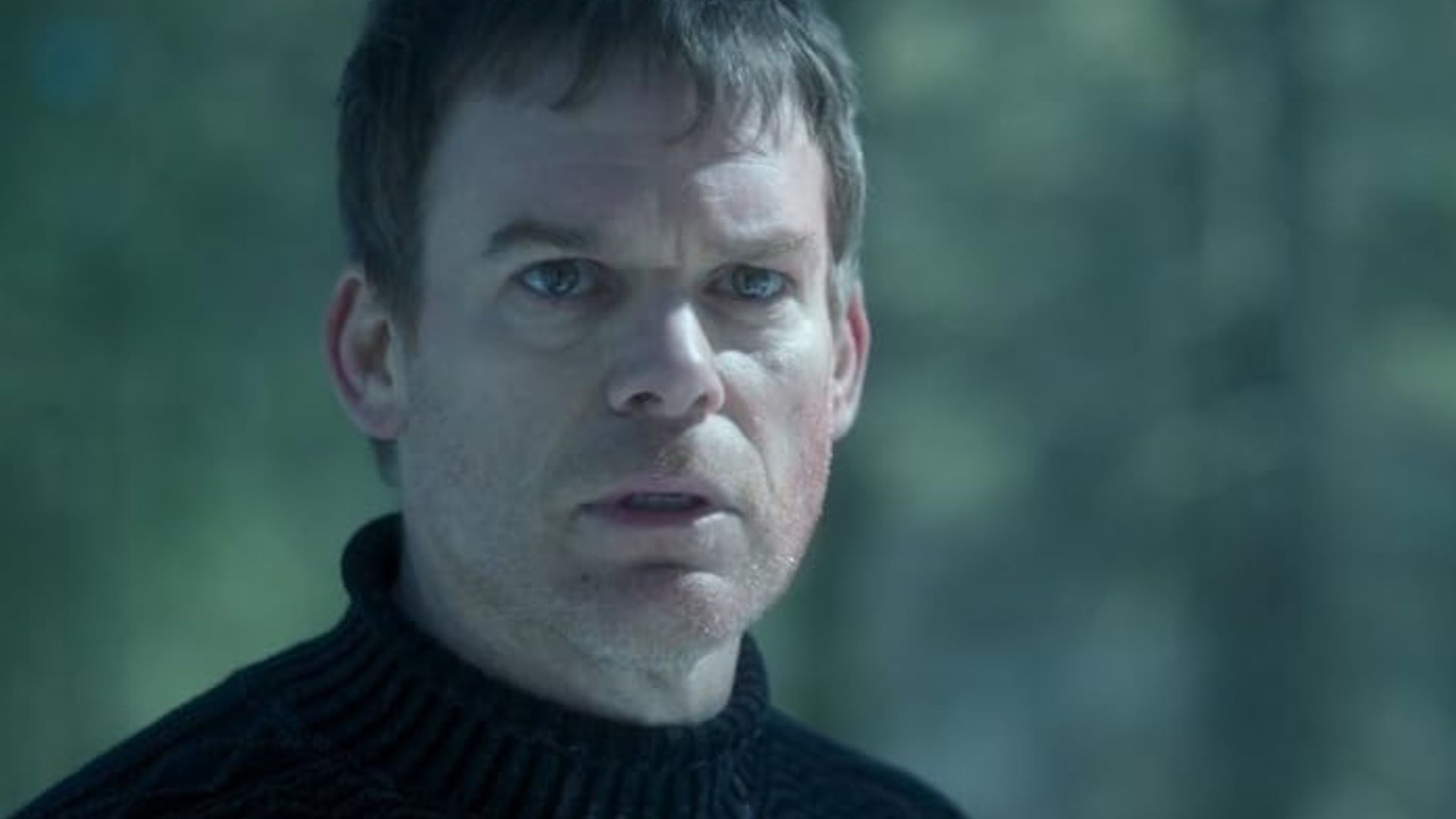
The Dexter franchise underwent a massive expansion in 2025 with the release of two distinct projects: the prequel series Dexter: Original Sin and the announcement and subsequent production of the sequel series Dexter: Resurrection. These shows collectively explore the formative years of Dexter Morgan in 1990s Miami and the unexpected continuation of his journey following the events of the 2021 limited series, Dexter: New Blood.
The revival of the Dexter universe represents one of the most ambitious franchise expansions in modern cable history. For fans who thought the story ended in the snowy woods of Iron Lake, 2025 served as a definitive turning point. Under the leadership of original showrunner Clyde Phillips, the "Dexter Universe" has branched into two separate timelines, allowing viewers to witness both the genesis of the "Bay Harbor Butcher" and the fallout of his supposedly final moments. This dual-track storytelling approach addresses long-standing questions about Dexter’s psyche while attempting to provide the definitive closure that previous finales struggled to achieve.
The Genesis of the 2025 Expansion
The road to the 2025 releases began shortly after the conclusion of Dexter: New Blood. While New Blood was a massive ratings success for Showtime, its finale proved as polarizing as the original 2013 ending. Executives realized that the appetite for Michael C. Hall’s character remained high, leading to the conceptualization of a "Dexter Cinematic Universe."
The primary goal of the 2025 initiatives was twofold: to provide a fresh entry point for new viewers through a prequel and to satisfy the core fanbase with a continuation of the main timeline. By early 2025, Dexter: Original Sin had become the flagship program for the Paramount+ with Showtime tier, utilizing a nostalgic 1990s aesthetic to bridge the gap between the character's literary origins and his television persona.
Why Two Series at Once?
Launching two series within the same franchise window is a calculated risk. However, the creative teams argued that Dexter Morgan is a character defined by his past and his future. Original Sin allows for deep-dive character studies without the baggage of current continuity, while Resurrection serves as the ongoing narrative engine. This strategy ensures that the franchise remains relevant across multiple demographics—older fans who grew up with the original run and younger audiences discovering the character through streaming.
Dexter: Original Sin – The Definitive Prequel
Set in 1991 Miami, Dexter: Original Sin functions as a foundational narrative. It picks up fifteen years before the events of the original 2006 pilot. The series introduces a younger version of Dexter Morgan, played by Patrick Gibson, as he transitions from a student into a forensics intern at the Miami Metro Police Department.
The 1991 Miami Setting
The choice of 1991 is significant for both aesthetic and plot reasons. This era in Miami was characterized by a high crime rate and the tail end of the "Cocaine Cowboys" era, providing a gritty backdrop for a budding serial killer. Technologically, the 90s setting presents unique challenges for Dexter; DNA profiling was in its infancy, and digital surveillance was non-existent. This requires the younger Dexter to rely more on physical stealth and the "Code of Harry" rather than the advanced forensic evasion techniques he would master later in life.
The Role of Harry Morgan and the Code
A central pillar of Original Sin is the relationship between Dexter and his adoptive father, Harry Morgan, portrayed by Christian Slater. Unlike the ethereal "ghost Harry" of the original series, this is a living, breathing Harry who is actively struggling with the ethics of his decisions.
The series explores the "How" of the Code. It isn’t presented as a finished set of rules but as a desperate, evolving survival guide. Viewers see the trial-and-error process of Harry teaching Dexter how to identify victims who "deserve" his attention and how to meticulously clean a crime scene. This dynamic adds a layer of tragic nuance to Harry’s character, showing the toll that nurturing a monster takes on a law enforcement officer’s soul.
Key Cast and Character Reimaging
| Character | Original Actor | 2025 Prequel Actor | Role in 1991 Narrative |
|---|---|---|---|
| Dexter Morgan | Michael C. Hall | Patrick Gibson | Forensics intern discovering his "Dark Passenger." |
| Harry Morgan | James Remar | Christian Slater | Police officer and architect of the Code. |
| Debra Morgan | Jennifer Carpenter | Molly Brown | A teenage version of Dexter’s foul-mouthed sister. |
| Maria LaGuerta | Luna Lauren Velez | Christina Milian | A younger, ambitious detective climbing the ranks. |
| Angel Batista | David Zayas | James Martinez | A young detective focused on forensics and family. |
| Vince Masuka | C.S. Lee | Alex Shimizu | A forensic protege establishing his crude humor. |
Dexter: Resurrection – The Return of Michael C. Hall
While the prequel looks backward, Dexter: Resurrection looks forward. Announced as a direct sequel to New Blood, this series shocked the industry by confirming that Michael C. Hall would return not just as a narrator or a vision, but as the physical lead of the show.
Resolving the New Blood Cliffhanger
The primary question surrounding Resurrection was how Dexter could return after being shot by his son, Harrison, in the series finale of New Blood. Without resorting to supernatural elements, the 2025 production revealed that Dexter survived the initial wound, albeit with significant legal and physical consequences.
The narrative of Resurrection shifts the tone from a "man on the run" to a "man in the system." It explores the fallout of the Bay Harbor Butcher’s identity finally being revealed to the world. This shift allows the show to tackle themes of infamy, the American justice system, and the psychological impact of Dexter’s exposure on his surviving associates.
Michael C. Hall’s Expanded Role
In the 2025 landscape, Michael C. Hall’s involvement is more extensive than ever. In addition to starring in Resurrection, he provides the inner-monologue narration for Original Sin. This creates a connective tissue between the two shows, suggesting that the prequel is being "remembered" or narrated by the older Dexter from his current vantage point in the sequel timeline.
Technical Specifications and Production Quality
The 2025 series benefit from a significant increase in production budget compared to the original 2006-2013 run. Both shows are filmed with high-dynamic-range (HDR) cinematography, emphasizing the contrast between the neon-soaked streets of 1990s Miami and the cold, stark realities of the modern-day sequel.
Directorial Direction
Clyde Phillips remains the creative visionary for both projects. His return ensured that the "voice" of Dexter remained consistent despite the change in actors for the prequel. The production utilized historical consultants to ensure the 1991 setting felt authentic—from the specific models of police cruisers to the lack of modern cell phone technology, which forces characters to use payphones and pagers.
The Score and Sound Design
The iconic music of Daniel Licht, which defined the original series, has been reimagined for the 2025 era. The prequel utilizes a synth-heavy, period-appropriate score that pays homage to 90s crime thrillers, while the sequel maintains the haunting, string-heavy melodies associated with Dexter’s later years.
Comparing Original Sin and Resurrection
For viewers deciding which series to prioritize, the choice depends on whether they prefer an origin story or a continuation of the "current" tragedy.
- Prequel Focus: Growth, education, the 90s, and the family unit. It is more of a "coming-of-age" story, albeit a dark and murderous one.
- Sequel Focus: Consequences, survival, legacy, and the legal system. It functions as a high-stakes thriller where the walls are finally closing in.
Both series share the same DNA: a focus on the internal conflict of a man who lacks empathy but lives by a rigid set of rules. However, Original Sin is lighter in its color palette and more kinetic in its pacing, while Resurrection is brooding and atmospheric.
Access and Streaming Requirements
As of 2026, both Dexter: Original Sin and Dexter: Resurrection are available exclusively through the following channels:
- Paramount+ with Showtime: This is the primary streaming home for all Dexter content. Subscribers can access 4K Ultra HD streams of both new series.
- Cable Providers: Showtime’s linear channel continues to broadcast episodes weekly for those with traditional cable packages.
- International Licensing: In regions where Paramount+ is unavailable, the series are typically licensed through local providers like Sky (UK) or Canal+ (France).
Viewing Order Recommendations
For the optimal experience, new viewers should consider the following sequence:
- Original Series (Seasons 1-8)
- Dexter: New Blood
- Dexter: Original Sin (To see how he became the man in the original)
- Dexter: Resurrection (To see his ultimate fate)
Frequently Asked Questions
Is Patrick Gibson playing the same version of Dexter as Michael C. Hall?
Yes. Patrick Gibson portrays the same character in his youth. To ensure continuity, Gibson reportedly worked with movement coaches and Michael C. Hall himself to replicate specific mannerisms, such as the way Dexter tilts his head or his distinctive gait.
How does Dexter survive the end of New Blood?
In Dexter: Resurrection, it is established that the shot fired by Harrison did not hit a vital organ, and the extreme cold of the Iron Lake climate actually slowed his heart rate, preventing him from bleeding out before emergency services arrived. This "resurrection" is treated with medical realism within the context of the show.
Will Jennifer Carpenter return to the 2025 series?
Jennifer Carpenter returns as a voice and a "Dark Passenger" vision for Michael C. Hall in Dexter: Resurrection. In Dexter: Original Sin, the role of young Debra Morgan is played by Molly Brown, as the character is a teenager in the 1991 timeline.
Is Dexter: Original Sin a limited series?
Unlike New Blood, Original Sin was designed with a multi-season arc in mind. The first season covers his first year at Miami Metro, with subsequent seasons planned to bridge the decade leading up to the 2006 premiere.
Are there any other spin-offs planned?
Rumors of a Trinity Killer prequel or a series focused on Harrison Morgan have circulated, but as of 2026, the focus remains entirely on the "dual-pillar" strategy of Original Sin and Resurrection.
Final Recommendations for Fans
The 2025 expansion of the Dexter franchise has successfully revitalized a character that many thought was retired. To get the most out of these new series, viewers should pay close attention to the parallels between the 1991 timeline and the modern-day events. The "Code" that Harry teaches in Original Sin is the same Code that Dexter struggles to maintain (or finally abandons) in Resurrection.
If you are a fan of the psychological aspects of the show, start with Original Sin. If you are looking for the visceral, high-stakes conclusion to the Bay Harbor Butcher’s life story, Resurrection is the essential viewing choice. Regardless of where you start, the 2025 era of Dexter provides a much-needed depth to one of television's most complex anti-heroes.