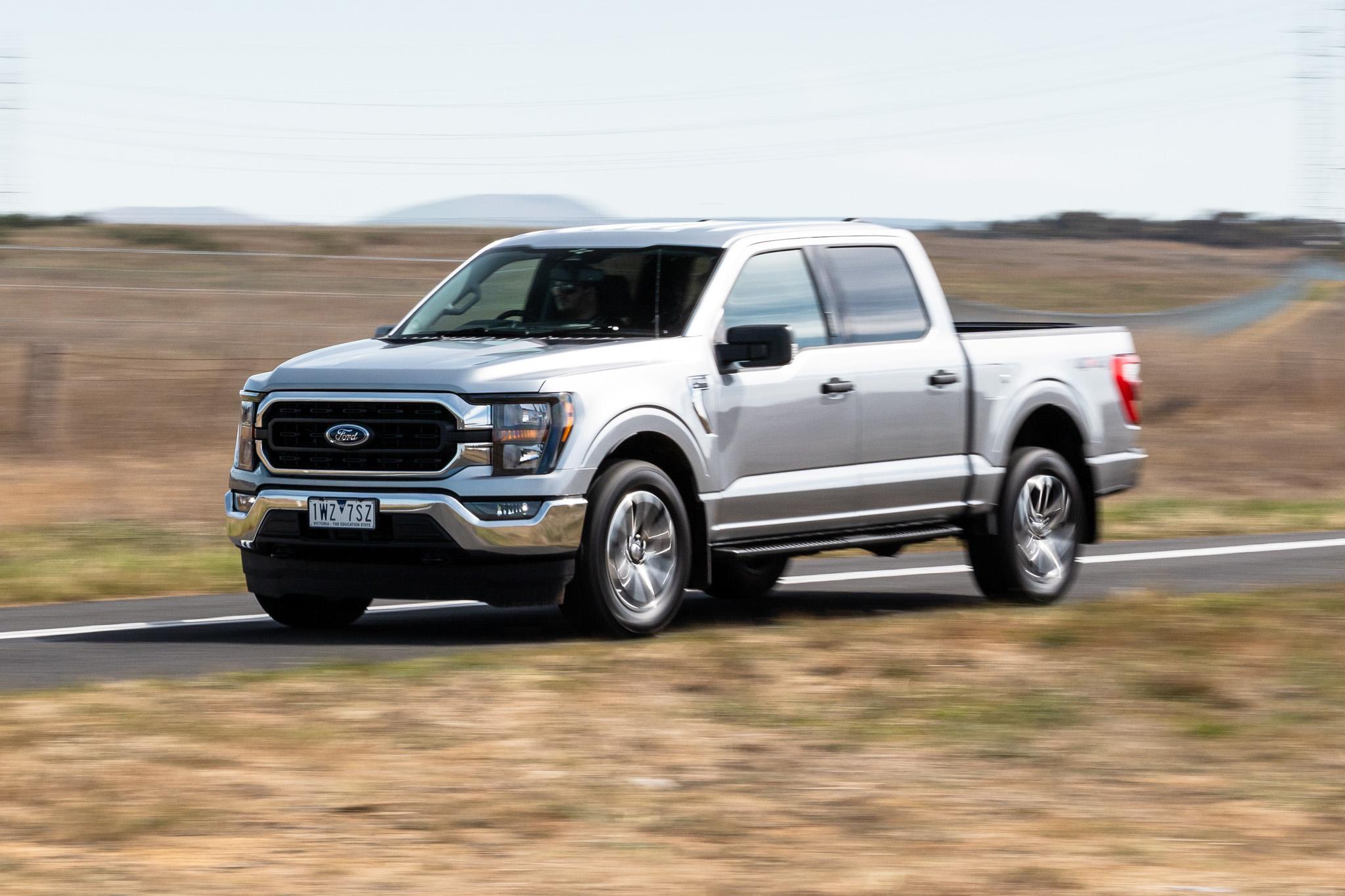
The 2024 Ford F-150 with the 5.0L Coyote V8 engine and Regular Cab configuration represents a focused approach to truck utility, prioritizing raw payload capacity and mechanical simplicity. Designed primarily for fleet operators and dedicated work environments, this configuration remains a hallmark of traditional truck design in an era increasingly dominated by complex luxury crew cabs.
The automotive landscape in 2026 continues to value the "workhorse" segment, even as electrification and turbocharging gain market share. The 2024 model year for the Ford F-150 introduced a mid-cycle refresh that refined the aesthetic and technological interface of the F-150 line. For those evaluating the Regular Cab (Single Cab) version paired with the 5.0-liter naturally aspirated V8, the appeal lies in the intersection of proven powertrain durability and the functional space of a two-door cabin.
Engineering the Coyote V8 for Modern Workloads
The 5.0L Coyote V8 engine is arguably the most significant component of this specific configuration. Unlike the EcoBoost variants that rely on twin turbochargers, the 5.0L V8 provides a linear, predictable power delivery curve that many operators prefer for towing and heavy-duty tasks. By 2024, the Coyote engine had undergone numerous iterations, featuring dual-injection (port and direct) to maximize efficiency under low loads while maintaining high-end power output.
The engine produces 400 horsepower and 410 lb-ft of torque. In the context of a Regular Cab chassis, which is lighter than the SuperCab or SuperCrew configurations, this engine offers a formidable power-to-weight ratio. The absence of forced induction reduces complexity under the hood—a critical factor for owners who prioritize long-term maintenance and ease of serviceability in remote or rugged environments.
Ergonomics and Interior Utility
The Regular Cab cabin is strictly functional. It provides seating for up to three passengers across a bench seat, though it is optimized for two adults. By 2024, Ford had standardized several interior improvements across the lineup, including an updated 12-inch infotainment screen running SYNC 4.
While the cabin lacks the sprawling legroom of the SuperCrew, the 2024 interior design makes efficient use of available space. Storage is largely relegated to the area behind the seats, which, while limited, is adequate for tool bags, safety gear, or personal items that need to be kept out of the elements. The materials used in the base trim levels are designed for durability, featuring easy-to-clean surfaces and high-traffic floor coverings that withstand mud, dust, and heavy use.
Payload and Towing Capabilities
The primary argument for selecting a Single Cab F-150 is the maximization of the bed-to-cab ratio. Without the weight penalty of extra doors and rear-seat seating, the vehicle’s Gross Vehicle Weight Rating (GVWR) is more effectively directed toward payload capacity.
When equipped with the 5.0L V8, the truck is capable of handling significant loads. Operators often choose this specific combination to maximize the "payload footprint," allowing for heavier equipment, construction materials, or specialized utility upfitting. It is important to verify the specific payload sticker inside the driver’s side door jamb, as configurations—including bed length (typically 6.5 or 8 feet) and suspension packages—dramatically alter the actual capacity.
Comparison of Work-Focused Configurations
Understanding how the 5.0L Single Cab fits into the broader 2024 F-150 lineup requires a look at the trade-offs between different engine choices and cab sizes.
| Feature | 5.0L V8 Regular Cab | 2.7L EcoBoost Regular Cab | 3.5L EcoBoost SuperCrew |
|---|---|---|---|
| Primary Use | Heavy Work/Towing | Light Utility/Fleet | Personal/Family/Towing |
| Aspiration | Naturally Aspirated | Twin-Turbocharged | Twin-Turbocharged |
| Complexity | Lower | Moderate | High |
| Cab Size | Regular (2 door) | Regular (2 door) | SuperCrew (4 door) |
| Power Profile | Linear/Consistent | Torque-heavy low end | High-torque across range |
The choice between the 5.0L V8 and the 2.7L EcoBoost for a work truck is essentially a choice between mechanical simplicity and modern forced-induction efficiency. While the 2.7L EcoBoost is more fuel-efficient in stop-and-go city driving, the 5.0L V8 remains the preferred choice for those who anticipate long-term engine longevity and simplified, traditional maintenance protocols.
Maintenance and Long-Term Ownership
Maintaining a 2024 F-150 with the 5.0L engine is straightforward, provided the owner adheres to the manufacturer’s service schedule. The Coyote engine utilizes a timing chain system and requires high-quality synthetic oil to manage the dual-injection system’s needs.
Common maintenance milestones for this engine include:
- Oil and Filter Changes: Every 5,000 to 7,500 miles, depending on the severity of the work environment.
- Spark Plug Service: Expected around the 100,000-mile mark, though heavy-duty use may necessitate earlier inspection.
- Cooling System: Maintenance of the secondary cooling systems is vital to prevent overheating under heavy towing loads, particularly in warm climates.
For fleet operators, the "parts availability" factor is a significant advantage. Because the 5.0L V8 has been a staple in the Ford lineup for over a decade, aftermarket support and OEM parts are readily available, minimizing downtime in the event of a repair.
Practical Performance in the Field
In real-world applications, the 5.0L Regular Cab demonstrates excellent maneuverability. The shorter wheelbase compared to the SuperCrew models makes it easier to navigate tight job sites, narrow loading docks, and city streets. The steering is electrically assisted, which provides a light feel in parking scenarios but firms up during highway cruising.
One limitation of the Regular Cab configuration is the limited adjustability of the seating position. For taller drivers, the seat back may reach the rear wall of the cab, limiting rake. Prospective buyers should spend time sitting in the configuration to ensure the ergonomics align with their physical requirements for long hours on the road.
Critical Considerations and Limitations
Despite its strengths, the 2024 F-150 5.0L Regular Cab is not a "one-size-fits-all" vehicle.
- Resale Value: While there is a niche market for clean, well-maintained V8 Regular Cabs, they often have a more limited pool of buyers compared to the mass-market four-door models.
- Ride Quality: Without the extra weight of a larger cab, the rear suspension of a Regular Cab can feel "stiff" or "bouncy" when the truck is empty. Adding weight (such as a toolbox or bed ballast) significantly smooths out the ride quality.
- Technology Limitations: In lower trim levels where the Single Cab is most common, buyers may find they lack certain "creature comforts" that are standard on higher-tier trims. While the 12-inch screen is standard, interior sound-deadening and seat material quality are optimized for function rather than luxury.
Frequently Asked Questions
Is the 2024 F-150 5.0L V8 better than the EcoBoost engines? "Better" depends on the objective. The 5.0L V8 is preferred for its linear power delivery and lack of turbochargers, which appeals to users seeking mechanical simplicity and long-term durability. The EcoBoost engines generally offer higher low-end torque, which can make them feel quicker in city traffic.
Can the 5.0L V8 Regular Cab be used for heavy towing? Yes, it is highly capable for heavy towing. The naturally aspirated power curve is well-suited for sustained loads, provided the truck is properly equipped with the relevant towing packages (such as a trailer brake controller and appropriate axle ratio).
Does the 2024 Regular Cab offer enough space for tools? The interior space behind the seat is limited to a small shelf. Most owners who require tool storage supplement the truck with an aftermarket bed-mounted toolbox or a cap/topper to secure equipment in the cargo box.
What is the fuel economy like for the 5.0L V8? Fuel economy for the V8 is generally lower than that of the V6 EcoBoost engines, particularly when empty. It is not an engine designed for maximum fuel efficiency; it is designed for consistent, reliable power output under load.
Should I choose a 4x2 or 4x4 configuration? This choice depends entirely on your climate and job site requirements. A 4x2 is lighter, offers higher payload capacity, and is easier to maintain, but a 4x4 is essential for job sites with mud, snow, or loose terrain.
Final Recommendation
The 2024 Ford F-150 5.0L Regular Cab is a purpose-built tool. If your priority is a reliable, powerful, and relatively simple truck for heavy work, hauling, or towing, this configuration is an excellent choice. It avoids the mechanical complexity of turbochargers and the unnecessary weight of a larger cabin. Before purchasing, verify your payload requirements and consider the ride-quality trade-offs associated with an unloaded, short-wheelbase truck. This remains one of the few remaining "traditional" truck configurations that offers modern tech with old-school powertrain reliability.