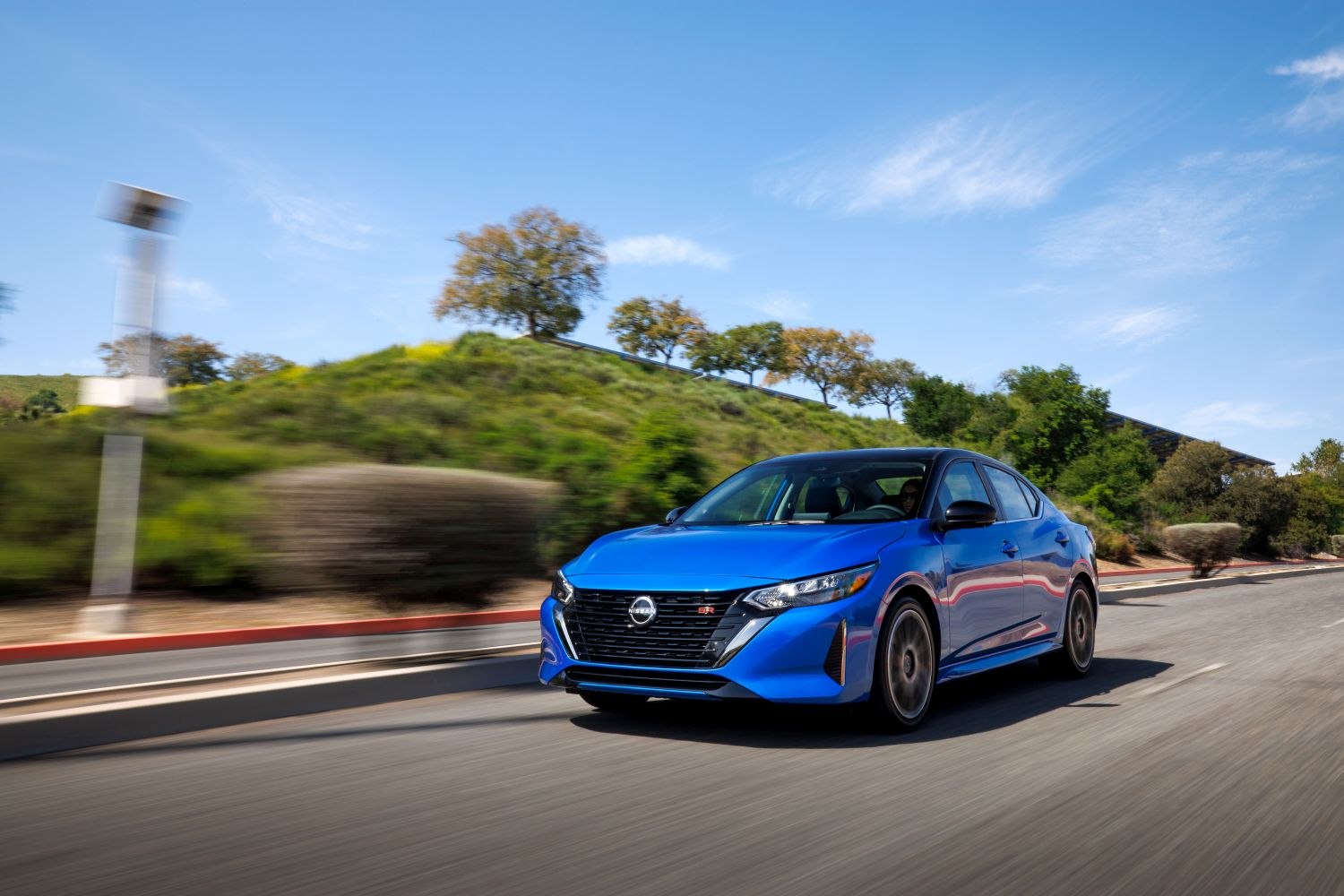
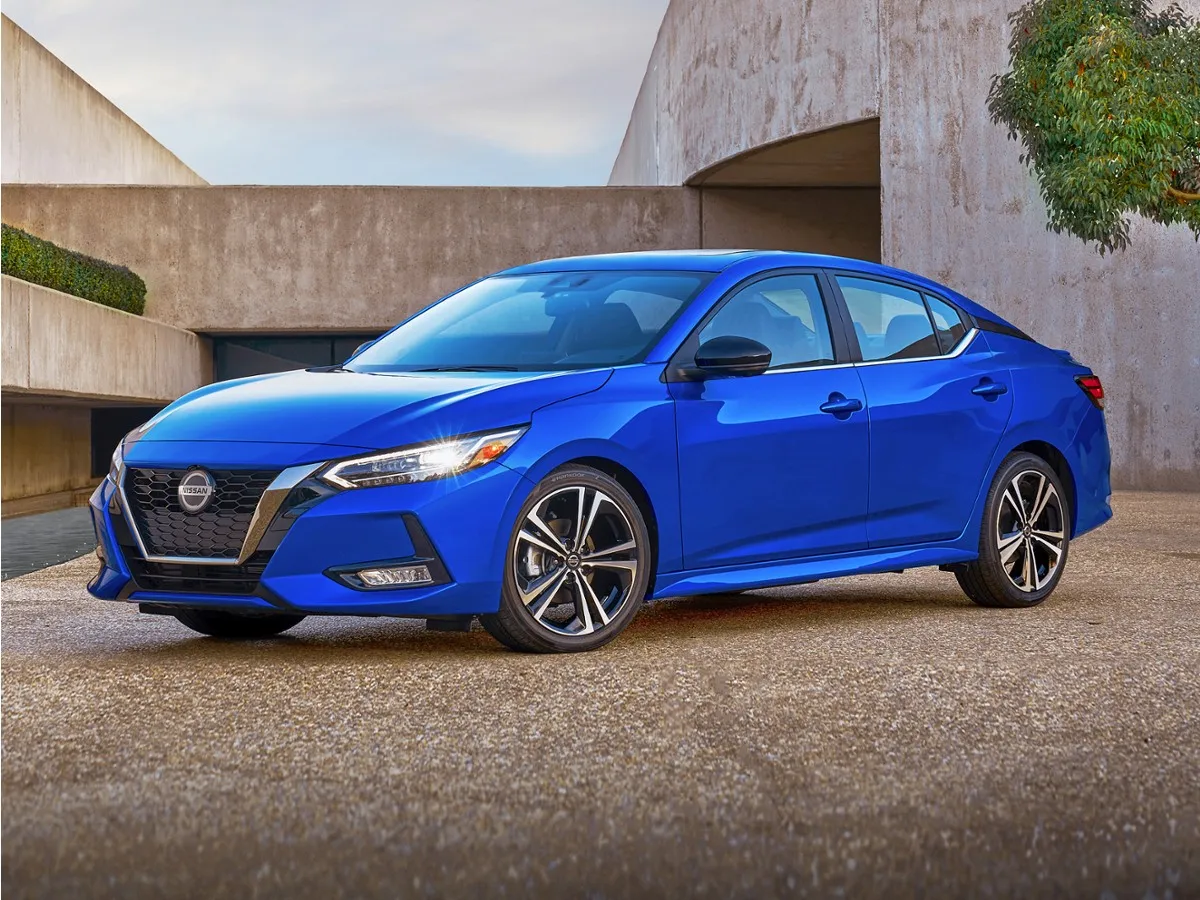
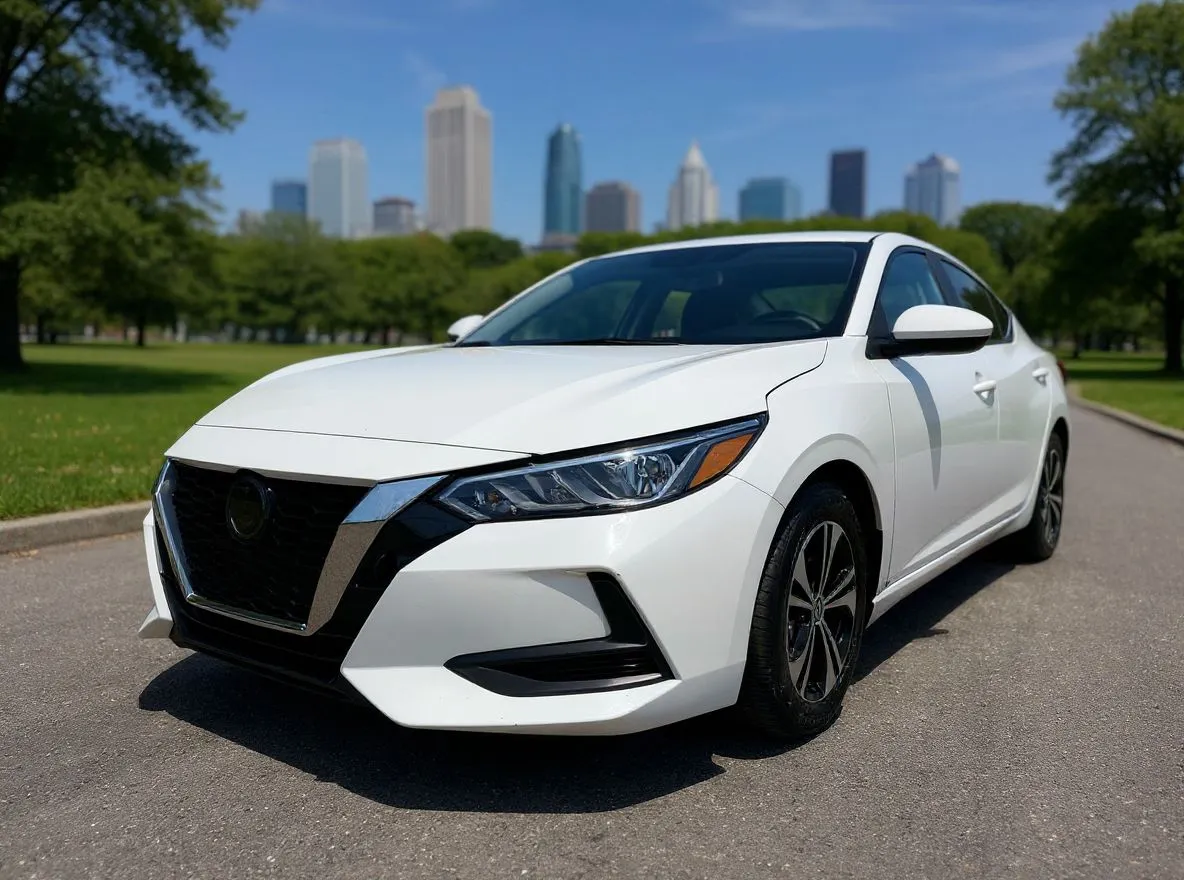
The 2023 Nissan Sentra delivers a standard 149 horsepower and 146 lb-ft of torque. This power is generated by a 2.0-liter, Direct Injection Gasoline (DIG) DOHC 16-valve 4-cylinder engine, which is paired exclusively with an Xtronic Continuously Variable Transmission (CVT) across all trim levels (S, SV, and SR).
While the compact sedan segment has shifted significantly by 2026, the 2023 Nissan Sentra remains a benchmark for drivers seeking a balance between daily drivability and fuel efficiency. Understanding the horsepower of the 2023 Sentra requires looking beyond the raw numbers and examining how Nissan’s engineering choices—from engine displacement to transmission tuning—affect the real-world driving experience.
The Heart of the Sentra: The 2.0L MR20DD Engine
At the core of the 2023 Nissan Sentra is the MR20DD engine. This 2.0-liter naturally aspirated four-cylinder was a significant step up from the 1.8-liter engines found in previous generations of the Sentra. By increasing displacement and refining the internal architecture, Nissan provided a 20% increase in horsepower and a 17% increase in torque compared to the 2019 model year.
Direct Injection Gasoline (DIG) Technology
The "DIG" in the engine description refers to Direct Injection Gasoline. Unlike older port injection systems, direct injection sprays fuel at high pressure directly into the combustion chamber. This allows for a more precise fuel-air mixture, higher compression ratios, and improved thermal efficiency. In the 2023 Sentra, this technology is a primary reason the vehicle can achieve 149 horsepower without the need for a turbocharger, which adds complexity and cost.
Dual Overhead Cam (DOHC) and Valve Timing
The engine utilizes a Double Overhead Camshaft (DOHC) configuration with 16 valves (four per cylinder). This setup is enhanced by Twin Continuously Variable Valve Timing Control (CVTCS) on both intake and exhaust valves. This system adjusts the timing of the valve opening and closing based on engine speed and load. At lower speeds, it optimizes for torque and fuel economy; at higher RPMs, it shifts to maximize airflow for peak horsepower.
Transmission and Power Delivery: The Xtronic CVT
Horsepower is only as effective as the transmission that sends it to the wheels. For 2023, the Sentra utilized the latest generation of the Xtronic CVT. In the past, CVTs were often criticized for a "rubber band" feel—a disconnected sensation between engine RPM and vehicle speed.
D-Step Logic Control
To combat the traditional complaints regarding CVTs, Nissan programmed the 2023 Sentra with D-Step Logic Control. This software simulates traditional gear shifts under heavy acceleration. When you floor the accelerator to merge onto a highway, the CVT will hold specific ratios and "drop" them to mimic the feel of a conventional automatic. This doesn't increase the 149 horsepower, but it does make the power feel more linear and predictable to the driver.
Front-Wheel Drive Dynamics
The 2023 Nissan Sentra is strictly a Front-Wheel Drive (FWD) vehicle. While some competitors in the compact class began offering All-Wheel Drive (AWD), Nissan opted to keep the Sentra FWD to maximize fuel efficiency and keep the curb weight low. With a curb weight ranging from approximately 3,036 to 3,084 pounds depending on the trim, 149 horsepower is sufficient for a power-to-weight ratio that feels energetic in city traffic.
Comparative Performance: How the Sentra Stands Up
In the competitive landscape of 2023 compact sedans, the Sentra's 149 horsepower placed it firmly in the middle of the pack. It was designed to compete with the base engines of the Honda Civic, Toyota Corolla, and Hyundai Elantra.
| Feature | 2023 Nissan Sentra | 2023 Toyota Corolla | 2023 Honda Civic (Base) | 2023 Hyundai Elantra |
|---|---|---|---|---|
| Engine Type | 2.0L 4-Cylinder | 2.0L 4-Cylinder | 2.0L 4-Cylinder | 2.0L 4-Cylinder |
| Horsepower | 149 hp | 169 hp | 158 hp | 147 hp |
| Torque | 146 lb-ft | 151 lb-ft | 138 lb-ft | 132 lb-ft |
| Transmission | CVT | CVT | CVT | IVT (CVT) |
| EPA Combined MPG | 33 MPG | 35 MPG | 33 MPG | 34 MPG |
As seen in the data, the Sentra was slightly outpowered by the Toyota Corolla’s standard 2.0L engine, but it offered significantly more torque than the base Honda Civic and the Hyundai Elantra. Torque is arguably more important for daily commuting, as it represents the "pulling power" used when pulling away from a stoplight or climbing a hill.
Fuel Efficiency vs. Performance
A major factor in Nissan's decision to cap the Sentra at 149 horsepower was the pursuit of fuel economy. For the 2023 model year, the Sentra achieved an EPA-estimated 29 mpg city, 39 mpg highway, and 33 mpg combined for the S and SV trims. The SR trim, which features slightly different aerodynamics and larger wheels, saw a minor dip to 28 city / 37 highway / 32 combined.
Active Grille Shutters
To maximize the efficiency of its 149-hp engine, the 2023 Sentra features Active Grille Shutters. These shutters automatically close at higher speeds to reduce aerodynamic drag, allowing the engine to work less to maintain highway speeds. This technology ensures that even though the engine is relatively small, it doesn't have to fight against wind resistance as much as older designs did.
Eco Mode and Drive Modes
The Sentra includes an Eco Mode, which remaps the throttle response and adjusts the CVT's behavior to prioritize fuel savings over acceleration. While this makes the car feel less powerful, it helps drivers achieve the upper end of the EPA's fuel economy estimates. Conversely, there is no dedicated "Sport" button on the dash that increases horsepower, but shifting the transmission into "Sport" (located on the gear selector) will hold higher RPMs to keep the engine closer to its 6,400 RPM horsepower peak.
Trim Levels and Mechanical Consistency
One of the unique aspects of the 2023 Nissan Sentra was the mechanical consistency across its three trim levels. Whether you purchased the entry-level S, the mid-tier SV, or the sporty SR, the horsepower remained exactly the same.
- Sentra S: The base model focused on value. It featured 16-inch steel wheels, which are lighter than alloys, occasionally providing a very slight (though negligible) advantage in rotational mass.
- Sentra SV: The most popular trim, adding 16-inch alloy wheels and better interior tech. The weight increase was minimal, maintaining the performance feel of the S.
- Sentra SR: While the SR (Sport Rally) trim looks much faster due to its rear spoiler, 18-inch alloy wheels, and dark chrome accents, it uses the same 149-hp engine. The primary performance difference in the SR is the handling, thanks to the larger tires providing a wider contact patch with the road.
Real-World Acceleration and Speed
For those wondering what 149 horsepower looks like in practice, the 2023 Nissan Sentra typically records a 0-60 mph time of approximately 8.8 to 9.2 seconds.
This is not "fast" by modern performance standards, but it is competitive for the economy car segment. The engine is tuned for a robust "low-end," meaning it feels punchy when moving from 0 to 40 mph—the range most common for city driving. On the highway, passing maneuvers (accelerating from 50 to 70 mph) require a bit more planning, as the CVT takes a moment to adjust the ratios for maximum power.
Suspension and Handling
Horsepower is balanced by the 2023 Sentra's chassis. Unlike many of its competitors that used a cheaper torsion beam rear suspension, the Sentra utilized an independent multi-link rear suspension. This allowed the car to handle the 149 horsepower with more grace, providing better stability through corners and a more refined ride quality that made the car feel more expensive than its spec sheet suggested.
Longevity and Maintenance of the 2.0L Powertrain
Looking back from 2026, the 2.0L engine in the 2023 Sentra has proven to be a reliable unit, provided maintenance schedules are followed. Because the engine is not turbocharged, it operates at lower internal pressures and temperatures than many modern "downsized" engines.
- Oil Requirements: The engine requires 0W-20 synthetic oil, which aids in reducing internal friction and helping the engine reach its peak horsepower efficiency.
- CVT Maintenance: To preserve the power delivery, Nissan technicians generally recommend a CVT fluid exchange every 30,000 to 60,000 miles, depending on driving conditions. A slipping CVT will significantly degrade the effective horsepower reaching the wheels.
- Direct Injection Cleaning: Like all direct-injected engines, the 2023 Sentra can be prone to carbon buildup on the intake valves over long periods (75,000+ miles). Periodic use of high-quality fuel and specialized intake cleaners helps maintain the original 149-hp rating.
Frequently Asked Questions
Does the 2023 Nissan Sentra have a turbo?
No, the 2023 Nissan Sentra uses a naturally aspirated 2.0-liter 4-cylinder engine. Nissan chose this path to prioritize long-term reliability and fuel economy over the high-end power a turbocharger would provide. This results in a more linear power delivery without the "turbo lag" found in some competitors.
Is 149 horsepower enough for the highway?
Yes, 149 horsepower is sufficient for standard highway driving, merging, and maintaining speeds of 70-80 mph. While it is not a high-performance vehicle, the Sentra's aerodynamic design (0.27 drag coefficient) helps it maintain highway speeds efficiently. Drivers should simply allow for a slightly longer distance when overtaking slower vehicles compared to a more powerful sports sedan.
Can I increase the horsepower of my 2023 Sentra?
While aftermarket parts like cold air intakes or exhaust systems exist, they provide very minimal gains (usually 2-5 hp) on a naturally aspirated engine like the Sentra's 2.0L. Significant increases would require expensive modifications like a custom turbo kit or ECU remapping, which would likely void the vehicle's warranty and compromise the CVT’s longevity.
Why does the SR trim not have more horsepower?
The SR trim is a "sport appearance" and handling package rather than a mechanical performance upgrade. Nissan designed the 2023 Sentra to be an affordable, efficient commuter. Adding a higher-output engine to the SR trim would have increased the price point, moving it out of the "value" category where the Sentra competes most effectively.
How does the Sentra's power compare to the Altima?
The 2023 Nissan Altima (the next size up) starts with a 2.5-liter engine producing 188 horsepower. While the Altima has more power, it is also a larger and heavier vehicle. The Sentra’s 149 horsepower feels comparable in city driving because the car is smaller and more nimble.
Final Recommendation for Buyers
If you are evaluating the 2023 Nissan Sentra today, you should view its 149 horsepower as a tool for efficiency rather than speed. For the average commuter, this engine provides a smooth, quiet, and predictable experience. If your priority is a low cost of ownership and high fuel economy without the complexity of a hybrid or a turbocharger, the 2023 Sentra's powertrain is an excellent choice. However, if you frequently drive in mountainous terrain with a full load of passengers, you may find the power adequate but not abundant. Always ensure the CVT fluid has been serviced to keep the power delivery as crisp as it was when the car left the showroom.