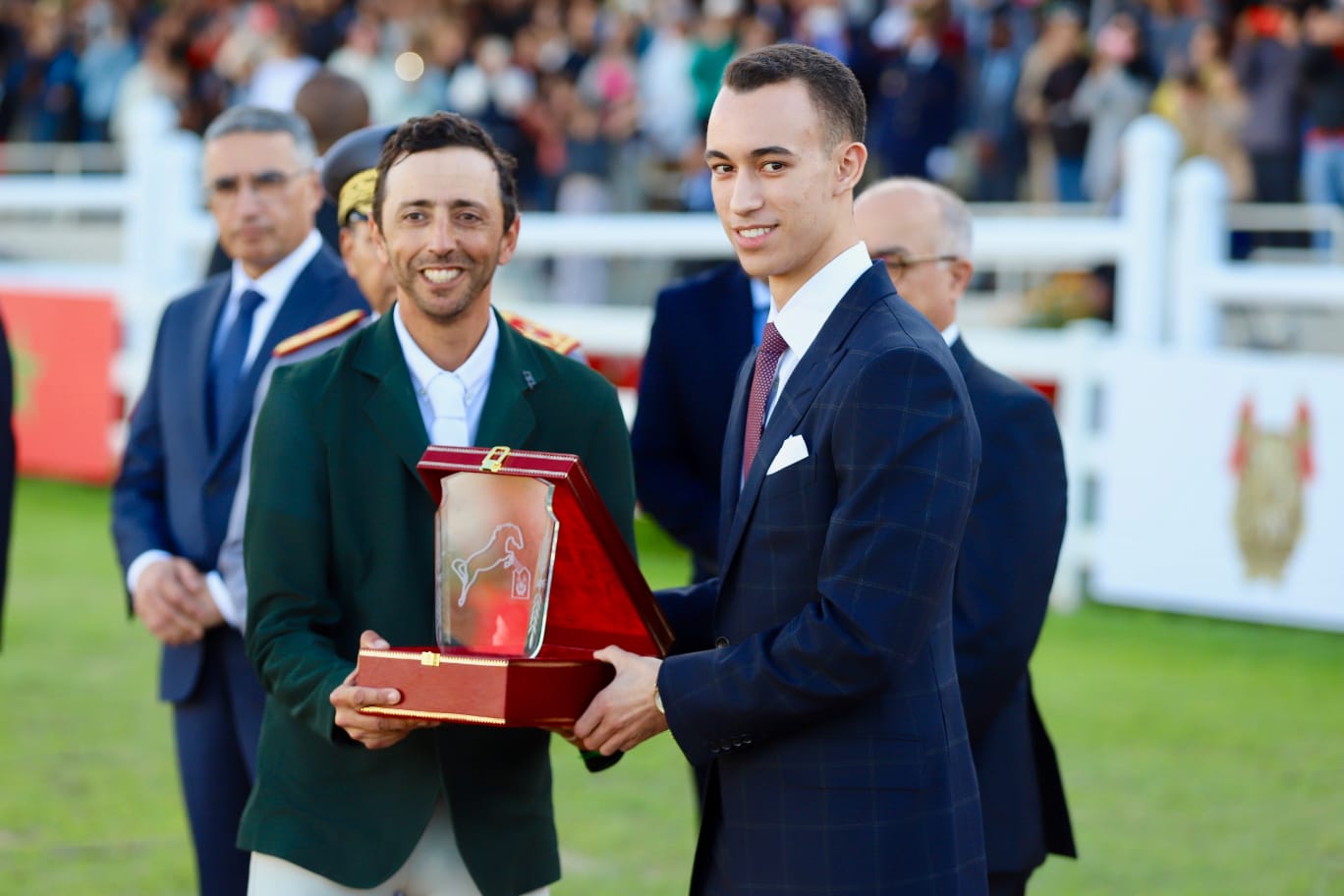
Estimating the net worth of Crown Prince Moulay Hassan of Morocco involves separating personal private assets from sovereign royal holdings, trust structures, and state-owned enterprises managed by the Moroccan royal family. While tabloid estimates often conflate national wealth with personal fortunes, a factual analysis of the 2020 period highlights a portfolio anchored in holding companies like Siger, agricultural enterprises, and historical real estate assets tied to the Alaouite dynasty.
Introduction to Royal Wealth Dynamics in Morocco
Analyzing the financial standing of members of the Moroccan royal family requires a fundamental understanding of how state assets and private royal wealth intersect. Crown Prince Moulay Hassan, born in May 2003, is the heir apparent to the throne of Morocco. By virtue of his lineage and constitutional position, his financial status has been a subject of public curiosity, speculation, and media estimation over the years, particularly entering the 2020s.
When examining wealth figures cited around 2020, it is vital to distinguish between liquid personal cash, personal real estate holdings, and the vast commercial empire controlled by the royal holding company, Siger. Royal finances in Morocco do not operate under the same transparency rules as corporate entities or public officials in Western democracies. The monarch and immediate royal family hold stakes in major sectors of the Moroccan economy, including banking, telecommunications, agriculture, distribution, and mining. Consequently, attributing a specific net worth figure to a minor or young royal like Crown Prince Moulay Hassan often involves generalized calculations derived from family asset shares rather than audited personal bank statements.
The Role of Siger Holding and Corporate Investments
The primary engine behind the wealth attributed to the Moroccan royal family—and by extension, heirs like Moulay Hassan—is Siger. Siger is a private holding company that manages the royal family’s substantial commercial investments across multiple domestic and international markets.
Key Sectors Managed by Royal Holdings
- Banking and Finance: Significant historical and ongoing equity participation in major Moroccan financial institutions, such as Attijariwafa Bank, which operations extend across several North and West African nations.
- Agribusiness: Extensive agricultural landholdings and production companies, notably Les Domaines Agricoles (formerly Domaines Royales), which command a major share of Morocco's citrus, dairy, and agricultural export markets.
- Distribution and Retail: Investments in large-scale retail and hypermarket joint ventures that dictate substantial portions of domestic consumer spending.
- Mining: Strategic stakes in mining conglomerates, particularly through companies operating in phosphate and other mineral extractions vital to the national economy.
While King Mohammed VI remains the primary beneficiary and decision-maker regarding these corporate holdings, succession planning and royal family trusts mean that future heirs hold beneficial interests in these commercial structures. Media reports and financial analysts tracking these assets around 2020 frequently cited multibillion-dollar valuations for the overarching royal portfolio, though parsing what belongs specifically to individual family members remains speculative.
Real Estate and Historical Assets
In addition to corporate equities, the Moroccan royal family maintains an extensive portfolio of palaces, residences, and historical land grants across the country. These properties serve both administrative and residential functions.
- Royal Palaces: Residences in Rabat, Casablanca, Fez, Marrakech, Tangier, and Ifrane are maintained by the state budget for official duties, yet they represent immense architectural and historical value.
- Private Estates: Apart from official state-maintained palaces, members of the royal family own private villas, coastal properties, and agricultural land parcels acquired through private transactions over generations.
- International Properties: Historical acquisitions in France, including residential properties in Paris and rural estates, contribute to the global footprint of the family's real estate holdings.
For Crown Prince Moulay Hassan, his connection to these properties is primarily residential and titular during his youth and education. Direct personal ownership of these international and domestic parcels is managed via complex legal trusts and family holding entities rather than individual deeds.
Media Estimates vs. Verified Financial Realities
Public estimates regarding the net worth of global royals often rely on a mix of extrapolation, historical asset valuation, and generalized assumptions. During the 2020 timeframe, various international publications—such as business magazines and financial blogs—attempted to quantify the wealth of the Moroccan royal family, frequently placing aggregate household assets in the billions of dollars.
However, financial journalists and economic analysts emphasize several critical caveats when evaluating these figures:
- Institutional vs. Personal Assets: Many palaces and historical artifacts are considered state property or inalienable national heritage rather than liquid personal wealth that can be bought or sold by an individual royal.
- Lack of Public Disclosures: Because Siger is a private holding company and royal finances are exempt from standard public financial disclosure laws in Morocco, precise asset valuations, debt encumbrances, and revenue distributions are not publicly audited.
- Collective Family Wealth: Attributing a specific portion of the overarching family wealth to Crown Prince Moulay Hassan in 2020 assumes an equal or predetermined division of trust assets that are legally bound to the continuous operation of the reigning monarchy.
Comparison of Royal Wealth Structures
To understand how Moroccan royal assets compare to broader financial frameworks, it helps to examine the structural differences between sovereign-linked wealth and private entrepreneurial fortunes.
| Wealth Category | Description | Transparency Level | Primary Control Mechanism |
|---|---|---|---|
| Sovereign Assets | Palaces, historical lands, and state-funded administrative properties. | Low (Maintained via national civil list / state budgets) | State Ministries & Royal Household Administration |
| Private Holding Companies | Commercial equity in banking, retail, mining, and agriculture (e.g., Siger). | Low (Private corporate entities) | Appointed Directors and Royal Trustees |
| Personal Liquid Wealth | Individual bank accounts, personal vehicles, and discretionary funds. | None (Strictly private) | Individual Family Members / Trustees |
Frequently Asked Questions
What was Crown Prince Moulay Hassan's net worth in 2020?
There is no official or verified figure for Crown Prince Moulay Hassan's personal net worth in 2020. While media outlets frequently linked him to the broader multibillion-dollar estimates of the Moroccan royal family's collective holdings, individual assets for minor or young royals are not publicly disclosed.
Does Crown Prince Moulay Hassan own businesses directly?
Direct personal ownership of commercial enterprises is typically managed through family holding companies like Siger rather than individual portfolios. As heir apparent, his financial interests are tied to these centralized family trusts and corporate entities.
How is the Moroccan royal family's wealth generated?
The wealth stems primarily from historical land grants, agricultural production through companies like Les Domaines Agricoles, and strategic equity stakes in major Moroccan banks, telecommunications, and industrial sectors.
Are royal assets in Morocco considered public property?
Some assets, such as official royal residences and administrative palaces, are maintained via the state budget. However, the commercial investments managed through holding companies are private assets owned by the royal family.
Practical Takeaways and Next Actions
When researching royal finances or economic indicators tied to political figures in monarchies, it is essential to rely on verified corporate registries where available and to treat tabloid or speculative net worth lists with caution. For readers seeking deeper economic analysis of Morocco, consulting official reports from the World Bank, the Moroccan central bank (Bank Al-Maghrib), or recognized financial periodicals provides a clearer picture of the nation's broader macroeconomic environment rather than focused individual estimations.