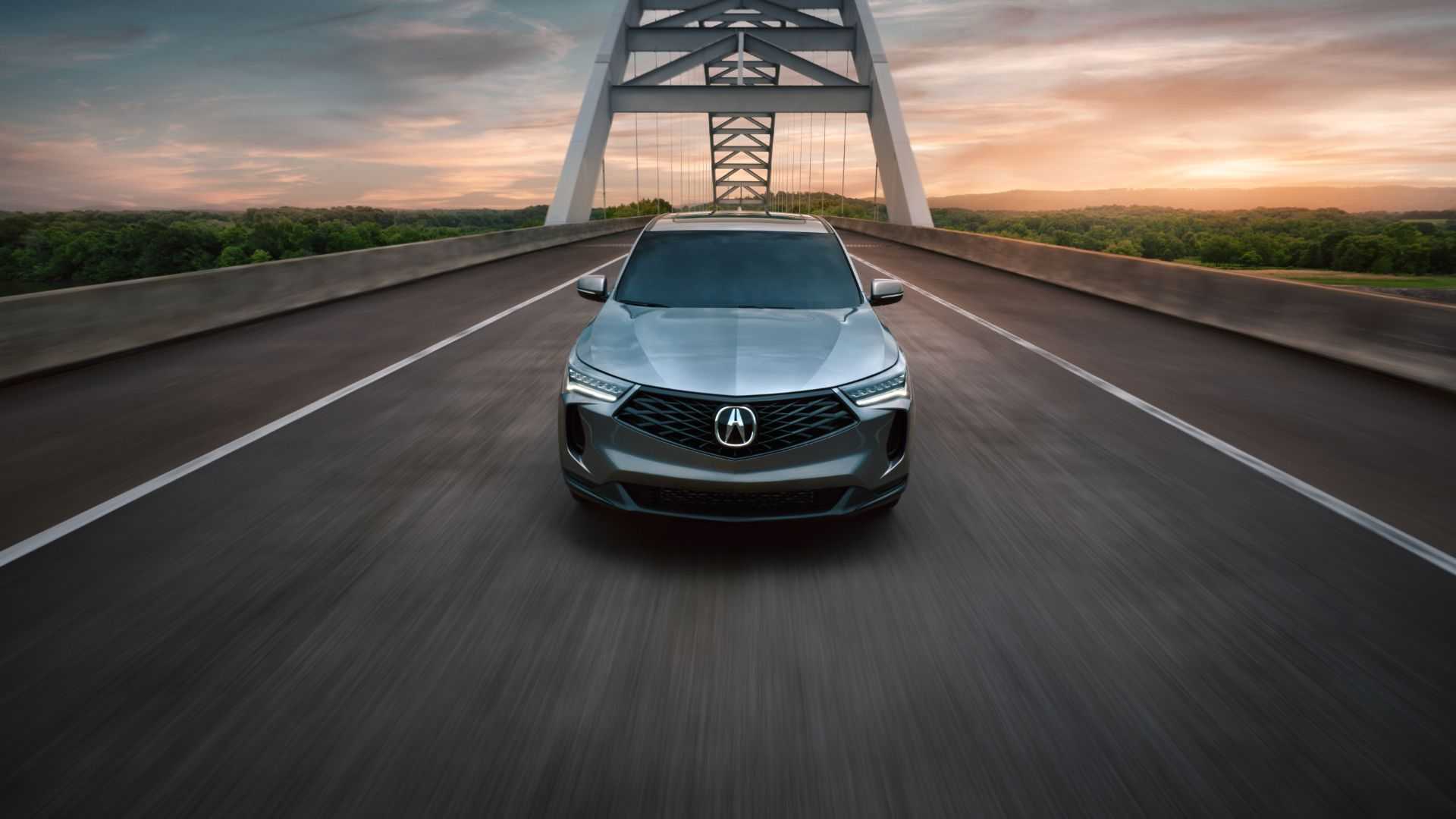
The 2019 Acura RDX was subject to several safety-related recalls issued by the National Highway Traffic Safety Administration (NHTSA) to address manufacturing defects in critical systems, including the fuel pump, braking system, and electrical components. Owners should verify their vehicle’s status by inputting their 17-digit Vehicle Identification Number (VIN) into the official Acura recall portal to determine if specific repairs are outstanding.
Understanding the recall landscape for the 2019 Acura RDX requires a technical look at how automotive manufacturers address systemic faults. When a manufacturer identifies a defect that poses an unreasonable risk to motor vehicle safety or fails to comply with Federal Motor Vehicle Safety Standards (FMVSS), they are legally obligated to notify the NHTSA and vehicle owners. For the 2019 RDX, these recalls vary from minor electrical software updates to significant hardware replacements. Because the 2019 model year marked a complete redesign for the RDX, it was subject to a higher frequency of early-production-run technical service bulletins and safety recalls compared to mature model cycles.
Understanding the Importance of Recall Verification
Safety recalls are not merely suggestions; they are critical maintenance tasks designed to prevent catastrophic failure. A common misconception among vehicle owners is that a recall will result in an immediate mechanical breakdown; however, many recalls are preventative, intended to mitigate risks that could emerge under specific driving conditions or as a vehicle ages.
By 2026, many 2019 Acura RDX units have passed through multiple owners. This change in ownership often leads to missed notification letters from the manufacturer. Because safety recalls are tied to the vehicle's VIN rather than the registered owner, a recall remains "open" regardless of how many times the vehicle has been sold. Failing to address these issues can impact vehicle safety, resale value, and, in some cases, the ability to pass mandatory state inspections.
Key Recall Categories for the 2019 Acura RDX
While several campaigns have been issued, the 2019 Acura RDX has been primarily affected by issues related to fuel delivery, braking performance, and dashboard instrumentation. The following breakdown categorizes the nature of these concerns based on official NHTSA documentation.
Fuel Pump Module Failure
One of the most widespread issues involved the low-pressure fuel pump inside the fuel tank. The impellers in these pumps were manufactured with a material that could deform over time. In high-temperature environments or extended engine operation, this deformation could lead to fuel pump failure. A failed fuel pump results in the engine stalling while driving, which creates a significant safety hazard, particularly at highway speeds. The remedy for this recall involved the replacement of the fuel pump assembly with an updated component designed to withstand fuel exposure without deformation.
Brake System and Master Cylinder
A separate recall affected the braking system, specifically involving the possibility of a damaged master cylinder seal. In certain instances, this seal could leak, potentially allowing brake fluid to enter the brake booster. If the seal fails, the vehicle may experience a soft brake pedal feel or reduced braking efficacy. Given the complexity of the 2019 RDX’s brake-by-wire system, maintaining hydraulic integrity is paramount. Repairs for this issue involve inspecting the master cylinder for leaks and replacing it if damage is detected.
Instrument Cluster and Software
Software-related recalls have also been common for this model year, particularly regarding the Multi-Information Display (MID) and the center console interface. Some updates were issued to correct errors where the rearview camera display would fail to initialize or the instrument cluster would become unresponsive. While these may seem like convenience issues, they are classified as safety concerns because they affect the driver's ability to monitor vehicle vitals and operate the vehicle safely in reverse.
Comparative Overview of Common 2019 RDX Recalls
The following table provides a high-level view of the types of recalls often associated with the 2019 Acura RDX. Owners should consult their specific VIN to confirm which of these, if any, apply to their vehicle.
| Recall Component | Primary Hazard | Typical Remedy |
|---|---|---|
| Fuel Pump | Engine stall while driving | Replace fuel pump assembly |
| Brake Master Cylinder | Reduced braking performance | Inspect and replace master cylinder |
| Instrument Cluster | Loss of driver information display | Software update or unit replacement |
| Airbag Inflator | Improper deployment in a crash | Replace airbag module |
| Electrical Connector | Potential for intermittent connection | Inspect and repair harness |
How to Check and Act on Outstanding Recalls
To address a potential recall, owners must follow a systematic process. The process is standardized across all Acura dealerships in the United States.
- Locate Your VIN: Your 17-character Vehicle Identification Number is located on the driver’s side dashboard near the windshield, on the driver’s side door jamb, or on your vehicle registration documentation.
- Access the Official Search Tool: Visit the official Acura recall lookup website or the NHTSA’s national database (nhtsa.gov/recalls). These sites are the only authoritative sources for recall status.
- Interpret the Results: If your vehicle is affected, the system will state "Recall Incomplete" or "Remedy Not Yet Available." If no recalls are listed, your vehicle is either not affected or has already had all applicable recalls performed.
- Schedule the Repair: Once a recall is identified, contact your local authorized Acura dealer. Recalls are performed free of charge at any authorized dealership, regardless of where the vehicle was purchased.
- Verify Completion: Upon service completion, the dealership will provide documentation. Keep this in your permanent vehicle records, as it serves as proof of compliance for future resale.
Prerequisites and Limitations
When preparing to have your 2019 Acura RDX serviced for a recall, there are several practical considerations to keep in mind.
- Dealership Scheduling: Because parts availability can vary, always call the service department ahead of time to confirm the specific parts for your recall are in stock. Do not simply show up without an appointment, as the dealer may not be able to perform the work immediately.
- Loaner Vehicles: Acura policy regarding loaner vehicles during recall repairs varies by dealership. While the repair is free, a loaner car is typically provided at the dealer’s discretion or based on the expected duration of the service.
- Safety Priority: If your vehicle is subject to a recall involving a critical system like the brakes or the fuel pump, minimize your driving until the repair can be performed. If you experience symptoms such as a spongy brake pedal or the engine hesitating, contact a tow service to transport the vehicle to the dealership rather than driving it.
- Third-Party Shops: Safety recalls must be performed by an authorized Acura dealer. Independent mechanics, while capable of general maintenance, cannot legally perform safety recall work that involves manufacturer-mandated reporting to the NHTSA.
Frequently Asked Questions
Does a recall ever expire? No, safety recalls do not expire. Even if your 2019 Acura RDX is well out of its factory warranty, the manufacturer is still required to perform the necessary safety recall repairs free of charge.
Can I get reimbursed if I already paid for a repair related to a recall? In many cases, yes. If you paid for a repair out-of-pocket that later became the subject of an official safety recall, Acura may reimburse you. You will need to provide the original repair invoice and proof of payment to your local dealer or contact Acura Client Relations to initiate a reimbursement request.
Why does my VIN show a recall that I already had fixed? Occasionally, there is a delay in updating the centralized database. If you have documentation proving the work was done, present that to the dealer. They can update the system to show the recall as satisfied.
What should I do if the dealer says there is no remedy yet? This indicates that the manufacturer has identified the problem but has not yet finalized or distributed the necessary parts or software to dealerships. In this situation, the dealer will typically add you to a notification list and contact you as soon as the parts become available. Keep your contact information updated with Acura to ensure you receive this notification.
Is there a cost for recall repairs? Safety recalls are mandated by the federal government and are performed free of charge by the manufacturer. You should never be billed for labor or parts related to a safety recall. If a service advisor suggests otherwise, ask to speak with the service manager.
Practical Recommendations for 2019 RDX Owners
To maintain the safety and reliability of your 2019 Acura RDX, treat recall maintenance as a priority rather than a task to be delayed. The most effective way to stay informed is to register your vehicle on the Acura Owners website. By registering, you ensure that any future recall notifications are sent directly to your email or mailing address.
When buying a used 2019 RDX, always perform a VIN check before completing the purchase. This allows you to negotiate the price if significant recall work is outstanding or to ensure that the previous owner has maintained the vehicle properly. By staying proactive, you preserve the structural and mechanical integrity of your SUV, ensuring it remains a safe and reliable vehicle for your daily transportation needs.