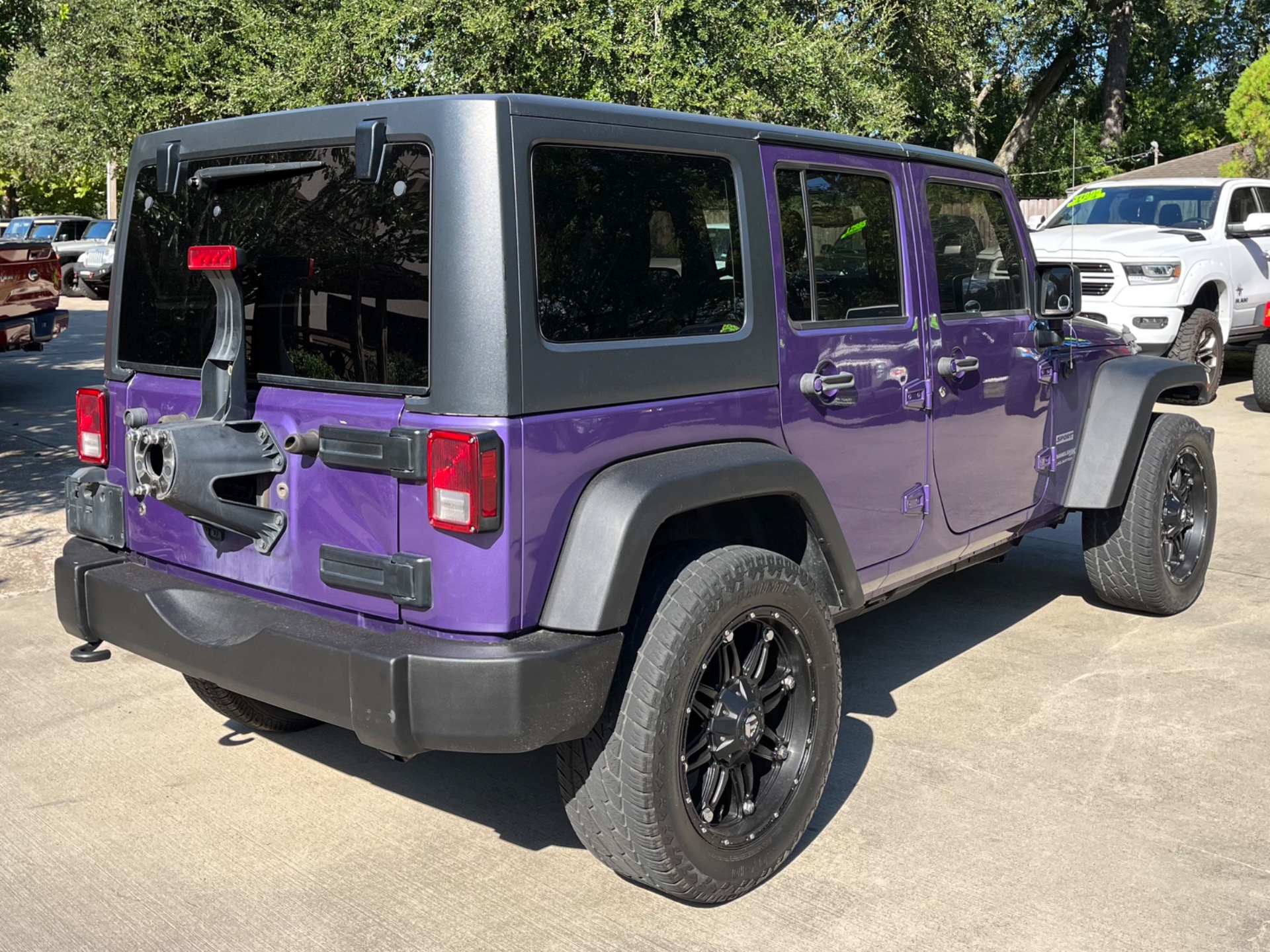
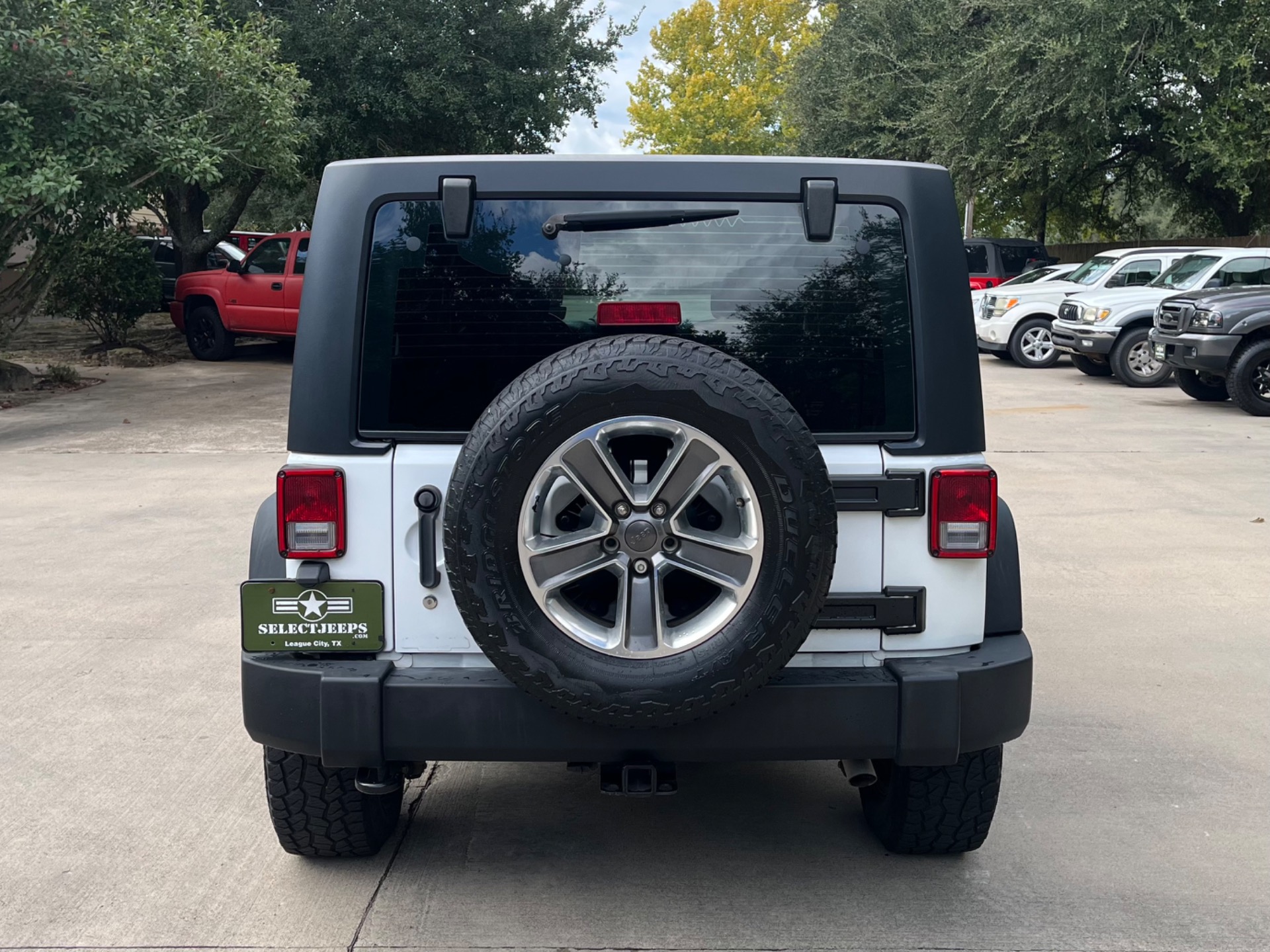
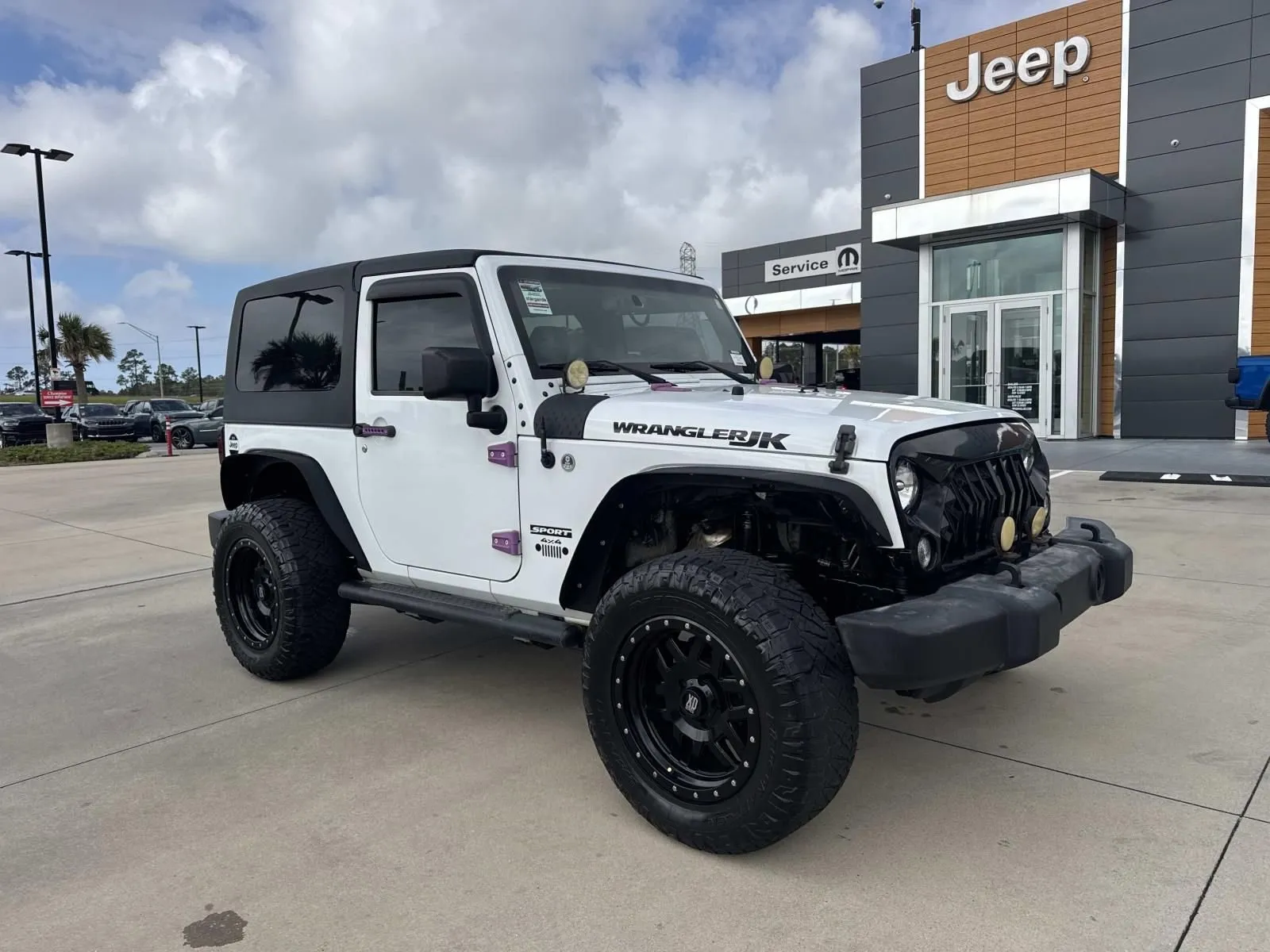
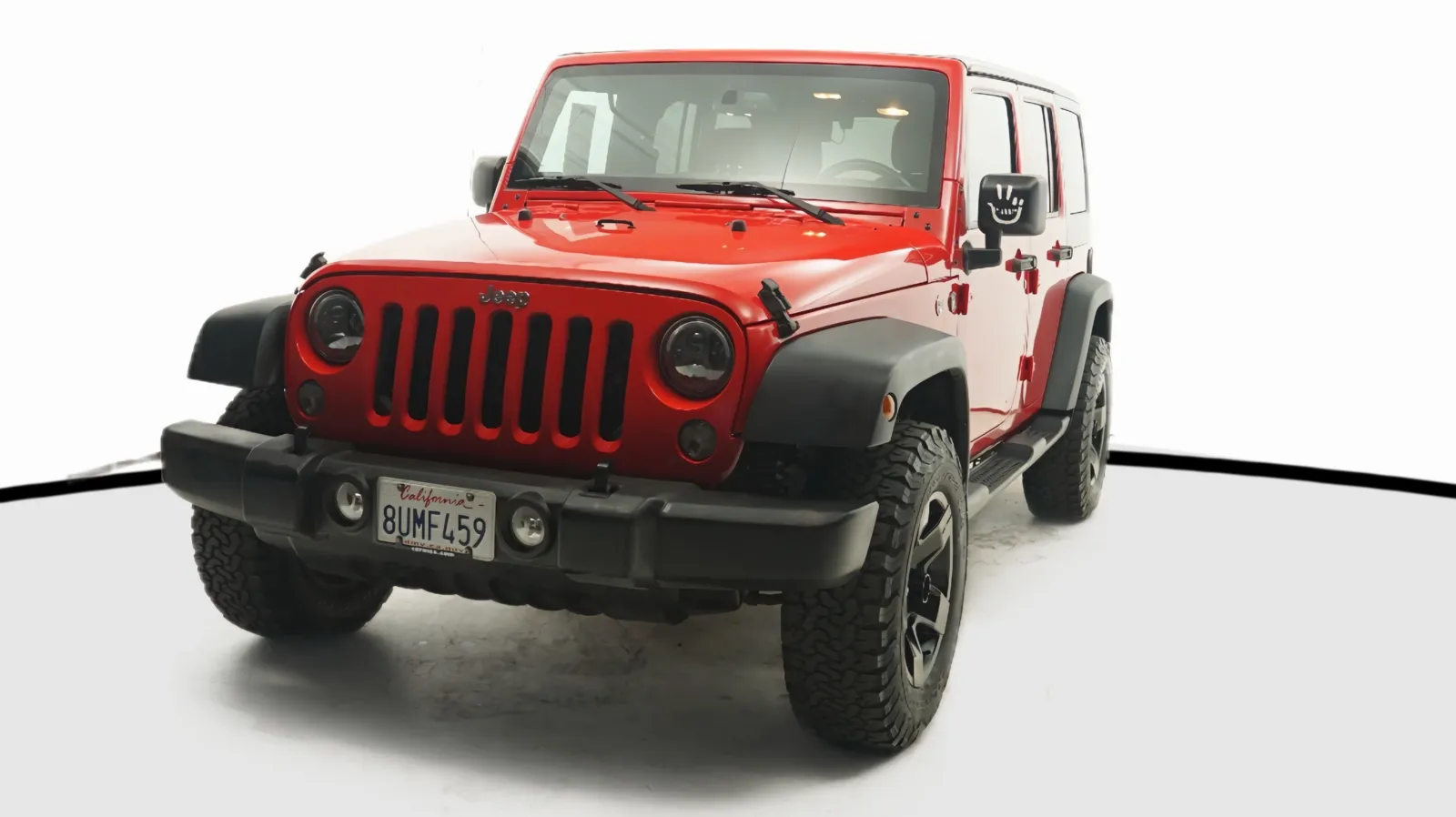
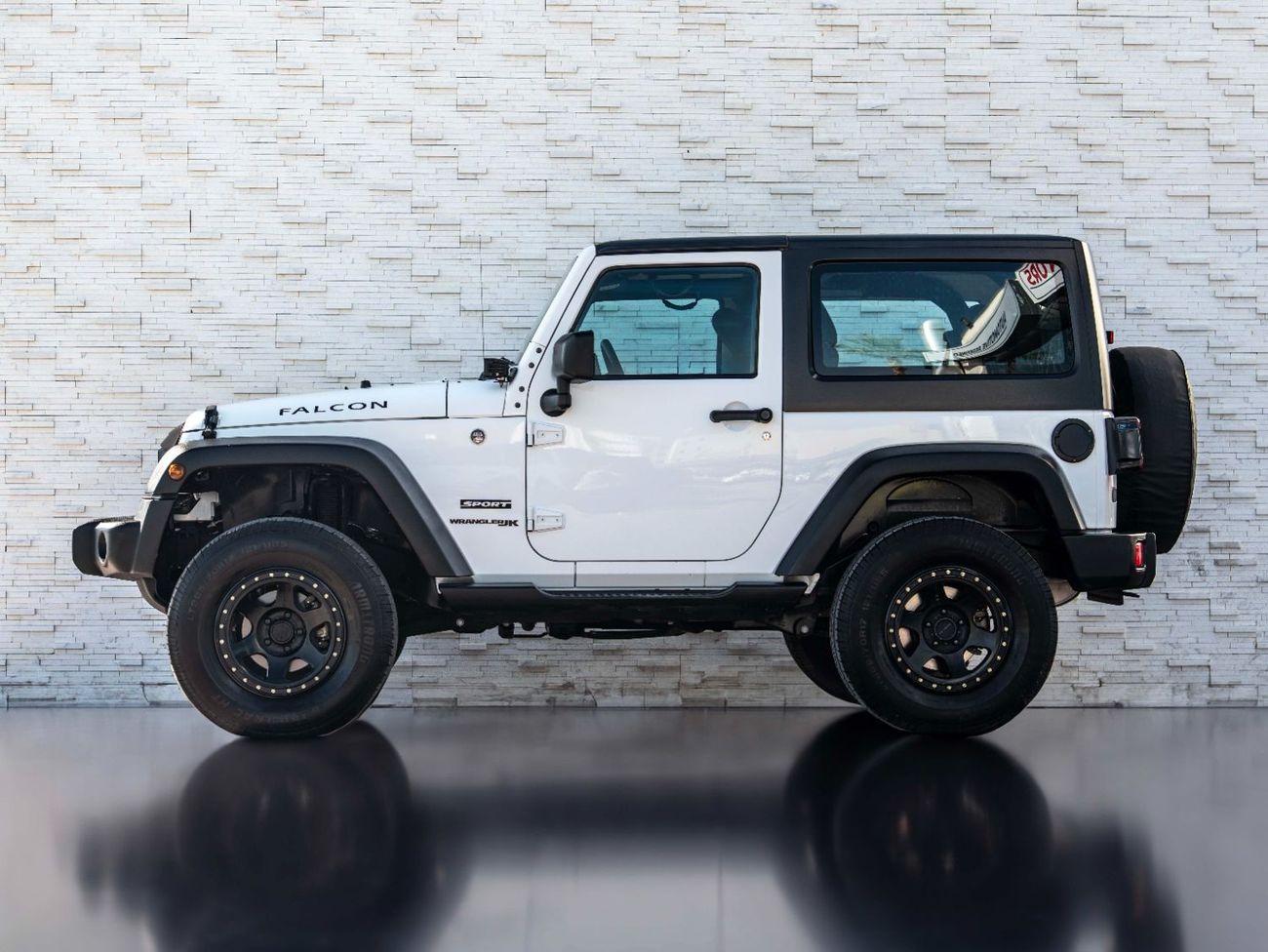
The 2018 Jeep Wrangler JK Sport represents a unique crossover year in automotive history, bridging the legacy of the traditional third-generation Wrangler and the dawn of the modern JL platform. As an entry-level trim for the final year of the JK production run, the Sport combines raw mechanical simplicity, iconic body styling, and a proven powertrain, making it a highly sought-after vehicle for both daily driving and off-road customization.
Introduction to the Final JK Era
When Fiat Chrysler Automobiles (FCA) prepared to launch the redesigned JL generation for the 2018 model year, they made the strategic decision to continue building the previous-generation JK Wrangler concurrently for several months. This overlap resulted in the 2018 Jeep Wrangler JK Sport, a vehicle that offers enthusiasts the classic mechanical architecture, timeless dashboard layout, and straightforward utility that defined the brand for over a decade.
Understanding this specific model requires evaluating how it differs from its successor, what features came standard, and how its mechanical layout influences its long-term reliability, aftermarket support, and market value. Whether you are looking to purchase a used example or maintain an existing one, parsing the details of the JK Sport helps clarify its place in the modern automotive landscape.
Powertrain and Mechanical Specifications
At the heart of the 2018 Jeep Wrangler JK Sport is the enduring 3.6-liter Pentastar V6 engine. This powerplant generates 285 horsepower and 260 lb-ft of torque, providing adequate power for highway cruising, towing, and navigating technical off-road obstacles. The engine is paired with either a standard six-speed manual transmission or an available five-speed automatic transmission. While the automatic unit lacks the extra gears found in modern multi-speed gearboxes, its mechanical design is well-documented, highly durable, and easy to service.
The drivetrain utilizes a Command-Trac part-time four-wheel-drive system featuring a NV241 dual-case transfer case with a 2.72:1 low-range ratio. Power is sent to a Dana 30 solid front axle and a Dana 44 heavy-duty solid rear axle. For the Sport trim, the standard axle gear ratio is typically 3.21:1, though models equipped with the optional Trac-Lok limited-slip differential or manual transmission packages frequently feature a 3.73:1 ratio. The suspension relies on a traditional coil-spring setup with leading arms and a track bar up front, and a multi-link coil setup in the rear, providing the articulation necessary for moderate-to-heavy trail work.
Interior Features, Comfort, and Technology
The cabin of the 2018 Jeep Wrangler JK Sport prioritizes utility and ruggedness over luxury. Because the Sport is the baseline trim, standard interior features are sparse compared to the Sahara or Rubicon variants. Cloth bucket seats, a manually adjustable driver’s seat, and a tilt steering column come standard. Carpeting is standard on most models, though vinyl flooring was available for those prioritizing wash-out practicality.
| Feature Category | Standard Equipment (Sport) | Optional or Upgraded Equipment |
|---|---|---|
| Infotainment | AM/FM radio, 8 speakers, audio jack | Uconnect 430 with 6.5-inch touchscreen, SiriusXM |
| Transmission | 6-speed manual | 5-speed automatic with Hill Descent Control |
| Convenience | Manual windows and door locks | Power Convenience Group (power windows, locks, remote keyless entry) |
| Top Options | Black Sunrider soft top | Freedom Top 3-piece hardtop |
| Wheels/Tires | 16-inch styled steel wheels, on/off-road tires | 17-inch alloy wheels, larger all-terrain tires |
Technology inside the JK Sport is notably analog. While higher trims received advanced touchscreen navigation systems, the base Sport often left the factory with a basic radio interface. However, buyers could select options like the Power Convenience Group to add modern electric door locks and windows, or choose air conditioning if it was not bundled into regional packages. The simplicity of the dashboard makes aftermarket head-unit replacement straightforward, allowing owners to easily upgrade to modern Apple CarPlay and Android Auto systems.
Exterior Styling and Configurations
The exterior of the 2018 JK Sport retains the iconic Jeep silhouette: flat fenders, a vertical seven-slot grille, round headlamps, and an exposed folding windshield frame. Available in both two-door and four-door (Unlimited) configurations, the Sport offers versatility depending on cargo and passenger requirements.
Factory lighting consists of conventional halogen headlamps and incandescent tail lamps, prompting many modern owners to upgrade to aftermarket LED assemblies. The standard top configuration is a manually operated Black Sunrider soft top, which can be folded back or completely removed. A rigid, three-piece fiberglass Freedom Top was available as an extra-cost option, providing better sound insulation and climate control for year-round driving. Bumpers are molded from durable textured black plastic, and recovery hooks—two in the front and one in the rear—come standard on four-wheel-drive models to ensure trail recovery readiness.
Ownership Experience, Maintenance, and Common Issues
Owning a 2018 Jeep Wrangler JK Sport is defined by a balance of high customizability and the inherent compromises of a body-on-frame, solid-axle utility vehicle. Fuel economy is modest, with EPA estimates hovering around 17 mpg city and 21 mpg highway for manual configurations, though larger tires and heavy aftermarket bumpers will reduce these figures significantly.
Common Mechanical Considerations
- Oil Cooler Housing: The 3.6L Pentastar engine utilizes an oil filter adapter and cooler housing constructed from composite plastic, which is prone to cracking and coolant or oil leaks as it ages. Upgraded aluminum aftermarket replacements are common preventative fixes.
- Suspension Wear: The front end utilizes multiple ball joints, track bar bushings, and tie rod ends. High mileage or aggressive off-roading accelerates wear in these components, which can manifest as steering play or "death wobble" if not properly maintained and aligned.
- Water Leaks: Soft tops and removable hardtops require proper seal maintenance. Worn weatherstripping around the door frames and hardtop panels can lead to moisture intrusion during heavy rainfall or automatic car washes.
Aftermarket Support and Customization Potential
One of the primary drivers behind the enduring popularity of the 2018 JK Sport is the unmatched scale of the aftermarket automotive industry supporting it. Because the JK platform ran from 2007 through 2018 (with the JK Sport bridging the final year), virtually every component can be modified, upgraded, or replaced.
Owners frequently start modifications with suspension lifts ranging from 2.5 to 4 inches, allowing for larger 33-inch or 35-inch tires. Re-gearing the differentials (swapping the factory 3.21 gears for 4.10 or 4.56 ratios) is often necessary when installing larger tires to restore proper shift points and engine power bands. Additionally, aftermarket steel bumpers, winch mounts, rock sliders, and skid plates transform a base-model Sport into a highly capable rock-crawling machine.
Comparing the JK Sport to the JL Sport
Buyers evaluating a 2018 model often weigh the JK Sport against the newly introduced 2018 JL Sport. Understanding these differences helps clarify why many buyers intentionally seek out the older JK architecture.
- Chassis and Steering: The JK utilizes a traditional hydraulic recirculating-ball steering system, whereas the JL introduced an electronic power steering setup and a revised frame architecture featuring high-strength steel.
- Engine Options: While both generations utilized the 3.6L Pentastar V6, the JL generation phased in a 2.0-liter turbocharged inline-four and later diesel options, paired with eight-speed automatic transmissions.
- Simplicity and Cost: The JK Sport represents a more mechanically simple vehicle with lower electronic complexity, making it easier for DIY mechanics to service in home garages. Furthermore, used JK Sport models generally command a lower initial purchase price than their JL counterparts.
Frequently Asked Questions
What engine comes in the 2018 Jeep Wrangler JK Sport?
The 2018 Jeep Wrangler JK Sport is powered by a 3.6-liter Pentastar V6 engine producing 285 horsepower and 260 lb-ft of torque. It is mated to either a six-speed manual transmission or a five-speed automatic transmission.
Is the 2018 Jeep Wrangler JK Sport a reliable daily driver?
Yes, it can serve as a dependable daily driver, provided you accept the ride quality and handling characteristics inherent to a solid-axle, body-on-frame SUV. Its fuel economy is moderate, and routine maintenance is straightforward, though wind noise and a firm ride are common traits on long highway commutes.
What is the difference between the JK Sport and the JK Rubicon?
The Sport is the entry-level trim designed for general utility and ease of customization, featuring a standard Command-Trac transfer case, open differentials, and Dana 30 front / Dana 44 rear axles. The Rubicon is a dedicated off-road flagship equipped with electronic locking differentials, a Rock-Trac transfer case with a lower 4:1 crawl ratio, an electronic front sway-bar disconnect, heavy-duty Dana 44 front and rear axles, and larger mud-terrain tires.
Can I remove the doors and top on a 2018 JK Sport?
Yes, like all Wrangler models, the doors can be unbolted and removed, the windshield can be folded down, and the soft top or hardtop can be removed entirely for open-air driving. Basic hand tools are required to remove the Torx fasteners securing the doors and hardtop.
What axle gear ratio does a stock JK Sport have?
Most stock JK Sport models feature a 3.21:1 axle ratio. However, vehicles ordered with specific towing packages, manual transmissions, or dealer-installed options may feature a numerically higher 3.73:1 ratio, which improves acceleration and off-road capability when pulling loads or using larger tires.
Final Recommendation
The 2018 Jeep Wrangler JK Sport is an ideal choice for buyers seeking a mechanically proven, highly customizable, and traditional American four-wheel-drive vehicle without the complex electronic integration of newer generations. When shopping for a used model, prioritize inspecting the suspension components, checking for service records on the cooling system, and verifying whether modifications match your intended use case. For budget-conscious off-road enthusiasts and purists alike, the final-year JK Sport remains a versatile and rewarding platform.