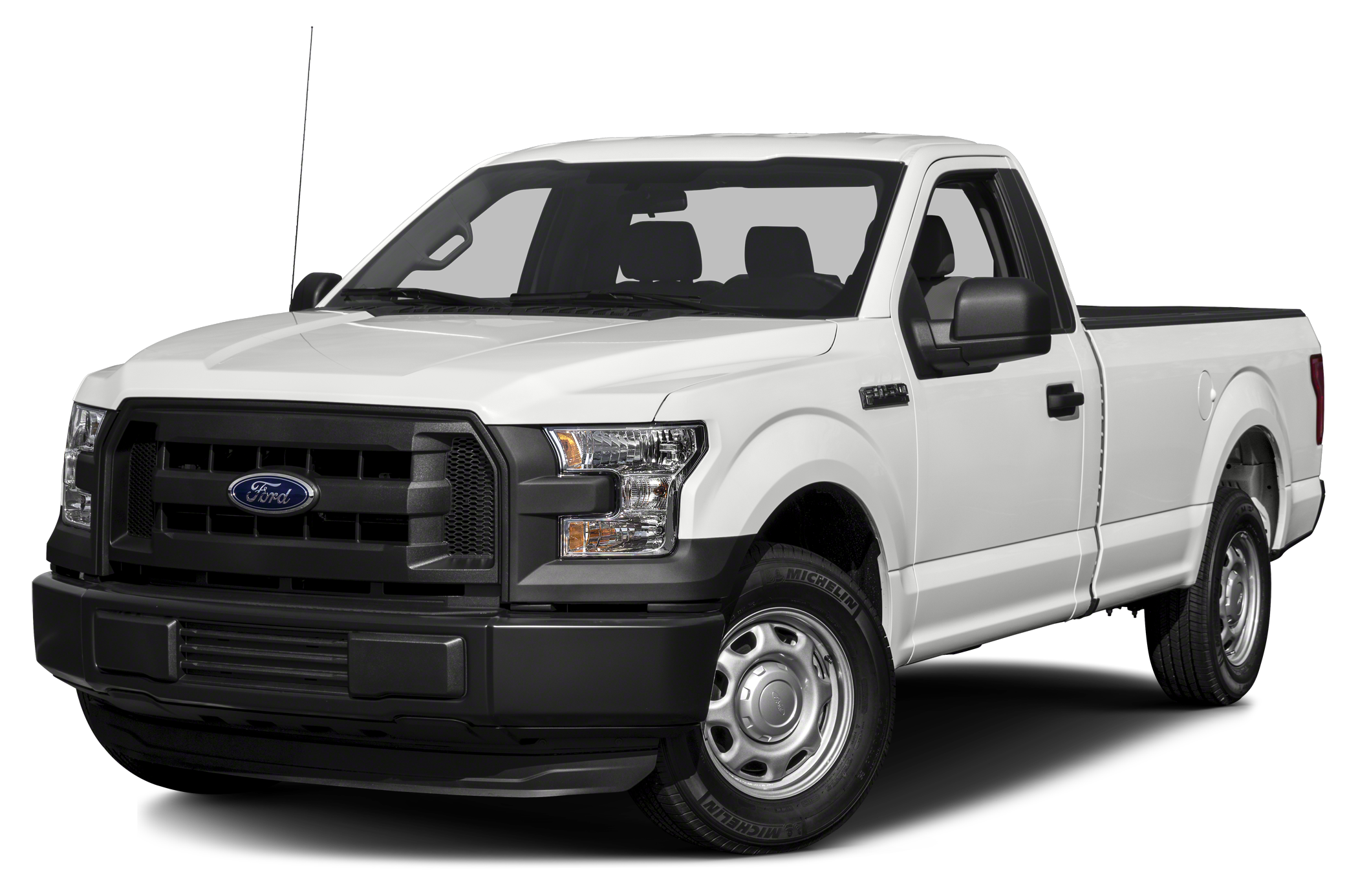
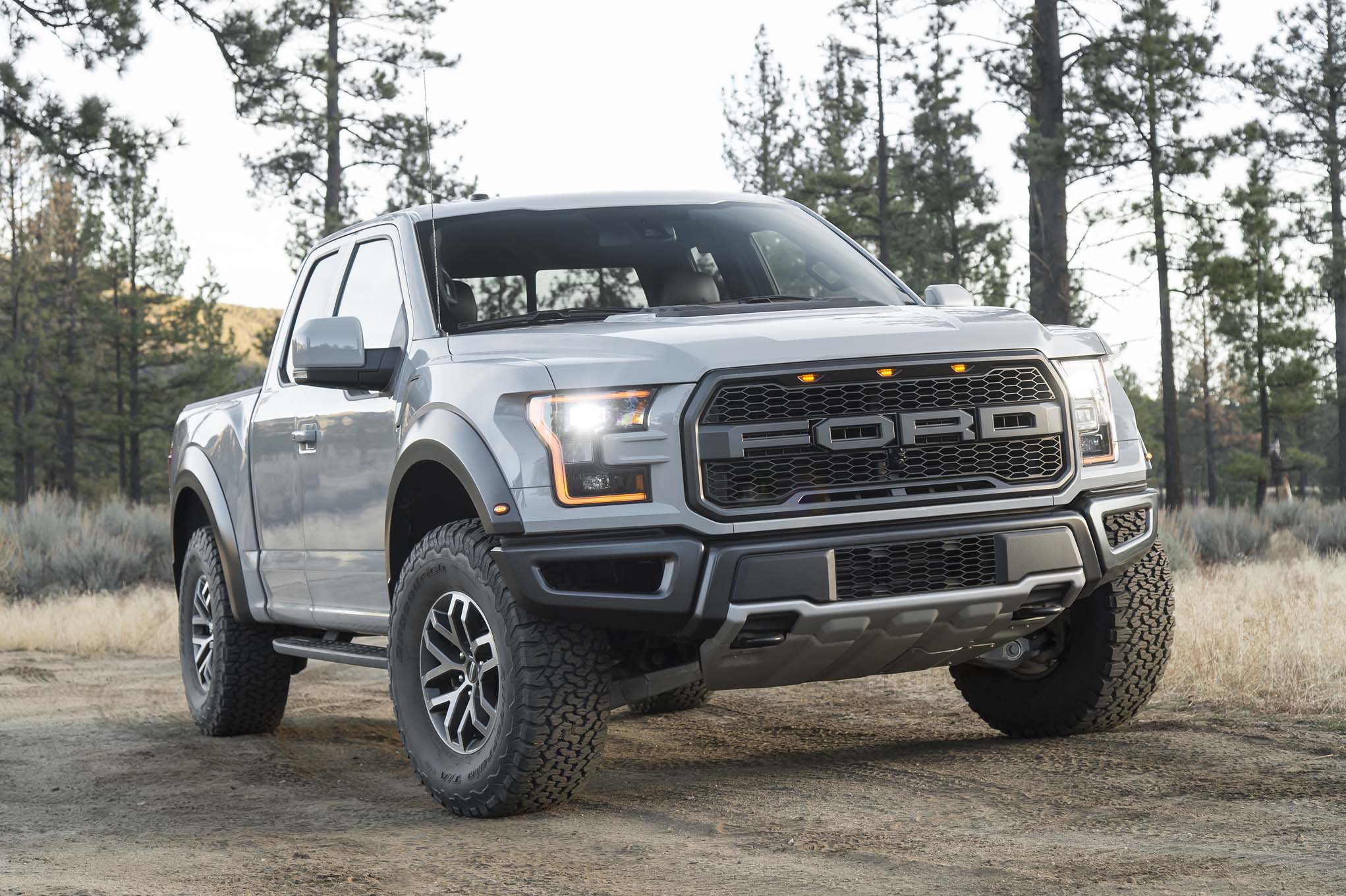
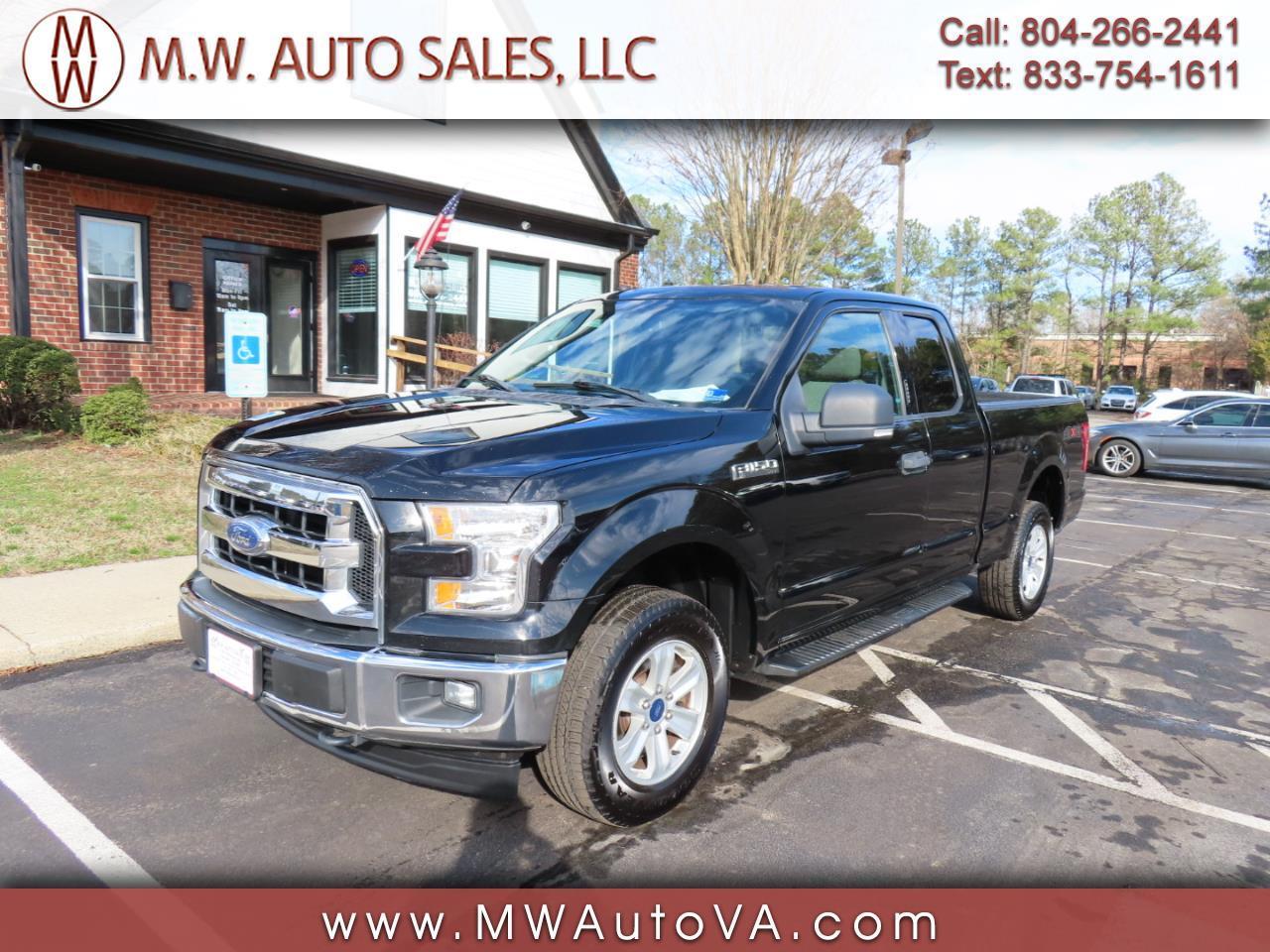
The 2017 Ford F-150 SuperCab marks a pivotal mid-cycle evolution within Ford’s 13th-generation pickup truck line. Highlighting this model year was the debut of the second-generation 3.5-liter EcoBoost V6 engine paired with a brand-new 10-speed automatic transmission, alongside the return of the performance-focused F-150 Raptor in a SuperCab configuration.
Contextualizing the 2017 Ford F-150 SuperCab in the 13th Generation
To understand the 2017 model year, one must view it through the lens of Ford’s broader 13th-generation F-150 lineage, which spanned from 2015 through 2020. In 2015, Ford revolutionized the full-size pickup segment by transitioning the F-150 from a traditional steel body to a high-strength, military-grade aluminum-alloy body mounted on a fully boxed high-strength steel frame. This engineering shift shed up to 700 pounds depending on configuration, drastically improving payload capacity, towing capability, and fuel efficiency.
By the time the 2017 model year arrived, Ford had refined its aluminum manufacturing processes at both the Dearborn Truck Plant in Michigan and the Kansas City Assembly Plant in Missouri. While 2015 established the groundbreaking lightweight architecture and 2016 introduced the SYNC 3 infotainment interface, 2017 focused heavily on mechanical drivetrain updates.
- 13th Generation F-150 Lifecycle Timeline
- 2015: Aluminum-Alloy Body Introduced
- 2016: SYNC 3 Replaces MyFord Touch
- 2017: 2nd-Gen 3.5L EcoBoost + 10-Speed Transmission + Raptor Launch
- 2018: Mid-Cycle Exterior Refresh & 3.3L V6 / 10-Speed Expansion
- 2019: High-Output 3.5L EcoBoost Added to Limited
- 2020: Final Production Year of 13th Generation
The SuperCab layout—Ford’s term for its extended cab configuration featuring two full-size front doors and two rear-hinged panel doors opening 170 degrees—occupied a precise operational niche. Situated between the commercial Regular Cab and the family-oriented SuperCrew (crew cab), the SuperCab targeted commercial fleet operators, tradespeople, and private owners who required secured rear cargo space or occasional passenger seating without sacrificing bed length.
Chronological Timeline of the 2017 F-150 SuperCab
Understanding the production and operational timeline of the 2017 Ford F-150 SuperCab requires tracking its development from engineering announcements to dealer arrivals and subsequent service bulletins.
- 2017 Ford F-150 SuperCab Development
- Jan 2015: 2nd-Gen Raptor SuperCab Concept Debuts (NAIAS Detroit)
- May 2016: Ford Formally Announces 2nd-Gen 3.5L EcoBoost & 10R80
- Jul 2016: Order Banks Open for 2017 F-150 Model Year
- Oct 2016: Official Assembly Commences (Dearborn & Kansas City)
- Dec 2016: Initial Shipments & Dealer Deliveries Begin
- Jan 2017: 2017 Raptor SuperCab Hits Dealer Showrooms
- Late 2017: Transition to 2018 Model Year Refresh
1. Pre-Launch and Announcements (January 2015 – May 2016)
- January 2015: Ford previews the upcoming 2017 F-150 Raptor at the North American International Auto Show (NAIAS) in Detroit, showcasing an aggressive SuperCab body design built on a specialized 133-inch wheelbase.
- May 2, 2016: Ford officially announces details for the 2017 F-150 lineup, highlighting the all-new 3.5-liter EcoBoost V6 engine and a jointly developed 10-speed automatic transmission (10R80). This combination replaced the first-generation 3.5-liter EcoBoost and 6-speed automatic on select trim levels.
2. Ordering and Production (July 2016 – October 2016)
- July 18, 2016: Ford officially opens order banks for the 2017 F-150 model year, allowing retail and commercial customers to configure SuperCab models across XL, XLT, Lariat, and Raptor trims.
- October 2016: Mass production of 2017 F-150 SuperCab models ramps up across Ford’s assembly facilities. Final vehicle scheduling incorporates new powertrain calibrations and updated STX appearance packages.
3. Commercial Launch and Deliveries (Late 2016 – Early 2017)
- November/December 2016: The first 2017 F-150 SuperCab trucks begin arriving at dealerships nationwide. Initial deliveries prioritize high-volume XLT and XL fleet builds, followed shortly by Lariat and early production Raptor models.
- January 2017: Deliveries of the 2017 F-150 Raptor SuperCab begin in earnest, bringing high-speed off-road performance to the extended-cab segment.
4. Model Year Lifecycle and Phase-Out (Mid 2017 – Late 2017)
- July 2017: Ford closes order banks for the 2017 model year in preparation for the refreshed 2018 F-150, which introduced revised front-end styling, new direct-injected engines across lower trims, and wider availability of the 10-speed transmission.
- October 2017: Final production runs of the 2017 F-150 SuperCab wrap up, transitioning completely to 2018 production.
Key Technical Upgrades Introduced in 2017
The 2017 model year brought major mechanical changes to the F-150 platform, several of which directly transformed the performance dynamics of the SuperCab configuration.
- 2017 Technical Innovations Highlighted
- 2nd-Gen 3.5L EcoBoost: 375 hp / 470 lb-ft Torque
- Dual Port + Direct Fuel Injection
- 10R80 Transmission: 10-Speed Automatic
- Co-Developed with General Motors
- Wide Ratio Spread (7.4:1)
- SYNC 3 v2.0: Apple CarPlay & Android Auto
- Capacitive Touchscreen Interface
- 2nd-Gen 3.5L EcoBoost: 375 hp / 470 lb-ft Torque
Second-Generation 3.5-Liter EcoBoost V6 (D35)
While the 3.5-liter EcoBoost engine had been available since 2011, the 2017 model introduced a completely redesigned engine architecture. Engineered to maximize low-end torque and improve thermal efficiency, key changes included:
- Dual-Injection System: Combined port-fuel injection (PFI) with high-pressure direct injection (DI) to reduce carbon buildup on intake valves, improve cold-start emissions, and optimize fuel delivery under heavy load.
- Redesigned Turbochargers: Twin turbochargers with lighter turbine wheels provided faster spooling and higher boost output, integrated with electronic wastegates for precise boost management.
- Enhanced Output: Power ratings jumped to 375 horsepower and 470 lb-ft of torque—an increase of 10 hp and 50 lb-ft over the 2016 iteration.
10-Speed SelectShift Automatic Transmission (10R80)
Co-developed by Ford and General Motors, the 10R80 automatic transmission replaced the long-standing 6R80 6-speed transmission when paired with the 3.5-liter EcoBoost engine. Features included:
- Optimized Gear Ratios: A wider overall ratio spread (7.4:1) enabled closer step-ratios between gears, keeping the engine in its optimal powerband during acceleration and heavy towing.
- Triple Overdrive Ratios: Gears 8, 9, and 10 functioned as overdrive ratios, lowering engine RPM during highway cruising to optimize fuel economy.
- Real-Time Adaptive Shift Algorithms: Integrated control software adjusted shift patterns based on towing modes, terrain, and driver inputs.
Infotainment and Exterior Enhancements
- SYNC 3 System Updates: For 2017, Ford integrated native Apple CarPlay and Android Auto support into the SYNC 3 system (v2.0 software and higher), accessible via the 8-inch touchscreen on XLT (option) and Lariat (standard) trims.
- STX Appearance Package Return: Ford resurrected the popular STX package for 2017 XL SuperCab and SuperCrew models. It added 20-inch machined aluminum wheels, a black mesh grille, body-color bumpers, privacy glass, and unique sport cloth seating, filling the price gap between basic commercial work trucks and mid-tier XLT models.
2017 SuperCab Trim Levels, Bed Configurations, and Wheelbases
The SuperCab was built on three specific wheelbase options during the 2017 model year, determined by bed length and specialty model specifications. Unlike the SuperCrew, which was offered across luxury trims like the King Ranch, Platinum, and Limited, the SuperCab was focused on work-utility, mid-level luxury, and high-performance applications.
- SuperCab Frame & Bed Length Combinations
- 133.0" Wheelbase: 5.5-ft Box: Exclusive to Raptor SuperCab
- 145.0" Wheelbase: 6.5-ft Box: XL, XLT, Lariat
- 163.7" Wheelbase: 8.0-ft Box: XL, XLT
Available Trim Levels
- XL: The base commercial work truck trim. Equipped with vinyl or cloth interior, manual windows (in base form), 17-inch steel wheels, and standard 3.5-liter naturally aspirated Duratec V6.
- XLT: The volume-seller trim. Featured power accessories, chrome exterior accents, SYNC/SYNC 3 options, power driver seat, and available FX4 Off-Road package.
- Lariat: The premium SuperCab trim. Standard with leather-trimmed seating, heating/ventilated front seats, power-sliding rear window, 8-inch digital productivity screen in the instrument cluster, and dual-zone automatic climate control.
- Raptor: The high-performance off-road flagship. Came exclusively with a High-Output 3.5-liter EcoBoost engine (450 hp / 510 lb-ft torque), FOX Racing Shox, customized wide-body aluminum fenders, transfer case with torque-on-demand, and 35-inch all-terrain tires.
Bed Options & Wheelbase Configurations
- 6.5-Foot Bed (145.0-inch Wheelbase): The standard SuperCab layout. Balanced bed capacity with manageable overall vehicle length for garage parking and urban maneuvering. Available on XL, XLT, and Lariat trims.
- 8.0-Foot Bed (163.7-inch Wheelbase): Designed for maximum cargo capacity, tradespeople, and commercial applications requiring 8-foot material storage with the tailgate closed. Available on XL and XLT trims; excluded from Lariat.
- 5.5-Foot Bed (133.0-inch Wheelbase): Unique to the 2017 F-150 Raptor SuperCab. This short-wheelbase configuration optimized departure and breakover angles for high-speed desert running and technical trail driving.
Technical Specifications and Configuration Matrix
The table below outlines the primary drivetrain, dimensions, and capability metrics for the 2017 Ford F-150 SuperCab configurations.
| Trim Level | Standard Engine | Optional Engine(s) | Transmission | Bed Length(s) | Wheelbase (in.) | Max Towing (lbs)* |
|---|---|---|---|---|---|---|
| XL | 3.5L Duratec V6 (282 hp) | 2.7L EcoBoost V6 / 5.0L V8 / 3.5L EcoBoost V6 | 6-Speed Auto / 10-Speed Auto (3.5L Eco) | 6.5 ft / 8.0 ft | 145.0 / 163.7 | 12,200 |
| XLT | 3.5L Duratec V6 (282 hp) | 2.7L EcoBoost V6 / 5.0L V8 / 3.5L EcoBoost V6 | 6-Speed Auto / 10-Speed Auto (3.5L Eco) | 6.5 ft / 8.0 ft | 145.0 / 163.7 | 12,200 |
| Lariat | 2.7L EcoBoost V6 (325 hp) | 5.0L V8 / 3.5L EcoBoost V6 | 6-Speed Auto / 10-Speed Auto (3.5L Eco) | 6.5 ft | 145.0 | 12,000 |
| Raptor | 3.5L H.O. EcoBoost (450 hp) | N/A | 10-Speed Automatic (10R80) | 5.5 ft | 133.0 | 6,000 |
*Note: Maximum towing capacities depend on rear axle ratio, Max Trailer Tow Package options, Payload Packages, and 2WD vs. 4WD configuration. Consult official Ford towing guides for exact GCWR ratings.
Service History, Recalls, and Known Technical Issues
Over its operating lifecycle, specific mechanical and structural areas of the 2017 Ford F-150 SuperCab have required technical service bulletins (TSBs), safety recalls, or customer service actions. Owners and prospective used truck buyers should track these documented vehicle updates.
- Key Service & Recall Milestones
- Recall 17S33 / 18S07: Frozen Door Latch Actuators
- TSB 21-2119 / 21N03: 3.5L EcoBoost Cam Phaser Cold Start
- TSB 23-2250: 10R80 Transmission CDF Clutch Drum
1. Frozen Door Latch Mechanism (Safety Recall 17S33 / 18S07)
- Issue: A widely documented problem affecting 2015–2018 F-150 models (including SuperCabs). Water intrusion into the door latch mechanisms could freeze in cold weather, preventing doors from opening, latching shut, or causing doors to unlatch unexpectedly while driving.
- Resolution: Ford dealers installed water shields over the latch mechanisms and lubricated door latch cables.
2. 3.5L EcoBoost Variable Cam Timing (VCT) Phaser Rattle (TSB 21-2119 / FSA 21N03)
- Issue: Second-generation 3.5L EcoBoost engines produced between 2017 and mid-2020 can develop a metallic rattling sound lasting 2 to 5 seconds immediately following a cold engine start. This issue stems from premature internal wear on the variable valve timing phasers.
- Resolution: Ford released redesigned intake and exhaust cam phasers. Service Action 21N03 provided pro-rated warranty coverage for phaser replacement depending on vehicle mileage.
3. 10R80 Transmission Shift Quality and CDF Clutch Drum (TSB 23-2250)
- Issue: Early production years of the 10R80 transmission (2017–2019) may experience harsh upshifts, delayed gear engagements, or slipping between gears (notably 3rd to 5th gear transitions). The root cause was often identified as a sliding internal sleeve inside the CDF clutch drum assembly, which cut off hydraulic fluid pressure passages.
- Resolution: Ford updated the transmission control module software calibration in early field actions. For severe mechanical symptoms, technical bulletins dictate replacing the internal CDF clutch drum with an updated, bushed design unit.
Used Market Considerations: Buying a 2017 F-150 SuperCab
For buyers considering a 2017 Ford F-150 SuperCab, this model year sits in a balanced position between price point and modern technology. Because 2017 introduced the 2nd-generation 3.5L EcoBoost and 10-speed transmission, it offers high fuel efficiency and strong towing metrics without requiring the premium of a newer 14th-generation vehicle.
Inspection Checklist for Prospective Buyers
- Rear Door Latch Function: Open and close both rear rear-hinged SuperCab doors from both inside and outside handles. Inspect door harness wiring inside the door jamb flex boot for pinches or fraying.
- Cold Start Assessment: Ensure the engine has cooled completely before starting. Listen carefully near the front timing cover for a brief 2-second rattle indicating worn variable cam phasers on 3.5L EcoBoost models.
- 10-Speed Transmission Operation: Test drive the vehicle through all gear shifts under light, moderate, and heavy acceleration. Check for hesitation, severe transmission clunking, or gear hunting. Ensure powertrain service updates have been completed.
- Cab Sill and Underbody Inspection: Inspect the lower aluminum cab sills around the rear door hinges for electrolytic corrosion (paint bubbling caused by galvanic reactions between steel fasteners and aluminum sheet metal).
- Frame Inspection: While the body is aluminum, the fully boxed frame is high-strength steel. Inspect frame rails, crossmembers, and rear leaf spring perches for surface rust or structural deterioration, particularly on trucks operated in cold-climate regions using road salt.
Frequently Asked Questions
What is the main difference between a 2017 Ford F-150 SuperCab and SuperCrew?
The SuperCab features two full-size front doors paired with two smaller, rear-hinged doors that open backward (170 degrees) and require opening the front doors first. The SuperCrew (crew cab) has four full-size, independently opening forward-hinged doors with expanded rear legroom (43.6 inches vs 33.5 inches in the SuperCab).
Did the 2017 Ford F-150 SuperCab come with a 10-speed transmission on all engines?
No. In 2017, the 10-speed SelectShift automatic transmission (10R80) was exclusive to models equipped with the 3.5-liter EcoBoost V6 engine (both standard and High-Output Raptor versions). Models equipped with the 3.5-liter naturally aspirated V6, 2.7-liter EcoBoost V6, and 5.0-liter V8 retained the proven 6-speed automatic transmission (6R80).
What bed lengths were available on the 2017 F-150 SuperCab?
The 2017 SuperCab was available with three bed lengths depending on the trim: a 6.5-foot bed (standard on XL, XLT, Lariat), an 8.0-foot long bed (available on XL and XLT), and a specialized 5.5-foot bed exclusive to the off-road Raptor SuperCab.
Does the 2017 F-150 SuperCab support Apple CarPlay and Android Auto?
Yes, provided the truck is equipped with the SYNC 3 touchscreen system. Models equipped with SYNC 3 running software version 2.0 or higher include native support for Apple CarPlay and Android Auto through a wired USB connection. Base XL trim models equipped with the standard 4.2-inch screen do not support these smartphone integration features.
Was the 2017 Ford F-150 Raptor available as a SuperCab?
Yes. The 2017 F-150 Raptor was offered in both SuperCab (133-inch wheelbase) and SuperCrew (145-inch wheelbase) configurations. The SuperCab version featured a shorter overall length and lighter curb weight, making it a popular choice for high-speed off-road driving.
Summary and Recommendations
The 2017 Ford F-150 SuperCab represents a significant engineering benchmark within Ford's 13th-generation pickup truck era. By combining an advanced high-strength aluminum-alloy body with powertrain updates—such as the second-generation 3.5-liter EcoBoost engine and 10-speed transmission—the 2017 model year provided improvements in torque output, towing capacity, and fuel economy.
For modern buyers, fleet managers, and truck enthusiasts evaluating a 2017 SuperCab:
- Prioritize Verification of Service Bulletins: Ensure that past recalls—specifically Safety Recall 17S33 for door latches and TSB updates for 10R80 shift performance or cam phasers—have been verified via Ford service records.
- Select Drivetrain Based on Usage: Opt for the 5.0L V8 or 2.7L EcoBoost with the 6-speed transmission if simplicity and daily durability are prioritized. Select the 3.5L EcoBoost with the 10-speed transmission if maximum towing capability and heavy payload transport are required.
- Confirm Cab and Bed Requirements: Double-check spatial requirements. While the SuperCrew offers greater passenger space, the SuperCab with a 6.5-foot or 8.0-foot bed provides superior cargo versatility while maintaining a manageable footprint.