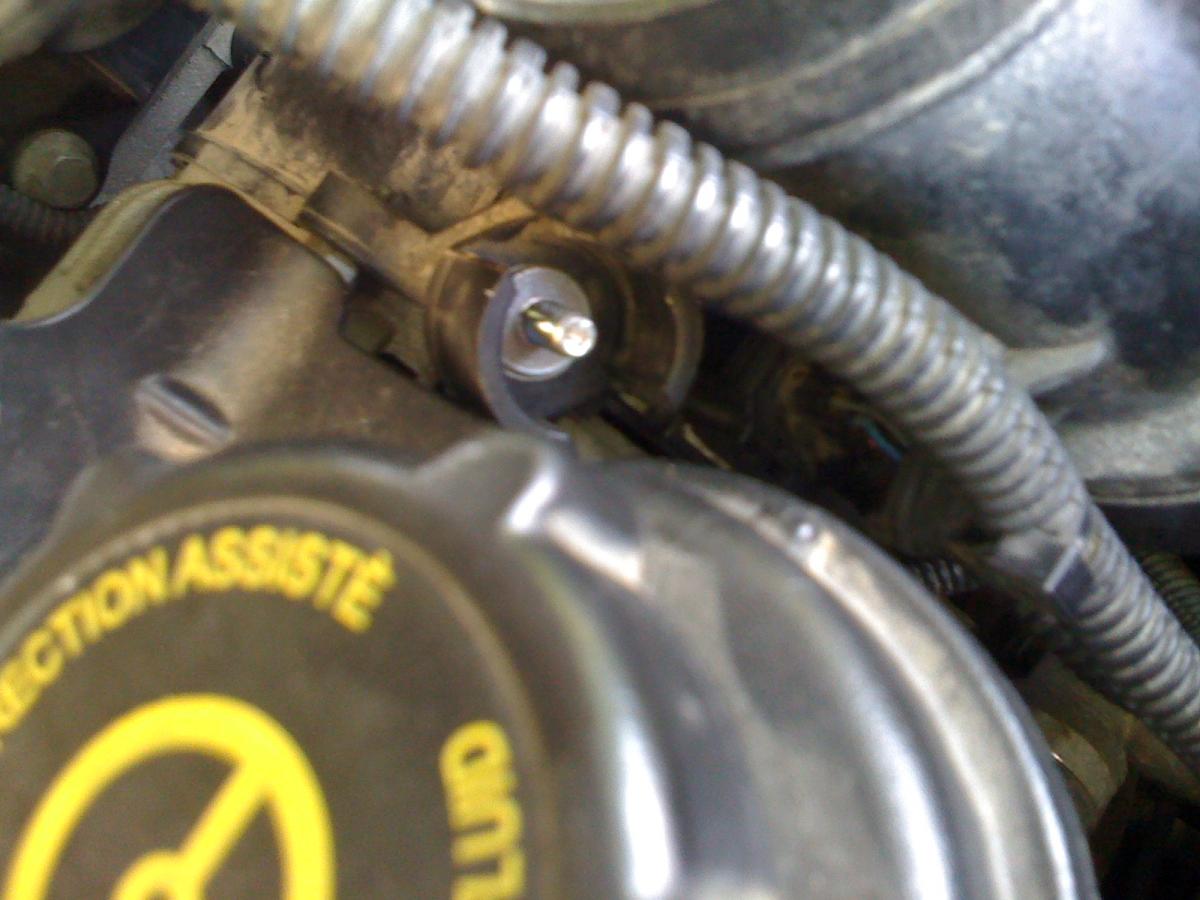
The 2002 Ford Focus alternator charging system frequently suffers from premature failure, voltage regulator breakdown, wiring corrosion, and oil contamination from leaking valve cover gaskets. Resolving these issues typically requires targeted electrical diagnostics, connector inspection, and replacement of the alternator unit alongside any compromised wiring harnesses or tensioner components.
Understanding the 2002 Ford Focus Charging System Architecture
The charging architecture of the 2002 Ford Focus relies on an engine-driven alternator paired with an internal voltage regulator and an external battery storage medium. Understanding how this system distributes electrical load is vital for diagnosing performance faults. The alternator converts mechanical energy from the accessory drive belt into alternating current (AC), which internal diodes then rectify into direct current (DC) to supply the vehicle's electrical components and replenish the 12-volt battery.
In the 2002 model year, Ford utilized different alternator amperages depending on whether the vehicle was equipped with standard accessories or heavy-duty packages, such as air conditioning or heated seats. Most standard configurations feature a 110-amp or 130-amp generator. The powertrain control module (PCM) monitors system voltage through a reference circuit, communicating charging status through the instrument cluster's battery warning indicator. When the system fails to maintain a nominal operating voltage between 13.5 and 14.5 volts while the engine runs, electrical anomalies begin to cascade across sensitive modules, leading to erratic gauge behavior, dimming headlights, and eventual engine stalling.
Primary Failure Modes and Symptoms
Recognizing the early warning signs of charging system distress on a 2002 Ford Focus prevents unexpected roadside breakdowns. Because this vehicle relies heavily on stable electrical input for its sensors, ignition coils, and fuel injectors, even minor voltage drops manifest noticeable operational symptoms.
Battery Warning Light Illumination
The most direct indicator of alternator failure is the illumination of the battery or generator icon on the dashboard instrument cluster. On the 2002 Focus, this light is controlled by the internal voltage regulator's communication with the instrument cluster. If the regulator detects an under-voltage or over-voltage state—typically falling below 12.5 volts or exceeding 15.0 volts—it triggers the warning lamp. Drivers should note that a failing alternator may intermittently illuminate this light before failing completely.
Dimming and Fluctuating Illumination
As the alternator's capacity degrades, it struggles to supply adequate current under high electrical loads. Drivers frequently observe headlights dimming significantly when idling, especially when auxiliary systems like the rear window defroster, blower motor, or cooling fans engage simultaneously. Conversely, a failing voltage regulator can allow voltage spikes, causing headlights to pulse brightly as engine RPM increases.
Electrical Component Malfunctions
Modern vehicles require steady voltage to operate control modules. When the 2002 Ford Focus experiences alternator issues, low voltage causes erratic behavior in the anti-lock braking system (ABS) module, power windows, and the radio unit. Transmission shifting may also become harsh or erratic because the electronic automatic transmission control relies on precise sensor reference voltages.
Battery Depletion and No-Start Conditions
A common misconception is that a dead battery automatically points to a bad battery. In a 2002 Ford Focus, a worn alternator fails to recharge the battery during driving. Consequently, the vehicle may start via a jump-start or external charger, only to stall shortly after disconnection once the remaining battery reserve is fully depleted by the ignition system.
Root Causes of Alternator Failure in the 2002 Focus
The high rate of alternator failure in the 2002 Ford Focus is driven by specific mechanical, thermal, and environmental vulnerabilities inherent to its engine bay layout.
Oil Contamination from Valve Cover Leaks
The most prevalent mechanical cause of premature alternator failure in this generation of the Ford Focus—particularly models equipped with the 2.0L Zetec engine—is oil contamination. The valve cover gasket directly above the alternator frequently degrades over time, allowing engine oil to seep downward. This oil drips directly into the alternator housing, fouling the internal brushes, slip rings, and diodes. The oil breaks down internal electrical insulation and collects conductive carbon dust, leading to internal short circuits and permanent generator failure.
Thermal Stress and Vibration
Positioned on the front or side of the engine block depending on the specific engine variant (Zetec or SPI), the alternator endures severe thermal cycling and continuous engine vibration. Over years of operation, thermal expansion and contraction degrade internal solder joints and stator windings. Furthermore, excessive vibration can fracture the alternator housing or cause internal brush wear, leading to intermittent electrical contact.
Wiring Harness and Connector Degradation
The wiring harness connecting the alternator to the battery and the powertrain control module is vulnerable to heat degradation and road salt corrosion. The small three-wire connector plug on the side of the alternator frequently suffers from brittle plastic locking tabs, corrosion on the terminal pins, or internal wire fatigue. Even with a brand-new alternator installed, a high-resistance connection at this plug will prevent proper voltage regulation and cause persistent charging system faults.
Comprehensive Diagnostic Procedures
Isolating a charging system fault on a 2002 Ford Focus requires a systematic approach using a digital multimeter (DMM) and basic hand tools. Technicians should never rely solely on visual inspections when evaluating electrical hardware.
Static and Dynamic Voltage Testing
- Static Battery Test: Measure the resting voltage across the battery terminals with the engine off. A fully charged, healthy battery should read approximately 12.6 volts.
- Dynamic Charging Test: Start the engine and measure the voltage across the battery terminals again. A properly functioning alternator should produce between 13.5 and 14.5 volts at idle.
- Loaded Voltage Drop Test: Turn on the high-beam headlights, blower motor on high, and rear defroster. The charging voltage should remain stable above 13.0 volts. If voltage drops below battery resting voltage, the alternator cannot support the electrical load.
Alternator Ripple Test
Using a digital multimeter set to measure Alternating Current (AC), check the voltage output while the engine runs. An alternator outputs DC; however, a reading exceeding 0.5 volts AC indicates a failed internal diode allowing AC voltage to leak into the DC system, which disrupts electronic sensors.
Visual and Physical Inspection
Inspect the accessory drive belt for cracks, glazing, or wear, and verify that the automatic belt tensioner maintains proper tension. A slipping belt mimics alternator failure by preventing the rotor from spinning at the required speed. Next, inspect the alternator housing for oil saturation, and check the main B+ terminal wire for corrosion, loose nuts, or thermal discoloration.
| Test Parameter | Normal Range | Fault Indication | Potential Root Cause |
|---|---|---|---|
| Resting Battery Voltage | 12.4V – 12.7V | Below 12.2V | Weak battery, parasitic drain, or uncharged state |
| Running Charging Voltage | 13.5V – 14.5V | Below 13.0V or Above 15.0V | Failed alternator, bad voltage regulator, or loose belt |
| AC Ripple Voltage | 0.0V – 0.5V AC | Above 0.5V AC | Damaged internal rectifier diodes |
| Voltage Drop (B+ Cable) | 0.0V – 0.2V | Above 0.4V | High resistance, corrosion, or loose terminal cable |
Step-by-Step Replacement Guide
Replacing the alternator on a 2002 Ford Focus is a manageable intermediate-level repair, though access can be tight depending on the engine configuration. Always disconnect the negative battery terminal before starting any electrical work to prevent accidental short circuits or electrical shocks.
Preparation and Access
- Park the vehicle on a flat, level surface, engage the parking brake, and allow the engine to cool completely to avoid burns from hot exhaust components or coolant lines.
- Disconnect the negative battery cable using an appropriate socket wrench and tuck it aside safely.
- Remove any plastic engine covers or intake snorkel components obstructing access to the accessory drive belt and alternator mounting brackets.
Removing the Old Alternator
- Release tension on the accessory drive belt using a serpentine belt tool or a long-handled ratchet on the belt tensioner pulley, then slip the belt off the alternator pulley.
- Unbolt the heavy-gauge positive battery wire (B+ terminal) secured with a nut on the rear of the alternator. Protect the terminal from touching metal grounds.
- Disconnect the electrical wiring harness plug from the voltage regulator port by pressing the release tab and pulling gently.
- Remove the mounting bolts securing the alternator to the engine bracket. Note the locations of any spacers or brackets, as bolt lengths often vary.
- Maneuver the old alternator out of the engine bay, taking care not to damage surrounding radiator hoses or wiring harnesses.
Installing the Replacement Unit
- Inspect the new alternator to ensure mounting points match the original unit. If the failure was caused by oil contamination, replace the valve cover gasket before installing the new alternator.
- Position the new alternator into the mounting bracket and hand-thread the securing bolts to ensure proper alignment before final torque application.
- Torque the mounting bolts to factory specifications to prevent bracket cracking or loose alignment.
- Reconnect the wiring harness connector, ensuring the locking tab clicks securely into place. Clean any corrosion off the B+ terminal ring before securing it with the mounting nut.
- Route the serpentine belt back over the alternator pulley, ensuring it seats correctly within the ribbed grooves of all accessory pulleys.
- Reconnect the negative battery cable, start the vehicle, and perform a dynamic voltage test to verify proper charging output.
Common Mistakes and Prevention Strategies
Avoiding recurring alternator failures on the 2002 Ford Focus requires addressing underlying mechanical issues rather than simply swapping electrical components.
Ignoring Oil Leaks
Installing a new alternator without fixing an active oil leak guarantees premature failure. Engine oil destroys the internal electronics of replacement units just as it did the original. Always inspect the upper engine area for valve cover seepage or camshaft seal leaks prior to alternator installation.
Over-Torquing Electrical Terminals
The threaded post on the alternator's B+ terminal is delicate. Over-tightening the retaining nut shears the internal stud or cracks the plastic isolator block, causing an internal short circuit or intermittent power loss. Use a calibrated quarter-inch ratchet and avoid excessive force.
Neglecting Battery Health
A severely degraded or shorted battery forces an alternator to work at maximum capacity continuously to compensate for internal battery dead cells. This thermal overload burns out the stator windings and voltage regulator. Always test the battery's cold cranking amperage (CCA) and internal resistance alongside alternator diagnostics.
Frequently Asked Questions
Can I drive a 2002 Ford Focus with a bad alternator?
Driving with a failing alternator is strongly discouraged. Once the battery's remaining reserve charge depletes, the fuel injectors, spark plugs, and powertrain control module will lose power, causing the engine to stall unexpectedly in traffic. Furthermore, low voltage can cause erratic transmission shifting and damage sensitive electronic modules.
How do I know if my problem is the battery or the alternator?
A battery supplies power to start the engine and run accessories when the engine is off, while the alternator powers the vehicle and recharges the battery while running. If the car starts with a jump but dies shortly after removing the jumper cables, the alternator is failing. If the vehicle makes a clicking noise and fails to crank at all, the battery or starter is typically at fault.
Are remanufactured alternators reliable for the 2002 Ford Focus?
Remanufactured alternators are widely available and generally reliable, provided they are sourced from reputable automotive rebuilders using high-quality internal diodes and voltage regulators. Budget rebuilt units frequently experience early failure due to reused internal bearings or sub-standard electronic components.
Does the serpentine belt tensioner affect the alternator?
Yes. If the automatic belt tensioner loses its spring tension, the serpentine belt will slip over the alternator pulley. This prevents the alternator from spinning at the required speed to generate sufficient electrical output, resulting in low system voltage despite a healthy alternator unit.
Conclusion and Recommended Next Actions
Diagnosing and repairing charging system failures on the 2002 Ford Focus requires a thorough evaluation of both electrical outputs and mechanical contributing factors like oil leaks and belt tension. Technicians and vehicle owners should begin with systematic multimeter testing to isolate whether the fault lies within the generator, wiring harness, or storage battery. When replacing a compromised alternator, always resolve underlying valve cover gasket leaks and inspect electrical connectors to ensure long-term charging system reliability.