The ICD-10 classification system provides specific codes for muscle and tendon strains in the thoracic region, primarily found under category S29.0 for injuries of muscle and tendon of the thorax. Accurate coding requires distinguishing between initial encounters, subsequent encounters, and sequelae, as well as accounting for laterality when applicable.
Introduction to Thoracic Region Strains in Medical Coding
Navigating medical documentation and diagnostic coding requires precision, particularly when dealing with musculoskeletal injuries of the upper and mid-back. When a patient presents with a strain of the thoracic region, clinical documentation must capture the exact nature of the injury to ensure proper medical billing, epidemiological tracking, and continuity of care. The International Classification of Diseases, Tenth Revision, Clinical Modification (ICD-10-CM) provides structured pathways to categorize these conditions.
The thoracic region encompasses the area between the neck and the abdomen, supported by the thoracic vertebrae, ribs, and associated musculature, including the erector spinae, rhomboids, trapezius, and intercostal muscles. A strain involves the overstretching or tearing of muscle fibers or tendons. Translating this clinical reality into an ICD-10 code requires understanding both anatomical specificity and the temporal aspects of the encounter.
Anatomy and Clinical Presentation of Thoracic Strains
The thoracic spine and rib cage form a stable, protective cage designed to house vital organs while providing attachment points for numerous muscle groups. Unlike the cervical and lumbar regions, which exhibit high ranges of motion, the thoracic region has limited mobility due to its articulation with the rib cage. However, forceful twisting, heavy lifting, sudden impacts, or repetitive strain can still cause significant muscle overload.
Patients suffering from a thoracic muscle strain typically present with localized pain, muscle spasms, tenderness upon palpation, and restricted range of motion when rotating the torso or taking deep breaths. Because the intercostal and paraspinal muscles in this area assist with respiration, thoracic strains can sometimes cause discomfort during inhalation, mimicking pleuritic pain. A thorough physical examination by a healthcare provider is essential to rule out more severe pathology, such as vertebral compression fractures, rib fractures, or visceral referred pain, before assigning a definitive diagnosis code.
The ICD-10 Framework for Thoracic Injuries
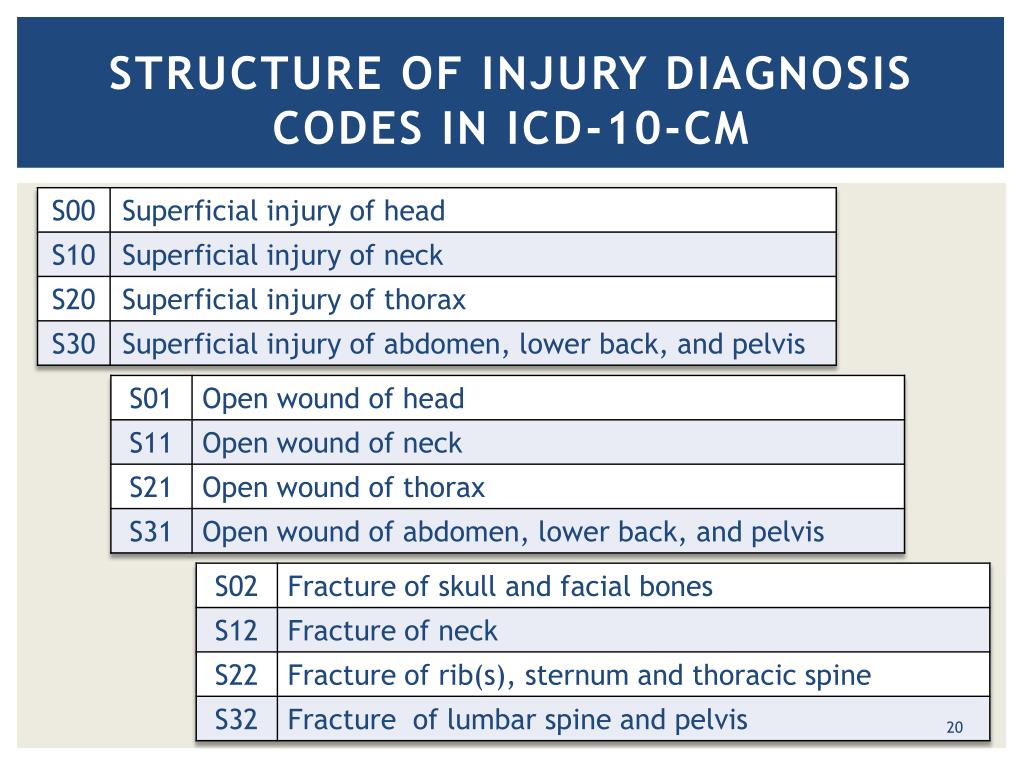
Within the ICD-10-CM classification hierarchy, injuries to the thorax are grouped under Chapter 19 (Injury, poisoning and certain other consequences of external causes), specifically within blocks designated for injuries to the thorax (codes S20–S29).
Unlike peripheral extremities, where codes frequently require explicit specification of right or left laterality, axial skeleton injuries—including those of the thoracic spine and back—often rely on central anatomical designations or specific muscle group categorizations. The primary category governing muscle and tendon injuries of the thorax is S29.0 (Injury of muscle and tendon of thorax).
Breakdown of Category S29.0
To code a thoracic muscle strain accurately, clinicians and coders must navigate the subcategories and extensions within S29.0:
- S29.01: Strain of muscle and tendon of thorax
- S29.011: Strain of muscle and tendon of front wall of thorax
- S29.012: Strain of muscle and tendon of back wall of thorax
- S29.019: Strain of unspecified muscle and tendon of thorax
- S29.02: Laceration of muscle and tendon of thorax (excluded from pure strains, but found in the same family)
- S29.09: Other injury of muscle and tendon of thorax
When a patient specifically has a back muscle strain localized to the thoracic spine area, S29.012 (Strain of muscle and tendon of back wall of thorax) is typically the most accurate specific category, whereas anterior chest wall muscle strains fall under S29.011.
The Importance of 7th Characters in Injury Coding
A defining characteristic of ICD-10 injury codes is the requirement for a seventh character to designate the encounter type. Without this extension, the code is incomplete and will generally be rejected by medical billing and insurance clearinghouse systems.
The seventh character indicates whether the patient is receiving active treatment for a fresh injury, recovering during a healing phase, or dealing with chronic long-term consequences.
| 7th Character | Encounter Type | Clinical Definition |
|---|---|---|
| A | Initial Encounter | Used while the patient is receiving active treatment for the condition. Examples include surgical repair, emergency room evaluation, initial evaluation and management by the physician, and acute care phases. |
| D | Subsequent Encounter | Used for encounters after the active phase of injury when the patient is receiving routine care during the healing or recovery phase. Examples include cast changes, medication adjustments, routine follow-up visits, and physical therapy sessions. |
| S | Sequela | Used for complications or conditions that arise as a direct result of an old injury (e.g., chronic pain syndrome or muscle scarring long after the acute healing window has closed). |
Note: Depending on the specific subcategory, placeholder characters (such as "X") may be required in the 4th, 5th, or 6th positions to maintain proper spacing for the 7th character.
Common Coding Scenarios and Examples
To understand how these codes function in daily clinical practice, consider the following practical scenarios:
Scenario 1: Acute Gym Injury
A patient visits an urgent care clinic after feeling a sharp tear in their upper back while performing heavy barbell rows. The physician diagnoses an acute thoracic paraspinal muscle strain.
- Primary Diagnosis Code: S29.012A (Strain of muscle and tendon of back wall of thorax, initial encounter)
- Clinical Rationale: The patient is presenting for the first time for active management of a brand-new injury.
Scenario 2: Physical Therapy Follow-Up
Two weeks after the initial gym injury, the same patient attends a scheduled physical therapy session to work on thoracic mobility and strengthening.
- Primary Diagnosis Code: S29.012D (Strain of muscle and tendon of back wall of thorax, subsequent encounter)
- Clinical Rationale: The patient is in the routine healing phase and receiving ongoing rehabilitative care rather than acute stabilization.
Scenario 3: Anterior Chest Wall Strain
A patient experiences a strain of the pectoralis or intercostal musculature after a awkward lifting motion, presenting to their primary care physician on the same day.
- Primary Diagnosis Code: S29.011A (Strain of muscle and tendon of front wall of thorax, initial encounter)
Differential Diagnosis and Associated Coding Considerations
When coding for thoracic back pain, coders must exercise caution to ensure the correct underlying structure is identified. Conflating a muscular strain with a skeletal or neurological issue can lead to claim denials or inaccurate health records.
- Thoracic Vertebral Sprains/Sprains of Ligaments: If the injury involves the ligaments of the thoracic spine rather than the muscle-tendon unit, coders look toward spinal ligament injury codes (e.g., category S23.- for dislocation and sprain of joints and ligaments of thoracic spine).
- Contusions: A direct blow to the back causing bruising without structural muscle tearing requires a contusion code (e.g., S20.20- contusion of thorax, unspecified, or S20.21- contusion of back) rather than a strain code.
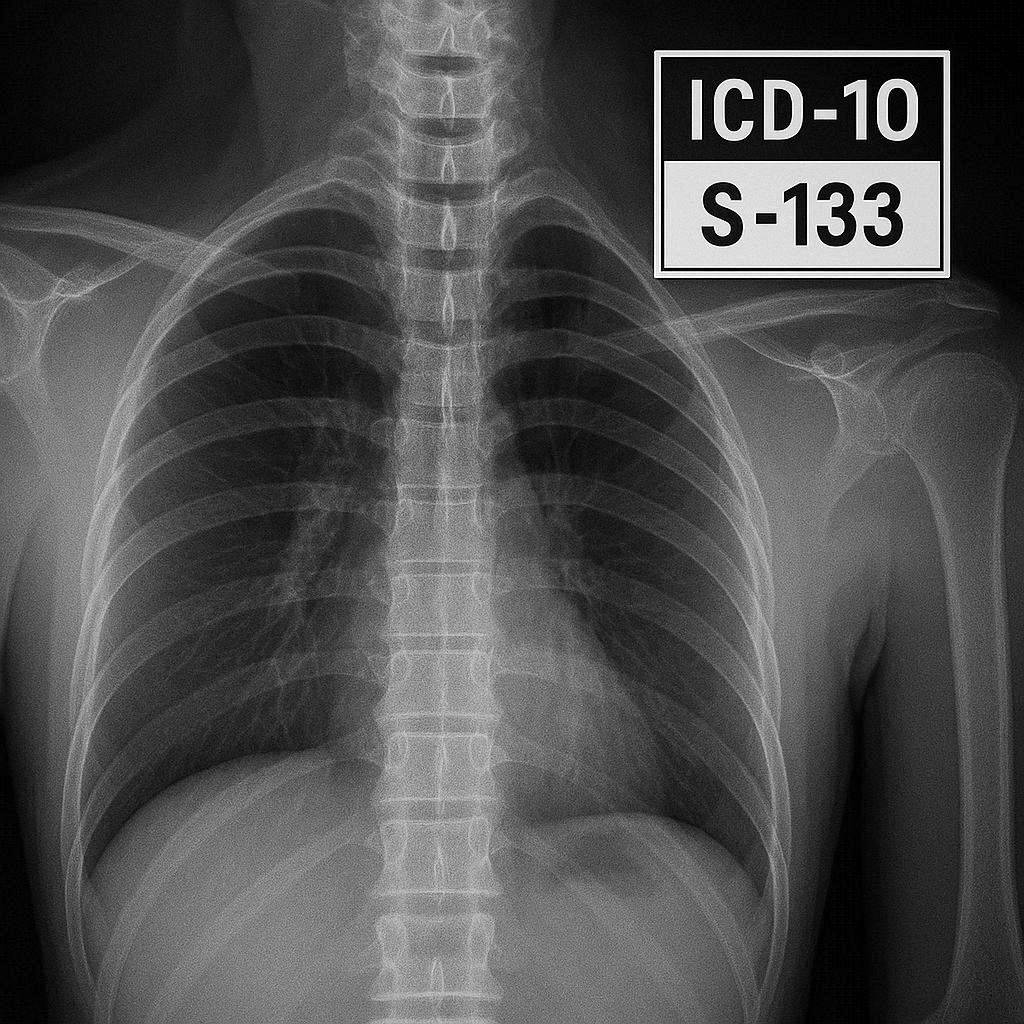
- Fractures: Traumatic events strong enough to strain muscles can also fracture ribs or vertebrae (e.g., S22.- series). Imaging reports, such as X-rays or CT scans, must be reviewed to rule out osseous pathology.
Disclaimer: Medical coding requirements can vary based on institutional guidelines, regional payer policies, and specific clinical details. This information is intended for educational purposes and should not replace certified professional medical coding or legal advice.
Frequently Asked Questions
What is the difference between S29.012 and general back pain codes?
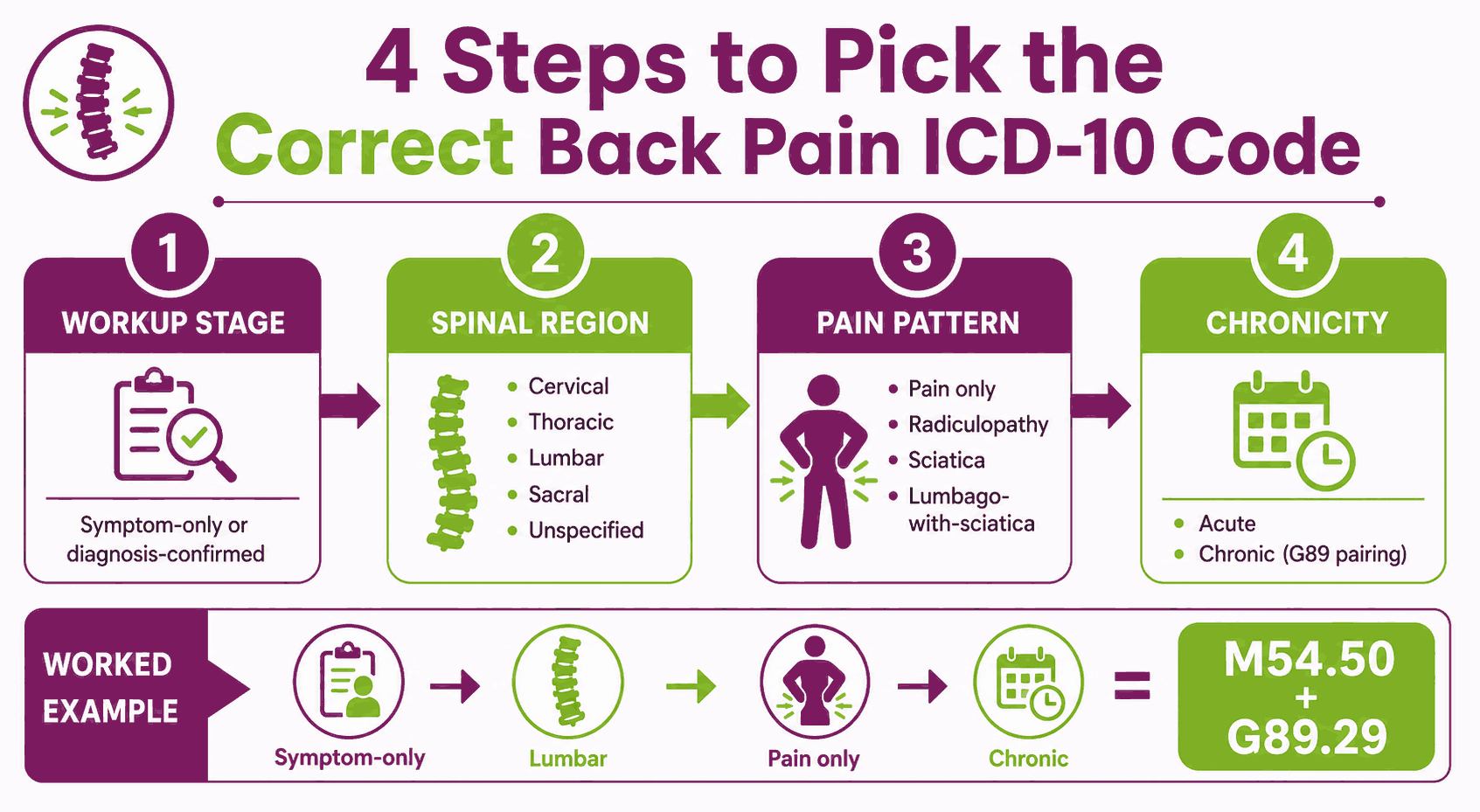
Code S29.012 specifically denotes a diagnosed mechanical strain of the muscle and tendon located in the back wall of the thorax. General back pain codes (such as M54.50 for low back pain or M54.9 for dorsalgia) are used when the exact structural etiology is unspecified or when the pain is localized outside the thoracic cage, such as the lumbar region.
Do I need to code the mechanism of injury?
While not always strictly required for the primary medical diagnosis code, external cause codes (such as W codes for slips, trips, or overexertion) are frequently required by payers to explain how the injury occurred, especially in workers' compensation or liability cases.
Can S29.012 be used for chronic upper back pain?
If the chronic pain is a direct, long-term consequence of an old thoracic strain, the seventh character "S" (sequela) is appended to S29.012. However, if the chronic pain is degenerative or non-traumatic in origin, other musculoskeletal codes are more appropriate.
What if the exact location between the front and back wall is not documented?
If the medical record states "thoracic muscle strain" without specifying whether it affects the anterior chest wall or the posterior back wall, the unspecified code S29.019 (Strain of unspecified muscle and tendon of thorax) may be used as a last resort, though querying the provider for specificity is standard clinical documentation improvement (CDI) practice.
Conclusion and Next Actions
Accurate coding of a thoracic region strain relies on meticulous clinical documentation that details the exact anatomical location (front versus back wall of the thorax) and the phase of care (initial, subsequent, or sequela). Medical coders and healthcare providers should review provider notes carefully to select the correct subcategory under S29.0 and ensure the mandatory seventh character is correctly appended. For ongoing compliance and optimal reimbursement, verify institutional billing guidelines and cross-reference clinical findings with current official ICD-10-CM coding guidelines.