Navigating medical documentation and procedural coding for peripheral artery disease (PAD) with intermittent claudication requires a precise understanding of diagnostic terminology, clinical presentation, and specific billing structures. Effective coding centers on distinguishing symptomatic conditions from asymptomatic presentations, utilizing accurate anatomical modifiers, and ensuring documentation reflects the severity of ischemic symptoms.
Peripheral artery disease is a common circulatory problem in which narrowed arteries reduce blood flow to the limbs, most frequently the lower extremities. When this condition presents with intermittent claudication—pain, cramping, or aching in the muscles of the calves, thighs, or buttocks during exertion that resolves with rest—it marks a distinct clinical stage that demands specific administrative and diagnostic tracking. This guide explores the clinical foundations, diagnostic pathways, and precise coding frameworks essential for documenting peripheral artery disease with claudication accurately.
Clinical Foundations of Peripheral Artery Disease and Intermittent Claudication
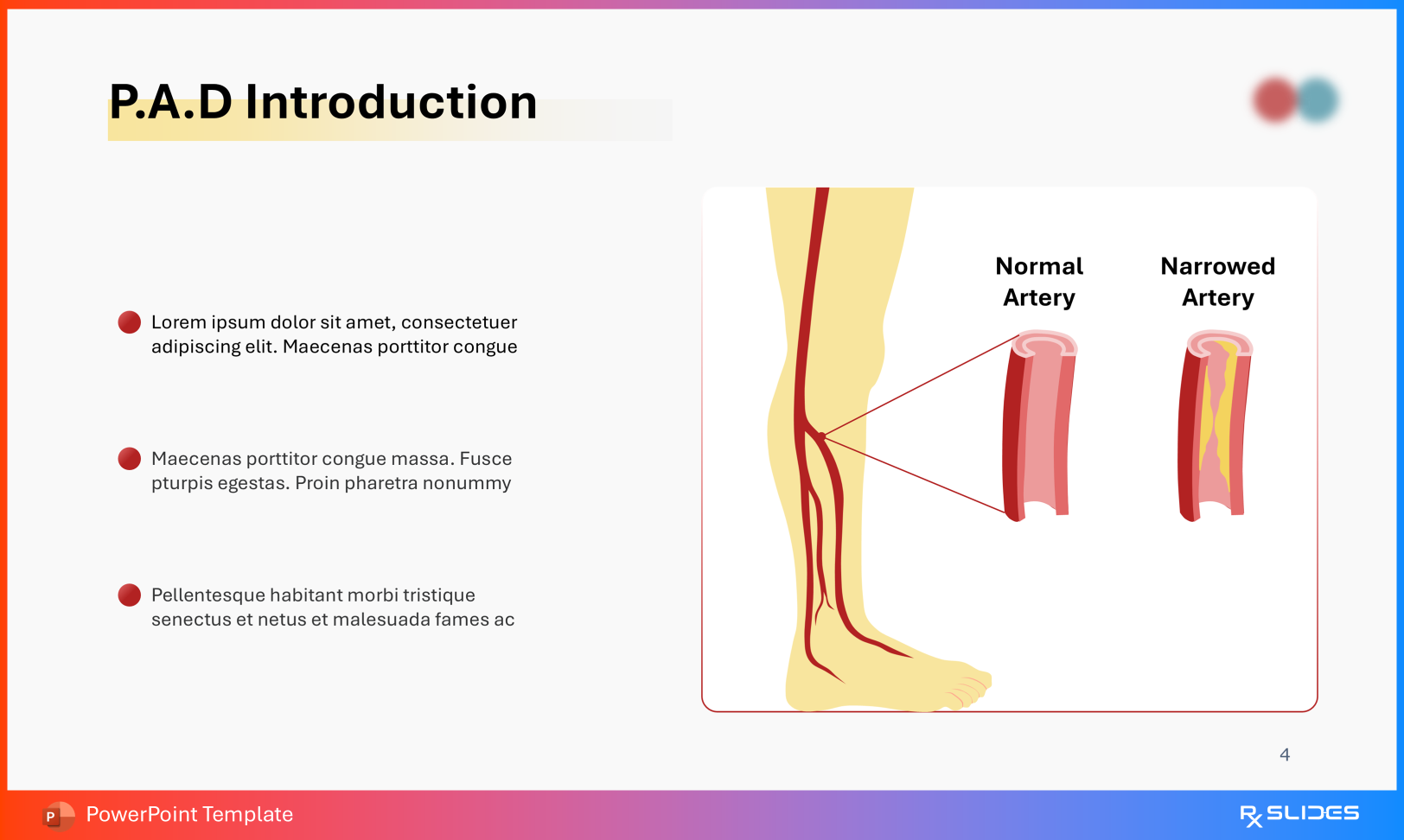
Understanding the biological and mechanical realities of peripheral artery disease is the first step toward accurate clinical documentation and coding. PAD is primarily caused by atherosclerosis, a systemic disease process characterized by the buildup of fatty plaques, cholesterol, calcium, and cellular waste products within the arterial walls. Over time, these plaques harden and narrow the lumen of the arteries, significantly restricting the volume of oxygenated blood delivered to peripheral tissues, particularly during periods of increased metabolic demand.
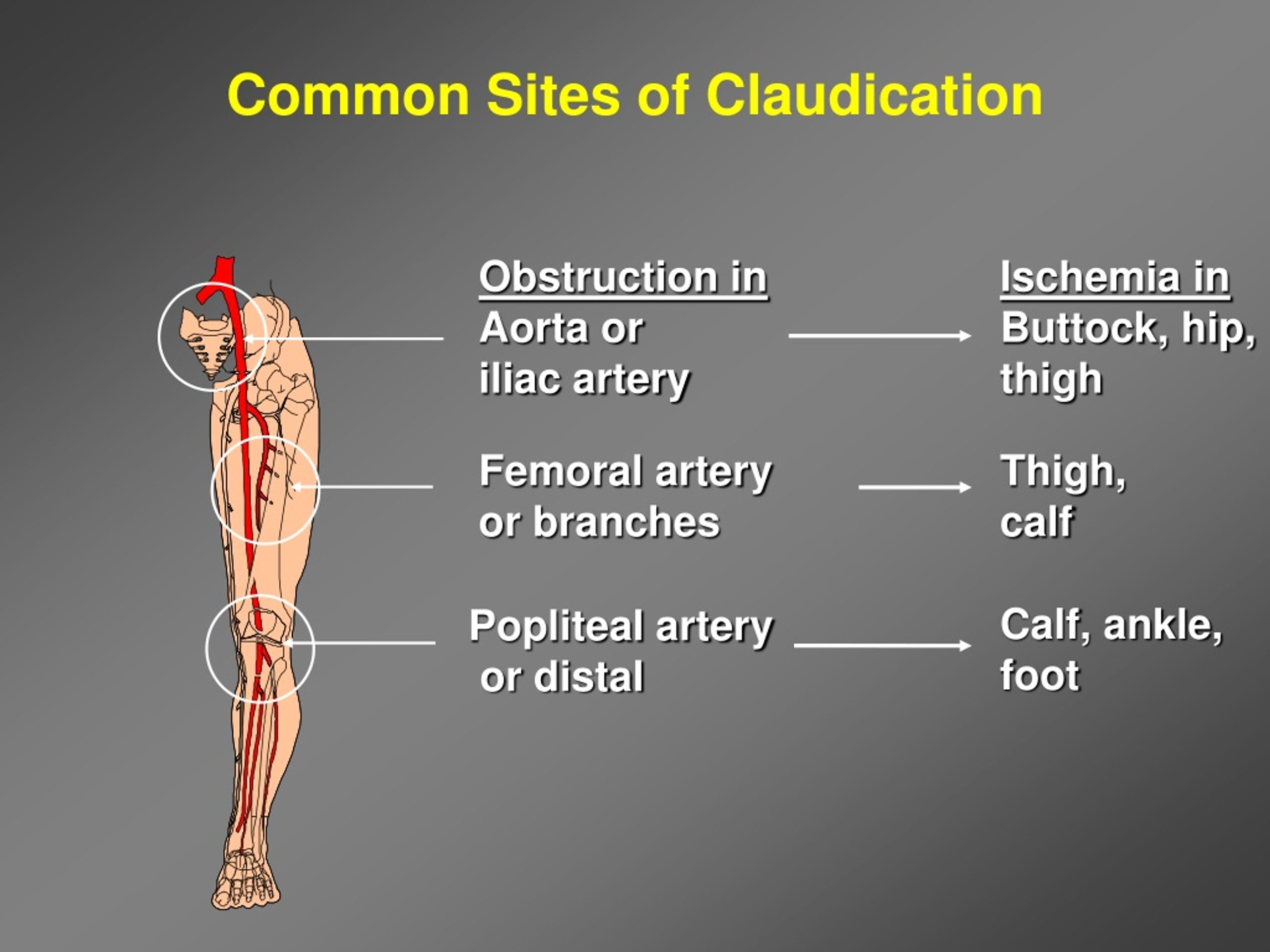
Intermittent claudication is the classic symptomatic manifestation of this arterial narrowing. During walking or physical exertion, the skeletal muscles in the lower extremities require increased blood flow and oxygen. Because the atherosclerotic arteries cannot dilate or accommodate this increased demand, a mismatch occurs between oxygen supply and demand. This localized tissue ischemia produces a predictable, reproducible discomfort, pain, cramping, or fatigue in specific muscle groups—most commonly the calf muscles, though the thighs and buttocks can also be affected depending on the level of arterial obstruction, such as aortoiliac disease.
- Atherosclerotic Plaque Buildup
- Arterial Lumen Narrowing
- Increased Physical Exertion (Walking)
- Mismatched Oxygen Supply & Demand
- Localized Ischemia & Intermittent Claudication
- Relief with Rest / Decreased Demand
A defining characteristic of intermittent claudication is its transient nature. The pain consistently occurs after walking a specific distance and disappears reliably within a few minutes of resting, as the metabolic demand of the muscle drops back to baseline levels. This predictable pattern differentiates vascular claudication from neurogenic claudication (caused by lumbar spinal stenosis) and orthopedic pain. Clinicians must meticulously document the exact location, onset, duration, and precipitating factors of the pain, as these details directly influence medical decision-making and support the necessity of subsequent diagnostic testing or therapeutic interventions.
Diagnostic Pathways and Clinical Evaluation
Before diagnostic or therapeutic codes can be assigned, the presence of peripheral artery disease and intermittent claudication must be confirmed through a structured clinical evaluation. The diagnostic process typically begins with a thorough physical examination, focusing on vascular assessments. Clinicians palpate peripheral pulses—including the femoral, popliteal, posterior tibial, and dorsalis pedis pulses—and grade them on a scale from absent to normal and bounding. Auscultation for bruits over the aorta, iliac, and femoral arteries can reveal turbulent blood flow indicative of significant stenosis.
Following the physical exam, non-invasive vascular laboratories utilize objective testing to quantify the severity of arterial disease. The primary and most accessible screening tool is the Ankle-Brachial Index (ABI). The ABI is calculated by dividing the systolic blood pressure measured at the ankle by the systolic blood pressure measured at the brachial artery in the arm.
- Normal ABI: 1.00 to 1.40 (indicates normal arterial blood flow).
- Borderline ABI: 0.91 to 0.99 (equivocal finding, often requiring exercise testing).
- Abnormal / PAD Diagnosis: 0.90 or less (strongly correlates with significant arterial obstruction).
- Severe Ischemia: 0.50 or less (indicates critical limb-threatening ischemia or severe multi-level disease).
- Non-compressible Vessels: Greater than 1.40 (frequently seen in patients with diabetes or advanced chronic kidney disease due to medial arterial calcification, requiring secondary tests like the Toe-Brachial Index).
When non-invasive tests confirm PAD with claudication, but more detailed anatomical mapping is required—particularly if revascularization is being considered—imaging modalities such as duplex ultrasonography, computed tomographic angiography (CTA), or magnetic resonance angiography (MRA) are employed. Invasive catheter-based conventional angiography remains the gold standard when intervention is planned, allowing simultaneous diagnostic visualization and therapeutic balloon angioplasty, stenting, or atherectomy.
The 2 Code Framework: Decoding Diagnostic and Clinical Classifications
When coding for peripheral artery disease with claudication, professionals must navigate classification systems that capture both the anatomical-pathological diagnosis and the functional severity of the disease. While various billing and registry systems exist, administrative and clinical documentation centers heavily on pairing diagnostic codes that identify the atherosclerotic condition with those specifying the presence of intermittent claudication.
Diagnostic Coding Structures (ICD-10-CM)
In the International Classification of Diseases, 10th Revision, Clinical Modification (ICD-10-CM), atherosclerosis of the native arteries of the extremities is categorized under code family I70.2-. To accurately capture peripheral artery disease with intermittent claudication, the documentation must reflect both the specific anatomical location of the plaque and the functional symptom.
The primary codes utilized in this 2-code conceptual framework typically involve pairing the specific manifestation of claudication with the underlying atherosclerotic etiology:
| Category / Code Family | Clinical Description | Primary Use Case |
|---|---|---|
| I70.21- | Atherosclerosis of native arteries of extremities with intermittent claudication | Captures the primary vascular disease process explicitly paired with the claudication symptom, further specified by anatomical site (right leg, left leg, bilateral, or unspecified). |
| I70.29- | Other atherosclerosis of native arteries of extremities | Used when claudication is not the primary documented symptom, but other manifestations like rest pain or ulceration are present. |
| M79.6- | Pain in limb | General symptom code used only when a specific vascular diagnosis has not yet been established or ruled out. |
| Z79.899 | Other long term (current) drug therapy | Frequently appended to capture antiplatelet or statin regimens managing the underlying vascular condition. |
To achieve coding specificity under the I70.21- family, the fifth and sixth characters define the exact anatomical site affected:
- I70.211: Atherosclerosis of native arteries of the extremities with intermittent claudication, right leg
- I70.212: Atherosclerosis of native arteries of the extremities with intermittent claudication, left leg
- I70.213: Atherosclerosis of native arteries of the extremities with intermittent claudication, bilateral legs
- I70.219: Atherosclerosis of native arteries of the extremities with intermittent claudication, unspecified extremity
Procedural and Interventional Coding Context
Beyond diagnostic assignment, when management transitions from conservative medical therapy to intervention, procedural coding (such as CPT codes) comes into play. Interventions for PAD with claudication—when refractory to supervised exercise therapy and medical management—may involve percutaneous transluminal angioplasty (PTA), stent placement, or atherectomy. These codes require precise documentation of the treated vessel (e.g., femoral, popliteal, tibial) and the access site utilized by the interventionalist.
Documentation Requirements and Clinical Precision
Accurate medical coding is entirely dependent on the quality, clarity, and completeness of the underlying clinical documentation. Vague phrasing such as "leg pain" or "poor circulation" fails to support specific diagnostic codes like intermittent claudication and frequently leads to claim denials, compliance audits, or rejected prior authorizations. Clinicians must document specific elements during every vascular encounter.
First, the clinical note must explicitly link the leg pain to physical activity and confirm its relief with rest. Documenting phrases like "patient reports classic calf claudication after walking approximately two blocks, which resolves within 3 to 5 minutes of resting" provides the exact justification required for code I70.21-. Second, the laterality of the symptoms must be explicitly stated. If a patient experiences bilateral symptoms, the medical record must confirm disease involvement in both lower extremities to justify coding for bilateral involvement (e.g., I70.213) rather than a unilateral code.
Furthermore, documentation should capture the Rutherford or Fontaine classification scores when possible. These clinical grading systems stratify PAD severity based on symptoms and objective hemodynamic testing:
- Rutherford Category 1 / Fontaine Stage IIa: Mild claudication (pain-free walking distance greater than 200 meters).
- Rutherford Category 2 / Fontaine Stage IIb: Moderate to severe claudication (pain-free walking distance less than 200 meters).
- Rutherford Category 3: Severe claudication (marked limitation, often approaching ischemic rest pain thresholds).
Incorporating these structured scales into clinical notes enhances communication between multidisciplinary care teams—including primary care physicians, cardiologists, vascular surgeons, and radiologists—while fortifying the administrative record against coding discrepancies.
Medical Management and Conservative Care Pathways
Before invasive procedures are considered, clinical guidelines mandate an aggressive trial of conservative medical management and risk factor modification for patients with peripheral artery disease and intermittent claudication. The primary goals of this phase are to improve walking distance, enhance overall functional capacity, and reduce the risk of major adverse cardiovascular events (MACE), such as myocardial infarction and stroke, since PAD is a strong indicator of systemic atherosclerosis.
Supervised Exercise Therapy (SET) is established as a first-line intervention. SET programs typically involve treadmill walking exercise sessions conducted in a hospital or outpatient facility for 30 to 45 minutes per session, at least 3 times per week, for a minimum of 12 weeks. These programs stimulate collateral vessel formation, improve skeletal muscle metabolism, and enhance endothelial function.
Simultaneously, comprehensive medical therapy addresses systemic risk factors:
- Smoking Cessation: Absolute cessation is critical, as continued tobacco use dramatically accelerates atherosclerosis and graft failure rates.
- Antiplatelet Therapy: Administration of aspirin (75–325 mg daily) or clopidogrel (75 mg daily) to reduce thrombotic events.
- Lipid-Lowering Agents: High-intensity statin therapy is prescribed to lower low-density lipoprotein (LDL) cholesterol and stabilize atherosclerotic plaques.
- Blood Pressure Control: Strict management of hypertension using ACE inhibitors or ARBs, which have demonstrated vascular protective benefits.
- Glycemic Control: Rigorous management of blood glucose levels in patients with concomitant diabetes mellitus.
Documenting these conservative measures is essential not only for patient health outcomes but also for meeting insurance pre-authorization requirements. Many payers require documented failure or completion of a formal supervised exercise program before approving elective endovascular or surgical revascularization for claudication.
Common Coding and Documentation Pitfalls
Navigating the intersection of vascular medicine and medical coding frequently presents challenges. Recognizing and avoiding common errors ensures compliance and reduces administrative delays.
One frequent mistake is coding generalized limb pain (M79.6-) as the primary diagnosis when diagnostic workup has already confirmed atherosclerosis with claudication. Symptom codes should only be utilized when a definitive diagnosis has not been established. Once an ABI or vascular imaging confirms PAD, the specific atherosclerotic code (I70.21-) must replace the nonspecific symptom code.
Another common pitfall is failing to update laterality or missing the bilateral specification. If a patient initially presents with right-sided claudication but later develops left-sided symptoms, the diagnostic codes must be updated to reflect bilateral disease (I70.213) upon subsequent evaluation and documentation. Assuming a chronic condition code remains static without verifying current clinical notes can result in inaccurate reporting.
Finally, coders and clinicians must remain vigilant regarding the distinction between claudication and critical limb-threatening ischemia (CLTI). Claudication represents stable, exertional ischemia without tissue loss or rest pain. Documenting rest pain, non-healing ulcers, or gangrene elevates the clinical picture to severe ischemic manifestations (e.g., I70.22- or I70.24-), which require entirely different coding pathways and carry significantly higher clinical urgency.
Frequently Asked Questions
What is the primary clinical difference between intermittent claudication and other types of leg pain?
Intermittent claudication is specifically characterized by muscle discomfort, cramping, or fatigue that is consistently triggered by physical exertion (such as walking) and is reliably relieved by a short period of rest. Unlike orthopedic or neurological pain, vascular claudication follows a predictable distance threshold and subsides rapidly when movement stops.
Why is anatomical specificity important when coding for peripheral artery disease?
Anatomical specificity—identifying whether the right leg, left leg, or both are affected—ensures that the medical record accurately reflects the patient's exact disease distribution. This level of detail is required for accurate epidemiological tracking, appropriate resource allocation, and justifying specialized vascular interventions.
Can general symptom codes be used once peripheral artery disease is diagnosed?
No. General symptom codes, such as unspecified pain in a limb, should not be used as the primary diagnosis once a definitive diagnosis of atherosclerosis with intermittent claudication has been established through diagnostic testing or clinical evaluation. The specific disease code must be utilized.
What role does Supervised Exercise Therapy play in managing PAD with claudication?
Supervised Exercise Therapy is a structured, evidence-based outpatient program designed to improve walking endurance and functional capacity through progressive treadmill training. Documenting participation in SET is often mandatory for satisfying insurance pre-authorization criteria before elective revascularization procedures are approved.
How does diabetes affect the diagnostic testing for peripheral artery disease?
Diabetes mellitus frequently causes medial arterial calcification, making the muscular arteries in the lower extremities non-compressible during standard blood pressure cuff inflations. This condition results falsely elevated Ankle-Brachial Index values (greater than 1.40), requiring clinicians to utilize secondary tests, such as the Toe-Brachial Index or pulse volume recordings, to accurately diagnose PAD.
Next Actions and Clinical Implementation
For clinical practices, billing departments, and healthcare providers managing patients with peripheral artery disease, standardizing documentation templates is the most effective way to ensure coding accuracy. Ensure that initial and follow-up clinical notes explicitly capture symptom characteristics, precise laterality, physical exam findings (including pulse grades), and results from objective non-invasive testing like the ABI. By aligning clinical narratives directly with the requirements of the I70.21- coding family, teams can streamline administrative workflows, prevent reimbursement delays, and maintain uncompromising standards of patient care documentation.