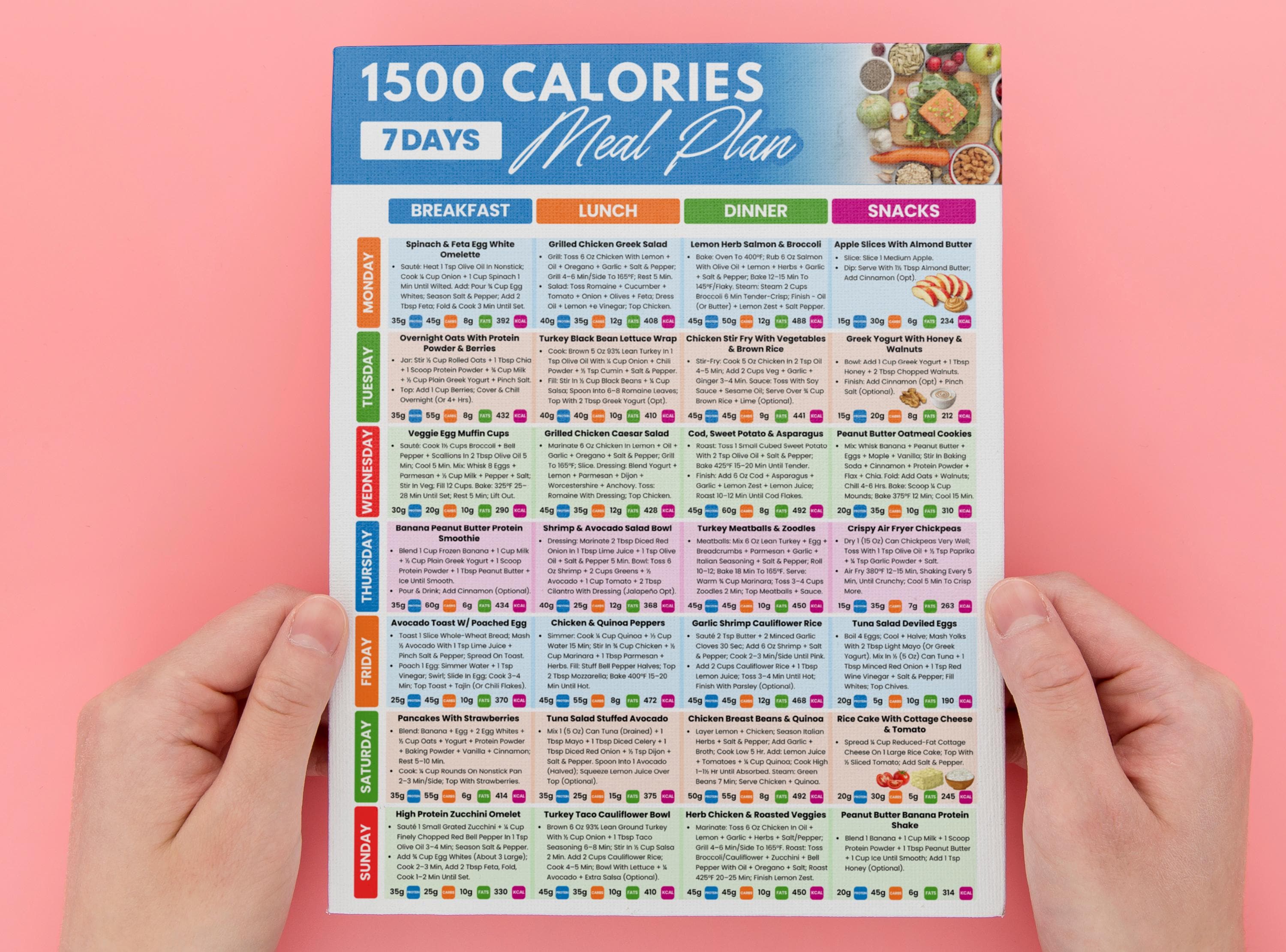
A 1500 calorie deficit is considered excessive and potentially dangerous for the vast majority of individuals. Standard health guidelines recommend a maximum deficit of 500 to 1,000 calories per day to ensure sustainable fat loss while preserving muscle mass and metabolic health. Exceeding this limit often leads to severe nutritional deficiencies, metabolic adaptation, and significant muscle wasting.
The Reality of a 1500 Calorie Deficit
To understand why a 1,500 calorie deficit is problematic, one must first understand the fundamental mathematics of energy balance. Your Total Daily Energy Expenditure (TDEE) is the sum of all calories your body burns in a 24-hour period. This includes your Basal Metabolic Rate (BMR)—the energy required to keep your heart beating and lungs breathing at rest—as well as the calories burned through digestion, daily movement, and intentional exercise.
For an average adult with a TDEE of 2,500 calories, a 1,500 calorie deficit would require consuming only 1,000 calories per day. This is significantly below the BMR for most adults. When you consume fewer calories than your BMR, your body enters a state of physiological stress. It begins to prioritize essential survival functions over non-essential processes like reproduction, hair growth, and immune response. By 2026, nutritional science has reinforced that the "more is better" approach to deficits is a primary driver of long-term weight-loss failure and metabolic damage.
Medical Disclaimer: The information provided in this article is for educational purposes only and does not constitute medical advice. Consult with a healthcare professional or registered dietitian before making significant changes to your diet or exercise routine.
Why a 1500 Calorie Deficit is Too High for Most
The primary reason a 1,500 calorie deficit is too much is the threshold of energy availability. When the body is deprived of energy so aggressively, it does not simply burn stored body fat to make up the difference. Instead, it triggers a series of protective mechanisms designed to prevent starvation.
Metabolic Adaptation and "Starvation Mode"
Metabolic adaptation, often colloquially called "starvation mode," is a real biological phenomenon. When the deficit is too steep, the body becomes more efficient at using energy. It lowers your TDEE by reducing your Non-Exercise Activity Thermogenesis (NEAT)—the small movements like fidgeting or standing that burn calories—and slowing down heart rate and hormonal production.
A study published in the journal Obesity famously tracked participants of extreme weight loss competitions and found that their metabolisms remained suppressed for years after the weight loss ended. A 1,500 calorie deficit creates a similar environment, where the body fights to hold onto every ounce of fat, making future weight maintenance nearly impossible once you return to a "normal" eating pattern.
Muscle Protein Breakdown
The body prefers to preserve fat as a long-term survival fuel. When faced with an extreme 1,500 calorie deficit, the body often turns to muscle tissue to bridge the energy gap through a process called gluconeogenesis. Muscle is metabolically expensive to maintain; by breaking it down, the body reduces its overall daily energy needs.
Losing muscle mass is detrimental for several reasons:
- Lower BMR: Muscle burns more calories at rest than fat. Losing muscle means you will burn fewer calories even when you aren't moving.
- Physical Weakness: Extreme deficits lead to lethargy and a decrease in physical performance.
- Aesthetic Impact: Many people seeking weight loss want a "toned" appearance, which requires underlying muscle mass. Rapid weight loss via an extreme deficit often results in a "skinny-fat" physique.
The Physical and Psychological Consequences
The impact of an aggressive deficit extends far beyond the number on the scale. The systemic stress caused by a 1,500 calorie shortfall can lead to chronic health issues.
Hormonal Imbalance
In both men and women, extreme caloric restriction disrupts the endocrine system. For women, this often manifests as Hypothalamic Amenorrhea, or the loss of a menstrual cycle. This occurs because the body lacks the energy to support reproductive health. In men, a massive deficit can lead to a significant drop in testosterone levels, resulting in low libido, mood swings, and further muscle loss.
Furthermore, levels of leptin (the fullness hormone) plummet, while ghrelin (the hunger hormone) spikes. This creates a state of "perpetual hunger," where the brain is constantly signaling for food, often leading to binge eating episodes and a damaged relationship with food.
Nutritional Deficiencies
It is statistically difficult, if not impossible, to meet your daily requirements for vitamins and minerals on a diet that supports a 1,500 calorie deficit. Most adults need a variety of macronutrients (proteins, fats, and carbohydrates) to sustain organ function.
- Iron: Deficiency leads to anemia and chronic fatigue.
- Calcium and Vitamin D: Insufficient intake leads to bone density loss and increased fracture risk.
- Electrolytes: Low sodium, potassium, and magnesium can cause heart palpitations and muscle cramps.
Cardiovascular Stress
Aggressive undereating can even impact the heart muscle. As the body breaks down tissue for energy, the heart—which is a muscle—can weaken. This can lead to a lower heart rate (bradycardia) and, in extreme cases, cardiac arrhythmias.
Comparing Deficit Levels for Weight Loss
The following table illustrates the difference between moderate, aggressive, and extreme deficits for an individual with a TDEE of 2,500 calories.
| Deficit Level | Daily Calorie Intake | Estimated Weekly Fat Loss | Muscle Retention | Long-Term Sustainability |
|---|---|---|---|---|
| Moderate (250-500) | 2,000 - 2,250 | 0.5 - 1 lb | Very High | Excellent |
| Aggressive (750) | 1,750 | 1.5 lbs | Moderate | Good (Short-term) |
| Dangerous (1,000) | 1,500 | 2 lbs | Low | Poor |
| Extreme (1,500) | 1,000 | 3 lbs+ | Very Low | Non-Existent |
Note: Estimates vary based on individual body composition and activity levels.
Who Should Consider a Higher Deficit?
There are very few scenarios where a deficit approaching 1,000 to 1,500 calories is appropriate, and these are almost exclusively managed in clinical settings.
- Class III Obesity: For individuals with a very high Body Mass Index (BMI) and a TDEE exceeding 4,000 calories, a 1,500 calorie deficit might still leave them with a 2,500 calorie intake. In this specific case, the "deficit" is large, but the total intake remains high enough to support basic physiological functions.
- Medical Supervision: Patients undergoing Very Low-Calorie Diets (VLCD) for rapid weight loss prior to surgery are monitored by doctors to manage electrolyte imbalances and gallstone risks.
For the average person looking to lose 20 to 50 pounds, a 1,500 calorie deficit is not a tool; it is a liability.
How to Calculate a Sustainable Deficit
To avoid the pitfalls of over-restriction, follow these steps to determine a safe and effective rate of weight loss.
Step 1: Find Your Maintenance Calories
Use a reliable TDEE calculator that accounts for your age, height, weight, gender, and activity level. Be honest about your activity—many people overestimate how much they move. For the most accurate results, track your current food intake and body weight for two weeks to see what your true maintenance level is.
Step 2: Subtract 10% to 20%
Instead of choosing an arbitrary number like 1,500, subtract a percentage of your TDEE.
- A 10% deficit is easy to maintain and great for muscle building.
- A 20% deficit is the "sweet spot" for most people seeking fat loss.
For example, if your TDEE is 2,500:
- 20% of 2,500 = 500 calories.
- Your target intake = 2,000 calories.
Step 3: Prioritize Protein
When in a deficit, protein intake becomes the most critical factor for muscle preservation. Aim for 0.7 to 1 gram of protein per pound of body weight. High protein intake also increases satiety, making even a moderate deficit much easier to manage.
Frequently Asked Questions
How much weight would I lose in a 1,500 calorie deficit?
Theoretically, a 1,500 calorie deficit daily would result in approximately 3 pounds of weight loss per week (10,500 total calorie deficit). However, a significant portion of this weight would be water and muscle tissue, not just fat. Furthermore, your body will likely slow its metabolism within weeks, causing the rate of weight loss to stall despite the low calorie intake.
Can I use a 1,500 calorie deficit for just one week to jumpstart my progress?
While a one-week "crash diet" is less likely to cause permanent damage than a long-term one, it is still counterproductive. It often triggers a "restrict-binge" cycle. The rapid drop in weight seen in the first week is almost entirely water and glycogen, which returns immediately once you resume normal eating.
What is the difference between a 1,500 calorie deficit and a 1,500 calorie diet?
This is a common point of confusion. A 1,500 calorie diet means you are eating 1,500 calories per day. Depending on your TDEE, this might be a perfectly healthy deficit. A 1,500 calorie deficit means you are eating 1,500 calories less than your body burns. If your body burns 2,500 and you have a 1,500 deficit, you are only eating 1,000 calories.
What are the warning signs that my deficit is too high?
Key indicators that your caloric restriction is excessive include chronic fatigue, feeling cold all the time, brittle hair and nails, irritability ("hangry"), poor sleep quality, and a complete plateau in strength in the gym. If you experience these, you should increase your caloric intake immediately.
Does exercise count toward the 1,500 calorie deficit?
Yes, exercise contributes to your TDEE. If you eat 2,000 calories and burn 500 through a very intense workout, while your BMR/NEAT accounts for 2,000, your total burn is 2,500, leaving a 500 calorie deficit. Attempting to reach a 1,500 calorie deficit through exercise often leads to overtraining injuries and extreme physical exhaustion.
Moving Toward Sustainable Results
If you have been considering a 1,500 calorie deficit, the most effective next step is to scale back your expectations and focus on consistency over intensity. Rapid weight loss is rarely permanent weight loss. By choosing a moderate deficit of 500 calories, you can maintain your energy levels, keep your muscle mass, and develop eating habits that you can actually sustain for the rest of your life.
Focus on nutrient-dense foods, consistent resistance training, and adequate sleep. These pillars of health will yield better results by the end of 2026 than any extreme short-term deficit ever could.