Planning a trip to the Emerald Isle requires looking past the conventional tourist tracks to uncover experiences that capture the landscape's deep history, rugged coastlines, and vibrant cultural traditions. From ancient monastic ruins and dramatic coastal drives to vibrant musical sessions in coastal villages, Ireland offers diverse ways to immerse yourself in its unique heritage.
1. Drive the Wild Atlantic Way from Head to Toe
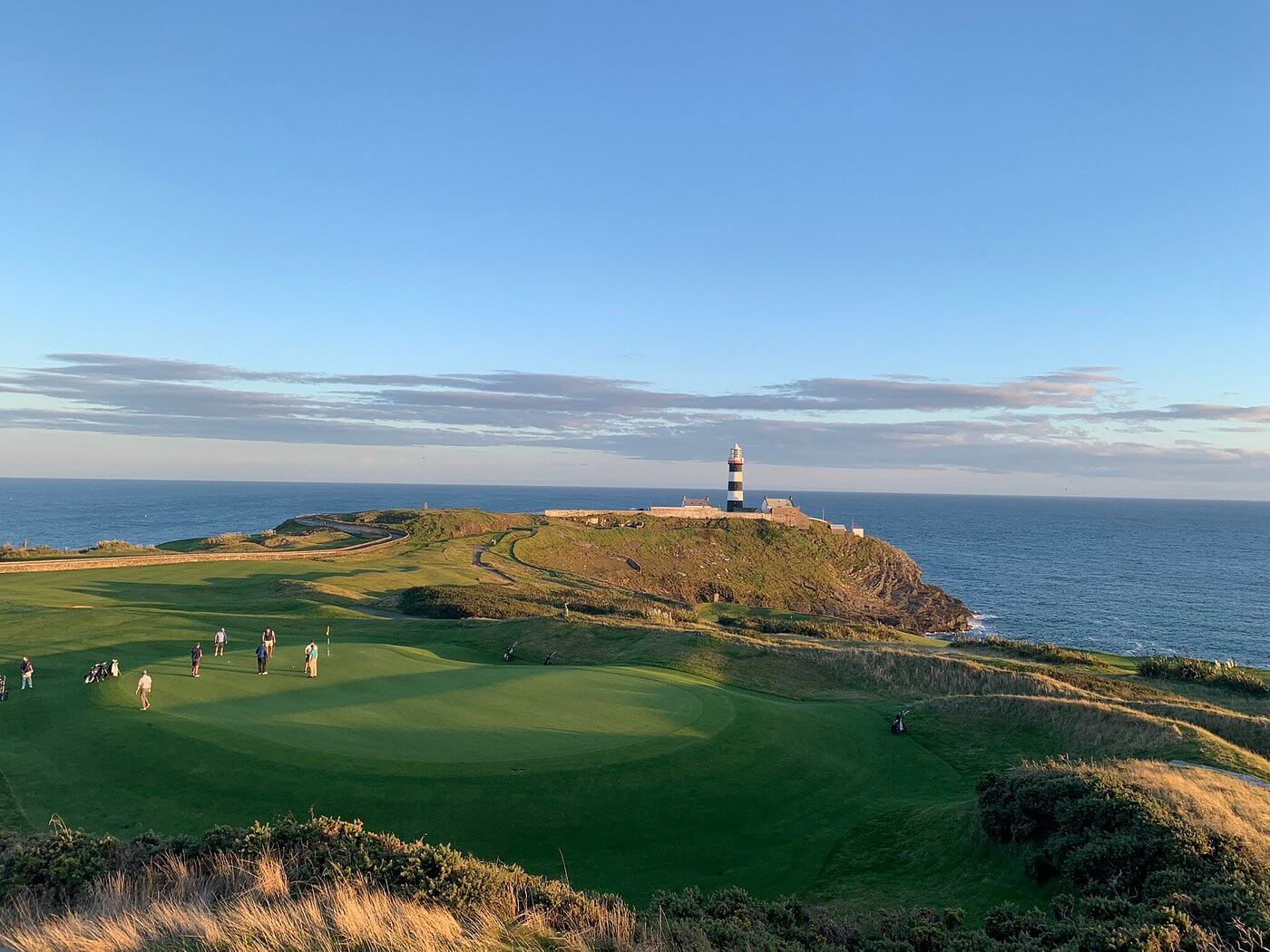
The Wild Atlantic Way stands as one of the longest defined coastal routes in the world, stretching over 2,500 kilometers along Ireland’s western seaboard. Spanning from the Inishowen Peninsula in County Donegal down to the picturesque town of Kinsale in County Cork, this route offers an unmatched window into the Atlantic forces that have shaped the island's culture and geography.
Planning Your Journey Along the Coast
Rather than attempting to drive the entire length in a single week—which leads to fatigue rather than enjoyment—travelers should divide the route into distinct regional sections.
- The Northern Headlands (Donegal and Leitrim): Characterized by towering sea cliffs, remote sandy beaches, and a strong Gaelic-speaking tradition. Do not miss Slieve League, which features some of the highest marine cliffs in Europe.
- The Surf Coast (Sligo and Mayo): Renowned for legendary wave breaks, megalithic tombs, and literary landscapes tied to poet W.B. Yeats.
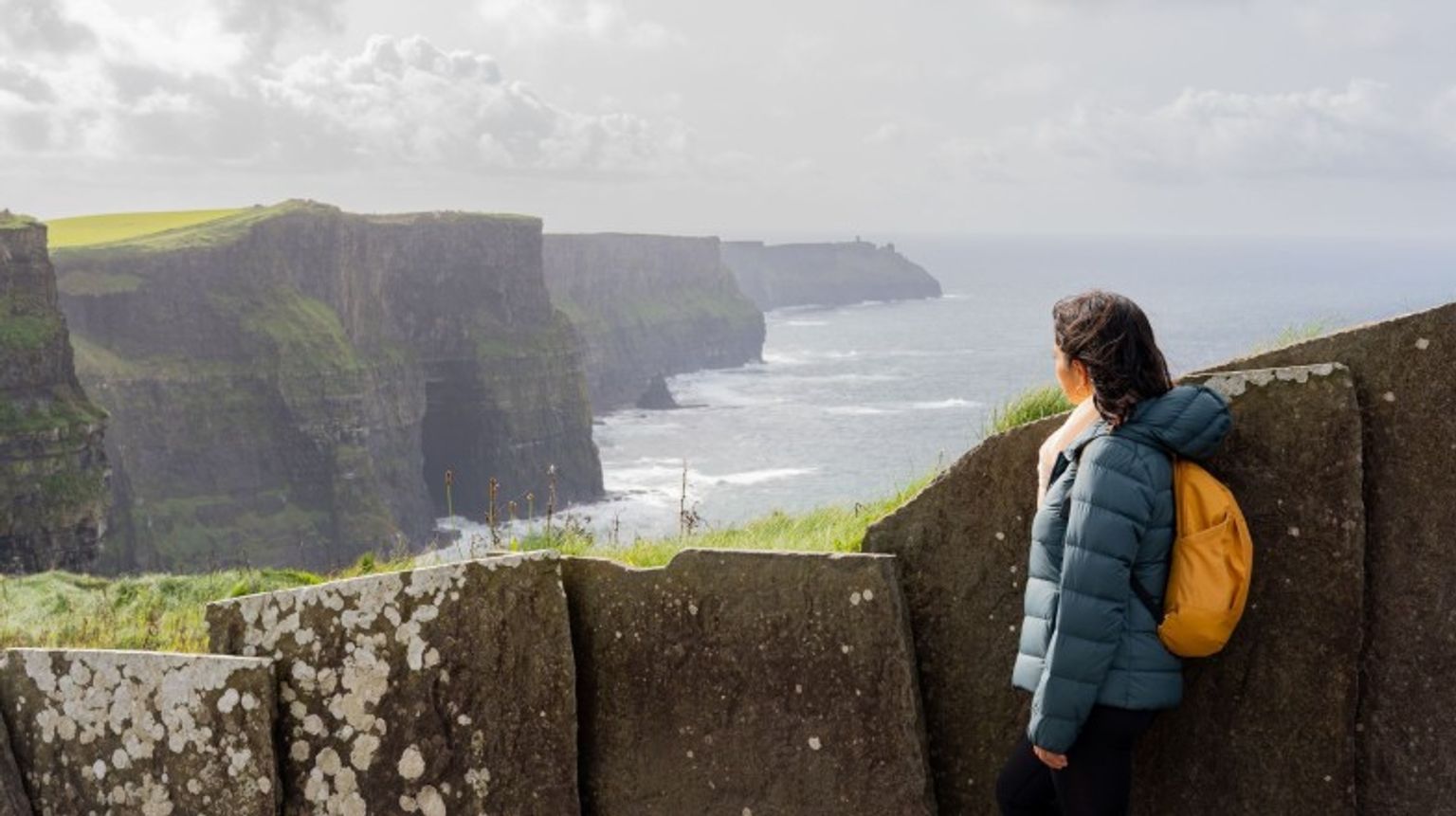
- The Cliff Coast (Galway and Clare): Home to the iconic Cliffs of Moher and the stark, limestone pavements of the Burren.
Practical Considerations for Drivers
Driving in rural Ireland presents unique challenges, particularly along the narrow coastal boreens (country lanes) where stone walls border the tarmac. Renting a compact vehicle is highly recommended to navigate tight passing places. Drivers must also remember that traffic moves on the left side of the road, and manual transmission vehicles are the standard rental option unless an automatic is specifically booked and paid for in advance.
2. Step Back in Time at the Monastic City of Glendalough
Tucked away in the U-shaped glacial valley of County Wicklow, Glendalough (Gleann Dá Loch, meaning "Valley of the Two Lakes") is an early medieval monastic settlement founded by St. Kevin in the 6th century. Located within the Wicklow Mountains National Park, this site combines profound spiritual history with breathtaking natural beauty.
Exploring the Archaeological Remnants
Visitors walking through the gateway enter a remarkably preserved monastic city. Key highlights include:
- The Round Tower: Standing over 30 meters high, this 10th-century bell tower served as a landmark for approaching pilgrims and a secure refuge for valuables during Viking raids.
- St. Kevin’s Church: A remarkably intact stone-roofed building featuring a small round tower belfry at its western end.
- The Cathedral: The largest of the buildings at the main site, constructed in several phases from the 10th through the 12th centuries.
Hiking the Upper and Lower Lakes
Beyond the monastic ruins, well-marked walking trails wind around the lower and upper lakes. The Upper Lake trail leads past St. Kevin’s Bed—a small cave carved into the rock face above the water where the saint is said to have lived a hermitic life. Proper walking shoes are essential, as Irish weather can turn damp, making stone steps and dirt paths slick.
3. Experience Traditional Irish Music in County Clare
County Clare is widely recognized as the traditional music capital of Ireland, with the coastal village of Doolin and the lively market town of Ennis serving as cultural meccas for musicians and listeners alike. Traditional Irish music (ceol) is not a performance preserved behind glass; it is a living, participatory social tradition anchored by the nightly session (seisiún).
What to Expect at a Traditional Session
Sessions typically take place in the cozy corners of local pubs. Musicians gather informally, playing acoustic instruments such as the fiddle, tin whistle, accordion, bodhrán (frame drum), and uilleann pipes.
- Etiquette: Listeners are expected to show respect during the music. Quiet conversation is acceptable between tunes, but talking loudly over a slow air or a lively reel is considered poor form.
- Participation: If you play an instrument, bring it along—though wait to be invited or read the room before joining an established circle of players.
Recommended Musical Hubs
- Gus O'Connor's Pub (Doolin): Famous for decades of nightly sessions and hearty coastal fare.
- The Courthouse Gallery & Studios (Ennis): Offers concerts, workshops, and deep insights into the history of West Clare fiddle styles.
4. Explore the Prehistoric Tombs of the Boyne Valley
Located in County Meath, the Brú na Bóinne archaeological park contains some of the most significant Neolithic monuments in Western Europe. Built over 5,000 years ago—making them older than the Egyptian Pyramids—the passage tombs of Newgrange, Knowth, and Dowth offer a mesmerizing glimpse into Ireland's pagan past.
The Wonder of Newgrange
Newgrange is globally famous for its winter solstice alignment. At dawn on the shortest day of the year (December 21), a narrow beam of sunlight penetrates through a specially engineered roof box above the entrance, slowly illuminating the 19-meter-long stone passage and chamber.
- Winter Solstice Sunrise
- Roof Box Opening
- Stone Passage
- Central Burial Chamber
Essential Booking Advice
Due to strict conservation limits and immense global demand, independent walk-up tickets are rarely available. Visitors must book their tours well in advance through the Brú na Bóinne Visitor Centre near Donore. The visitor center itself features interactive exhibitions that explain the astronomical knowledge and engineering sophistication of the Neolithic builders.
5. Walk the Ancient Walls of Derry-Londonderry
As the only completely walled city remaining in Ireland, Derry (historically known as Londonderry) offers a powerful masterclass in history, resilience, and transformation. Built between 1613 and 1618 by the Honourable The Irish Society, the defensive walls span nearly 1.5 miles in circumference and encircle the historic core of the old Renaissance-style town.
Walking the Ramparts
A self-guided or guided walk along the top of the stone walls provides panoramic views of the city's four original gates—Bishop’s Gate, Ferryquay Gate, Butcher’s Gate, and Shipquay Gate—along with a collection of restored 17th-century cannons.
Cultural and Historical Context
Walking the walls also provides vital perspective on Northern Ireland's complex modern history. The ramparts overlook the Bogside neighborhood, famous for its political murals depicting the Troubles and the Civil Rights movement. Combining a walk along the fortifications with a visit to the Museum of Derry City offers a balanced, deeply moving educational experience.
6. Discover the Isolated Beauty of the Aran Islands
Positioned at the mouth of Galway Bay, the three Aran Islands—Inis Mór (Inis Meáin, and Inis Oírr)—represent a Gaelic-speaking stronghold where traditional island life persists against the backdrop of the wild Atlantic Ocean.
Highlights of the Islands
- Dún Aonghasa (Inis Mór): A prehistoric fort perched dramatically on the edge of a 100-meter-high sea cliff. Its semi-circular stone ramparts and the sheer drop into the roaring ocean below make it one of Ireland's most breathtaking archaeological sites.
- The Dry Stone Networks: The islands are famous for an intricate labyrinth of limestone walls built without mortar to divide fields against the fierce Atlantic winds.
Getting There and Getting Around
Ferries depart daily from Rossaveel in County Galway and Doolin in County Clare, while regional flights operate from Connemara Airport. Once on the islands, motorized vehicle rentals are limited for tourists; the preferred methods of transport are renting a bicycle, hiring a horse-drawn carriage (tackney), or exploring on foot.
7. Tour the Ring of Kerry and Killarney National Park
The Ring of Kerry scenic drive encircles the Iveragh Peninsula in County Southwest Ireland, covering roughly 179 kilometers of towering mountain passes, shimmering loughs, and dramatic Atlantic coastlines. While popular with bus tours, careful planning allows independent travelers to experience its quieter charms.
Navigating the Ring Safely
Tour buses generally travel counter-clockwise around the loop. To avoid being stuck behind large coaches on narrow roads, rent a car and travel in the opposite direction (clockwise) starting early in the morning, or focus on specific highlights such as the Gap of Dunloe and Valentia Island.
Killarney National Park
Bordering the eastern edge of the peninsula, Killarney National Park was Ireland's first national park, established around the scenic lakes of Killarney. Key sites within the park include:
- Muckross House and Gardens: A 19th-century Victorian mansion set against the shores of Muckross Lake.
- Torc Waterfall: A picturesque 20-meter-high cascade fed by the Owengarriff River.
- Ross Castle: A 15th-century stronghold perched on the edge of Lough Leane, offering boat tours of the lake and its historic monastic ruins on Innisfallen Island.
8. Taste Authentic Irish Food Culture in Cork City
Long celebrated as the culinary capital of Ireland, Cork City boasts a dynamic food culture rooted in sustainable farming, fresh seafood from Atlantic ports, and a proud artisan tradition.
The English Market
Dating back to 1788, the English Market is an architectural and culinary landmark located in the heart of Cork City. Under its Victorian roof, local traders sell everything from fresh wild Atlantic fish and organic vegetables to farmhouse cheeses, spiced beef, and artisanal chocolates.
Beyond the Market
Cork's food scene extends into its bustling neighborhoods, where independent cafes, microbreweries, and farm-to-table restaurants highlight regional produce. Be sure to sample traditional Cork specialties such as:
- Drisheen: A traditional local blood pudding often served with tripe.
- Barry's Tea: The beloved regional black tea blend that accompanies nearly every meal.
- Local Farmhouse Cheeses: Including Gubbeen, Durrus, and Cashel Blue, crafted in the surrounding pastoral countryside.
9. Traverse the Giant’s Causeway and Antrim Coast
Crossing into Northern Ireland, the Antrim Coast Road leads to the Giant’s Causeway in County Antrim—a geological wonder consisting of approximately 40,000 interlocking basalt columns rising from the sea. Formed by ancient volcanic activity over 50 million years ago, the site is equally steeped in geological science and Celtic mythology regarding the giant Finn McCool.
Essential Antrim Coast Stops
To make the most of an Antrim Coast road trip, combine the Causeway with nearby coastal attractions:
- Carrick-a-Rede Rope Bridge: A thrilling rope bridge suspended 30 meters above the sea, connecting the mainland to a tiny rocky island formerly used by salmon fishermen.
- Dunluce Castle: The dramatic ruins of a medieval castle perched precariously on a basalt crag overlooking the crashing waves.
- The Dark Hedges: An atmospheric avenue of beech trees planted in the 18th century, made famous globally by fantasy television series.
10. Trace Literary History in Dublin
No Irish journey is complete without exploring Dublin, a UNESCO City of Literature that has produced some of the world's greatest writers, including James Joyce, W.B. Yeats, Oscar Wilde, and Samuel Beckett.
Key Literary Landmarks
- The Book of Kells at Trinity College: Housed in the Old Library, this magnificent 9th-century illuminated manuscript contains the four Gospels of the New Testament in Latin. The Long Room upstairs features over 200,000 of the library's oldest books.
- The Dublin Writers Museum: Showcases the lives and works of Ireland's literary giants through first editions, letters, and personal belongings.
- The James Joyce Centre: Located in a restored Georgian townhouse, celebrating the life and enduring influence of the author of Ulysses and Dubliners.
Summary Comparison of Top Irish Experiences
| Experience Region | Primary Highlight | Best Season to Visit | Estimated Duration |
|---|---|---|---|
| Wild Atlantic Way | Coastal cliffs and remote villages | May to September | 7–14 Days |
| Glendalough | Medieval monastic ruins and lakes | Year-round | 1 Day |
| County Clare | Traditional Irish music sessions | Year-round | 2–3 Days |
| Boyne Valley | Neolithic passage tombs (Newgrange) | March to October | 1 Day |
| Derry-Londonderry | 17th-century fortified city walls | Year-round | 1–2 Days |
| Aran Islands | Prehistoric forts and island culture | June to August | 1–2 Days |
| Ring of Kerry | Scenic mountain passes and lakes | May to September | 2–3 Days |
| Cork City | The English Market and food culture | Year-round | 1–2 Days |
| Antrim Coast | Giant's Causeway basalt columns | Year-round | 1–2 Days |
| Dublin | Literary heritage and Trinity College | Year-round | 2–4 Days |
Frequently Asked Questions
What is the best time of year to visit Ireland?
The ideal time to visit Ireland is during the shoulder seasons of May, June, and September. During these months, weather conditions are generally milder, daylight hours are long, and major tourist attractions experience lower visitor congestion compared to July and August.
Do I need a car to travel around Ireland?
While major cities like Dublin, Cork, and Galway are well-connected by train and bus networks, renting a car is strongly recommended to explore rural regions, coastal peninsulas, and off-the-beaten-path historical sites effectively.
What currency is used in Ireland?
The Republic of Ireland uses the Euro (€), while Northern Ireland (part of the United Kingdom) uses the British Pound Sterling (£). Travelers visiting both jurisdictions should plan for currency exchange or use contactless credit cards, which are widely accepted across the island.
How far in advance should I book major attractions like Newgrange?
High-demand heritage sites such as Newgrange within the Brú na Bóinne complex should be booked online several weeks or even months in advance, particularly if you are traveling during peak summer months.
Is English spoken everywhere in Ireland?
Yes, English is spoken universally throughout the island. However, Irish (Gaeilge) is the national and first official language, and you will encounter it on bilingual road signs, official documentation, and within designated Gaeltacht regions along the western coast.
Final Recommendation for Travelers
To craft an unforgettable Irish itinerary, select three distinct regions that balance urban culture with rural exploration—such as starting with Dublin's literary history, driving through the dramatic landscapes of the Wild Atlantic Way, and ending with traditional music in County Clare. Advance booking for high-demand sites like Newgrange and securing a compact rental vehicle will ensure a seamless journey through the Emerald Isle.