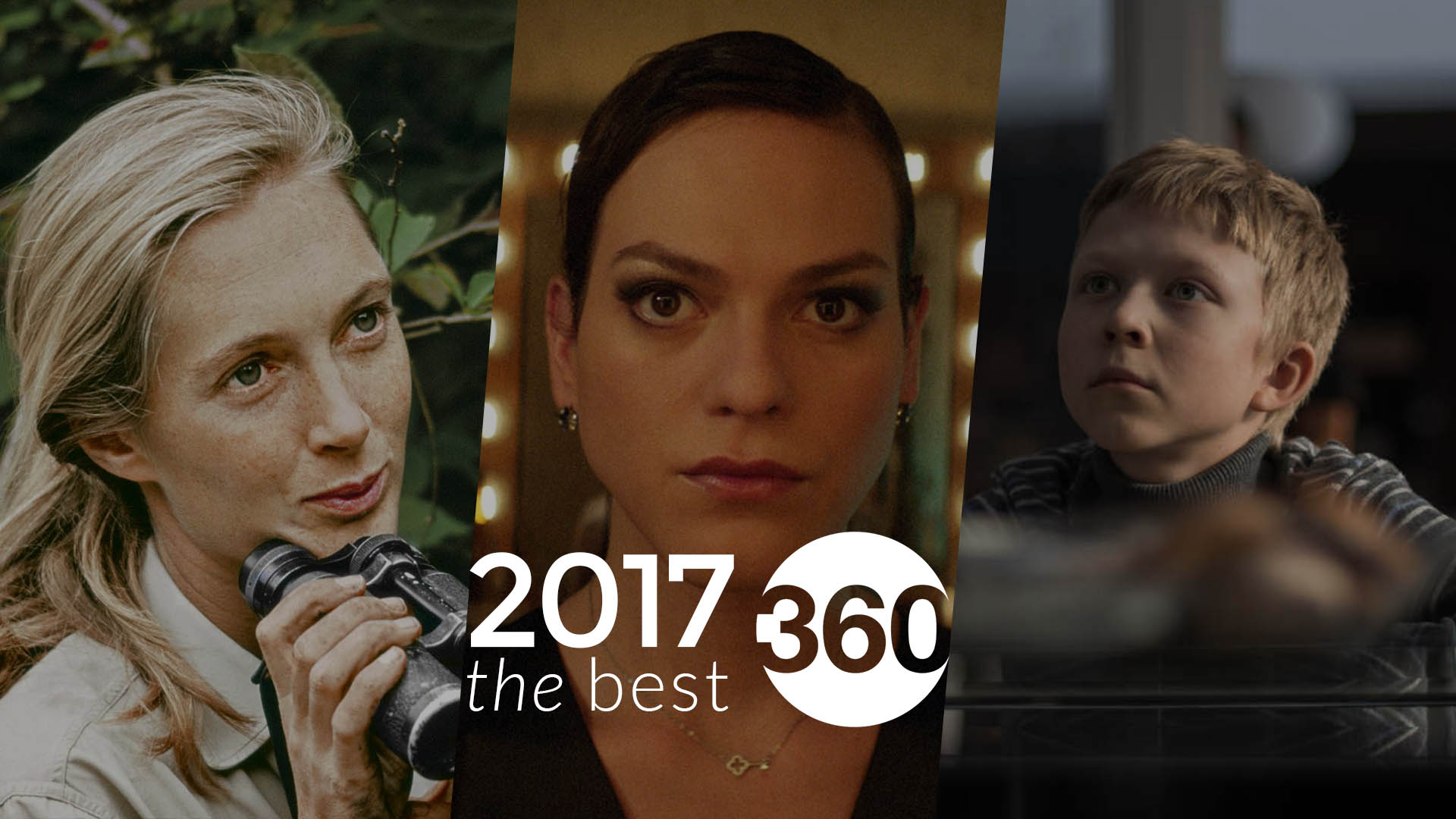
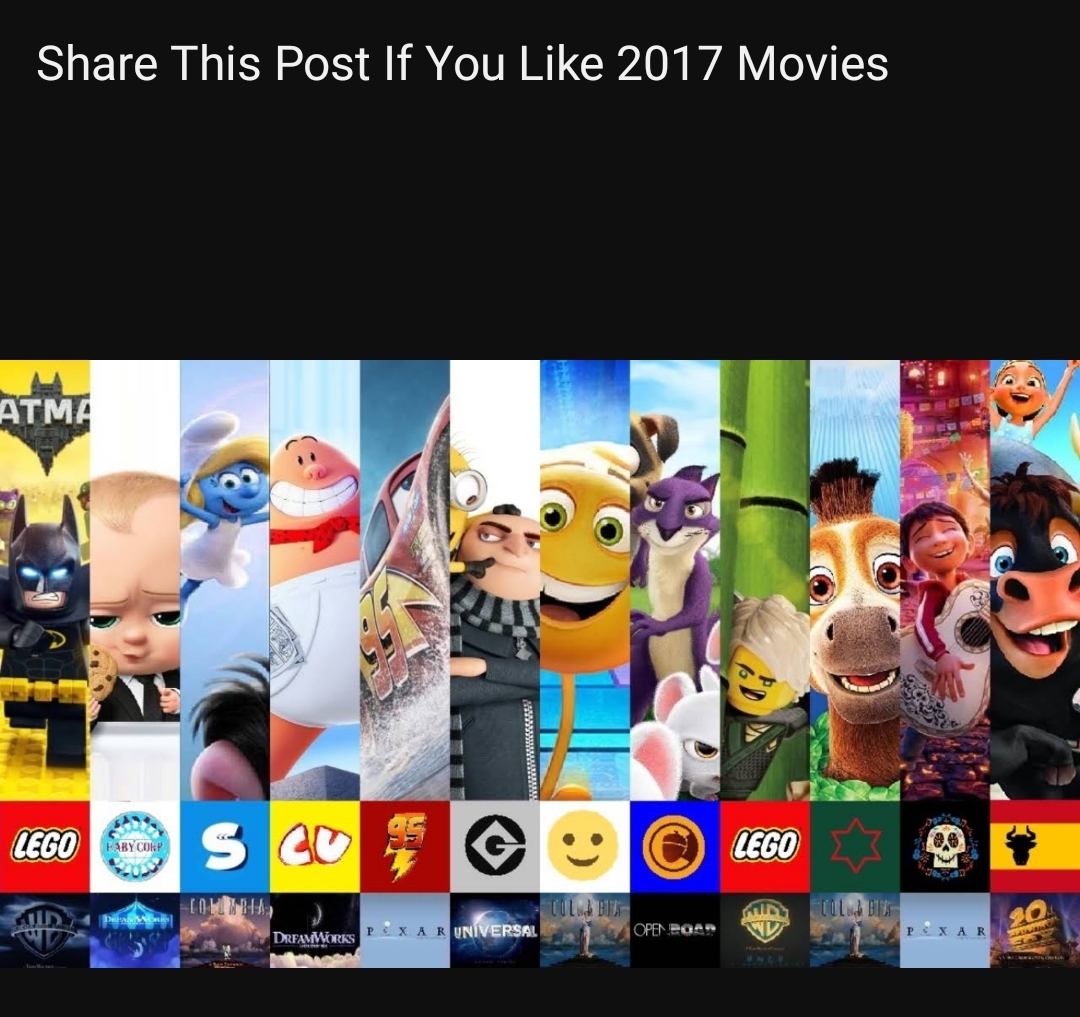
The cinematic landscape of 2017 delivered a remarkable array of films, ranging from groundbreaking superhero blockbusters and visually stunning sci-fi sequels to critically acclaimed independent dramas and thought-provoking horror. For audiences looking back at this pivotal year in film history, tracking down these ten essential releases offers a comprehensive cross-section of what made 2017 an unforgettable era for the silver screen.
Introduction to the Cinematic Landscape of 2017
The year 2017 was a fascinating period for the global film industry. It challenged traditional studio models, pushed technical boundaries with innovations in digital cinematography, and saw the maturation of comic book adaptations into legitimate auteur-driven cinema. Looking back from 2026, the distance of nearly a decade allows us to view 2017 not merely as a collection of box office hits, but as a foundational year that shaped modern franchise filmmaking and prestige streaming content.
Whether you are revisiting these titles for a nostalgic movie marathon or discovering them for the first time, understanding the cultural and technical context of these ten films enriches the viewing experience. Below is a curated guide to the ten defining movies released in 2017 that captured public imagination, dominated critical discussions, and left an indelible mark on cinematic history.
1. Blade Runner 2049
Directed by Denis Villeneuve, Blade Runner 2049 achieved the nearly impossible task of following up Ridley Scott’s 1982 sci-fi masterpiece. Starring Ryan Gosling as K, a blade runner uncovering a secret that could plunge society into chaos, and featuring the return of Harrison Ford as Rick Deckard, the film is a masterclass in world-building.
- Cinematography: Roger Deakins won his long-overdue Academy Award for Best Cinematography, utilizing stark amber deserts, brutalist architecture, and neon-drenched dystopias.
- Themes: The narrative deeply explores identity, consciousness, artificial life, and what it truly means to possess a soul.
- Technical Spec: Shot on the Arri Alexa XT with master prime lenses, the visual discipline of the production remains a benchmark for modern science fiction.
2. Get Out
Jordan Peele’s directorial debut, Get Out, redefined the horror genre by blending psychological suspense with sharp, piercing social satire. The film follows Chris Washington (Daniel Kaluuya), a young Black photographer who uncovers a disturbing, sinister secret when he visits the suburban estate of his white girlfriend's family.
- Impact: The film grossed over $255 million worldwide against a modest $4.5 million budget, proving that original, mid-budget psychological thrillers could dominate both the box office and the awards circuit.
- Accolades: Jordan Peele won the Academy Award for Best Original Screenplay, making history as the first African American writer to win in that category.
- Cultural Resonance: The term "the sunken place" entered the modern cultural lexicon to describe a state of psychological paralysis and societal marginalization.
3. Dunkirk
Christopher Nolan’s Dunkirk offered an intensely visceral, non-linear retelling of the historic World War II evacuation. Rather than focusing on grand political strategy or dialogue-heavy exposition, Nolan split the narrative across three converging perspectives: land (soldiers on the mole), sea (civilian boats crossing the channel), and air (Spitfire pilots).
- Immersive Sound Design: Hans Zimmer’s ticking-clock score, combined with the raw audio recording of actual historical firearms, created an atmosphere of relentless panic.
- Visual Craft: Shot primarily on IMAX 65mm and 65mm large-format film stock, the visual scope emphasizes the vast, indifferent scale of nature against human vulnerability.
- Pacing: Running at a lean 106 minutes, it stands as one of the most tightly edited war epics ever produced.
4. Logan
Directed by James Mangold, Logan provided a gritty, elegiac farewell to Hugh Jackman’s iconic portrayal of the Wolverine. Set in a near-future dystopia where mutants are nearly extinct, an aging and weary Logan must protect a mysterious young mutant named Laura (Dafne Keen) from ruthless corporate forces.
- Tone Shift: Eschewing the glossy, interconnected aesthetic of standard superhero films, Logan embraced the conventions of a neo-Western road movie.
- R-Rating Freedom: The higher age rating allowed the production to explore visceral action, emotional exhaustion, and mortal stakes that traditional PG-13 comic book adaptations rarely touch.
- Legacy: The film earned a Best Adapted Screenplay nomination, a rare feat for a comic book adaptation, solidifying its place in cinematic history.
5. Call Me by Your Name
Luca Guadagnino’s sensual and sun-drenched romance, Call Me by Your Name, captured the bittersweet agony of first love. Set in Northern Italy in the summer of 1983, the film chronicles the blossoming relationship between 17-year-old Elio Perlman (Timothée Chalamet) and Oliver (Armie Hammer), an American academic staying with Elio's family.
- Atmosphere: The production successfully recreated an idyllic, slow-paced European summer filled with classical music, swimming, cycling, and philosophical discourse.
- Breakout Star: Timothée Chalamet’s vulnerable, intensely layered performance launched him into global superstardom and earned him an Academy Award nomination for Best Actor.
- Music: Featuring haunting original songs and musical contributions by Sufjan Stevens, the soundtrack remains a defining element of the film's emotional weight.
Comparison of 2017 Cinematic Highlights
To better understand the diverse range of genres and critical receptions that defined 2017, the following table compares key production metrics across several of these landmark films.
| Film Title | Primary Genre | Director | Academy Award Wins | Box Office Status |
|---|---|---|---|---|
| Blade Runner 2049 | Sci-Fi / Neo-Noir | Denis Villeneuve | 2 (Cinematography, Visual Effects) | Box Office Underperformer, Cult Classic |
| Get Out | Psychological Horror | Jordan Peele | 1 (Original Screenplay) | Massive Commercial Hit |
| Dunkirk | War / Historical Epic | Christopher Nolan | 3 (Editing, Sound Editing, Sound Mixing) | Commercial & Critical Blockbuster |
| Logan | Superhero / Western | James Mangold | 0 (Nominated for Best Adapted Screenplay) | Commercial & Critical Hit |
| Call Me by Your Name | Romance / Drama | Luca Guadagnino | 1 (Best Adapted Screenplay) | Arthouse Commercial Success |
6. The Shape of Water
Guillermo del Toro’s The Shape of Water is a whimsical, darkly romantic fairy tale set against the backdrop of the Cold War. Elisa Esposito (Sally Hawkins), a mute cleaning woman working in a high-security government laboratory, discovers a captive amphibious creature (Doug Jones) and forms a profound, wordless bond with him.
- Aesthetic Vision: Del Toro’s signature mastery of practical creature effects, lush color grading (dominated by aquatic greens and blues), and detailed set design earned widespread acclaim.
- Accolades: The film triumphed at the 90th Academy Awards, taking home statues for Best Picture and Best Director.
- Genre Blending: It successfully merged elements of 1950s creature features, romantic melodrama, espionage thrillers, and social commentary.
7. Lady Bird
Greta Gerwig made her solo directorial debut with Lady Bird, a deeply personal and sharply funny coming-of-age comedy-drama. Saoirse Ronan stars as Christine "Lady Bird" McPherson, an artistic, strong-willed high school senior navigating turbulent friendships, first romances, and a complex, fractious relationship with her mother (Laurie Metcalf) in Sacramento, California.
- Authenticity: Gerwig’s script captured the exact cadence, financial anxieties, and emotional turbulence of teenage life in the early 2000s without relying on cliché tropes.
- Critical Acclaim: For a period, the film held the record for the highest number of consecutive positive reviews on Rotten Tomatoes, reflecting its universal emotional resonance.
- Performances: Both Ronan and Metcalf delivered career-best work, anchoring the emotional core of a mother-daughter dynamic rarely depicted with such nuance.
8. Phantom Thread
Directed by Paul Thomas Anderson, Phantom Thread is an obsessive, meticulously crafted romantic drama set in the glamorous world of 1950s London fashion. Daniel Day-Lewis stars as Reynolds Woodcock, a fastidious dressmaker whose highly structured life is completely upended by a strong-willed young waitress named Alma (Vicky Krieps).
- Costume Design: Mark Bridges won an Academy Award for designing exquisite period-accurate garments that served as tangible representations of the characters' power dynamics.
- Performances: This film marked the final screen performance of Daniel Day-Lewis prior to his retirement from acting, cementing his legacy with a masterclass in controlled eccentricity.
- Tone: Equal parts romance, dark comedy, and psychological thriller, the film examines the bizarre compromises required to sustain a lifelong partnership.
9. Star Wars: The Last Jedi
Written and directed by Rian Johnson, Star Wars: The Last Jedi remains one of the most culturally divisive and intellectually ambitious blockbuster entries of the 21st century. The narrative follows Rey (Daisy Ridley) as she seeks guidance from a disillusioned Luke Skywalker (Mark Hamill), while the Resistance attempts to evade total annihilation by the First Order.
- Subversion of Tropes: Johnson deliberately challenged audience expectations by subverting traditional franchise lore, questioning the binary nature of the Force, and dismantling traditional hero mythologies.
- Visual Splendor: The film featured striking painterly compositions, most notably the crimson throne room sequence and the silent, hyperspace kamikaze maneuver over Crait.
- Debate: Years after its release, the film continues to spark passionate discussions among cinephiles and sci-fi fans regarding the risks of expanding established cinematic universes.
10. Coco
Pixar Animation Studios delivered an emotional powerhouse with Coco, an animated fantasy adventure centered around the Mexican holiday of Día de los Muertos (Day of the Dead). The story follows Miguel, a 12-year-old aspiring musician who accidentally crosses over into the Land of the Dead and must seek the blessing of his deceased ancestors to return.
- Cultural Authenticity: The production team spent years consulting with cultural advisors, artists, and community leaders in Mexico to ensure respectful and accurate depictions of traditions, folklore, and familial bonds.
- Music: The film's signature song, "Remember Me" (written by Kristen Anderson-Lopez and Robert Lopez), won the Academy Award for Best Original Song and became a global emotional anchor.
- Technical Achievement: Rendering the millions of marigold petals, skeletal physics, and vibrant lighting systems required significant computational breakthroughs in animation software.
Frequently Asked Questions
Which movie won the Academy Award for Best Picture for films released in 2017?
Guillermo del Toro’s The Shape of Water won the Academy Award for Best Picture at the 90th Academy Awards ceremony held in early 2018. It competed against a diverse slate of nominees, including Dunkirk, Get Out, and Lady Bird.
Were there any major box office blockbusters released in 2017?
Yes, 2017 was a massive year for commercial blockbusters. Aside from Star Wars: The Last Jedi, which dominated the global box office, other major financial successes included Beauty and the Beast, The Fate of the Furious, Despicable Me 3, and Marvel's Thor: Ragnarok.
How can I watch these 2017 movies today?
Most of these titles are widely accessible across various subscription video-on-demand (SVOD) streaming platforms, digital rental storefronts (such as Apple TV, Amazon Prime Video, and Google Play), and physical media formats like Blu-ray and 4K UHD disc for cinephiles seeking uncompressed audio and video quality.
What made 2017 such a notable year for independent cinema?
The year saw a surge in distribution companies like A24 and Neon championing distinctive, director-driven projects (Get Out, Lady Bird, Call Me by Your Name) that proved original, mid-budget storytelling could achieve both critical reverence and sustainable commercial profitability outside of franchise formulas.
Conclusion and Recommended Next Actions
Exploring the cinematic landscape of 2017 reveals a year of remarkable contrasts, where massive intellectual property experiments coexisted with deeply personal auteur visions and innovative genre storytelling. To get the most out of a retrospective viewing of these ten films, consider starting with a genre-based double feature—such as pairing the psychological tension of Get Out with the sweeping historical scale of Dunkirk, or contrasting the cozy animation of Coco with the brutal realism of Logan. Check your preferred streaming services or local independent cinemas for upcoming anniversary screenings and physical media releases to experience these modern classics at their best.