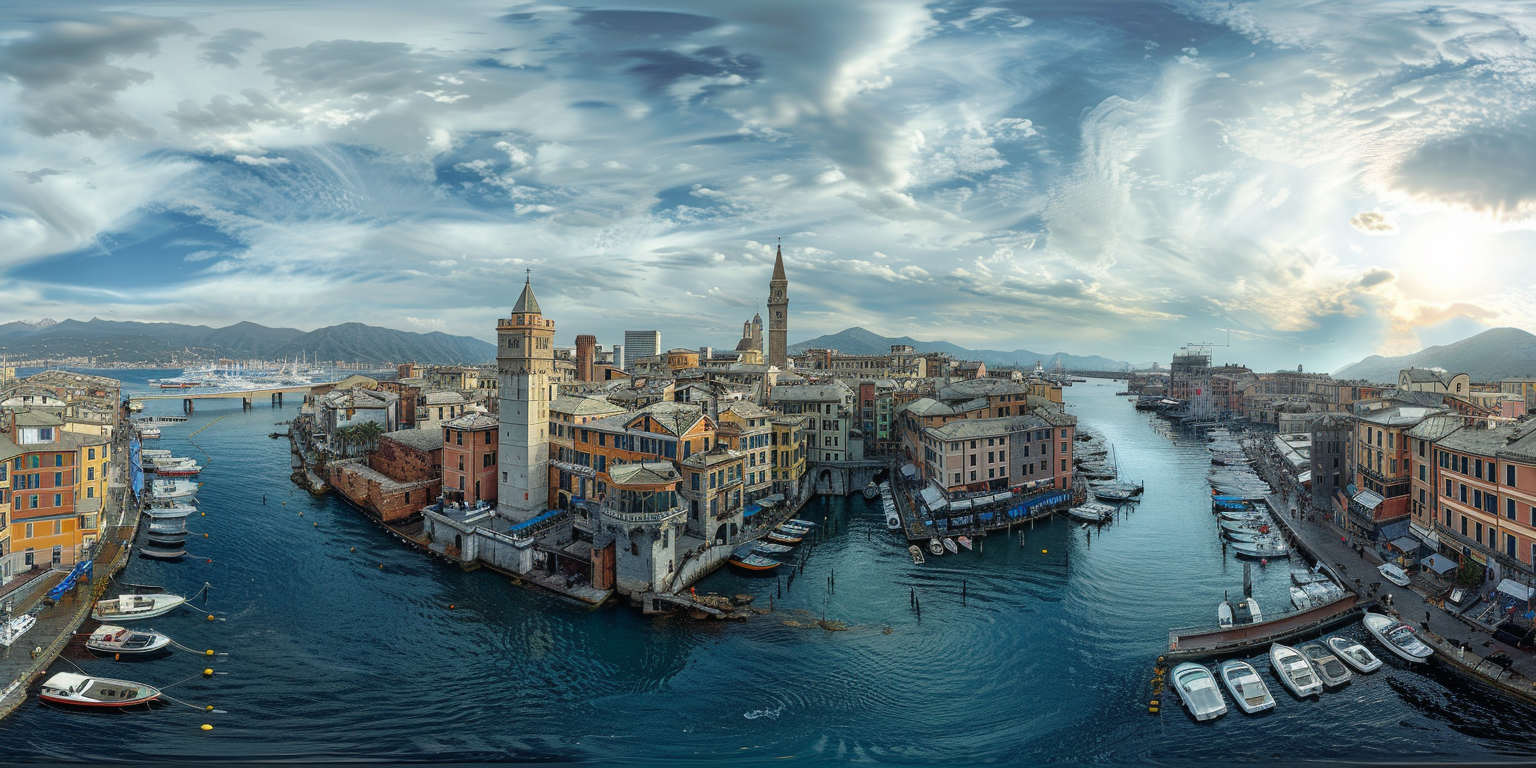
Visiting Genova (Genoa) in 2026 requires an understanding of its unique vertical geography, maritime heritage, and complex urban layout. These ten essential tips focus on mastering the city’s public funiculars, navigating the historic "caruggi" alleyways, optimizing regional transport for day trips, and respecting local dining customs to ensure an authentic experience in Liguria’s vibrant capital.
1. Master the Vertical Public Transit System
Genova is famously defined by its dramatic topography, where the city climbs steeply from the Mediterranean coastline into the surrounding Apennine mountains. Traditional walking can be exhausting, but the city features an ingenious public transit network specifically designed for this incline.
Beyond standard buses, prioritize the use of the funiculars (such as the Zecca-Righi line) and public elevators (ascensori). These are fully integrated into the AMT (Azienda Mobilità e Trasporti) ticketing system. A standard urban ticket allows you to transition between the metro, buses, and these vertical lifts seamlessly. For the best views of the harbor, ride the Zecca-Righi funicular to the Righi heights, where you can access panoramic trails looking down over the historic center.
2. Navigate the "Caruggi" with Awareness
The caruggi—Genova’s dense, labyrinthine network of medieval alleyways—are the heartbeat of the city. While they house some of the best hidden trattorias and artisan shops, they are notoriously easy to get lost in due to the lack of clear sightlines and GPS signal interference caused by the high, tightly packed buildings.
Treat these alleyways as a destination rather than a thoroughfare. Do not rely exclusively on digital maps, which often struggle with the narrow passages and overlapping levels. Instead, identify landmark piazze (small squares) to orient yourself. Furthermore, practice basic urban awareness: while the city is safe, these areas become very dark and quiet at night. Stick to the main thoroughfares like Via di Sottoripa or Via San Lorenzo after dusk.
3. Utilize the Genova City Pass for Efficiency
If you plan to visit major attractions, the Genova City Pass is an effective tool to simplify logistics and reduce costs. As of 2026, the pass provides entry to the Galata Maritime Museum, the Royal Palace, and the iconic Lanterna (the lighthouse), while also covering public transport.
Before purchasing, calculate your entry fees against the pass cost. The primary benefit is not just the discount but the skip-the-line privileges at high-traffic sites during the summer peak season. Note that museum operating hours in Italy often shift on Mondays; always verify the current schedule on the official VisitGenoa website before finalizing your itinerary.
4. Prioritize Train Travel for Coastal Connectivity
Genova serves as the primary gateway to the Italian Riviera. The city is served by two main railway stations: Genova Brignole and Genova Piazza Principe.
- Piazza Principe: Best for travelers arriving from or departing to the west (France, Sanremo, Savona).
- Brignole: More convenient if you are heading east toward the Cinque Terre, Santa Margherita Ligure, or Portofino.
Avoid the temptation to rent a car for regional coastal trips. Parking in coastal Ligurian towns is notoriously limited, expensive, and often restricted to local residents. The regional Trenitalia service is efficient, frequent, and delivers you directly into the centers of neighboring towns, effectively bypassing the logistical burden of mountain road driving.
5. Embrace the Local "Aperitivo" Culture
Dining in Genova is a deliberate, rhythmic experience. Unlike tourist-heavy cities that cater to non-stop dining, Genovese restaurants often adhere to strict service hours, typically 12:30–14:30 for lunch and 19:30–22:00 for dinner.
Adopt the local rhythm by enjoying an aperitivo—a drink served with small plates of snacks—between 18:00 and 19:30. This is when the caruggi come alive with locals socializing. Look for establishments serving focaccia di Recco (thin, cheese-filled bread) or local white wines like Vermentino or Bianchetta Genovese. Arriving for dinner at 20:00 without a reservation on a weekend is a common mistake; book your tables at least 24 hours in advance.
6. Seasonal Considerations for 2026
Genova’s climate is mild, but its geography creates microclimates. During the shoulder seasons (April–May and September–October), the weather is ideal for trekking the Creuze (brick-paved pathways) leading to the coast.
Summer (July and August) can be exceptionally humid, with heat trapped within the narrow streets of the Old Town. If visiting during these months, plan outdoor activities for the early morning and use the cooler evening hours for cultural site visits. Winter months are rarely freezing, but they are often wet. If you are traveling in late 2026, check for local events or maritime festivals that may impact transport and accommodation availability, particularly near the Porto Antico area.
7. Strategic Location for Accommodation
Choosing the right neighborhood defines your experience.
- Porto Antico: Best for proximity to the Aquarium and major transit, but can be noisy and tourist-centric.
- Castelletto: Offers incredible views and a quieter, more upscale residential feel, but requires using the funicular to reach the city center.
- Via Garibaldi area: The historic aristocratic center; perfect for architectural enthusiasts, though it offers fewer budget-friendly options.
Evaluate your mobility needs against the elevation of the neighborhood. If you have mobility issues, avoid the hilly districts and stick to the flat coastal strip between Brignole and Piazza Principe.
8. Understand Maritime Heritage and Entry Requirements
The city is home to the largest maritime museum in the Mediterranean, the Galata Museo del Mare. To truly appreciate the city, understand that Genova was once a powerful Maritime Republic. Many of the buildings you see, particularly the Palazzi dei Rolli (UNESCO World Heritage sites), were built on the wealth generated by this trade.
Ensure you have valid identification for museum entries, as some historical sites may require it for discounted tickets. If you are visiting for research or specialized tours, note that many of the historical palaces are private offices; check if they have scheduled public viewing hours (often referred to as Rolli Days) before planning your visit around them.
9. Budgeting and Digital Payments
Italy has moved rapidly toward digital and contactless payments. While smaller cafes in the caruggi may still prefer cash for small purchases (such as a single espresso), most hotels, museums, and sit-down restaurants accept major credit cards and mobile payment systems (Apple Pay/Google Pay).
Keep a small amount of cash (€20–€50) for emergencies or tiny purchases at family-run panifici (bakeries). ATM fees can be high if using non-EU cards; utilize ATMs associated with major banks (e.g., Intesa Sanpaolo, UniCredit) rather than independent kiosks located in tourist hotspots to avoid excessive transaction fees.
10. Stay Informed via Official Channels
Information regarding public strikes (scioperi) or major transit updates is usually posted 24–48 hours in advance. The official transport provider, AMT Genova, maintains a website and social media presence for real-time service disruptions.
Before any significant transit day, check for scheduled strikes, which are a recurring feature of Italian public infrastructure. If a strike occurs, prioritize taxis or regional train services, which often have different legal protection requirements regarding minimum service guarantees during industrial actions.
Essential Comparison: Regional Travel Methods
| Method | Best For | Cost | Pro/Con |
|---|---|---|---|
| Regional Train | Coastal towns, Cinque Terre | Low/Moderate | Fast, scenic / Crowded in peak season |
| Public Bus | Suburban areas, hills | Low | Extensive / Can be slow in traffic |
| Rental Car | Inland rural Liguria | High | Flexible / Parking is extremely difficult |
| Funicular/Elevator | City vertical transport | Included in ticket | Saves physical strain / Limited reach |
Frequently Asked Questions
Is the Genova Aquarium worth the visit? Yes, the Acquario di Genova is one of the largest in Europe and is a centerpiece of the Porto Antico renovation. It is highly recommended for families. Book tickets online in advance to avoid long queues during weekends and holidays.
How do I get from the airport to the city center? The Genova Cristoforo Colombo Airport is connected to the city via the "Volabus" shuttle, which stops at both major railway stations. Alternatively, a taxi ride is standard and should take approximately 20–30 minutes depending on traffic.
Can I visit the Cinque Terre as a day trip? It is possible, but it makes for a long day. Take an early train from Genova Brignole to Levanto or La Spezia, then transfer to the Cinque Terre Express. Start very early to maximize your time in the villages.
Is English widely spoken in Genova? While English is spoken in hotels, museums, and major restaurants, it is less common in smaller, local shops or the inner caruggi. Learning a few basic Italian phrases—such as Buongiorno (Good day) and Per favore (Please)—is highly appreciated and often results in better service.
Are the narrow alleys safe to walk at night? Genova is generally safe, but like any large port city, it has areas that require common sense. Avoid poorly lit, isolated alleys late at night, and stay in areas with other pedestrians. If you are uncertain about a specific route, stick to the main illuminated streets.
Next Steps for Your Trip
Start by identifying your primary interest—whether it is culinary exploration, maritime history, or coastal trekking—and align your accommodation accordingly. If you intend to use the regional trains, download the Trenitalia app now to familiarize yourself with the schedules. Ensure your travel insurance covers regional transit delays, as these are the most common disruption to a perfectly planned Italian itinerary.