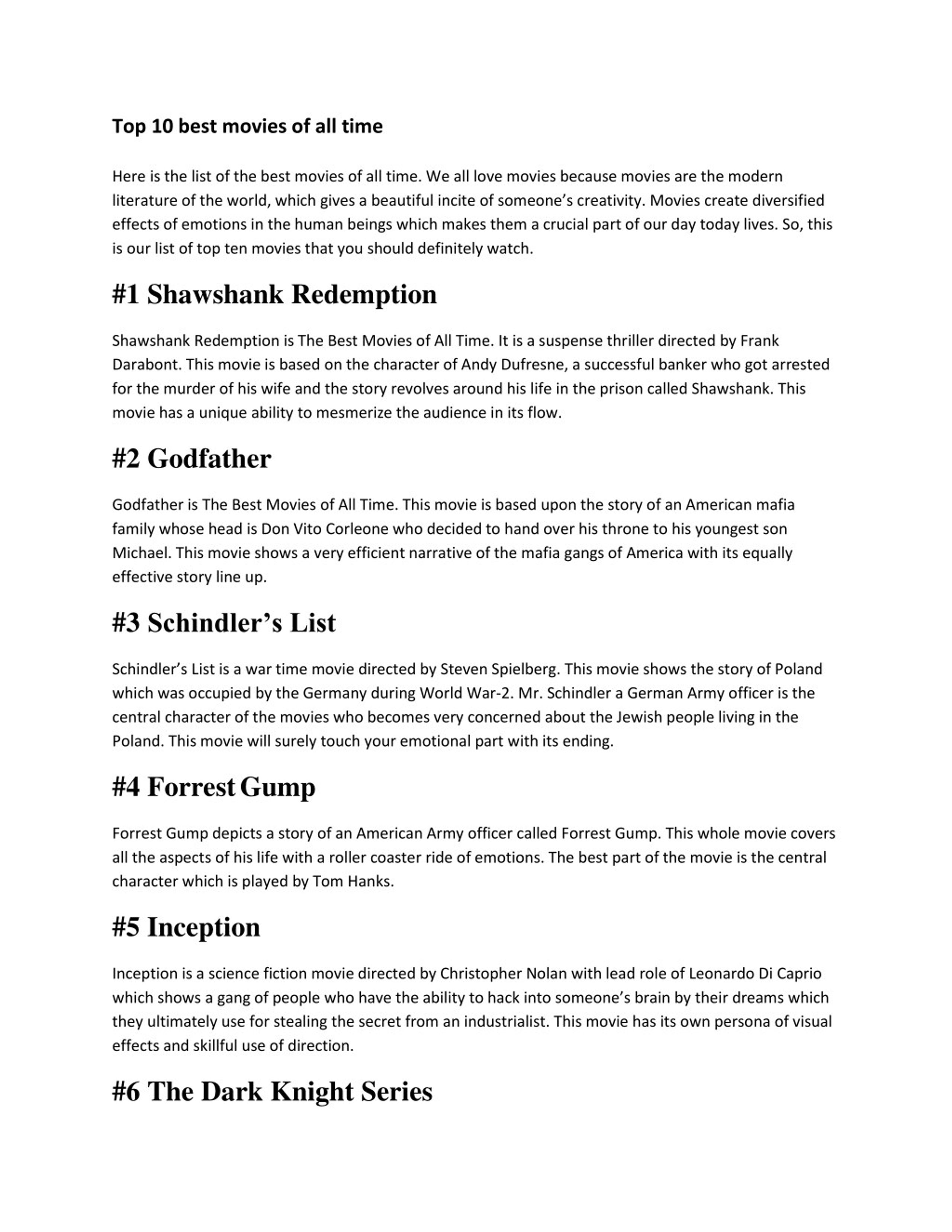
When examining the commercial performance of cinema, the 10 best selling films of all time represent the pinnacle of global box office achievement, measured by total worldwide ticket sales without adjusting for inflation. These cinematic blockbusters have transcended cultural and linguistic barriers, drawing hundreds of millions of moviegoers to theaters worldwide and reshaping the modern entertainment industry's financial landscape.
Understanding Box Office Metrics: Nominal Versus Adjusted Gross
Evaluating the commercial success of motion pictures requires an understanding of how box office revenue is calculated, tracked, and reported across international territories. The motion picture industry traditionally relies on gross box office figures—the total monetary value of all tickets sold—rather than net profits.
Nominal Worldwide Box Office
When media outlets and studios report the highest-grossing films, they typically cite unadjusted nominal gross revenue. This metric calculates the exact amount of money collected at ticket counters in U.S. dollars at the exchange rate active during each film's theatrical run. While this provides a clear picture of raw revenue generation, it inherently favors modern releases due to several economic factors:
- Ticket Price Inflation: Modern movie tickets cost significantly more than tickets did in the mid-to-late 20th century.
- Global Market Expansion: The proliferation of modern multiplexes in international markets—particularly in East Asia and Latin America—has exponentially increased the audience reach for contemporary blockbusters.
- Format Premiums: Premium large formats (PLF), IMAX, 3D screenings, and D-BOX seating increase the average price paid per admission for modern films.
Inflation-Adjusted Perspectives
To fairly compare films across different eras, analysts frequently adjust historical box office numbers for inflation. When adjusted for ticket price inflation and shifting demographic economics, older masterpieces such as Gone with the Wind (1939), Star Wars (1977), and Titanic (1997) often rank higher in total ticket admissions than many 21st-century releases. However, unadjusted nominal gross remains the standard industry benchmark for "best-selling" theatrical runs.
The Definitive List of the 10 Best Selling Films of All Time
The following compilation reflects verified global box office data collected from industry tracking sources, including Box Office Mojo and studio distribution reports. These figures represent total lifetime worldwide gross revenue.
| Rank | Film Title | Release Year | Worldwide Gross (USD) | Primary Director / Studio |
|---|---|---|---|---|
| 1 | Avatar | 2009 | ~$2.92 Billion | James Cameron / 20th Century Fox |
| 2 | Avengers: Endgame | 2019 | ~$2.79 Billion | Anthony and Joe Russo / Marvel Studios |
| 3 | Avatar: The Way of Water | 2022 | ~$2.32 Billion | James Cameron / 20th Century Studios |
| 4 | Titanic | 1997 | ~$2.26 Billion | James Cameron / Paramount & 20th Century Fox |
| 5 | Star Wars: Episode VII - The Force Awakens | 2015 | ~$2.07 Billion | J.J. Abrams / Walt Disney Studios |
| 6 | Avengers: Infinity War | 2018 | ~$2.05 Billion | Anthony and Joe Russo / Marvel Studios |
| 7 | Spider-Man: No Way Home | 2021 | ~$1.92 Billion | Jon Watts / Sony Pictures & Marvel Studios |
| 8 | Inside Out 2 | 2024 | ~$1.70 Billion | Kelsey Mann / Pixar Animation Studios |
| 9 | The Lion King | 2019 | ~$1.66 Billion | Jon Favreau / Walt Disney Pictures |
| 10 | Jurassic World | 2015 | ~$1.67 Billion | Colin Trevorrow / Universal Pictures |
(Note: Box office figures fluctuate slightly over time due to limited theatrical re-releases, rounding adjustments, and currency conversions.)
Detailed Breakdown of the Top-Grossing Cinematic Releases
1. Avatar (2009)
Directed by James Cameron, Avatar revolutionized modern filmmaking through its pioneering use of native stereoscopic 3D cameras and advanced performance-capture technology. Set on the lush alien moon of Pandora, the science-fiction epic resonated globally, maintaining a multi-month theatrical run supported by strong repeat viewings. Strategic international distribution, particularly in emerging markets, propelled its initial gross past $2.7 billion. Subsequent re-releases pushed its cumulative lifetime total to approximately $2.92 billion, securing its position at the top of the all-time list.
2. Avengers: Endgame (2019)
As the culmination of 22 interconnected films within the Marvel Cinematic Universe (MCU), Avengers: Endgame operated as a monumental pop-culture event. Directed by Anthony and Joe Russo, the superhero epic capitalized on unprecedented narrative buildup, high emotional stakes, and intense global anticipation. Driven by record-breaking opening weekends across both domestic and international territories, the film quickly amassed nearly $2.8 billion, demonstrating the power of serialized franchise storytelling.
3. Avatar: The Way of Water (2022)
Thirteen years after the release of the original film, James Cameron returned with Avatar: The Way of Water. Expanding the lore of Pandora into oceanic environments, this sequel utilized even more advanced underwater motion-capture techniques. Despite changing theatrical distribution models in the wake of the global health pandemic, the film demonstrated exceptional box office longevity, particularly in international markets, finishing its run with roughly $2.32 billion worldwide.
4. Titanic (1997)
James Cameron’s historical romance and disaster epic Titanic set a new benchmark for theatrical endurance in the late 1990s. Starring Leonardo DiCaprio and Kate Winslet, the film combined historical tragedy with classical romantic melodrama and groundbreaking visual effects. While its initial release grossed over $1.8 billion—making it the first film to cross the $2 billion threshold globally—subsequent 3D and high-definition theatrical re-releases over the decades have elevated its cumulative lifetime gross to approximately $2.26 billion.
5. Star Wars: Episode VII - The Force Awakens (2015)
Marking the return of the legendary space opera franchise under the Walt Disney Studios banner, Star Wars: The Force Awakens united original trilogy legacy characters with a new generation of heroes. Directed by J.J. Abrams, the film generated massive nostalgic demand and unprecedented domestic opening records. It ultimately grossed roughly $2.07 billion globally, outperforming all other entries in the long-running sci-fi saga.
6. Avengers: Infinity War (2018)
Serving as the precursor to Endgame, Avengers: Infinity War assembled dozens of superheroes to face the cosmic threat of Thanos. Directed by the Russo brothers, the film's cliffhanger ending generated intense global discussion and repeat viewing. Strong international markets contributed heavily to its final tally of approximately $2.05 billion.
7. Spider-Man: No Way Home (2021)
Released during a complex recovery period for the global theatrical exhibition industry, Spider-Man: No Way Home united three generations of cinematic web-slingers through the integration of multiverse storytelling. Co-produced by Sony Pictures and Marvel Studios, the film capitalized on intense secrecy, fan anticipation, and nostalgia. It became a cultural phenomenon, grossing roughly $1.92 billion without relying on a full theatrical release in mainland China.
8. Inside Out 2 (2024)
As the highest-grossing animated film in history, Pixar's Inside Out 2 expanded on the emotional landscape of its teenage protagonist, Riley. Introducing new personified emotions like Anxiety, Envy, and Embarrassment, the animated sequel resonated universally with family audiences, teenagers, and adults alike. Exceptional word-of-mouth momentum and sustained multi-week holds drove its worldwide gross to approximately $1.70 billion.
9. The Lion King (2019)
Jon Favreau’s photorealistic computer-animated remake of Disney's 1994 animated classic utilized virtual-production techniques that simulated live-action cinematography. Benefiting from the immense global brand equity of the original masterpiece and a powerhouse vocal cast, the musical adventure drew massive family audiences, resulting in a worldwide gross of approximately $1.66 billion.
10. Jurassic World (2015)
Reviving dormant dinosaur park franchise lore after a fourteen-year hiatus, Jurassic World directed by Colin Trevorrow modernized Michael Crichton's foundational premise with state-of-the-art computer-generated imagery. Driven by nostalgia, summer blockbuster timing, and strong international appeal, the film grossed roughly $1.67 billion, securing its spot among the top ten highest-earning movies ever made.
Key Factors Driving Record-Breaking Box Office Success
Achieving a position among the highest-selling films requires a convergence of creative, economic, and logistical factors:
- Global Market Integration: Modern blockbusters derive a substantial majority of their revenue from international territories, particularly China, Japan, the United Kingdom, and South Korea. Studios actively design promotional campaigns and casting choices to appeal across diverse cultural regions.
- Franchise Interconnectivity: Serialized universes, such as the Marvel Cinematic Universe, build recurring audience habits, transforming individual film releases into mandatory episodic events.
- Premium Format Adoption: The higher ticket prices associated with IMAX, Dolby Cinema, and 3D screenings substantially inflate gross revenue figures compared to standard 2D screenings.
- Strategic Release Timing: Major blockbusters are typically scheduled during high-yield holiday windows—such as the Christmas season or early summer—when target demographics have flexible schedules.
Frequently Asked Questions
Do these box office rankings account for inflation?
No. The figures listed above represent unadjusted nominal gross revenue. If adjusted for inflation, older classics such as Gone with the Wind, Star Wars (1977), and The Sound of Music would appear higher on the list because ticket prices and economic conditions were vastly different during their original theatrical runs.
Which studio holds the most entries in the top ten?
The Walt Disney Studios (including subsidiaries Marvel Studios, Pixar Animation Studios, and 20th Century Studios) commands a significant majority of the top ten highest-grossing films, driven by major intellectual properties like Marvel, Avatar, and Star Wars.
How do studios calculate worldwide box office gross?
Studios aggregate daily box office reports submitted by domestic and international theater chains. This raw financial data is compiled into a cumulative lifetime gross, reflecting total ticket sales from theatrical engagements, though it excludes subsequent home video sales, streaming licensing fees, and merchandise revenue.
Are streaming and digital rental revenues included in box office totals?
No. Box office gross refers strictly to money collected at physical movie theater ticket counters. Digital rentals, physical home media purchases (Blu-ray/DVD), and subscription streaming viewings are tracked separately as ancillary revenue streams.
Can older films return to the top ten through re-releases?
Yes. Studios occasionally re-release historic blockbusters into theaters for anniversaries or remastered format upgrades (such as IMAX conversions). Any revenue generated during these subsequent theatrical runs is added to the film's cumulative lifetime box office total.
Practical Next Actions and Further Exploration
For researchers, film students, and industry analysts seeking to monitor ongoing box office updates, consulting verified tracking databases like Box Office Mojo, The Numbers, or official studio financial disclosures provides transparent, up-to-date data. When evaluating the commercial success of motion pictures, always verify whether reported statistics represent nominal box office numbers, adjusted regional data, or complete ancillary profit margins.