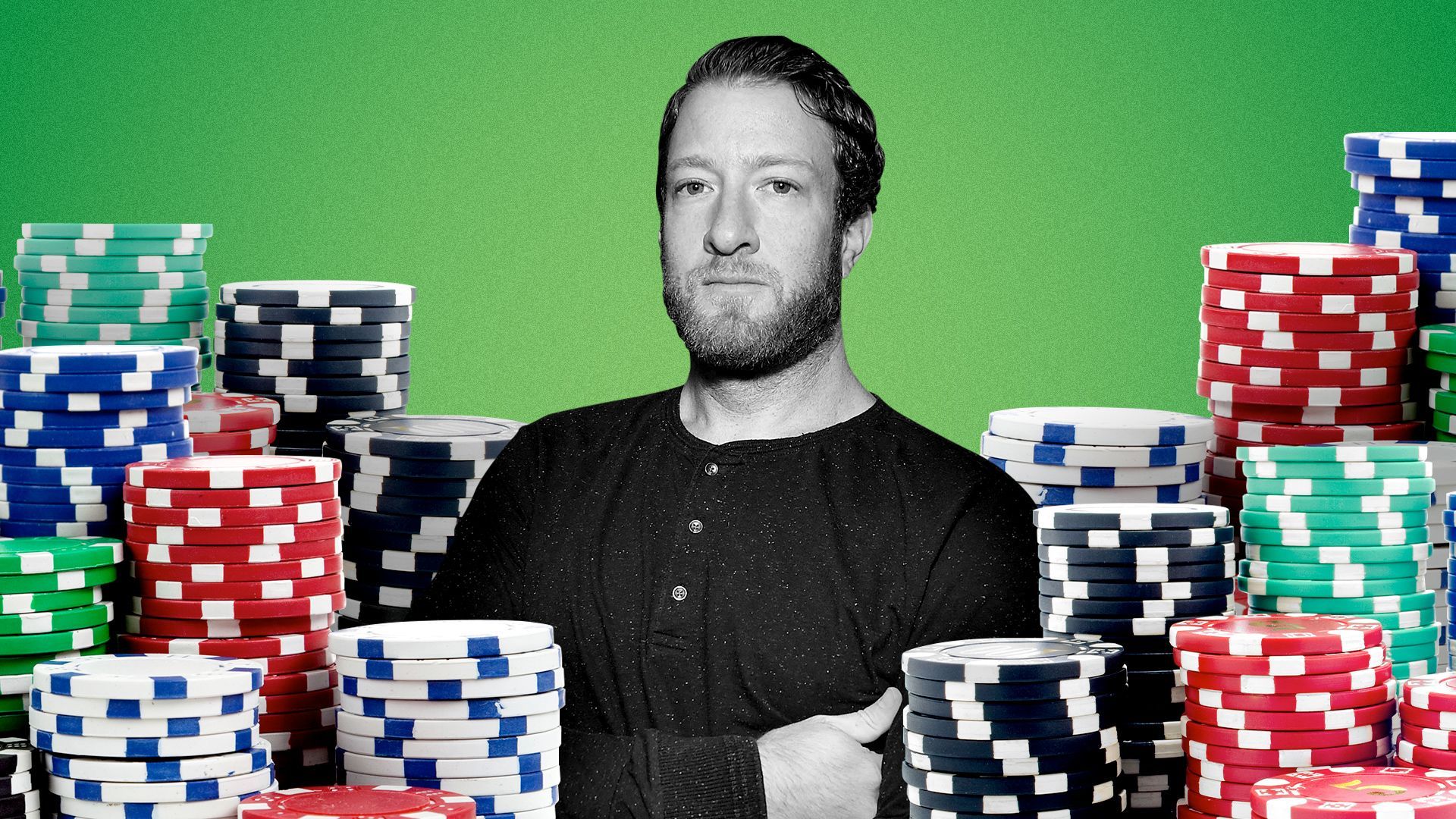
Dave Portnoy regained full ownership of Barstool Sports in 2023 by acquiring the company back from Penn Entertainment for the nominal price of one dollar. This transaction effectively reversed the multi-year acquisition process initiated by Penn in 2020, allowing Portnoy to regain creative and operational control while absolving the gambling conglomerate of the brand's complex media liabilities.
The Strategic Context of the Barstool Sports Acquisition
To understand how a multi-million dollar media entity changed hands for a single dollar, one must look at the specific business conditions of 2023. Barstool Sports, founded by Dave Portnoy in 2003, grew from a local Boston gambling circular into a massive digital media powerhouse. In early 2020, Penn National Gaming (later rebranded as Penn Entertainment) moved to capitalize on the burgeoning sports betting market.
Penn initially purchased a 36% stake in Barstool for approximately $163 million. The deal was designed to leverage Barstool’s massive, loyal audience—often referred to as "Stoolies"—to drive traffic to the Barstool Sportsbook app. By 2023, Penn had completed the full acquisition of the remaining stake in the company. However, the synergy between a highly regulated gaming corporation and a brand built on the unfiltered, often provocative personality of Dave Portnoy proved increasingly difficult to manage.
Why Penn Entertainment Divested Barstool
By mid-2023, the corporate relationship had reached a point of friction. Regulatory pressure in the gambling industry is immense; every marketing decision, social media post, and public statement made by a brand ambassador carries weight with state gaming commissions. The "Barstool culture," which thrived on spontaneity and controversy, often clashed with the risk-averse requirements of a publicly traded casino operator.
Furthermore, Penn Entertainment pivoted its strategy toward a new partnership with ESPN, aiming to launch "ESPN Bet." With this massive shift in focus, Barstool Sports became a secondary asset that brought more regulatory headaches than projected revenue growth. When Portnoy proposed buying the company back, Penn’s leadership viewed it as an ideal exit. They effectively traded their interest in the media brand to simplify their regulatory profile and clear the path for their new ESPN venture.
The Mechanism of the "One Dollar" Deal
The one-dollar transaction price is a classic example of a "carve-out" or "divestiture" where the transfer of assets and liabilities is the primary driver rather than the cash purchase price. In this case, Portnoy assumed the operational control of the company, including its overhead, debt, and the legal complexities of its content production.
For Penn, the "price" was not the dollar itself, but the elimination of future obligations. By offloading the brand, they avoided the ongoing costs of managing a media company that no longer served their primary strategic goal. For Portnoy, the deal was an opportunity to return to his roots as the sole decision-maker, unencumbered by the corporate guardrails that had been implemented during the Penn era.
Comparison of Corporate Control Models
The transition from a corporate-owned subsidiary back to an independent entity involves significant shifts in operational requirements. The following table highlights the differences between the Barstool-Penn era and the current independent model.
| Feature | Penn Entertainment Ownership | Post-Divestiture (Independent) |
|---|---|---|
| Creative Control | Subject to corporate oversight/PR | Unfiltered/Direct to audience |
| Monetization Focus | Gambling conversion (Sportsbook) | Multi-stream (Merch, Live Events, Ads) |
| Risk Management | High regulatory compliance focus | Agile, brand-led risk management |
| Operational Speed | Slower (Corporate reporting) | Rapid decision making |
| Strategic Goal | Betting market share | Brand autonomy and scalability |
The Impact of Ownership on Content Strategy
The shift back to independent ownership significantly altered the content production cycle. During the Penn tenure, there was a consistent pressure to funnel all content toward the Barstool Sportsbook app. This sometimes created a bottleneck, as the creative team had to balance entertainment value with the functional goals of a sportsbook.
Once the deal was finalized, Portnoy regained the ability to prioritize the "product" over the "funnel." This meant producing content that served the core audience without the constant requirement to track users into a betting app. This change allowed for a diversification of revenue streams, including aggressive pushes in lifestyle apparel, live tours, and independent podcast sponsorships, which do not require the same regulatory sign-offs as gambling promotions.
Challenges of Independent Media Ownership
Returning to independence is not without its risks. When a media company is backed by a billion-dollar entity like Penn Entertainment, it enjoys a level of financial insulation. As an independent entity, Barstool Sports now carries the full burden of its payroll, production costs, and legal insurance.
The primary challenge remains the volatility of the digital advertising market. Without a guaranteed subsidy from a gaming partner, the company must maintain constant high-performance metrics across its digital properties. The reliance on Dave Portnoy’s personal brand as the primary anchor for the company is both its greatest strength and its most significant single-point-of-failure. Should that brand value dip, the independent business model faces immediate pressure.
Legal and Regulatory Considerations
The divestiture included clauses that shielded both parties from legacy issues. Portnoy took on the brand with the understanding that he was acquiring the assets as they stood, with the operational realities of the day. From a legal standpoint, the deal had to be carefully structured to ensure that Penn Entertainment was fully insulated from any future liabilities or controversies that might arise from Barstool’s content.
While the "one dollar" figure captures headlines, the actual legal documentation behind such a transition is exhaustive. It involves non-compete adjustments, intellectual property rights, and the separation of shared tech stacks that had been integrated during the three years of Penn's ownership. This separation process is a critical part of why the deal took time to finalize, even if the final transfer price was nominal.
Frequently Asked Questions
1. Why would Penn Entertainment sell a valuable brand for only one dollar? The one-dollar price was a symbolic exit. Penn had already invested hundreds of millions, and by 2023, the brand was a strategic mismatch. Selling it for a dollar allowed them to offload the company instantly, removing themselves from the regulatory oversight and media liabilities associated with Barstool's personality-driven content.
2. Is Barstool Sports now profitable on its own? Since the 2023 buyout, the company has restructured to operate as a lean, independent entity. While precise private earnings are not public, the company shifted from a corporate-subsidized model to one focused on organic growth, merchandise sales, and diverse advertising revenue to ensure long-term sustainability without a parent corporation.
3. Does this mean Barstool is no longer affiliated with gambling? Barstool continues to cover sports and betting, but they are no longer the exclusive media partner for a specific sportsbook under the same corporate umbrella as Penn. This allows them more editorial freedom in how they discuss betting products, though they still navigate the general advertising standards of the industry.
4. Can Dave Portnoy sell Barstool again in the future? Yes. As the sole owner, Portnoy holds the rights to manage, grow, or sell the company as he sees fit. The 2023 deal did not include restrictions that would prevent him from pursuing future equity events or strategic partnerships, provided they align with his current goals for the brand.
5. What is the biggest difference for fans of Barstool? The most noticeable difference is the tone and the content focus. The return to independence meant a reduction in the "corporate" feel of the shows and a stronger emphasis on the original personalities that defined the brand's early success. The content has returned to a style that is less restricted by the public image requirements of a casino operator.
Moving Forward: The Future of the Brand
The story of the one-dollar buyback serves as a case study in corporate agility and the high-stakes world of digital media. As of 2026, the strategy remains focused on maintaining the "cult" status of the brand while proving that a massive media personality can successfully manage their own corporate infrastructure without the need for a legacy gambling partner.
For those looking to understand the mechanics of media acquisitions, the takeaway is clear: value is often subjective. What appeared to be a loss of "book value" for a massive corporation like Penn was, in reality, a necessary clearing of the balance sheet. For the creator, it was the ultimate reclamation of his life's work. The next phase for the company will depend on its ability to evolve beyond the core digital media market and maintain its relevance in an increasingly fragmented sports entertainment landscape.