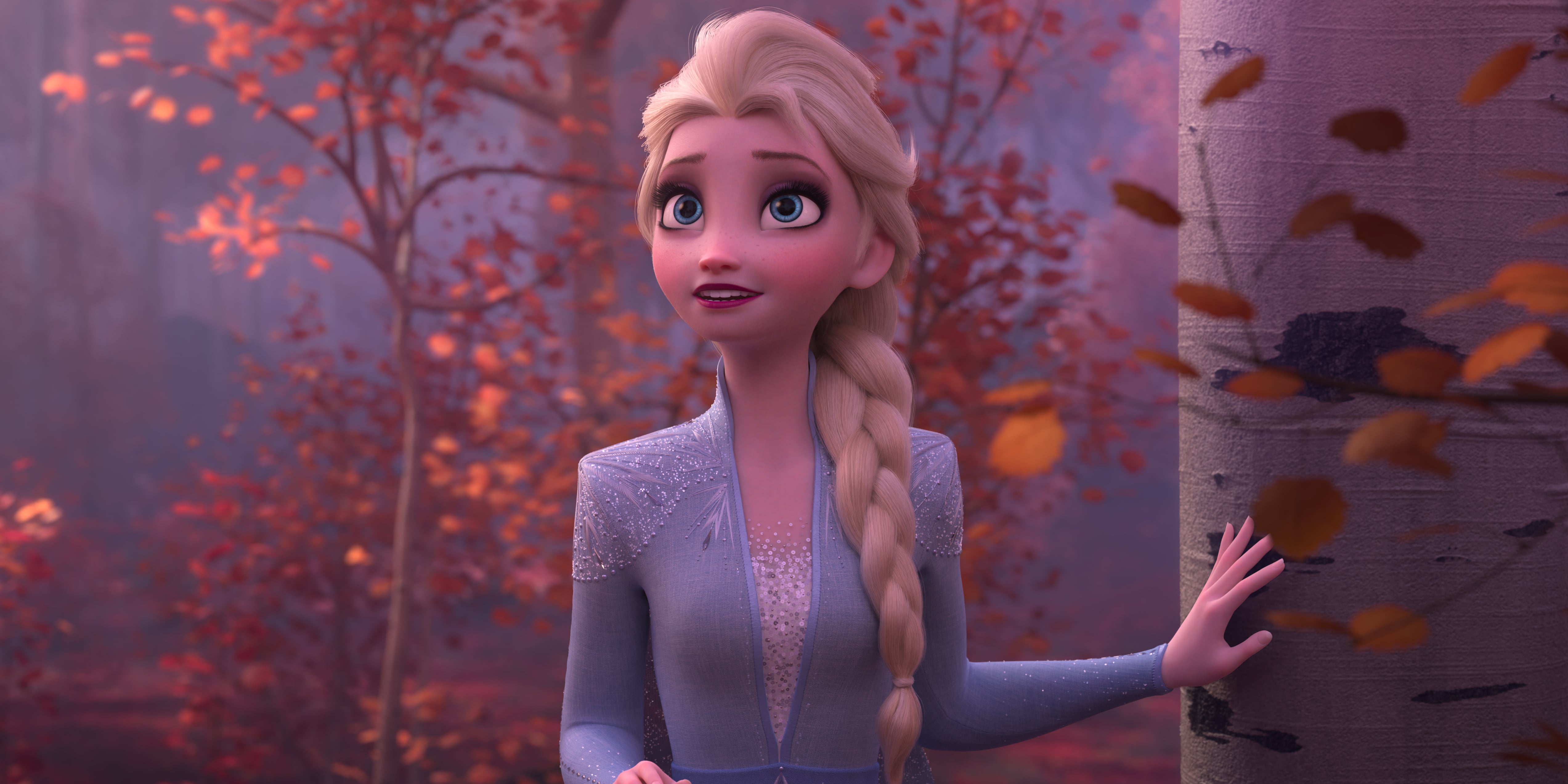
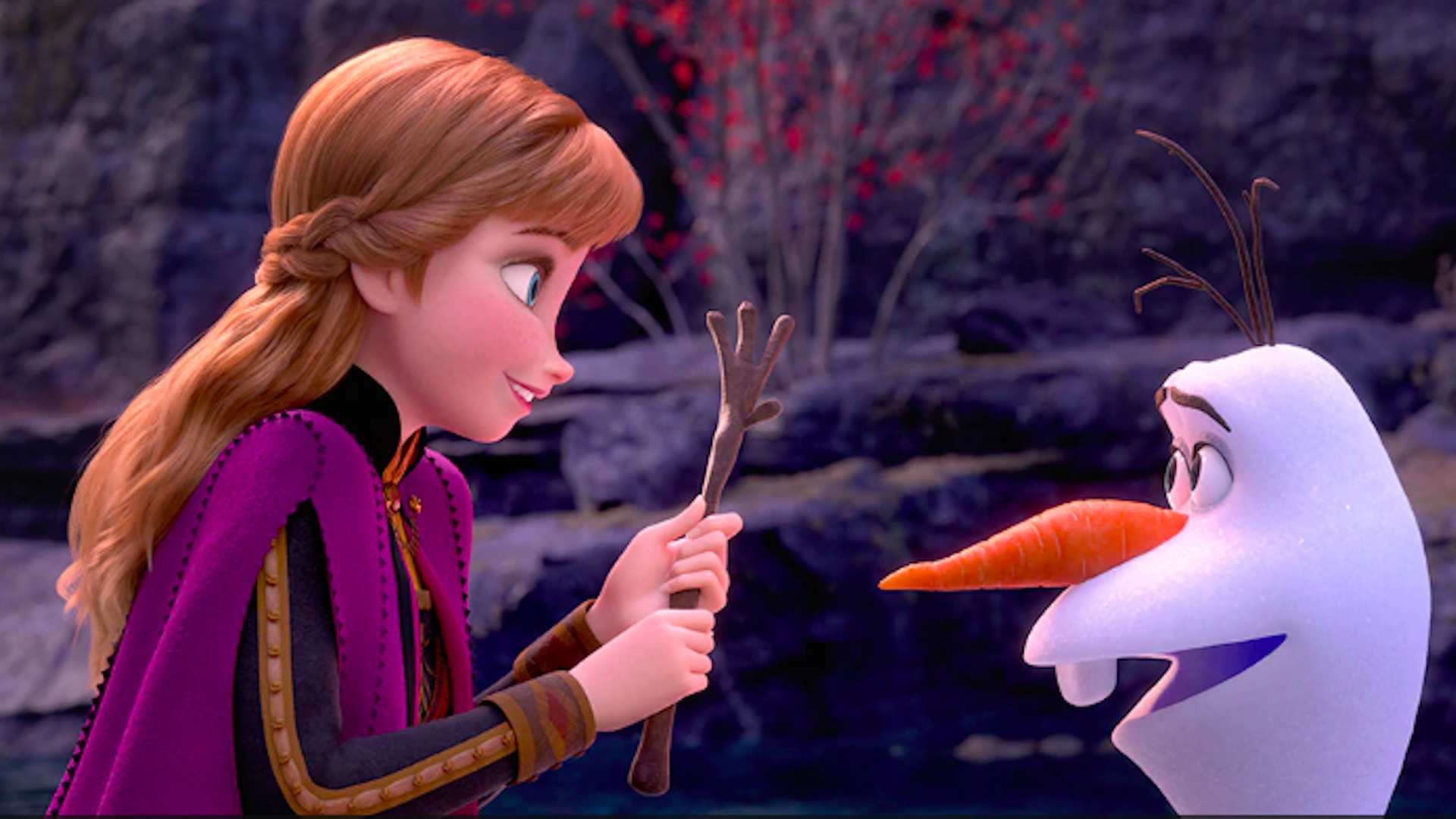
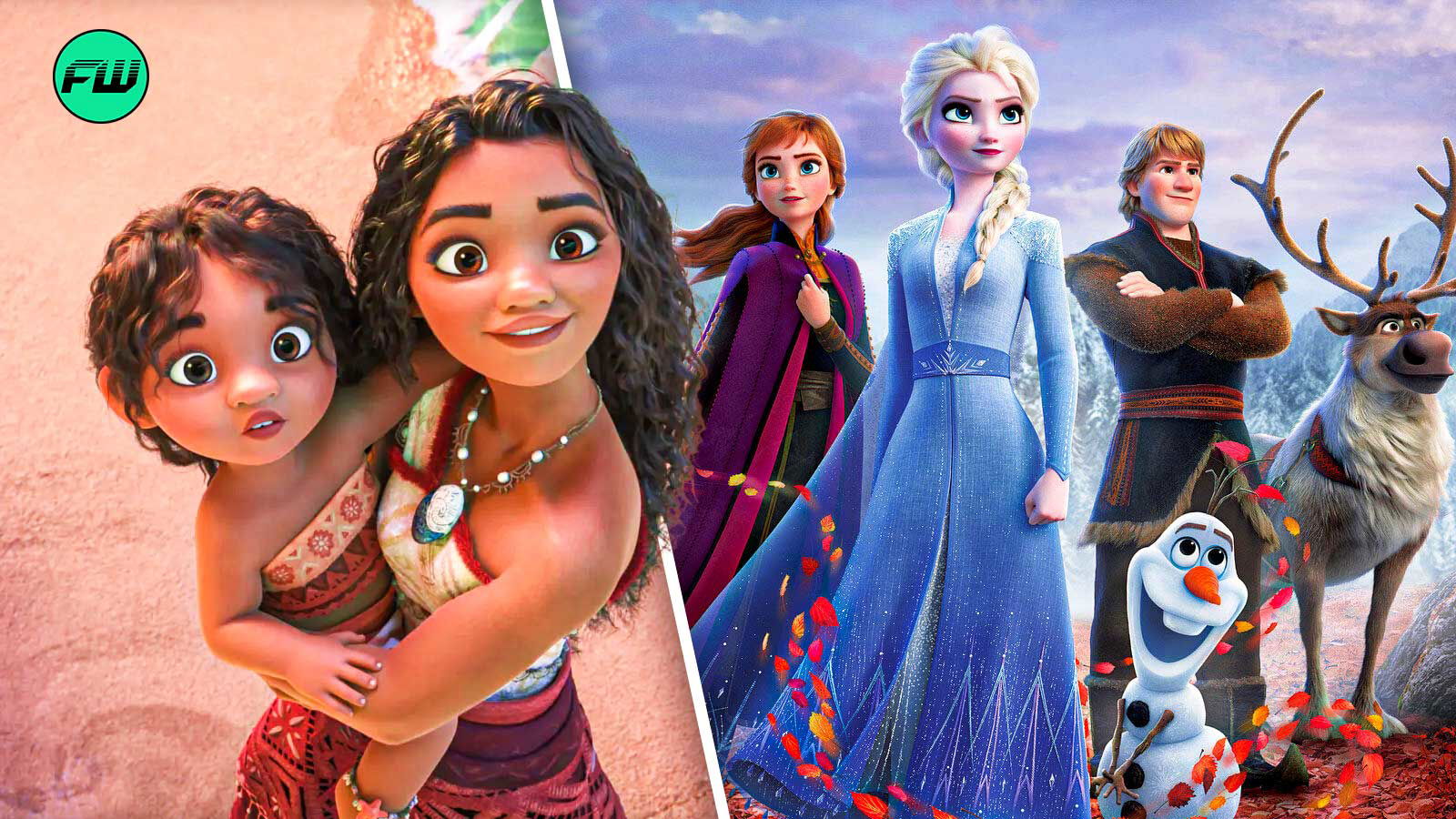
Walt Disney Animation Studios’ Frozen (2013) and its sequel Frozen 2 (2019) stand as two of the most significant commercial achievements in the history of animated cinema. Both films achieved massive global success, with Frozen 2 ultimately surpassing its predecessor in total worldwide gross, collectively cementing the franchise as a multi-billion-dollar cultural phenomenon.
The Phenomenal Run of Frozen (2013)
When Frozen was released in November 2013, it quickly moved beyond the traditional expectations for a Disney animated musical. Directed by Chris Buck and Jennifer Lee, the film’s narrative—centered on the bond between sisters Anna and Elsa—resonated with audiences globally. The film opened with a modest $67.4 million in its domestic debut, but its true power lay in its extraordinary "legs."
In the film industry, "legs" refer to a movie’s ability to remain in theaters for an extended period, maintaining high ticket sales due to positive word-of-mouth and repeat viewings. Frozen benefited from an exceptionally long theatrical run, bolstered by the massive popularity of its soundtrack, particularly the song "Let It Go."
By the time it concluded its theatrical run, the original Frozen had earned $400.7 million domestically and $880.8 million internationally, resulting in a total worldwide gross of $1.281 billion. At the time, this made it the highest-grossing animated film in history, a title it held until it was eventually surpassed by the photorealistic remake of The Lion King in 2019. Its commercial dominance was further solidified by its success in the home video market and merchandising, creating a brand that defined the late 2010s for Disney.
Scaling New Heights: Frozen 2 (2019)
Six years later, anticipation for Frozen 2 was at a fever pitch. While the original film was a surprise hit that grew over time, the sequel benefited from an established global fanbase, high-budget marketing, and the expectation of event cinema. Frozen 2 was released in November 2019 and shattered expectations immediately.
The film debuted domestically with $130.3 million, nearly doubling the opening weekend performance of the first movie. This record-breaking start signaled that the franchise had matured from a successful film into a powerhouse intellectual property. The sequel’s narrative expanded the scope of Arendelle, introducing deeper mythology and more complex musical numbers, which appealed to both the children who grew up with the first film and a broader adult demographic.
Frozen 2 proved that a sequel could achieve higher financial returns than its predecessor, a rare feat in animation. It ultimately grossed $477.4 million in the United States and Canada and $975.4 million internationally, bringing its total worldwide gross to $1.453 billion. This performance made Frozen 2 one of the highest-grossing films of all time and solidified its position as the highest-grossing animated feature in history upon its initial release, excluding remakes.
Comparison of Box Office Performance
The financial trajectories of the two films illustrate different aspects of cinematic success. While the first film relied on slow-burn growth and viral cultural resonance, the second was a calculated global event that capitalized on the brand equity built over six years of merchandise sales, television specials, and stage adaptations.
The following table provides a breakdown of the core financial metrics for both theatrical releases.
| Metric | Frozen (2013) | Frozen 2 (2019) |
|---|---|---|
| Domestic Opening Weekend | $67.4 Million | $130.3 Million |
| Domestic Total Gross | $400.7 Million | $477.4 Million |
| International Total Gross | $880.8 Million | $975.4 Million |
| Worldwide Total Gross | $1.281 Billion | $1.453 Billion |
| Release Status | Theatrical | Theatrical |
Factors Influencing Success
The financial dominance of the Frozen franchise is not purely a result of quality, but a confluence of strategic distribution and cultural timing.
Cultural Resonance and Music
The musical element was the primary driver for both films. The songwriting team of Kristen Anderson-Lopez and Robert Lopez provided tracks that achieved radio-play status. "Let It Go" in the first film became a global anthem, driving repeat viewings as children demanded to see the musical sequences repeatedly. In Frozen 2, "Into the Unknown" served a similar function, keeping the film relevant in the public consciousness throughout its theatrical window.
Global Distribution Strategy
Disney’s strategy for both films involved staggered international releases that maximized exposure in specific territories. By timing releases to coincide with holiday seasons in major markets—such as Thanksgiving in North America—Disney ensured that Frozen and Frozen 2 functioned as essential family holiday experiences. This seasonal dominance is a recurring hallmark of successful Disney animation.
The Rise of Ancillary Revenue
It is impossible to discuss the box office summary of these films without acknowledging the ancillary ecosystem. The box office totals are merely the tip of the iceberg for the franchise. The popularity of the films fueled billions in revenue from consumer products, theme park attractions (such as "Frozen Ever After" at EPCOT), and touring ice shows. These auxiliary streams supported the "event" status of Frozen 2, ensuring that the brand remained inescapable for consumers, which in turn kept theater attendance high.
Challenges and Market Context
While the numbers for both films appear uniformly positive, they did exist within different market environments. The 2013 release of Frozen occurred at a time when the box office was less saturated with "live-action" remakes and major franchise sequels than it would become by 2019.
In 2019, Frozen 2 faced intense competition from other blockbuster franchises. However, the lack of a direct animated competitor in the family-friendly space during the late-November period allowed it to monopolize the family audience. The primary hurdle for Frozen 2 was the high bar set by the first film; audiences and critics expected both high-quality animation and an equally compelling musical score. By meeting these expectations, the film avoided the "sequel slump" that often plagues high-grossing animated hits.
Legacy and Future Implications
The Frozen franchise effectively changed the financial blueprint for Disney Animation. Prior to Frozen, animated sequels were often relegated to direct-to-video or lower-budget theatrical runs. The success of Frozen 2 proved that animated sequels could be "four-quadrant" tentpoles, attracting children, teenagers, parents, and older adults equally.
This financial success has set the stage for future installments. As of 2026, the franchise remains a foundational pillar of the Disney brand. The box office records set by these two films serve as the benchmark against which all future animated projects are measured, demonstrating that high-quality storytelling combined with strong musical branding remains the most effective formula for global box office success.
Frequently Asked Questions
Which film earned more at the global box office? Frozen 2 (2019) earned more than the original, with a total worldwide gross of $1.453 billion, compared to the $1.281 billion earned by Frozen (2013).
Why did Frozen 2 perform better in its opening weekend? Frozen 2 benefited from the massive, established fanbase of the original film and six years of brand building. While the first film had to build its audience through word-of-mouth, the sequel was an anticipated cultural event from the moment of its announcement.
Did the musical numbers affect the box office? Yes, the music was a primary factor. The massive radio and social media popularity of songs like "Let It Go" and "Into the Unknown" turned these films into interactive musical experiences, encouraging repeat viewings, which is essential for reaching billion-dollar milestones.
Was Frozen the highest-grossing animated film of all time? At the time of its release, Frozen was the highest-grossing animated film in history. It held that record until The Lion King (2019), which is categorized by Disney as a live-action remake, and later faced competition from other high-grossing animated features.
How long were the films in theaters? Both films enjoyed exceptionally long theatrical runs. Frozen (2013) stayed in theaters for nearly seven months, which is significantly longer than the average for animated films, allowing it to accumulate its total gross slowly but consistently.
Recommendation
For those interested in the economics of animation, it is recommended to analyze the film’s "multiplier"—the ratio between the opening weekend and the final domestic gross. Frozen boasts one of the highest multipliers for a blockbuster of its size, a metric that provides the best insight into its long-term success. Studying the distribution windows for these films can also provide a deeper understanding of how seasonal planning impacts final revenue totals.