Finding the best cooling mattress protector for your bed requires balancing advanced thermal-regulation technology, breathable fabrics, and reliable liquid-barrier protection to prevent night sweats and overheating while you sleep.
Understanding the Need for a Cooling Mattress Protector
Many sleepers experience night sweats, hot flashes, or simply generate excessive body heat while resting. Traditional mattress pads and protectors are notorious for trapping body heat because they often rely on thick plastic backings, heavy vinyl linings, or dense synthetic foams that act as thermal insulators. When body heat gets trapped against the mattress surface, it creates an uncomfortable microclimate, causing you to wake up damp, restless, and fatigued.
A specialized cooling mattress protector addresses this problem by combining advanced textile engineering with high-performance waterproofing or dust-mite barrier layers. Unlike standard protectors, cooling models utilize phase-change materials (PCMs), high-conductivity natural fibers like bamboo rayon or Tencel, and microscopic air-ventilation channels. These materials work together to actively dissipate heat away from your body, regulate surface temperature, and maintain a dry sleeping environment without sacrificing the core mandate of protecting your mattress investment from spills, stains, allergens, and wear.
Core Technologies: How Cooling Protectors Work
To select the right protector, it helps to understand the underlying science. Manufacturers employ several distinct technologies to achieve thermal regulation:
- Phase-Change Materials (PCMs): Originally developed for aerospace applications, PCMs absorb, store, and release heat to maintain an optimal thermal comfort zone. When your skin temperature rises, the material liquefies microscopically to absorb excess heat. When you cool down, it solidifies and releases that heat.
- High-Conductivity Natural and Semi-Synthetic Fibers: Materials such as Tencel (lyocell) derived from wood pulp and bamboo-derived rayon possess inherently hydrophilic properties. They wick moisture away from the body significantly faster than traditional cotton or polyester, promoting rapid evaporative cooling.
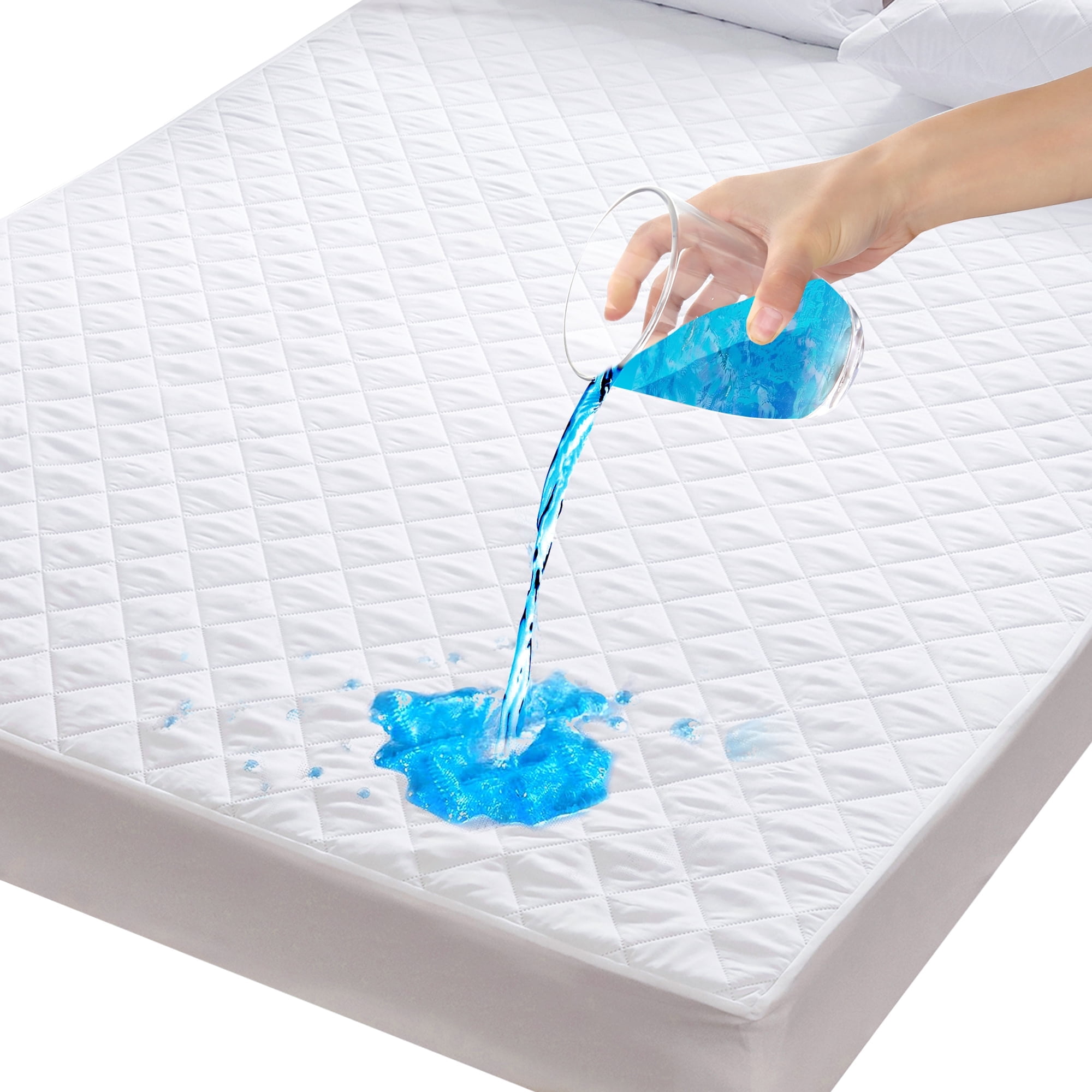
- Aero-Breathe and Open-Cell Membranes: Waterproof barriers no longer need to be heavy sheets of crinkly plastic. Modern protectors use breathable polyurethane (TPU) membranes perforated with microscopic pores. These pores are large enough to let water vapor and air pass through, preventing heat buildup, but small enough to block liquid spills and dust mites.
Key Factors to Evaluate Before Buying
Evaluating the market requires looking beyond marketing claims and examining structural specifications that dictate real-world performance.
1. Breathability Versus Waterproofing
The primary tension in mattress protector design is balancing waterproofing with breathability. If you require absolute protection against liquid spills, incontinence, or sweat, ensure the protector features a waterproof TPU backing rather than a non-waterproof cooling pad. Verify that the backing is breathable to avoid turning your bed into a thermal sauna.
2. Pocket Depth and Mattress Fit
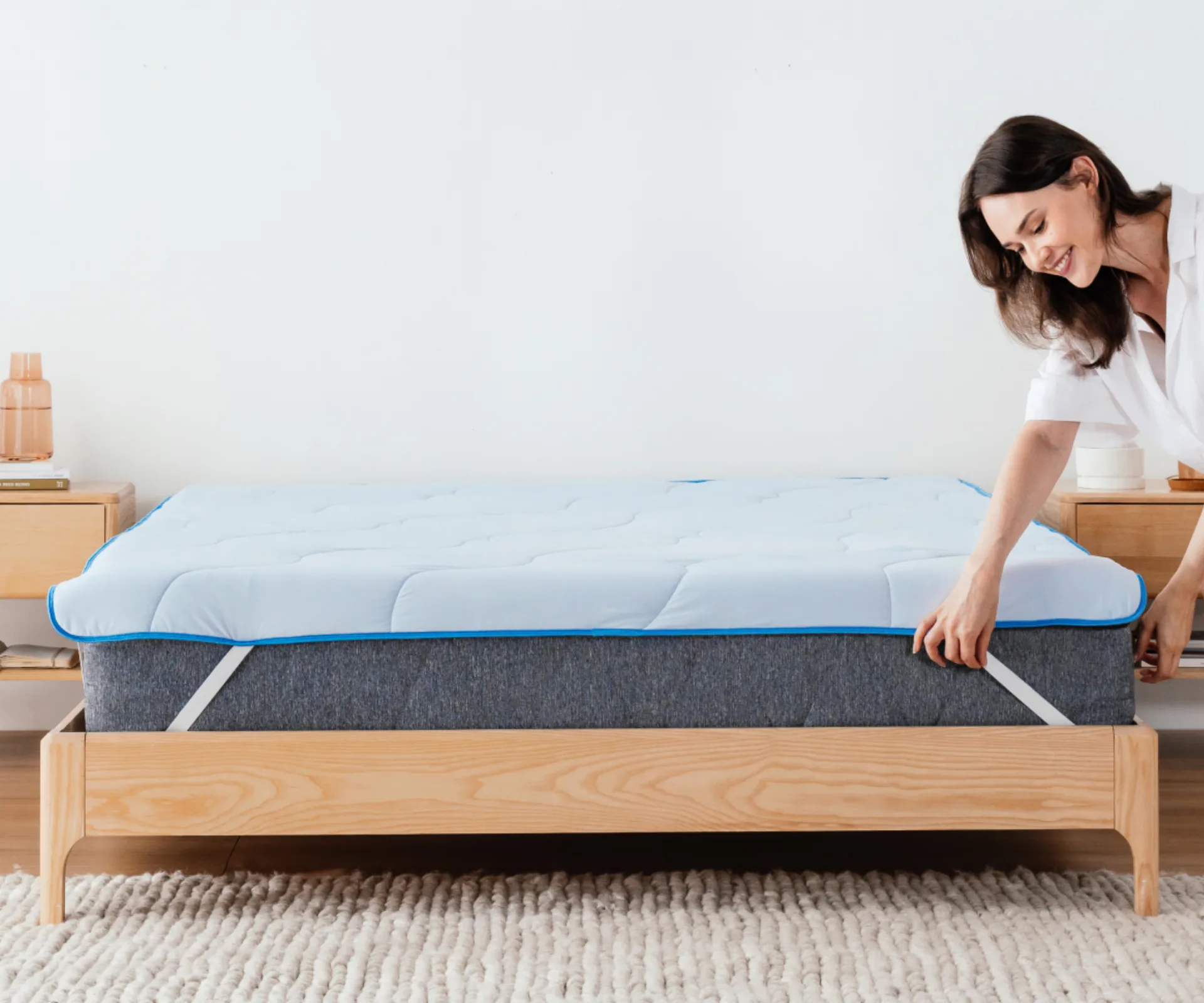
A cooling protector cannot perform effectively if it bunches up or pulls tight over the corners of your mattress. Measure the exact height of your mattress, including any pillow tops or foam toppers. Look for protectors with deep pockets—typically ranging from 15 to 22 inches—and robust elastic skirting that hugs the underside securely.
3. Surface Texture and Feel
Some cooling technologies impart a slick, synthetic feel to the bed, while others feel silky or crisp like high-end hotel linen. Consider whether you prefer a smooth, cool-to-the-touch surface that reacts instantly to your skin or a plush, quilted top that adds minor cushioning while maintaining airflow.
4. Durability and Maintenance
Because mattress protectors require regular laundering to remove dead skin cells, oils, and allergens, check the manufacturer's care instructions. The best options are machine-washable in cold or warm water and tumble-dryable on low heat without degrading the waterproof membrane or breaking down the cooling treatments.
Comparison of Cooling Protector Types
| Protector Type | Primary Cooling Mechanism | Waterproofing Level | Best Suited For | Potential Drawdowns |
|---|---|---|---|---|
| Phase-Change Material (PCM) | Active heat absorption and thermal distribution | Moderate to High (via hidden TPU layer) | Severe hot sleepers and those experiencing night sweats | Premium price point; cooling effect diminishes if heavily insulated by thick sheets |
| Tencel / Bamboo Blend | Moisture-wicking and high evaporative airflow | Low to Moderate (often sold as non-waterproof pads or light barriers) | Eco-conscious buyers wanting natural breathability | May require a separate waterproof layer if spill protection is critical |
| Perforated TPU Membrane | Micro-ventilation channels paired with physical barriers | High (100% waterproof) | Households with children, pets, or allergy sufferers | Can feel slightly crinkly if low-grade materials are used |
| Cool-to-the-Touch Knit | High thermal conductivity yarns that pull heat instantly | Varies by model | People who dislike waking up hot upon first lying down | Surface warming can occur over extended periods without active airflow |
Common Mistakes to Avoid
When shopping for and using a cooling mattress protector, several pitfalls frequently lead to buyer remorse:
- Pairing with Heavy Insulating Bedding: Putting a high-end cooling protector on your mattress, only to cover it with heavy polyester fleece blankets and dense synthetic comforters, negates the thermal regulation. Pair your protector with breathable percale cotton, linen, or bamboo sheets to maximize airflow.
- Ignoring Mattress Depth Specifications: Buying a standard 12-inch pocket protector for an 18-inch thick luxury mattress causes constant tension, shifting during the night, and potential tearing of the seams or skirt.
- Using High Heat in the Dryer: Exposing waterproof TPU membranes to high heat cycles in a clothes dryer causes the polyurethane to melt, crack, or delaminate, permanently destroying its liquid barrier properties. Always follow care labels closely.
- Confusing Cooling Pads with Cooling Protectors: A mattress pad adds padding and may have a cooling surface, but it rarely offers complete waterproof protection or allergen defense. Ensure you select a full protector if liquid barrier performance is required.
Frequently Asked Questions
Do cooling mattress protectors actually work?
Yes, high-quality cooling mattress protectors work by utilizing advanced thermal-dissipation fabrics, moisture-wicking fibers, or phase-change materials that manage heat and humidity. While they cannot actively refrigerate your bed, they prevent the heat-trapping greenhouse effect common with traditional vinyl or thick plastic protectors.
Can a cooling mattress protector ruin the feel of a memory foam mattress?
If you choose a rigid or overly thick protector, it can slightly mute the contouring feel of a memory foam mattress. However, thin, highly elastic cooling protectors made from stretch-knit Tencel or bamboo conform directly to the mattress surface, preserving the original sink and pressure-relief characteristics of your bed.
How often should a cooling mattress protector be washed?
You should wash your mattress protector every four to eight weeks under normal conditions. If you experience heavy night sweats, have pets that sleep on the bed, or suffer from severe allergies, washing every two to four weeks is recommended to maintain hygiene and airflow efficiency.
Will a waterproof cooling protector make crinkling noises?
Older vinyl mattress protectors are notoriously noisy when you shift positions. Modern cooling protectors use silent, flexible thermoplastic polyurethane (TPU) backings or stretch-knit laminates that eliminate crinkling sounds entirely while remaining completely waterproof.
Final Recommendations for Your Purchase
Selecting the ideal cooling mattress protector comes down to prioritizing your specific sleep climate needs. If you struggle with chronic night sweats, invest in a protector featuring phase-change materials and a breathable TPU backing to ensure both thermal regulation and absolute spill protection. If your primary goal is general airflow enhancement and moisture management without severe sweating, a high-density Tencel or bamboo-derived knit protector offers exceptional natural breathability. Always verify your mattress dimensions, check the care guidelines to ensure easy maintenance, and pair your new protector with lightweight, breathable bedding for an optimal, temperature-neutral night of sleep.