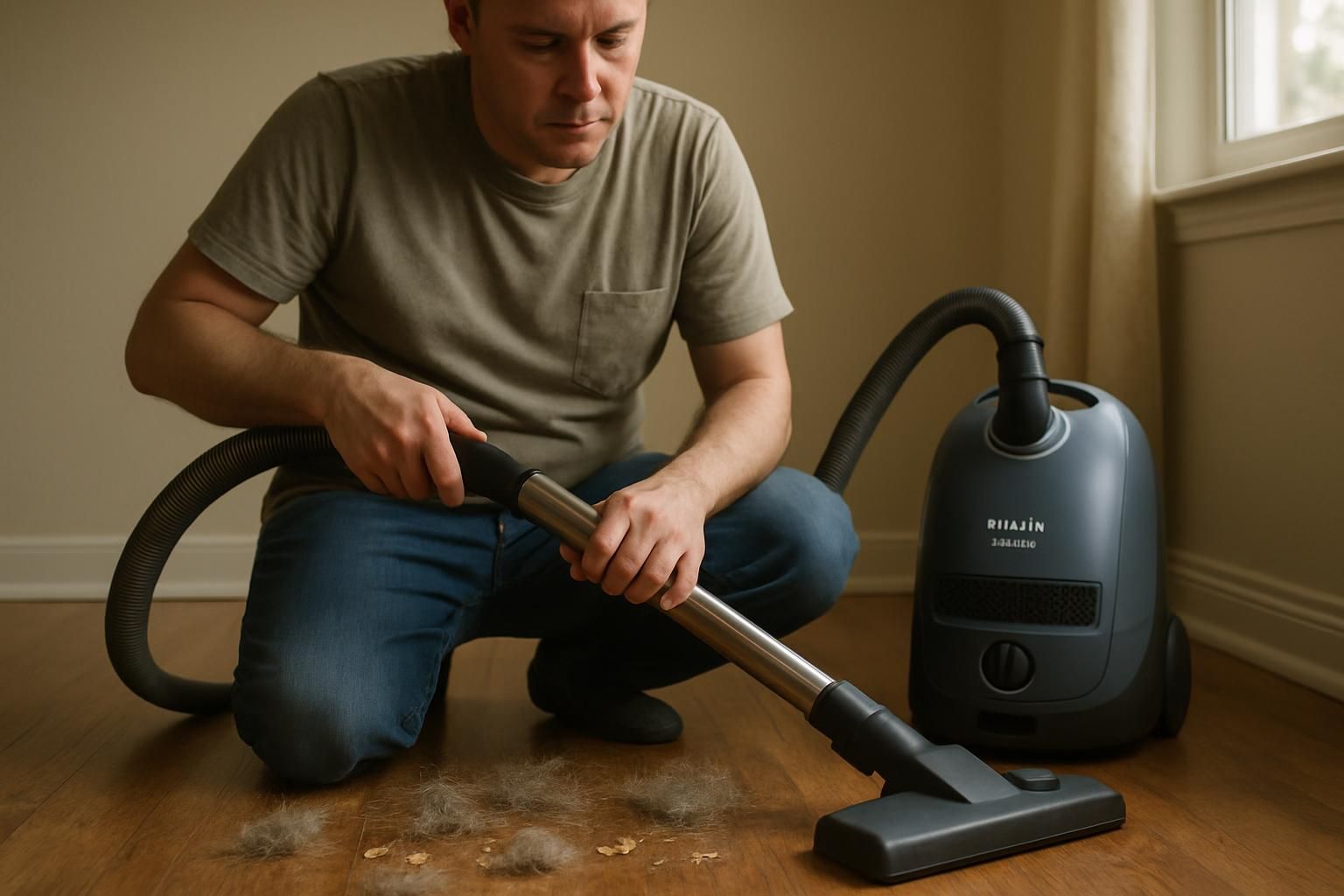
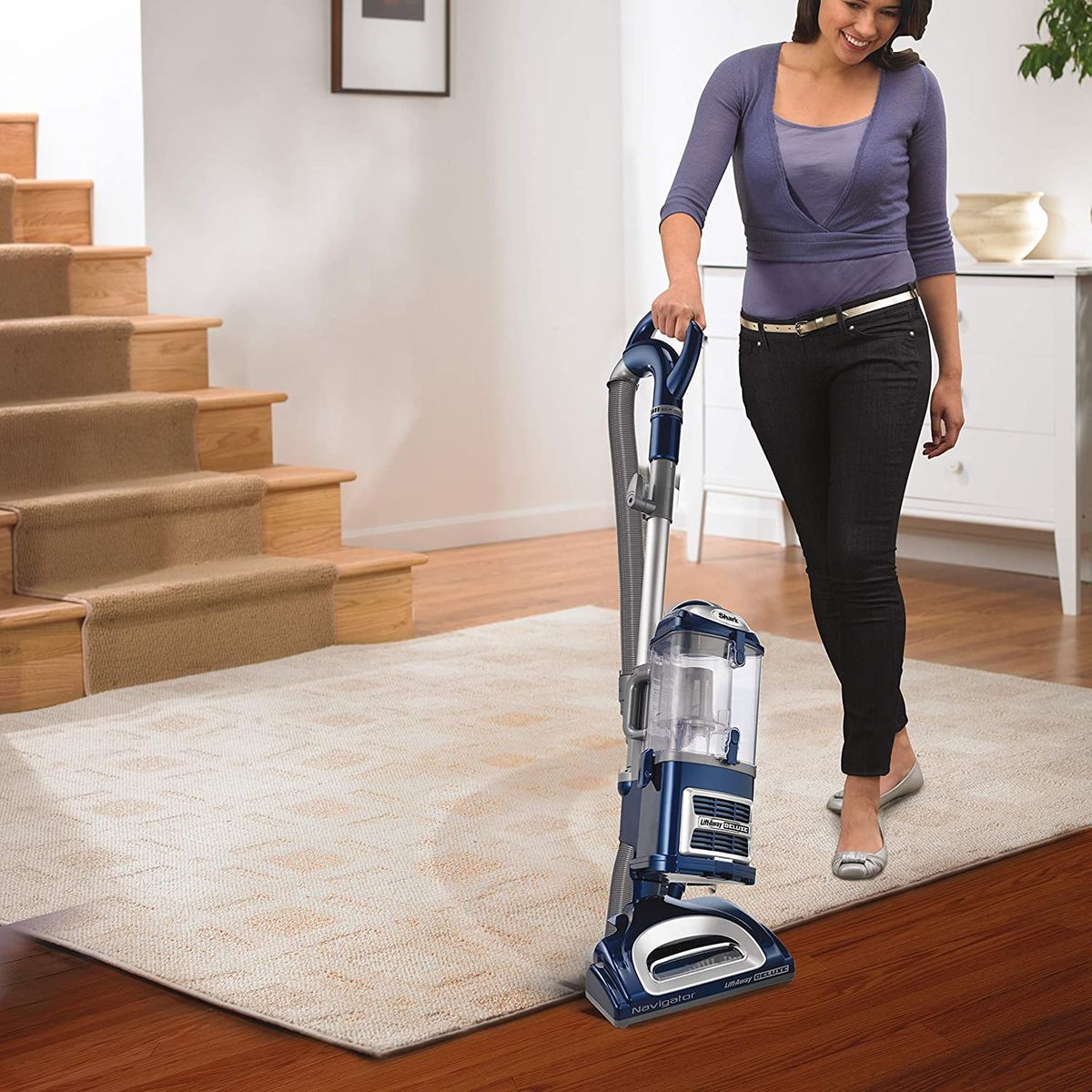
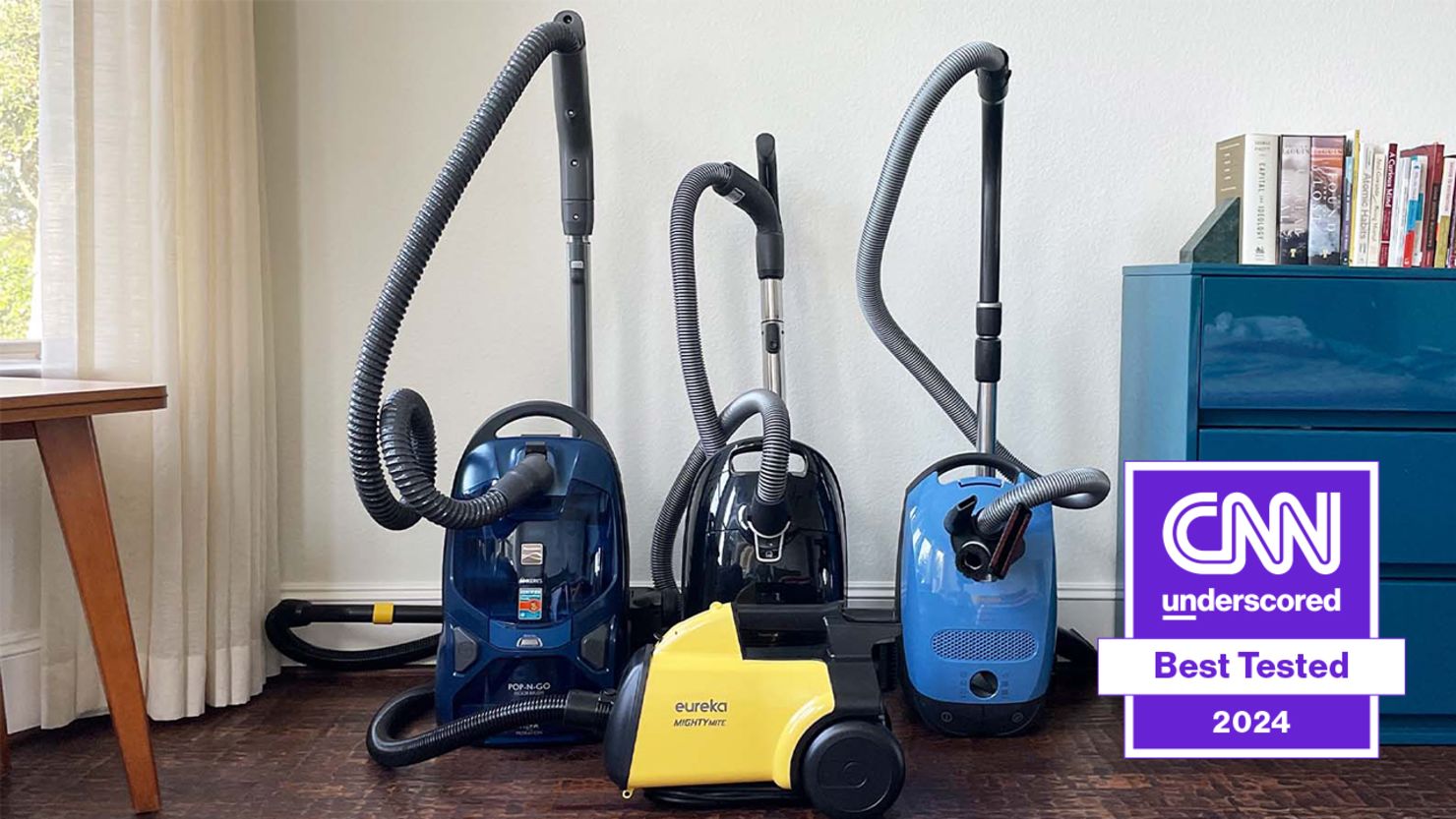
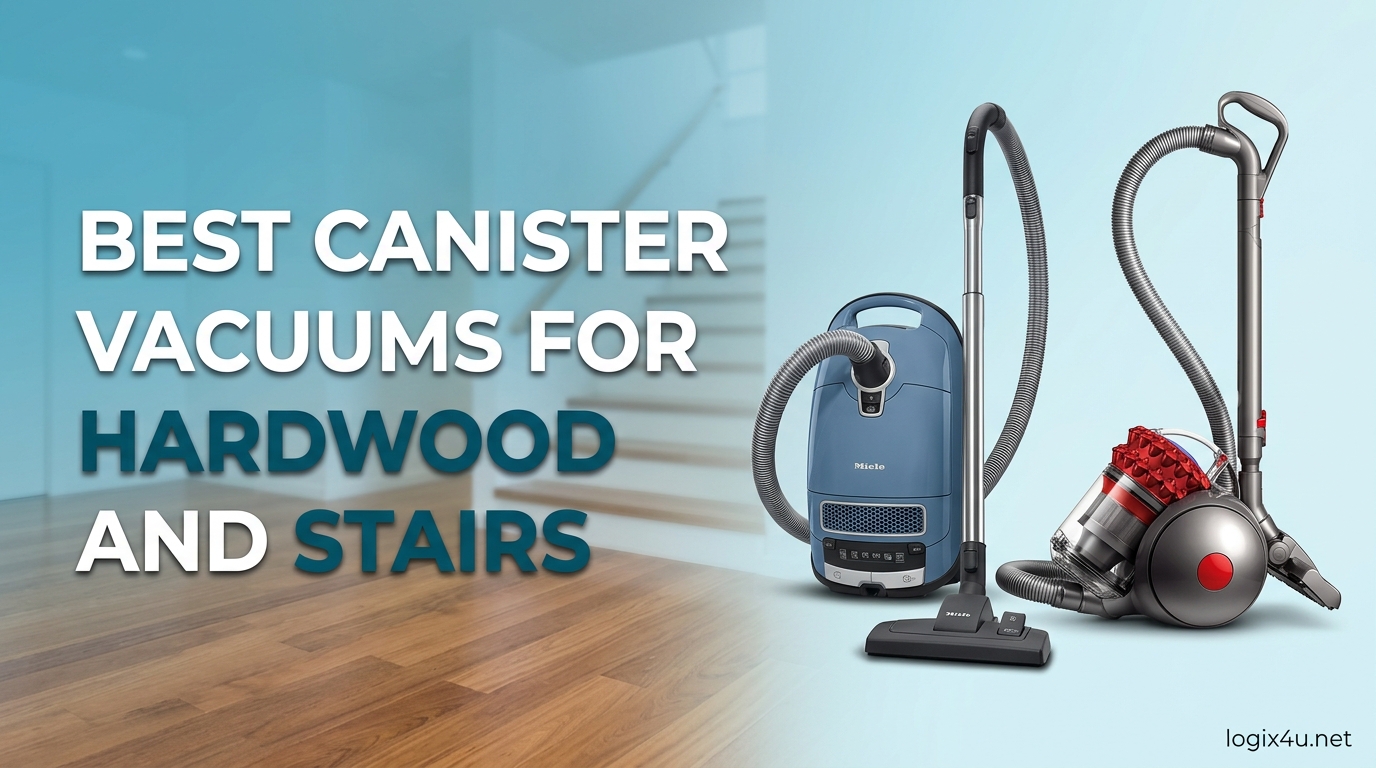
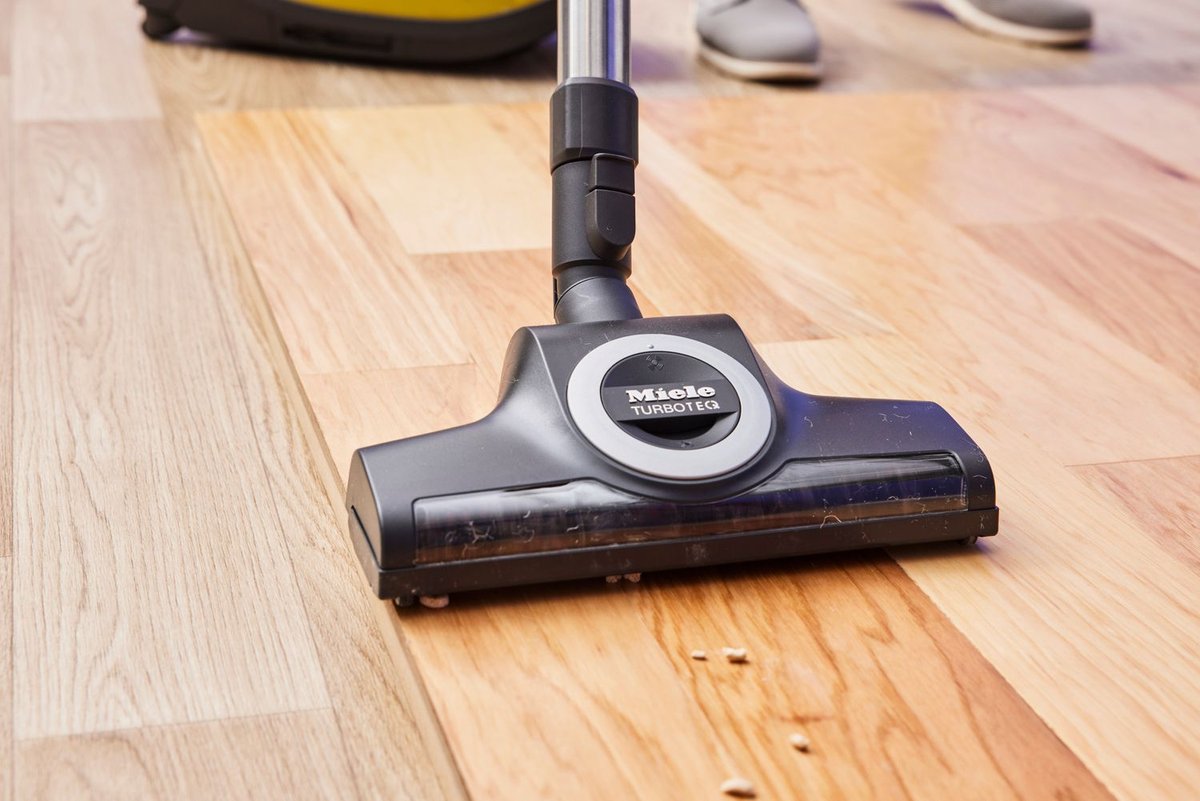
Finding the absolute 1 best canister vacuum for carpet and hardwood floors requires balancing deep-pile agitation with gentle, scratch-free bare-floor maneuverability. Canister models excel in this dual-surface challenge because they separate the heavy motor from the floor tool, allowing for specialized attachments like motorized power nozzles for carpets and soft-bristle parquet brushes for delicate hardwoods.
Understanding the Dual-Surface Cleaning Challenge
Cleaning homes that feature a combination of dense wall-to-wall carpeting and smooth hardwood surfaces presents a unique engineering challenge for vacuum cleaners. Unlike single-surface environments, mixed-flooring homes demand versatility. Carpets require mechanical agitation—spinning brush rolls that pull embedded pet hair, dander, and gritty dirt from deep within the fibers. Conversely, hardwood floors, laminate, tile, and luxury vinyl planking demand gentle care. A spinning brush roll running at high speed across bare wood can scatter debris or cause micro-scratches over time, while strong suction without a dedicated parquet tool can cause the vacuum head to seal vacuum-tight to the floor, making it nearly impossible to push.
Canister vacuums inherently solve many of these transition issues. By placing the primary motor, filtration system, and dust bin on a wheeled carriage, the user only pushes a lightweight wand and cleaning head across the floor. This design minimizes user fatigue during extended cleaning sessions and provides superior clearance under low furniture. However, not all canisters handle both surfaces equally well. The ideal machine must offer seamless transition mechanisms, adjustable suction control, and specialized floor tools to bridge the gap between high-pile carpets and delicate bare floors.
Key Criteria for Evaluating Mixed-Flooring Canister Vacuums
When isolating the 1 best canister vacuum for carpet and hardwood floors, industry experts and consumers evaluate several non-negotiable performance metrics. Assessing these criteria ensures that the chosen appliance delivers deep cleaning power without damaging delicate surfaces or frustrating the user during transitions.
Suction Power and Airflow
Suction performance is measured in water lift and air watts, determining how effectively a vacuum pulls debris through the hose and into the collection bag or bin. Canisters generally outperform uprights in raw suction because their motors are not constrained by narrow, upright chassis designs. For carpets, high airflow combined with a sealed system ensures that suction is concentrated at the floor nozzle rather than escaping through loose joints.
Brush Roll and Floor Head Mechanics
The floor head is the interface between the vacuum and your home. For carpets, a motorized brush roll (often called a power nozzle) driven by an electric belt or dedicated motor is mandatory. Air-driven turbine brushes often stall on thick carpets. For hardwoods, the machine must switch off the brush roll and engage a soft-bristle or felt-strip parquet tool that glides smoothly while capturing fine dust particles rather than blowing them away with exhaust air.
Filtration and Air Quality
For households with allergy sufferers, the filtration system is paramount. High-Efficiency Particulate Air (HEPA) certification ensures that 99.97% of particles down to 0.3 microns—including pollen, dust mites, and mold spores—are trapped inside the machine. Sealed canister systems are particularly effective here, as air cannot escape past cheap plastic seams before passing through the filter.
Maneuverability, Reach, and Ergonomics
A heavy canister that constantly tips over or gets stuck on door jambs defeats the purpose of the design. Look for smooth-rolling, 360-degree caster wheels, an adequate cord length with automatic rewind, and an ergonomic handle that reduces strain on the wrist and shoulder.
Examining the Top Contender: Miele Complete C3 Brilliant or Seagoing Equivalents
While consumer preferences vary, engineering standards consistently point to premium European canister systems as the gold standard for mixed-flooring maintenance. Specifically, configurations that pair a variable-speed canister body with an electro-brush power head dominate the market.
To understand what makes a top-tier canister excel across both surfaces, we can analyze the structural features of industry-leading models like the Miele Complete C3 series equipped with the SEB 228 Electro Comfort power brush.
Carpet Performance with Motorized Power Nozzles
When transitioning to medium- or high-pile carpets, the vacuum must engage an electrically powered brush roll. The SEB 228 nozzle features a dedicated motor that drives the brush roll independently of the suction motor. This ensures consistent agitation speeds regardless of how hard you push or how deep the carpet pile is. Five adjustable height settings allow the user to raise or lower the brush deck, preventing the vacuum from clamping down onto dense carpets and allowing airflow to circulate effectively around embedded dirt.
Hardwood Performance with Dedicated Parquet Twisters
When moving from carpet to hardwood, premium canisters allow you to switch off the motorized brush roll via a handle-mounted switch or foot pedal, safeguarding delicate wood finishes. Attaching a specialized parquet tool—such as a natural bristle brush that swivels 180 degrees—allows the user to navigate tightly around table legs and baseboards. The soft natural bristles sweep fine dust out of wood grain grooves and grout lines without scratching polyurethane, lacquered, or oiled wood finishes.
Suction Control and Sealed Systems
Homes feature delicate textiles, heavy rugs, and bare floors all in one room. A rotary dial or electronic foot-switch providing six or more suction levels lets users throttle the motor. Lower settings are ideal for lightweight area rugs that would otherwise get sucked into the vacuum head, while maximum settings tackle heavy-traffic carpet lanes. Furthermore, a fully sealed housing ensures that allergens collected from both carpets and hard floors remain trapped inside the multi-layer dust bag.
Comparison of Flooring Performance Features
| Feature / Specification | Low-Quality Budget Canister | Mid-Range Multi-Surface Canister | Premium Top-Tier Canister (e.g., Miele C3) |
|---|---|---|---|
| Carpet Agitation | Air-driven turbine (stalls easily) | Basic motorized brush (fixed height) | Height-adjustable motorized power brush |
| Hardwood Care | Standard comb nozzle (risk of scratching) | Basic bare floor brush | Swiveling natural-bristle parquet tool |
| Suction Adjustment | None or fixed two-speed switch | 3-stage mechanical slider | 6-stage electronic rotary dial |
| Filtration Level | Basic foam or standard paper bag | Post-motor HEPA filter (unsealed) | Sealed system with HEPA and multi-layer bag |
| Reach & Cord | Under 20 feet total reach | 25-foot cord with manual wrap | 33-foot operating radius with auto-rewind |
Common Mistakes When Using Canister Vacuums on Mixed Floors
Even with the best equipment in hand, operator error can reduce cleaning efficiency and potentially damage flooring or the vacuum itself. Avoiding these common pitfalls ensures optimal longevity for both your home surfaces and your cleaning investment.
- Leaving the Brush Roll Active on Hard Floors: Running a spinning nylon-bristle brush roll on bare hardwood at high speeds can dull floor finishes and flick heavier debris across the room instead of ingesting it. Always deactivate the power brush or swap to the dedicated hardwood floor tool.
- Neglecting Suction Adjustment for Area Rugs: Vacuuming lightweight bathroom mats or fringe-trimmed area rugs on maximum suction will cause the rug to bunch up inside the nozzle. Use mid-range or low suction settings for delicate textiles.
- Ignoring Bag Capacity and Filter Maintenance: Canister vacuums rely heavily on unrestricted airflow. Letting a dust bag overfill or allowing fine dust to cake onto pre-motor filters starves the motor of cooling air, leading to thermal overload and reduced suction power.
- Pulling the Machine by the Hose: Tugging the canister unit across rooms by its flexible hose places undue stress on the hose fittings and electrical wiring harness. Always guide the unit by its handle or steer it by the body.
Troubleshooting Performance Issues on Mixed Surfaces
When a canister vacuum begins to lose performance, isolating the issue quickly prevents unnecessary repair costs. Below are standard troubleshooting steps for common mixed-flooring dilemmas.
Loss of Suction on Carpet
- Check the Dust Bag: Open the canister compartment and inspect the dust bag. If it is more than three-quarters full, replace it immediately.
- Inspect Hose and Wands: Detach the flexible hose and extension wands. Look through them with a flashlight to ensure no large toys, socks, or clumps of pet hair are creating a partial blockage.
- Examine the Brush Roll: Turn off the power nozzle and flip it over. Cut away tangled hair and threads wrapped around the brush roll bearing using scissors, as trapped debris can cause the brush motor to trip its thermal safety switch.
Scratched Hardwood or Streaking
- Clean the Parquet Brush: Natural bristle brushes can pick up grit, small stones, or hard plastic fragments over time. Shake out or vacuum the bristles of the parquet tool before cleaning delicate hardwoods.
- Verify Brush Roll Deactivation: Confirm that the carpet power head has actually stopped spinning when you enter the hardwood room. Some universal nozzles require manual locking pins to be engaged.
Frequently Asked Questions
Can a canister vacuum really clean thick high-pile carpet as well as an upright?
Yes, high-end canister vacuums with dedicated motorized power nozzles often outperform standard uprights. Because the heavy motor and blower fan are housed in the canister body rather than crammed into the sweeping head, engineers can build more robust suction pathways and utilize heavier-duty brush motors that dig deeply into high-pile carpets.
Do I need to buy replacement bags for a premium canister vacuum?
Most high-performance canister vacuums utilize closed, multi-layer filtration bags rather than bagless bins. Bagged systems are widely preferred for mixed-flooring homes because emptying a bagless canister releases trapped dust back into the air—defeating the purpose of cleaning—whereas bagged systems trap dust permanently until disposal.
How often should HEPA filters and dust bags be replaced?
Dust bags should be replaced whenever they reach capacity or every 6 to 8 weeks in heavy-use households with pets. Permanent or lifetime HEPA filters in sealed systems generally last the life of the machine if washed or maintained according to manufacturer guidelines, though replaceable secondary filters should be swapped annually.
Are canister vacuums difficult to store in smaller homes?
While canisters have two main components (the body and the hose/wand assembly), modern units feature integrated parking slots and storage clips. You can dock the floor wand vertically onto the side of the canister body for compact closet storage, taking up roughly the same floor footprint as a traditional upright vacuum.
Can I use a canister vacuum on wet spills on hardwood or carpet?
Standard dry-use canister vacuums are strictly designed for dry debris. Sucking up liquids will ruin the paper dust bag, ruin internal electrical components, and quickly foster mold growth within the sealed filtration housing. Wet-dry utility vacuums must be used for liquid extraction tasks.
Conclusion and Next Action
Investing in the 1 best canister vacuum for carpet and hardwood floors transforms domestic cleaning from a frustrating chore into an efficient, surface-safe routine. Prioritize models featuring independent motorized power heads for deep-pile carpet agitation, soft-bristle parquet attachments for bare wood protection, and fully sealed HEPA filtration systems to maintain indoor air quality. Before making a purchase, assess your home's specific flooring ratio—identifying whether you have more square footage of dense carpet or delicate hardwood—to select the exact floor tool configuration that matches your living space.