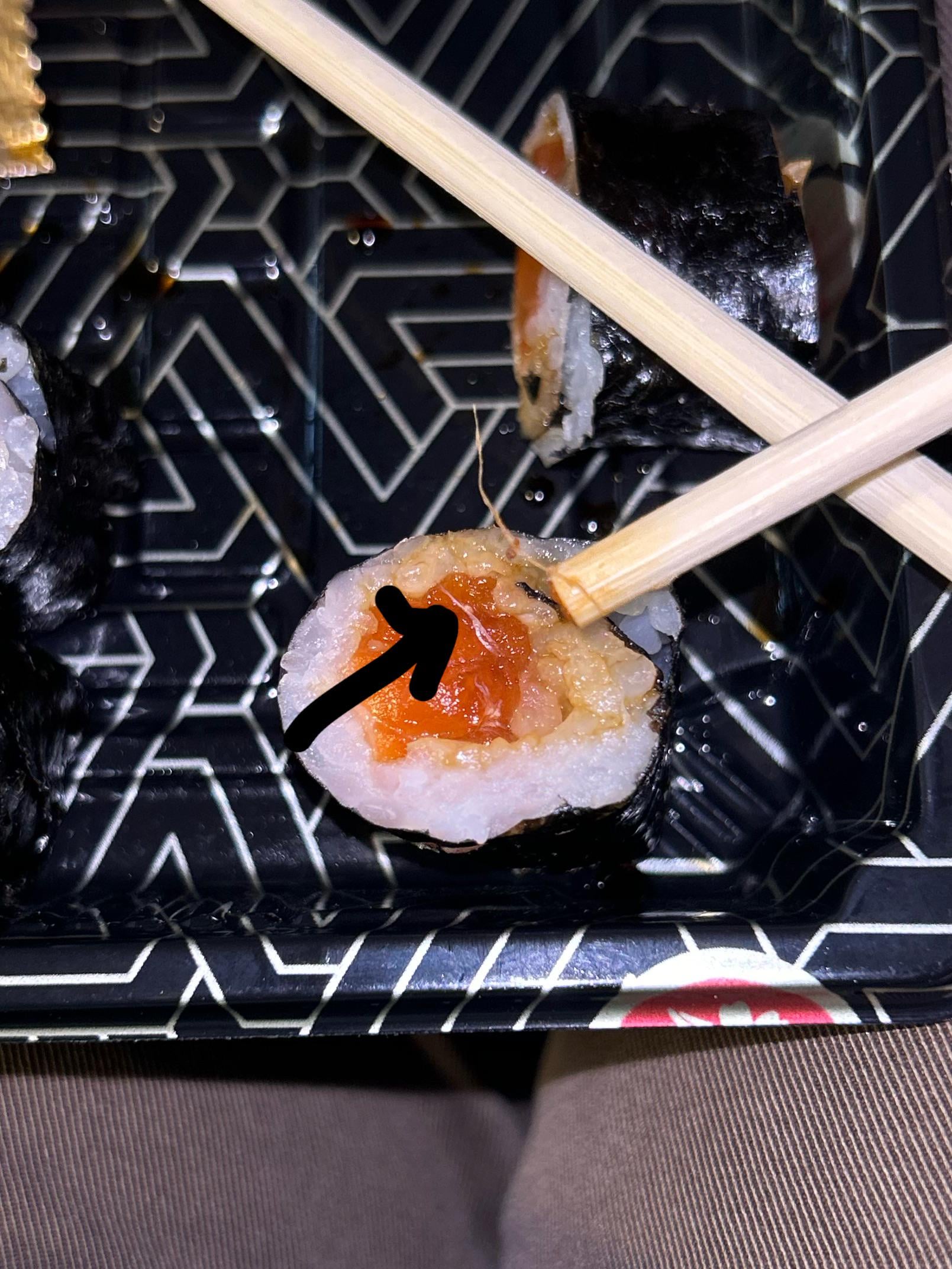
Yes, live or dead parasitic worms can sometimes be found in raw salmon, both wild-caught and farm-raised. These organisms are a natural part of the marine ecosystem, but commercial processing, freezing standards, and cooking guidelines are specifically designed to eliminate any food safety risks before the fish reaches your plate.
The presence of parasites in seafood often sparks immediate concern among consumers. When someone cuts into a fresh piece of salmon and spots a small, thread-like creature, it can be alarming enough to ruin an appetite. However, understanding how marine biology intersects with modern food safety regulations helps demystify why these organisms appear and what measures keep the public protected.
The Biological Reality: Marine Parasites in Wild and Farmed Salmon
To understand why worms appear in salmon, it is necessary to examine the natural life cycles of marine ecosystems. Salmon are predatory fish that traverse complex aquatic food webs. In these environments, various parasites find hosts to complete their biological development.
Common Parasitic Species Found in Salmon
The most frequently encountered parasite in salmon is Anisakis simplex, commonly known as the herring worm or cod worm. These nematodes are small, whitish, and tightly coiled or elongated, typically measuring between one and three centimeters in length. They inhabit the visceral cavity of the fish and occasionally migrate into the muscle tissue (the edible flesh) as the fish feeds or after it dies.
Another related parasite group is Pseudoterranova (sealworm), which shares a similar life cycle involving marine mammals as definitive hosts and fish or squid as intermediate hosts. While these worms look unsettling, they are entirely natural biological components of wild marine life.
Wild-Caught vs. Farm-Raised Salmon
A common misconception is that farm-raised salmon is completely sterile and devoid of parasites. While it is true that aquaculture environments reduce the exposure to wild parasitic infections, farmed salmon are still susceptible depending on their feed and rearing conditions.
- Wild-Caught Salmon: These fish consume a natural diet of crustaceans, small fish, and squids, which frequently carry the larval stages of marine nematodes. Consequently, wild salmon carry a higher baseline prevalence of parasites. In some fisheries and regions, infection rates in wild fish approach 100%, meaning nearly every fish may host at least one parasite during its lifecycle.
- Farm-Raised Salmon: Aquaculture facilities typically feed salmon manufactured, heat-treated pellets rather than live, wild-caught prey. This controlled diet drastically minimizes their exposure to parasites. Furthermore, modern net-pen management and veterinary oversight monitor stock health closely. However, if pens are located in open coastal waters where wild fish swim nearby, occasional transmission can still occur, though at significantly lower rates than in wild populations.
Health Risks and Symptoms of Consuming Seafood Parasites
Eating raw or undercooked salmon containing viable parasites can lead to a condition known as anisakiasis. This occurs when a person ingests a live nematode, which then attempts to invade the wall of the stomach or intestine.
What is Anisakiasis?
When a live Anisakis larva enters the human digestive tract, it cannot survive long-term or mature inside a human host, but its attempts to burrow through the gastrointestinal mucosa cause localized inflammation, severe abdominal pain, nausea, vomiting, and sometimes allergic reactions ranging from mild hives to anaphylaxis.
Symptoms typically manifest anywhere from a few hours to a couple of days after ingestion. In many cases, the body's immune system eventually clears the parasite or it passes harmlessly, but severe cases require endoscopic removal by a gastroenterologist.
The Role of Dead Parasites
It is vital to note that dead parasites pose no physical infection risk. If a salmon fillet has been thoroughly cooked or commercially frozen, any worms present inside the flesh are dead. While consuming cooked or frozen parasitic nematodes is visually unappealing, they act merely as incidental protein and do not cause anisakiasis or live infections.
Regulatory Standards and Commercial Prevention Methods
Regulatory bodies around the world, such as the U.S. Food and Drug Administration (FDA) and the European Food Safety Authority (EFSA), enforce strict protocols to ensure that seafood sold for raw consumption—such as sushi and sashimi—is safe from parasites.
FDA Freezing Guidelines
For fish intended to be eaten raw or undercooked, the FDA Food Code mandates specific freezing parameters to kill all parasitic nematodes and their eggs. Commercial establishments and suppliers must adhere to one of the following methods:
| Freezing Method | Core Temperature | Minimum Duration | Primary Application |
|---|---|---|---|
| Ultra-Low Temperature | -20°C (-4°F) or below | 7 days | Commercial blast freezers |
| Standard Commercial | -35°C (-31°F) or below | 15 hours | Industrial processing |
| Deep Freeze Storage | -35°C (-31°F) or below until solid | 24 hours | Specialized hold rooms |
Standard residential kitchen freezers typically operate around -18°C (0°F) and often lack the rapid cooling capacity required to meet these parasite-destruction standards safely within the specified timeframes. Therefore, consumers should not rely on a standard home freezer to render raw wild-caught fish safe for sushi.
Visual Inspection and Candling
Commercial processing plants utilize trained inspectors who employ techniques such as "candling"—shining a bright light through translucent fish fillets—to spot and manually remove visible parasites. While this drastically reduces the number of worms reaching retail markets, it is not 100% foolproof, which is why freezing and cooking mandates remain the ultimate safety net.
| Safety Control Measure | Target Parasite Stage | Effectiveness |
|---|---|---|
| Visual Candling | Live or dead visible nematodes | High for surface/large worms; low for embedded microscopic larvae |
| Commercial Freezing | All viable larvae and eggs | 100% effective when protocols are strictly followed |
| Thermal Cooking | All pathogens and parasites | 100% effective when internal temp reaches 63°C (145°F) |
How to Inspect Salmon at Home
Whether purchasing fresh fillets from a local fishmonger or selecting pre-packaged portions at a supermarket, consumers can perform basic visual checks to assess the quality and safety of their salmon.
Visual Indicators to Look For
- Examine the Surface: Look closely at the muscle grain and the layer line of the fillet. Parasites often appear as small, coiled, translucent, white, or yellowish threads.
- Check the Texture: Fresh salmon should have firm, elastic flesh that springs back when pressed. Mushy or deteriorating flesh can indicate poor handling or advanced spoilage, though it does not automatically correlate with parasite presence.
- Smell the Fish: Fresh salmon should smell clean and mild, reminiscent of the ocean or cucumber. A sour, ammonia-like, or overly fishy odor indicates spoilage and bacterial growth.
What to Do If You Find a Worm
If you discover a worm in a piece of salmon, do not panic.
- If you plan to cook the fish thoroughly, heat will destroy any risk. Ensure the internal temperature reaches at least 63°C (145°F).
- If the fish was intended for raw consumption (like homemade sushi) and you spot a parasite, discard that portion or cook the fish thoroughly before eating.
- You can also return the product to the retailer for a refund or exchange, notifying them of quality control oversights.
Frequently Asked Questions
Are worms in salmon common?
Yes, they are very common in wild salmon, with some populations exhibiting infection rates close to 100%. They are much less common in farm-raised salmon due to controlled feeding practices, but they can still occur occasionally.
Can you get sick from eating cooked salmon with dead worms?
No. Once salmon is cooked to an internal temperature of 63°C (145°F) or properly frozen according to regulatory standards, any parasites present are dead. Dead parasites are harmless to human health, even if they are unappetizing to look at.
Does freezing salmon at home kill parasites?
Standard household freezers may not reach the extreme sub-zero temperatures (-20°C to -35°C) required to reliably kill parasitic nematodes within safe timeframes. It is best to purchase commercially frozen fish if you intend to prepare raw dishes like sushi at home.
Are parasitic worms visible to the naked eye?
Most common marine nematodes, such as Anisakis larvae, are visible to the naked eye, typically measuring one to three centimeters long. However, very small larvae embedded deep within the muscle tissue can be difficult to spot without specialized lighting or microscopic examination.
Do farmed salmon ever have worms?
Yes, farmed salmon can occasionally harbor parasites if they are raised in open-water net pens where wild fish carrying parasites swim nearby. However, the prevalence is drastically lower in farmed fish compared to wild-caught fish because of regulated, pellet-based diets.
Practical Recommendations for Consumers
When handling and preparing salmon, combining visual awareness with proper culinary practices ensures a safe dining experience. Always purchase seafood from reputable suppliers who source their products from certified processors complying with food safety regulations. If preparing sushi, sashimi, or gravlax at home, verify that the fish was explicitly labeled and handled as "sushi-grade" or previously frozen for raw consumption. For all other culinary preparations, cook the salmon until the flesh is opaque and flakes easily with a fork, ensuring internal safety and culinary perfection.