Timeshares can be good for travelers who value guaranteed vacation consistency, predictable long-term lodging costs, and resort-style amenities, but they are generally poor financial investments because they depreciate rapidly and carry mandatory, rising annual maintenance fees. Determining whether a timeshare fits your lifestyle requires a careful examination of structural types, ongoing costs, resale markets, and alternative lodging options.
Evaluating the true value of a timeshare requires moving past high-pressure sales presentations and examining the underlying legal, financial, and operational frameworks of vacation ownership. For decades, the vacation ownership industry has marketed timeshares as a smart hedge against inflation and a guaranteed path to luxury family getaways. However, consumer protection agencies and real estate analysts frequently highlight the complexities of exiting these contracts and their poor performance as appreciating assets.
Understanding whether a timeshare is right for you involves looking closely at how these products function, the types of ownership available, the lifetime financial commitments involved, and how they compare to traditional vacation planning.
The Fundamentals of Vacation Ownership
A timeshare—formally known as vacation ownership—grants a buyer the right to use a resort property for a specific period each year, typically one week. Rather than purchasing real estate in the traditional sense, owners are purchasing a slice of time or points that can be redeemed for time within a resort network.
To understand why opinions on timeshares are sharply divided, it helps to examine the two primary ways ownership is structured:
- Deeded Ownership: The buyer receives a fractional, undivided real estate interest in the physical property. This interest is recorded with the local county, persists for a specified number of years or in perpetuity, and can be passed down to heirs or sold.
- Right-to-Use (Leased) Ownership: The buyer purchases the right to use the property for a specified number of years (often 20 to 99 years), after which all rights revert to the resort developer or management company.
Beyond these structural forms, the industry has evolved from fixed weeks (where you visit the exact same unit during the exact same week every year) to floating weeks and points-based systems. Points-based systems operate like a currency, allowing owners to trade their annual allotment for stays at different resorts, shorter weekend trips, or travel perks like rental cars and cruises. While points offer greater flexibility, they also introduce complex rules, booking windows, and internal exchange fees.
Financial Realities: Upfront Costs and Maintenance Fees
The initial purchase price of a timeshare is only the entry fee. According to data tracked by organizations like the American Resort Development Association (ARDA), the average price of a new timeshare interval can range from $15,000 to over $25,000, often financed through developer loans carrying high double-digit interest rates.
However, the defining financial characteristic of a timeshare is the ongoing maintenance fee. Unlike traditional homeownership, where maintenance costs are optional or timed at the owner's discretion, timeshare maintenance fees are mandatory annual assessments levied by the resort management. These fees cover property taxes, insurance, security, housekeeping, and capital reserves for major renovations (such as replacing roofs or updating interiors).
Key financial aspects of timeshare ownership include:
- Escalating Costs: Maintenance fees rarely decrease. Historically, they outpace the rate of inflation, increasing by an average of 3% to 7% annually. An owner who pays $800 a year in maintenance fees today may face fees exceeding $1,500 a year within a decade.
- Zero Investment Value: Unlike residential real estate or commercial property, timeshares are consumer goods, not appreciating investments. The moment a new timeshare is purchased, its secondary market value drops precipitously. Many owners attempt to sell their timeshares on the secondary market for as little as $1 or give them away on specialized listing platforms just to escape the maintenance fee burden.
- Special Assessments: When a resort property suffers major storm damage, or when reserve funds are inadequate for scheduled renovations, the management can levy special assessments. These are unexpected, mandatory lump-sum bills sent to owners, sometimes costing thousands of dollars per interval.
Timeshare vs. Traditional Vacationing: A Comparative Overview
To evaluate whether a timeshare is good value, it is helpful to compare the total cost of ownership against traditional vacation rentals, hotels, and vacation packages over a projected timeframe.
| Feature / Metric | Timeshare Ownership | Traditional Booking (Hotels / Rentals) |
|---|---|---|
| Upfront Financial Commitment | High ($15,000 to $30,000+ or high-interest financing) | None (pay as you go) |
| Ongoing Annual Costs | Mandatory maintenance fees ($800–$2,000+) every year, regardless of use | None, unless actively traveling |
| Flexibility | Restricted to resort network rules, internal exchange systems, and booking windows | Complete freedom to choose destinations, dates, and accommodation types |
| Asset Resale Value | Extremely low; highly illiquid secondary market | N/A (no capital tied up in lodging) |
| Accommodation Quality | Typically includes multi-room villas, kitchens, and in-unit laundry | Varies widely by booking; ranges from standard hotel rooms to luxury rentals |
| Exit Difficulty | Extremely difficult to sell or terminate contracts legally | N/A |
As the comparison illustrates, timeshares trade financial and scheduling flexibility for guaranteed space and resort amenities. For a traveler who takes the exact same vacation every single year, a timeshare can provide cost consistency over a long horizon. For a traveler who wants to explore different global regions, stay in boutique hotels, or skip vacations during tight financial years, traditional booking models offer vastly superior utility.
The Myth of the Investment and the Resale Market Trap
One of the most persistent misconceptions perpetuated by aggressive sales tactics is that timeshares hold their value or appreciate over time. In reality, the secondary market is flooded with unwanted intervals.
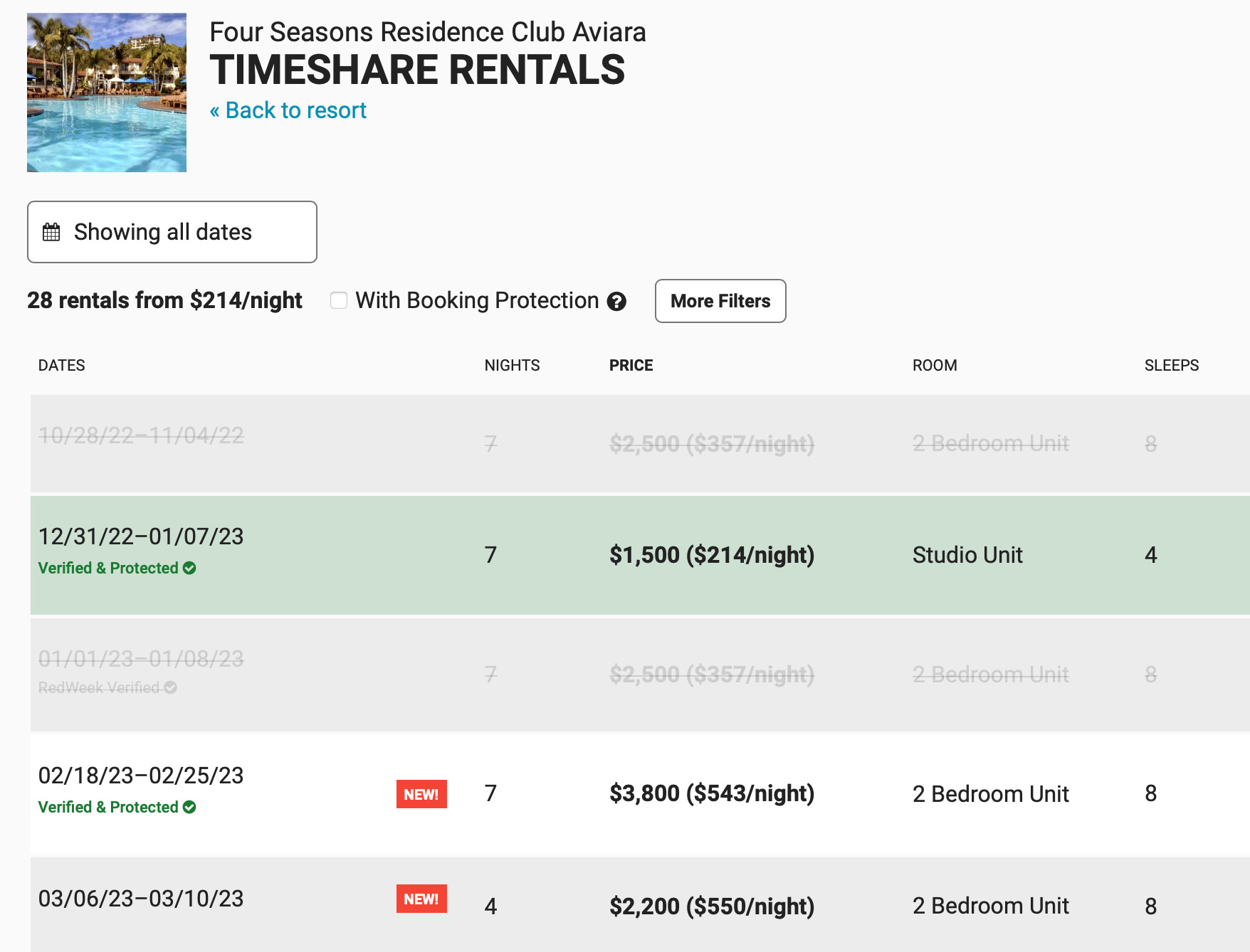
Because developers spend a significant portion of a new timeshare's purchase price on marketing, sales commissions, and overhead, the true construction and land value represents only a fraction of the retail price. Consequently, buyers who attempt to sell their timeshares find almost zero retail demand. Platforms like eBay frequently list timeshares for $1, with zero bids, because the buyer is simply taking on an endless chain of future maintenance fees.
This dynamic has created a booming secondary industry of predatory "timeshare exit" companies. These firms charge desperate owners thousands of dollars upfront with the unfulfilled promise of legally canceling their contracts, often leaving consumers scammed a second time. True exit options are limited:
- Developer Take-Back Programs: Some major hospitality brands (such as Marriott, Hilton, or Disney) offer internal programs to surrender ownership back to the developer, provided the mortgage is fully paid off and maintenance fees are current.
- Legal Contract Review: Real estate attorneys specializing in consumer protection can sometimes assist with contract cancellations if misrepresentation can be proven during the original sale, though success varies widely by jurisdiction and contract terms.
When Timeshares Are Actually Good
Despite the financial pitfalls and exit complexities, thousands of timeshare owners report high satisfaction levels. A timeshare can be a worthwhile purchase under specific conditions:
- Guaranteed Multi-Generational Travel: Families with large numbers of members who gather every year at the exact same location (such as an annual family reunion in Orlando or a specific beach resort) benefit from the multi-bedroom villas, kitchens, and communal spaces timeshares provide.
- High Utilization of Exchange Networks: Owners who thoroughly understand and actively utilize external exchange networks like RCI or Interval International can leverage their points to travel globally, trading a week at their home resort for stays in Europe, Asia, or Hawaii.
- Discipline for Vacation Savings: For individuals who struggle to save money specifically for leisure travel, the mandatory nature of maintenance fees and advance planning forces them to prioritize taking a vacation every year.
- Purchasing on the Secondary Market: Savvy buyers who bypass the developer entirely and purchase a used timeshare for $1 on the secondary market avoid the catastrophic upfront depreciation, reducing their financial exposure strictly to the annual maintenance fees.
Frequently Asked Questions
Can I make money by renting out my timeshare?
Renting out your timeshare interval when you cannot use it can help offset annual maintenance fees, but it is rarely a profitable business. The timeshare rental market is highly competitive, and platforms charge commission fees. Furthermore, not all resort management companies permit commercial rentals, and some levy guest-certificate fees that eat into potential rental income.
Are points-based timeshares better than fixed weeks?
Points-based systems offer significantly more flexibility than traditional fixed weeks, allowing you to split your time into shorter stays, upgrade to larger units, or access different resorts within a network. However, points systems often come with complex rule structures, internal expiration deadlines, and annual program membership fees that do not apply to simple deeded weeks.
How hard is it to get out of a timeshare contract?
Exiting a timeshare contract can be extremely difficult, particularly if the contract is deeded in perpetuity. If you still owe money on a developer loan, walking away is nearly impossible without damaging your credit score. If the mortgage is paid off, you must check whether the developer offers a deed-back program or rely on a reputable, specialized real estate attorney.
What happens to a timeshare when the owner passes away?
Under deeded ownership models, the timeshare becomes part of the deceased owner's estate and is passed down to heirs according to their will or state probate laws. Because maintenance fees persist in perpetuity, heirs can inherit an unwanted financial liability. Beneficiaries have the legal right to disclaim or refuse the inheritance of a timeshare during the estate settlement process.
Are all timeshare developers reputable?
The industry includes major, publicly traded hospitality brands (such as Marriott Vacations Worldwide, Hilton Grand Vacations, and Disney Vacation Club) that maintain high resort standards, alongside smaller independent resorts that may face operational challenges or aging infrastructure. Researching the financial health of the resort management association and reviewing historical maintenance fee increases is essential prior to purchase.
Conclusion and Next Actions
Timeshares are neither universally good nor inherently scams; rather, they are rigid, long-term financial commitments suited to a very specific type of traveler. If you value guaranteed space, predictable annual resort quality, and consistency, and you can comfortably absorb rising annual maintenance fees without relying on resale appreciation, a timeshare can serve your lifestyle well.
If you are currently considering purchasing a timeshare, your best course of action is to decline the initial sales presentation offer, walk away from developer financing, and research the secondary market. If you already own an unwanted timeshare, contact the resort's owner services department directly to inquire about official surrender or deed-back programs before engaging paid exit services.