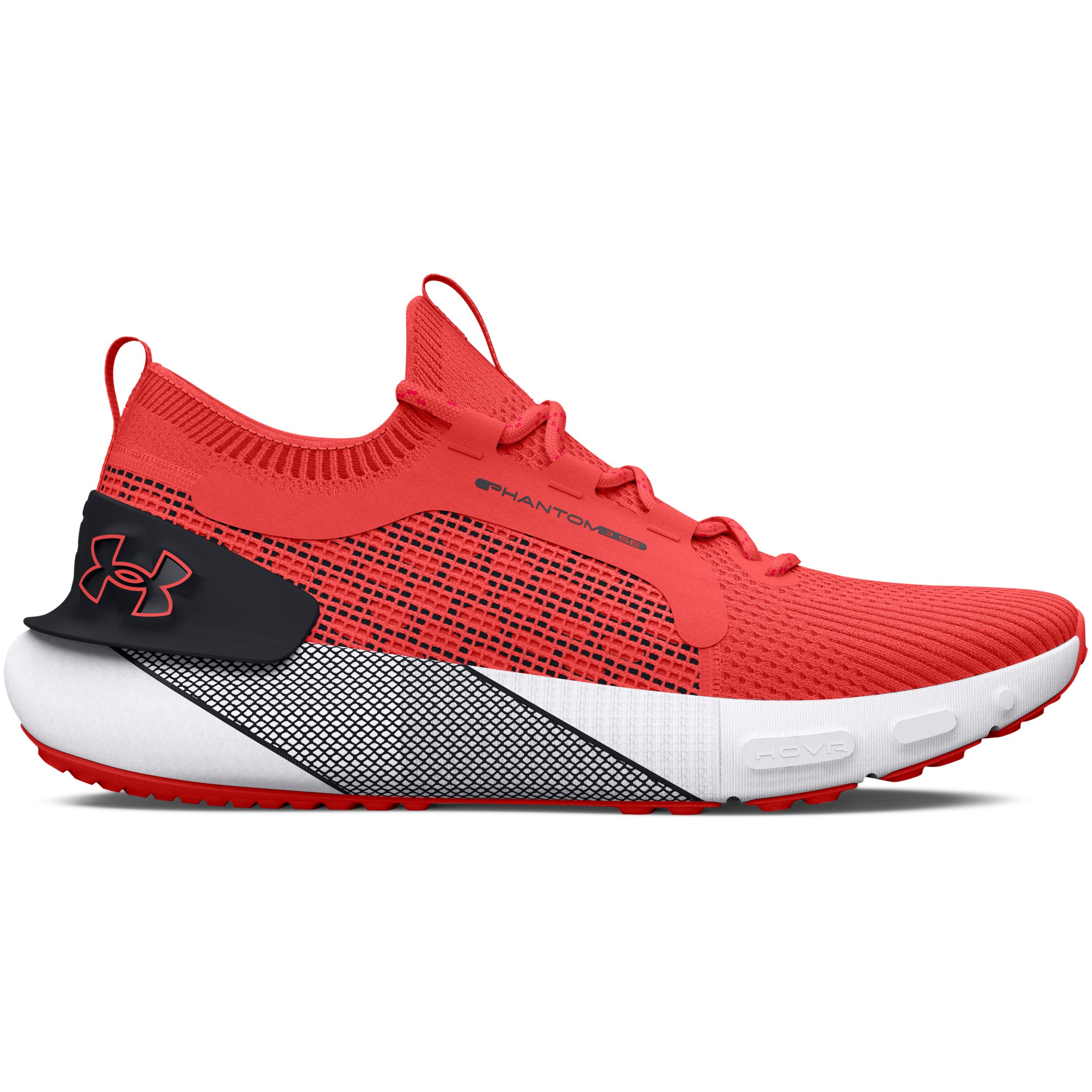
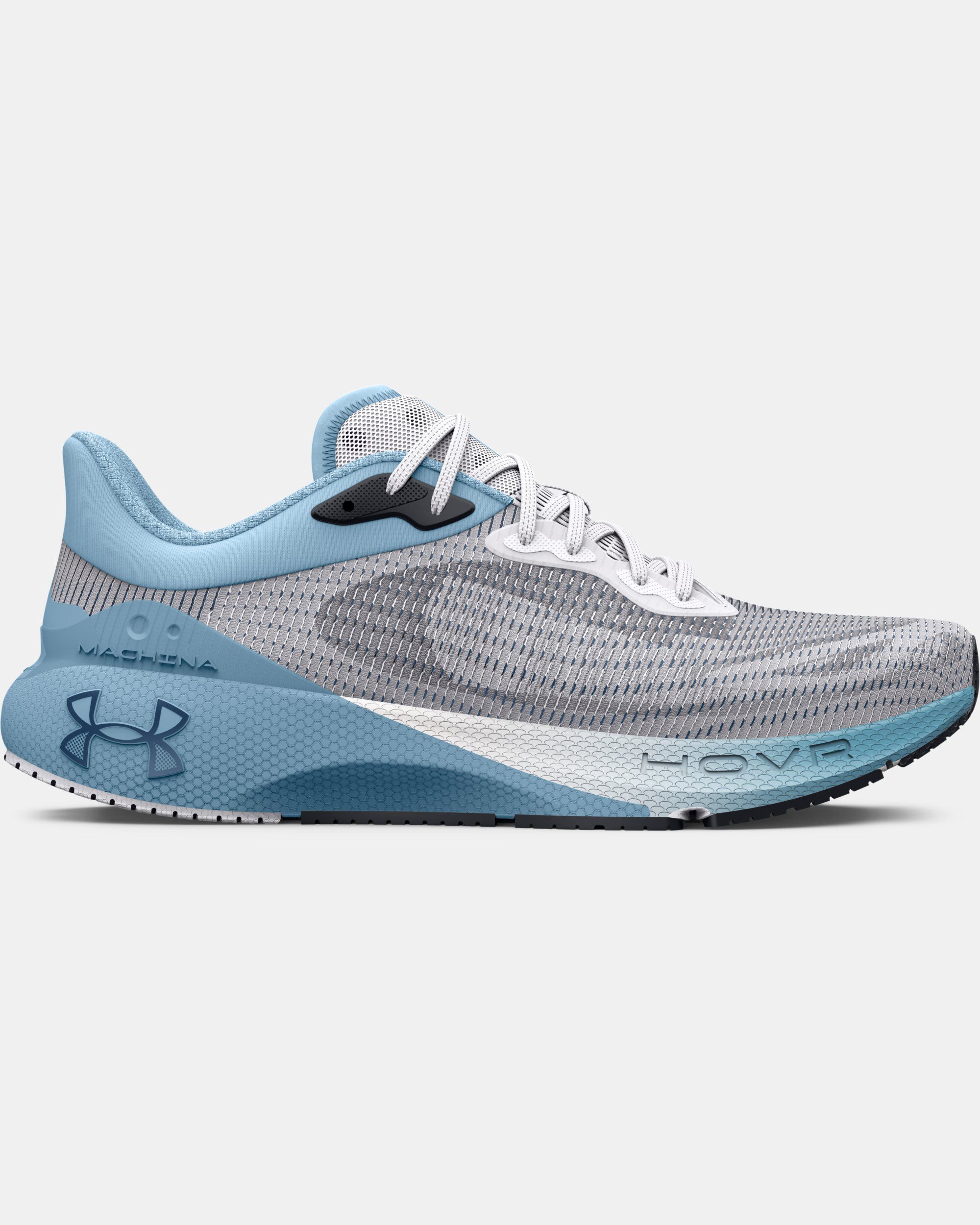
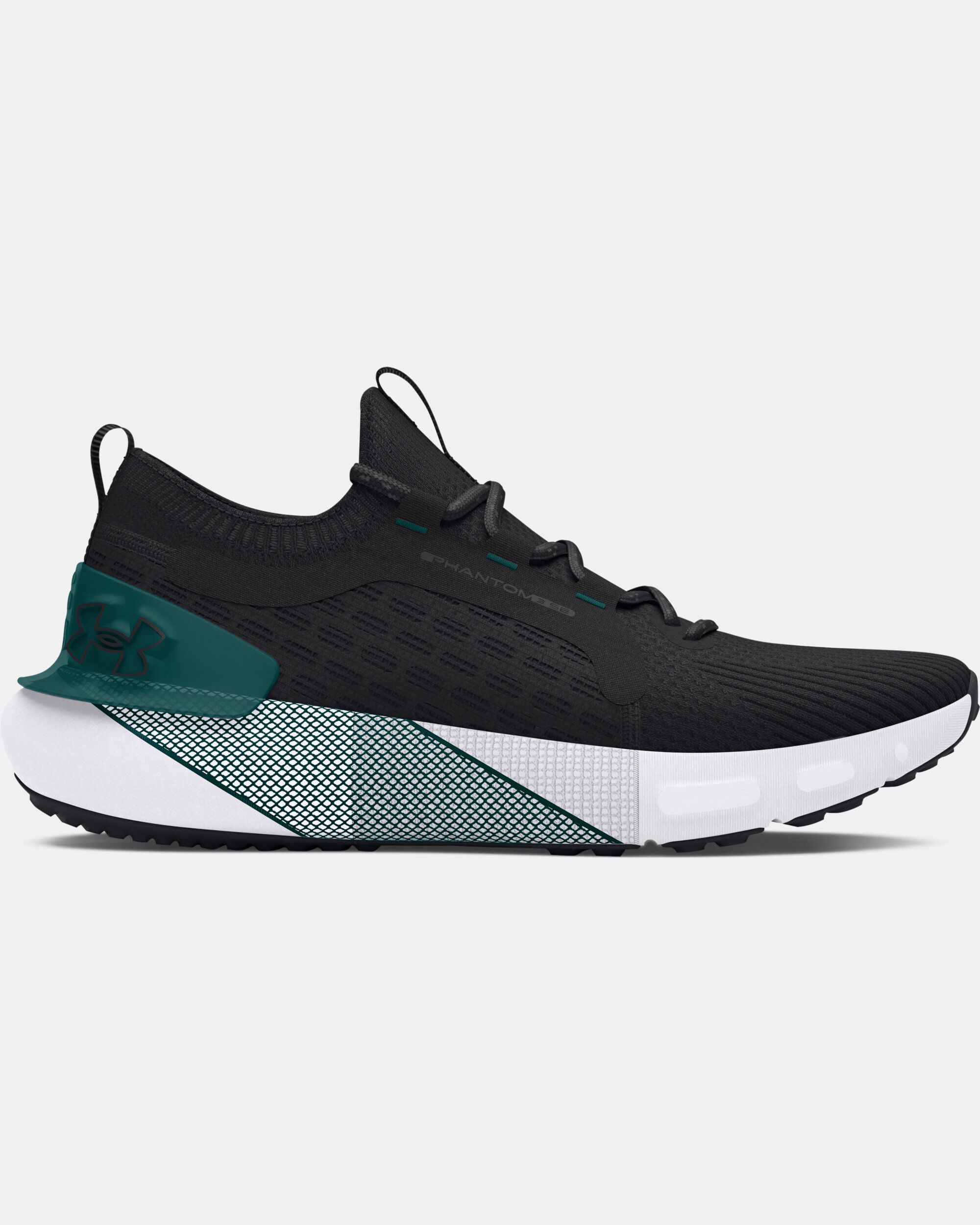
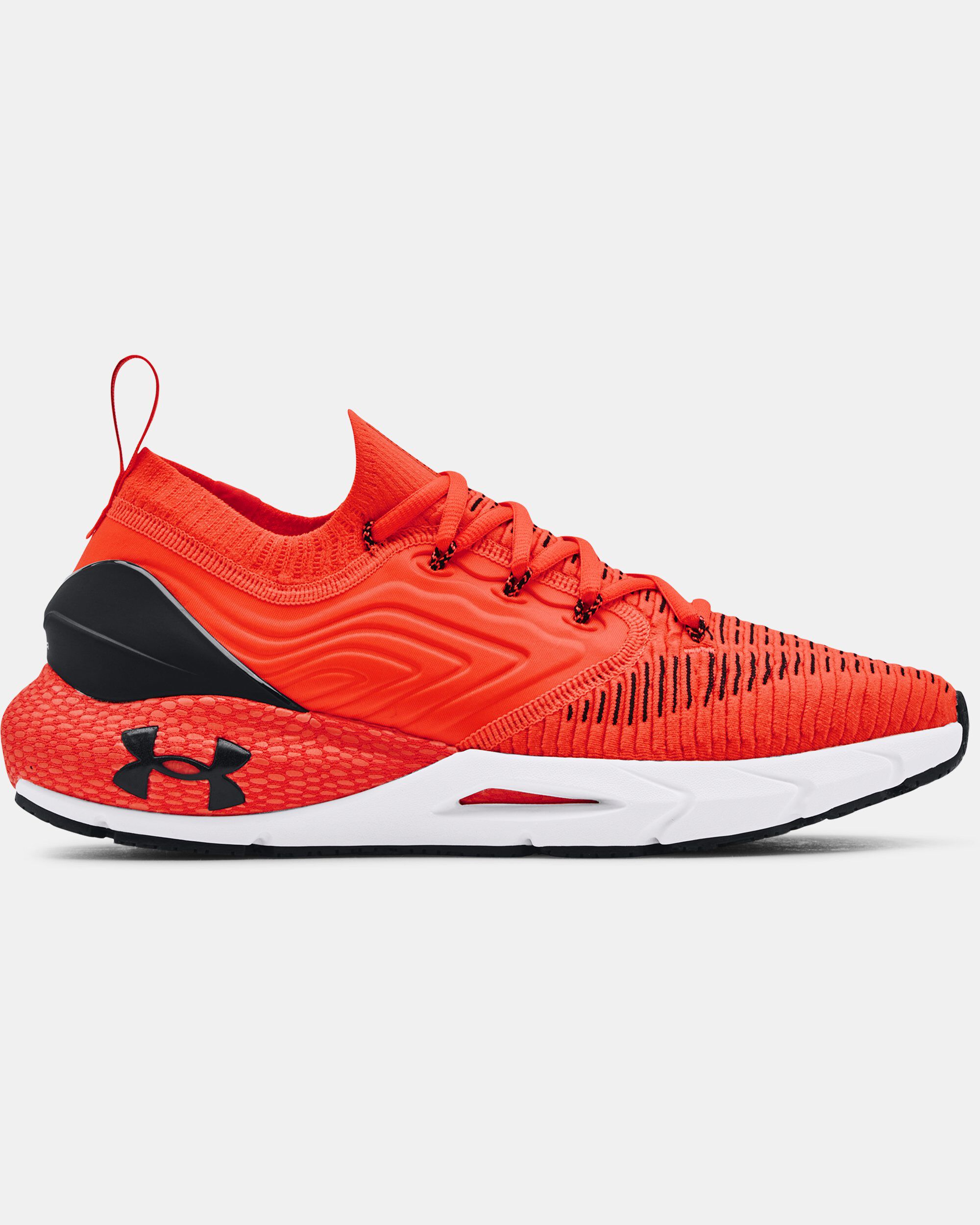
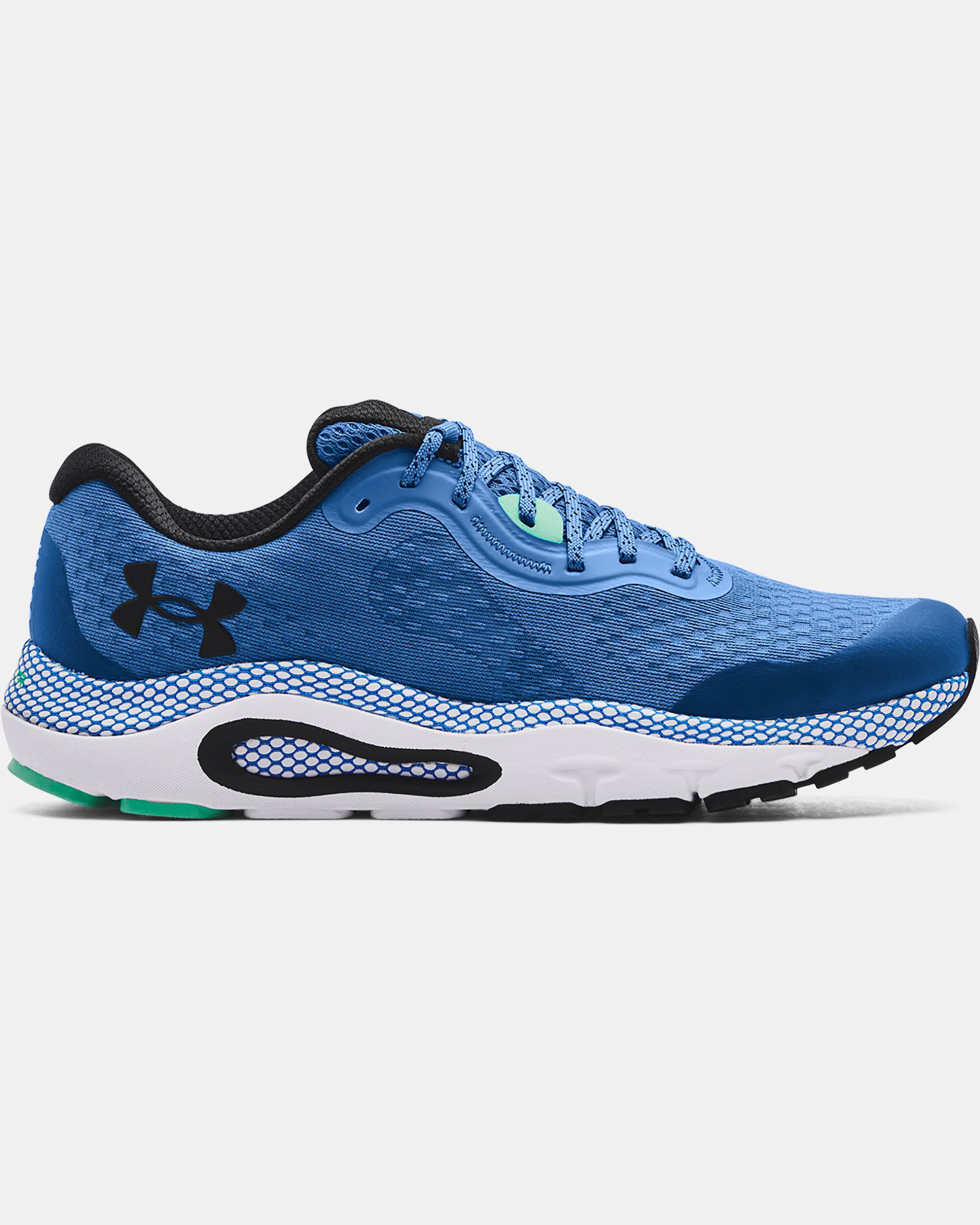
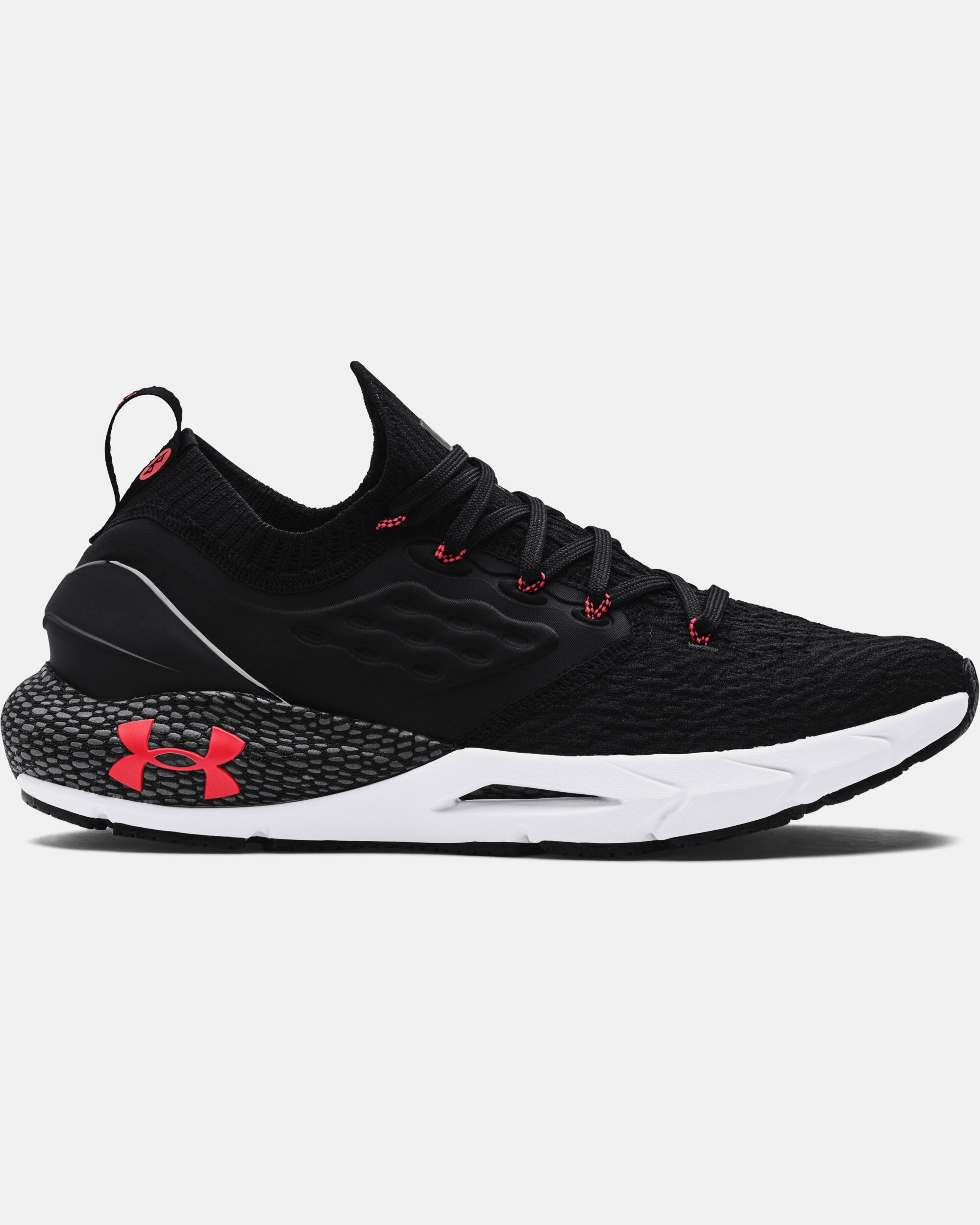
Under Armour shoes can be a good choice for running, particularly for neutral runners seeking durable daily trainers, gym-to-road versatility, or smart-connected footwear options. While the brand historically focused on athletic apparel, its modern running footwear lineup incorporates advanced proprietary cushioning systems like UA Flow and HOVR, delivering reliable energy return, traction, and impact absorption for various training distances.
Navigating the running shoe market requires cutting through marketing jargon to understand how specific footwear technologies perform under real-world conditions. For years, running enthusiasts viewed Under Armour as an apparel giant rather than an authentic technical footwear innovator. However, substantial R&D investments and proprietary foam developments have transformed their running catalog. Evaluating whether Under Armour running shoes suit your specific biomechanics, foot shape, and weekly mileage requires a detailed examination of their product tiers, cushioning technologies, durability, and target runner profiles.
Evolution of Under Armour Running Shoes
Understanding Under Armour’s current standing in the running community requires looking at how the brand developed its footwear division. Early iterations of Under Armour running shoes often prioritized lifestyle aesthetics and cross-training stability over the specialized biomechanical needs of long-distance runners. They were frequently criticized for being overly stiff, lacking breathability, or providing insufficient shock attenuation during high-mileage runs.
In response to feedback from runners and coaches, Under Armour shifted its engineering focus toward specialized running dynamics. The introduction of proprietary foam compounds marked a turning point. Instead of relying entirely on standard EVA (Ethylene-Vinyl Acetate) foam—which tends to pack down and lose its responsiveness quickly—Under Armour engineered distinct foam families designed to balance cushioning, weight, and energy return. Today, their catalog spans lightweight daily trainers, race-day options with carbon-infused plates, and connected fitness shoes equipped with embedded Bluetooth sensors.
Core Cushioning Technologies and Performance Features
Under Armour utilizes distinct midsole and outsole technologies across its running lineup. Each system serves a specific purpose, catering to different running styles, surface types, and runner weights.
UA HOVR Cushioning
The HOVR cushioning platform remains one of the brand's most recognizable contributions to running footwear. Designed to provide a "zero-gravity feel," HOVR technology uses a proprietary foam core encased in a dynamic mesh energy web (called the Energy Web).
- Impact Absorption: The foam absorbs initial ground impact efficiently, reducing stress on the knees and lower back during road running.
- Energy Return: The Energy Web contains and molds the soft core foam, snapping back into place to return energy with each toe-off.
- Ride Quality: HOVR tends to offer a balanced, slightly firmer ride compared to ultra-plush competitors, making it favored by runners who prefer stability over a marshmallow-soft feel.
UA Flow Technology
In recent years, UA Flow disrupted traditional running shoe construction by entirely eliminating the heavy rubber outsole. Found in models like the Flow Velociti Wind series, this single-foam compound serves as both the midsole and the ground-contact outsole.
- Weight Reduction: Without a separate rubber outsole, the shoes are exceptionally lightweight, reducing fatigue over long training sessions.
- Traction: The proprietary foam compound provides surprisingly high grip on dry and wet asphalt, eliminating the slipping concerns typical of foam-only bottoms.
- Durability Trade-off: While the grip remains strong, runners should note that high-abrasion zones on the foam outsole may wear down faster than traditional carbon-rubber outsoles on rough concrete.
Connected Running Capabilities
Many Under Armour running shoes—distinguished by the "RECON" or "Connected" suffix—feature a built-in Bluetooth chip sealed inside the midsole.
- Data Tracking: These sensors pair directly with the MapMyRun application, tracking metrics such as cadence, stride length, foot strike angle, and average pace without needing a separate smartwatch or foot pod.
- Coaching Feedback: The app provides real-time form coaching, helping runners adjust their stride to improve efficiency and minimize injury risks.
Comparison of Under Armour Running Technologies
| Technology | Primary Benefit | Ideal Use Case | Notable Trade-off |
|---|---|---|---|
| UA HOVR | Balanced impact absorption and stability | Daily training, moderate mileage, heavier runners | Can feel slightly firm initially |
| UA Flow | Extreme lightweight design and high traction | Speed work, tempo runs, short-to-medium distance | Foam outsole shows wear faster on rough surfaces |
| Charged Cushioning | Budget-friendly durability and firm support | Casual gym use, walking, entry-level running | Less energy return and springiness |
Analyzing the Under Armour Running Shoe Lineup
Choosing the right pair requires matching your running goals with the appropriate model category. Under Armour structures its lineup to address specific use cases, ranging from recovery jogs to competitive marathons.
Daily Trainers and Recovery Shoes
For the average runner logging 10 to 30 miles per week, daily trainers need to offer a blend of comfort, breathability, and durability. Models utilizing HOVR technology—such as the HOVR Machina or HOVR Infinite series—excel in this category.
- Fit and Comfort: These models feature generous padding around the collar and heel counter, reducing friction and blister formation. The upper meshes are engineered with targeted ventilation zones to keep feet cool during warmer weather.
- Support: They generally cater to neutral runners, though the structured heel counters provide a secure lockdown that prevents excessive lateral shifting.
Speed and Tempo Shoes
Runners looking to set personal records or execute interval workouts require lighter, more responsive footwear. The UA Flow Velociti series dominates this space.
- Responsiveness: The lack of a rubber outsole allows the shoe to flex naturally with the foot, translating muscular effort directly into forward propulsion.
- Breathability: Uppers on these speed models often utilize minimalist mesh or TPE-based yarns to shed grams and maximize airflow.
Long-Distance and Marathon Options
While Under Armour is historically less dominant in elite marathon racing compared to specialized endurance brands, they have developed carbon-plated options like the UA Flow Velociti Elite. These shoes integrate carbon fiber plates with responsive supercritical foams to deliver maximum propulsion and mechanical advantage over 26.2 miles.
Pros and Cons of Running in Under Armour Shoes
Evaluating any athletic brand requires an objective look at both their competitive advantages and distinct limitations.
Advantages
- Durability: Under Armour constructs its uppers and midsoles with robust materials that withstand high-mileage wear and tear.
- Value Proposition: Many Under Armour models deliver performance features comparable to premium competitors at a more accessible price point.
- Tech Integration: The seamless integration of MapMyRun tracking appeals to data-driven runners who prefer not to buy auxiliary running sensors.
- Versatility: Many models effortlessly transition from a morning road run to a gym strength-training session.
Limitations
- Narrow Fit Profile: Historically, Under Armour running shoes run slightly narrow. Runners with wide feet may experience pinching in the midfoot or toe box unless they specifically seek out wide-width sizing options.
- Firm Ride: Runners who prefer a plush, highly cushioned "max-cushion" feel (similar to certain models from Hoka or Brooks) may find Under Armour’s HOVR and Flow foams too firm for easy recovery days.
- Brand Perception: In elite running circles, Under Armour still lacks the deep heritage and specialized running pedigree associated with legacy running brands.
Common Mistakes to Avoid When Buying Running Shoes
Selecting and using running shoes improperly can lead to discomfort, premature wear, or running injuries. Keep the following pitfalls in mind:
- Ignoring Foot Shape: Buying a shoe purely based on online reviews without checking width specifications often leads to blisters and black toenails. Always verify whether a model is offered in wide sizes if you have broad feet.
- Confusing Cross-Trainers with Running Shoes: Under Armour manufactures versatile cross-training and gym shoes. Running long distances in flat training shoes lacking proper impact attenuation can stress the Achilles tendon and plantar fascia. Ensure the model is explicitly designed for running.
- Overlooking Outsole Wear on Flow Models: If you choose a foam-outsole shoe like the Flow Velociti, regularly inspect the bottom tread. Once the micro-texture wears flat, traction on wet surfaces will decrease, even if the midsole foam still feels supportive.
Frequently Asked Questions
Are Under Armour shoes good for flat feet and overpronation?
Most Under Armour running shoes are engineered for neutral runners. While their stable platforms and firm heel counters offer basic support, runners with severe overpronation typically require dedicated stability shoes with medial posts or denser foam arch wedges, which are less common in the primary Under Armour lineup.
How many miles do Under Armour running shoes last?
Like most standard running shoes, Under Armour daily trainers typically last between 300 and 500 miles. High-mileage durability depends on runner weight, running surface, and stride mechanics. Models with traditional rubber outsoles generally outlast ultra-lightweight foam-outsole variants.
Can I use Under Armour running shoes for the gym and weightlifting?
Yes, many Under Armour running shoes—particularly HOVR models—feature a relatively flat, stable base that performs well during light weightlifting, cross-training, and gym sessions, though dedicated lifting shoes remain superior for heavy squats and deadlifts.
Do Under Armour running shoes run true to size?
Generally, Under Armour shoes run true to length, but they feature a snug, athletic fit through the midfoot. Runners who prefer extra toe splay or wear thick socks often size up by a half-size.
Conclusion and Next Actions
Under Armour running shoes are well-suited for neutral runners, gym-goers who enjoy running, and tech-focused athletes who value built-in fitness tracking. While they may not replace specialized endurance brands for every elite marathoner, models featuring HOVR and Flow technologies deliver durable, responsive performance for daily training. To make the best choice, visit a specialty running store to test the fit, identify whether you need a neutral or wide width, and match the shoe's cushioning profile to your weekly mileage goals.