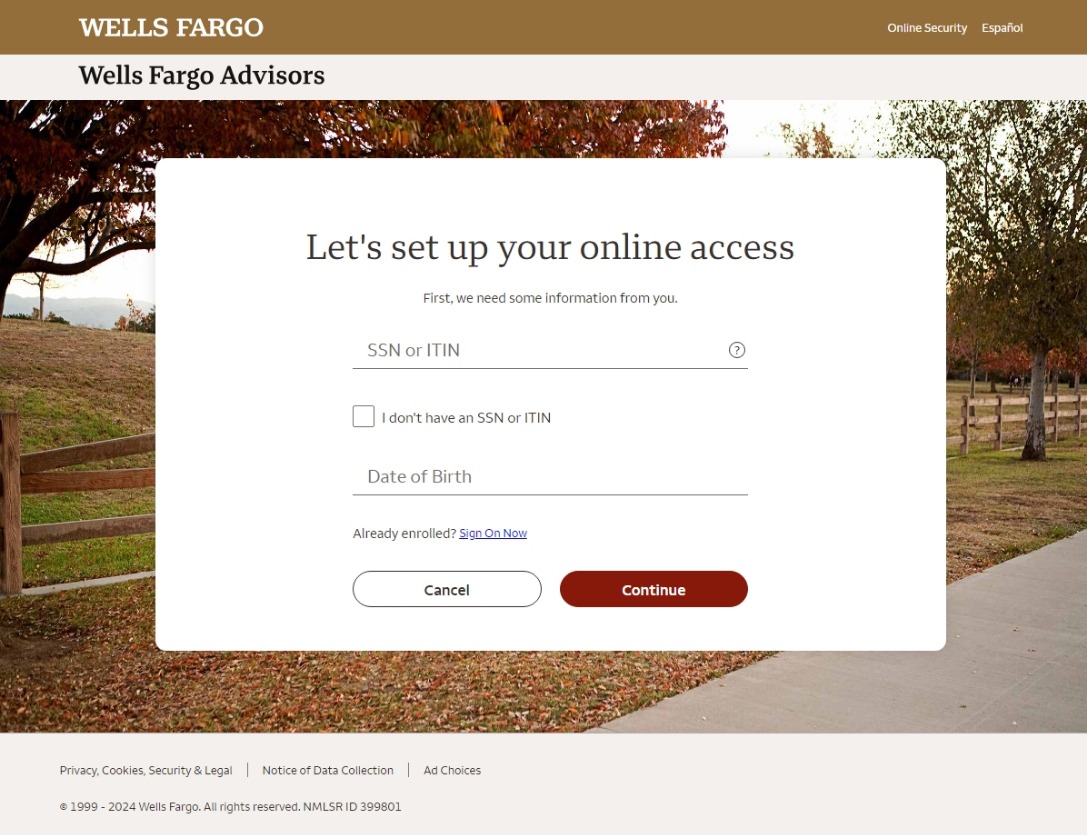
Wells Fargo offers a diverse range of investment services designed to accommodate various levels of financial expertise, spanning from self-directed trading through Wells Fargo Trade to full-service wealth management via Wells Fargo Advisors. Investors can access a broad selection of asset classes, including stocks, bonds, ETFs, and mutual funds, though service fees, account minimums, and platform capabilities vary significantly depending on the chosen investment model.
Understanding the Wells Fargo Investment Ecosystem
Wells Fargo operates as a comprehensive financial institution, providing an expansive suite of investment products. To evaluate its effectiveness, one must distinguish between the bank's different service tiers. The firm primarily segments its investment offerings into self-directed accounts and advisory-led wealth management services. Understanding these distinctions is essential for determining if the platform aligns with your specific financial goals.
The self-directed platform is designed for individuals who prefer to manage their own portfolios, make independent research decisions, and execute trades without ongoing guidance from a financial professional. Conversely, Wells Fargo Advisors targets clients seeking a structured relationship, where a dedicated advisor provides personalized financial planning, asset allocation strategies, and periodic portfolio rebalancing.
Self-Directed Investing: Wells Fargo Trade
For investors who prioritize autonomy, Wells Fargo provides a self-directed platform integrated into the broader banking environment. This platform allows users to manage their brokerage accounts alongside their checking and savings accounts through a unified digital interface.
Platform Features and Tools
The self-directed interface provides essential research capabilities, including real-time market data, stock screeners, and access to proprietary equity research. By centralizing banking and brokerage services, Wells Fargo aims to provide a convenient experience for those who hold their primary liquid assets with the bank.
Cost Structure and Trade Execution
The fee structure for self-directed accounts often mirrors competitive industry standards for traditional brokerage houses. While online stock and ETF trades typically carry no commission fees, investors should carefully review the schedule of fees for other transaction types, such as options contracts, mutual fund loads, and administrative account maintenance fees. Transparency regarding these costs is a critical component of assessing the long-term viability of the platform for frequent traders versus buy-and-hold investors.
Full-Service Wealth Management: Wells Fargo Advisors
Wells Fargo Advisors represents the firm’s core wealth management offering. This service is tailored for high-net-worth individuals, families, and organizations that require sophisticated investment strategies and long-term financial planning.
The Role of Financial Advisors
The primary value proposition of this tier is the partnership between the client and a Financial Advisor (FA). These professionals are tasked with understanding a client's risk tolerance, time horizon, and financial objectives. Unlike the self-directed path, this model relies on professional oversight to navigate market volatility and manage asset allocation.
Advisory Programs
Wells Fargo Advisors offers various programs, such as fee-based advisory accounts where assets are managed for a percentage of the total portfolio value rather than individual transaction commissions. This structure is intended to align the advisor’s interests with the growth of the client’s assets. Prospective clients should analyze the specific account minimums associated with these programs, as they often require significant capital commitments compared to standard retail brokerage accounts.
Comparison of Investment Tiers
Choosing the right approach depends heavily on your comfort level with market analysis and the amount of time you are willing to dedicate to portfolio management.
| Feature | Self-Directed (Wells Fargo Trade) | Wealth Management (Wells Fargo Advisors) |
|---|---|---|
| Primary Goal | Independent control | Personalized financial planning |
| User Role | Active manager | Client of a professional advisor |
| Cost Basis | Per-trade and administrative fees | Percentage-based advisory fees |
| Asset Minimums | Low to none | Generally high/variable |
| Research Access | Integrated portal tools | Institutional-grade research/consultation |
Evaluating Investment Products and Asset Classes
Both the self-directed and advisory tiers offer access to a wide array of financial instruments. These include domestic and international stocks, fixed-income securities (bonds), mutual funds, and exchange-traded funds (ETFs).
For investors interested in fixed income, Wells Fargo provides significant access to primary and secondary bond markets. However, the user experience for purchasing bonds differs greatly between the self-directed platform, which requires the investor to identify and execute the trade, and the advisory tier, where an advisor can suggest bonds that fit a specific laddering strategy or income requirement.
Critical Considerations for Prospective Investors
Before opening an investment account with Wells Fargo, potential users should consider several practical factors that influence long-term satisfaction and performance.
Banking Integration
One of the most frequently cited benefits is the ability to view brokerage and banking accounts within a single interface. This integration facilitates easier fund transfers, potentially improving cash management efficiency. However, convenience should not be the sole deciding factor; the quality of the investment tools and the transparency of the cost structure are equally important.
Regulatory and Oversight Standards
As a registered broker-dealer and investment adviser, Wells Fargo is subject to regulation by the Securities and Exchange Commission (SEC) and the Financial Industry Regulatory Authority (FINRA). Investors should verify the background of any specific firm or advisor using the FINRA BrokerCheck tool, which provides public records on employment history, licensing, and any disciplinary actions.
Fee Transparency
While many digital platforms offer low-cost or zero-commission trading, traditional wealth management firms often carry management fees that compound over time. It is vital to request a copy of the "Form ADV" for advisory services, which details the firm’s investment strategies, fees, and potential conflicts of interest.
Common Challenges and Troubleshooting
Investors may occasionally face friction points, particularly regarding platform navigation or the transition from a standard bank account to a brokerage account.
- Digital Connectivity: Issues with logging into the combined portal usually stem from account linking errors. Users should ensure their brokerage and bank account profiles are correctly synched through the Wells Fargo online security settings.
- Trade Restrictions: Certain complex securities or thinly traded stocks may have restricted access on self-directed platforms due to liquidity or regulatory risk.
- Communication Latency: Clients in the advisory tier who find communication infrequent should proactively schedule quarterly review meetings to ensure their portfolio remains aligned with their evolving financial situation.
Related Frequently Asked Questions
What are the minimum balance requirements for a Wells Fargo brokerage account?
The minimum requirement depends entirely on the account type. Self-directed brokerage accounts may have low or no minimums, whereas managed advisory accounts typically require a minimum investment, often starting at $25,000 to $100,000 depending on the specific program selected.
Is my money protected if the firm faces financial difficulties?
Wells Fargo is a member of the Securities Investor Protection Corporation (SIPC), which protects customers against the loss of cash and securities in the event that a broker-dealer fails. SIPC protection does not cover losses resulting from market fluctuations or bad investment decisions.
Can I manage my Wells Fargo investments through the mobile app?
Yes, the Wells Fargo mobile app supports both banking and brokerage functions. Users can view balances, monitor performance, and execute trades for self-directed accounts, though complex planning tasks are typically reserved for desktop interfaces or in-person meetings.
How does Wells Fargo’s research compare to other major brokerages?
The firm provides access to investment research from the Wells Fargo Investment Institute (WFII). This research is generally considered institutional-grade, providing macroeconomic outlooks and asset allocation guidance that is particularly useful for those in the advisory tier.
What should I look for in my first meeting with a Financial Advisor?
Your first meeting should focus on your financial goals. A qualified advisor should ask about your liquidity needs, risk tolerance, and time horizon. If an advisor focuses immediately on selling specific products rather than gathering your financial history, it may be a red flag.
Recommendation for Next Steps
If you are considering Wells Fargo for your investments, the first step is to clarify your personal involvement level. If you enjoy researching individual stocks and managing your own asset allocation, the self-directed platform may suffice. However, if your wealth has reached a level of complexity where tax-loss harvesting, estate planning, or comprehensive asset allocation becomes necessary, schedule a consultation with a Wells Fargo Financial Advisor. During this meeting, request a detailed breakdown of the total annual cost of management, including underlying fund expenses, to ensure you understand the full impact of fees on your long-term returns. Always perform due diligence using public regulatory records to confirm the credentials of any advisor you intend to hire.