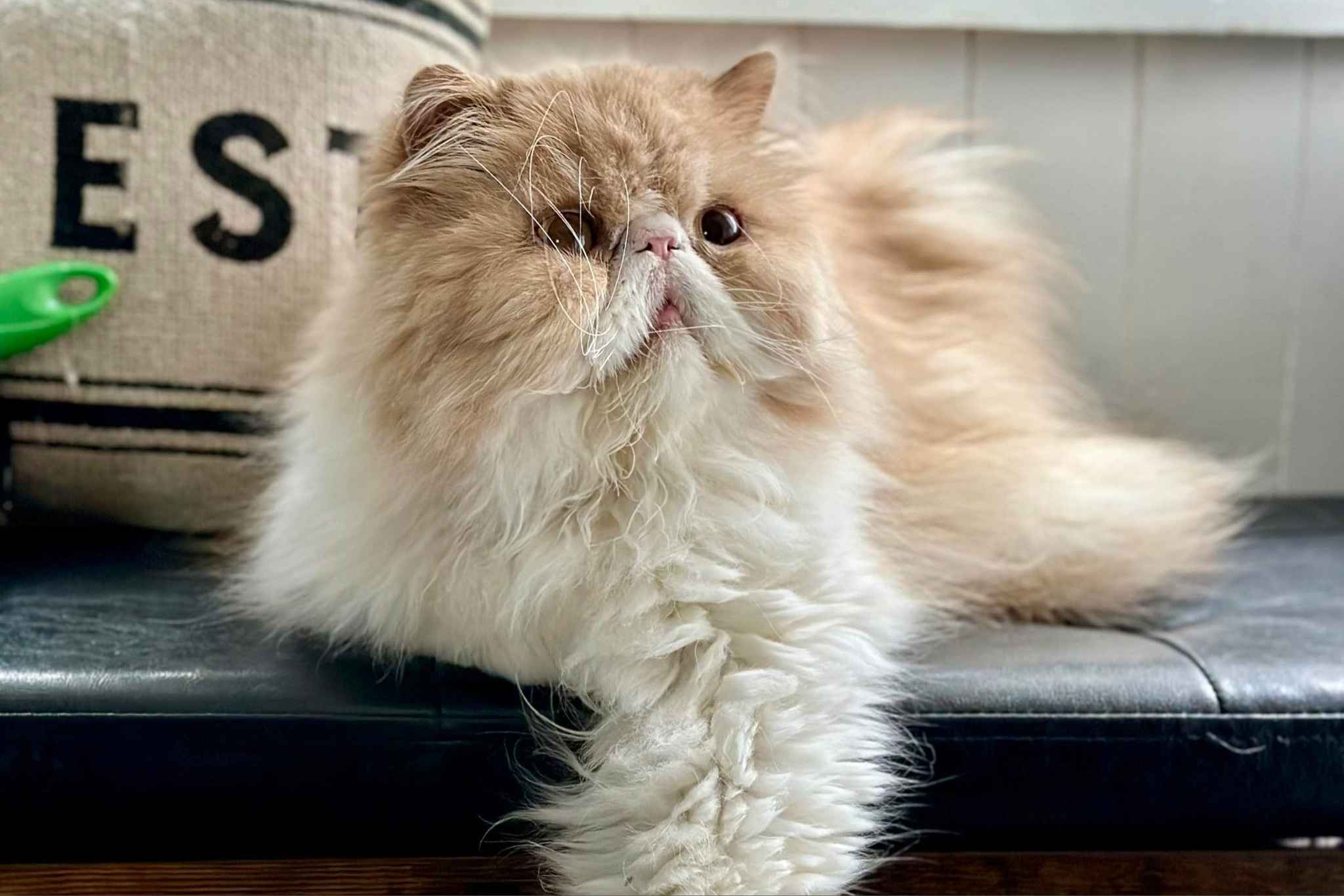
Persian cats are widely considered to be among the most expensive feline breeds to own, both in terms of initial purchase price and ongoing lifetime maintenance. While the upfront cost for a kitten can range significantly based on breeder reputation and pedigree, the true financial commitment lies in the breed’s specific health, grooming, and nutritional requirements that persist throughout their lives.
When considering whether Persian cats are expensive, it is essential to distinguish between the acquisition cost and the total cost of ownership. The "Persian" label encompasses various bloodlines and types, such as the Show-Quality Traditional (Doll Face) or the Ultra-Type (Peke-face), each carrying different market valuations. Furthermore, because these cats are brachycephalic—meaning they have shortened facial structures—they often require specialized veterinary attention that distinguishes them from more robust, medium-hair domestic cat breeds.
Understanding the Initial Acquisition Costs
The purchase price of a Persian cat is the first major financial hurdle. In 2026, prices for a healthy, well-bred Persian kitten generally fall between $1,200 and $3,500. However, this figure is highly fluid and depends on several critical factors:
- Breeder Reputation: Professional breeders who participate in cat associations, such as The Cat Fanciers' Association (CFA), invest heavily in genetic testing and ethical breeding practices. These costs are reflected in the final price of the kitten.
- Pedigree and Show Potential: A kitten with "show quality" markings and structural standards will command a premium. Conversely, "pet quality" kittens—those with minor markings or deviations from the show standard—are typically less expensive but remain inherently valuable due to the breed's desirability.
- Bloodline and Rarity: Certain colors or variations, such as the shaded silver or the Himalayan (a color-point variety often associated with the Persian breed group), may have different market price points based on breeder demand.
- Geographic Factors: Prices vary by region. Breeders in metropolitan areas with higher costs of living or those in regions with a limited number of specialized Persian breeders will often charge higher fees.
Always be wary of "bargain" kittens priced significantly below market rates. In many cases, these animals come from "backyard breeders" or kitten mills, where the lack of proper prenatal care, early socialization, and genetic screening leads to immediate and costly veterinary bills that far outweigh the savings on the initial purchase price.
Lifetime Healthcare and Veterinary Considerations
The Persian breed is physically predisposed to specific health conditions that require proactive management. Unlike mixed-breed cats, Persians often necessitate higher veterinary budgets due to these breed-specific risks:
- Respiratory Issues: Due to their flat faces, Persians can experience stenotic nares (narrowed nostrils) or elongated soft palates, which may require surgical intervention if breathing becomes labored.
- Polycystic Kidney Disease (PKD): This is a hereditary condition prevalent in the breed. Ethical breeders perform DNA testing on parent cats to ensure the kittens are PKD-negative. If you purchase from a non-vetted source, you may find yourself facing expensive chronic care for kidney failure later in the animal’s life.
- Ocular Care: Because of their prominent, large eyes and shorter tear ducts, Persians are prone to excessive tearing and eye infections. They require daily cleaning with specialized feline eye-wipes or solutions to prevent staining and irritation.
- Dental Health: The shortened jaw structure can lead to overcrowding of teeth, making Persians more susceptible to dental disease. Professional dental cleanings under anesthesia are often required more frequently than in other breeds.
Grooming and Maintenance Expenses
The luxurious, long double coat of the Persian cat is its most iconic feature, but it is also a major source of ongoing maintenance expenses. A Persian’s fur is prone to matting, which can become painful and cause skin infections if not managed correctly.
If you are not prepared to dedicate 20 to 30 minutes every single day to professional-grade grooming, you will need to factor in the cost of a professional feline groomer. A professional "lion cut" or a thorough sanitary trim can cost between $80 and $150 per session. Over a year, if you visit a groomer monthly, this adds a significant line item to your annual budget. You must also invest in high-quality grooming tools, including metal combs, slicker brushes, and specialized grooming sprays, which need to be replaced periodically.
Nutritional Requirements
Persians are not typically high-energy, active hunters; they are sedentary, lap-oriented cats. This lifestyle, combined with their susceptibility to specific digestive sensitivities, means they often require premium, high-protein, easily digestible diets. Many veterinarians recommend specialized wet food formulations to help prevent the kidney and urinary tract issues to which the breed is prone. Expect to pay a premium for high-quality feline nutrition, which often costs significantly more than standard grocery-store kibble.
Comparison Table: Potential Annual Costs
The following table provides an estimated breakdown of the recurring costs of owning a Persian cat in 2026. These figures are estimates based on average requirements for a single adult cat.
| Expense Category | Estimated Annual Cost (USD) | Notes |
|---|---|---|
| Premium Nutrition | $600 – $900 | High-quality wet/dry food mix |
| Routine Vet Care | $300 – $500 | Annual wellness exams and vaccinations |
| Grooming (Professional) | $400 – $1,200 | Assuming 4-10 professional visits |
| Dental & Eye Care | $200 – $400 | Specialized products and treatments |
| Litter & Sanitation | $250 – $400 | High-quality clumping litter |
| Emergency/Buffer Fund | $500+ | Recommended for unexpected issues |
Strategic Planning for Prospective Owners
To minimize the financial impact of owning a Persian cat, prospective owners should adopt a strategic approach to acquisition and long-term care:
- Insure Early: Because Persians are prone to specific hereditary conditions, pet insurance is highly recommended. Ensure the policy covers congenital and chronic conditions, and enroll the kitten as soon as you bring it home. Waiting until a health issue arises will result in the condition being classified as "pre-existing," leaving you to cover the full cost of treatment.
- Invest in Education: Learn how to perform basic grooming tasks yourself. By mastering the daily combing technique and learning how to safely trim the hair around the eyes and tail, you can reduce the frequency of expensive professional grooming visits.
- Establish a Relationship with a Specialist: Find a veterinarian who has experience with brachycephalic breeds. A vet who understands the nuances of the Persian anatomy can help you catch potential respiratory or dental issues before they become acute emergencies, saving you money in the long run.
Frequently Asked Questions (FAQ)
Are Persian cats more expensive than other cat breeds? Yes, generally. While the initial price is comparable to other designer breeds like the Maine Coon or Ragdoll, the ongoing costs associated with their grooming needs and potential health issues resulting from their facial structure place them in a higher tier of maintenance costs compared to common domestic shorthair breeds.
Does a "doll-face" Persian cost less than a "flat-face" Persian? Not necessarily. Pricing is usually determined more by the breeder’s reputation and the cat's lineage than by the specific type of face. However, extreme "ultra-type" Persians may be more expensive due to the difficulty in breeding them to conform to show standards.
Is pet insurance worth it for a Persian cat? In most cases, yes. Given the breed’s predisposition to PKD and dental issues, the monthly premiums are often offset by the cost of just one or two specialized veterinary treatments. It is essential to choose a policy that does not have restrictive breed exclusions.
Can I save money by grooming my Persian at home? Absolutely. Daily brushing is non-negotiable for a Persian to prevent mats. If you maintain a strict daily routine at home, you may only need professional grooming services for occasional deep cleaning or sanitary clips, significantly reducing your yearly expenditures.
Do Persian cats require special litter boxes? Many Persians prefer larger, open-entry litter boxes because their long fur can make navigating tight, hooded boxes uncomfortable. Furthermore, because of their propensity for kidney issues, monitoring their waste is easier in a simple, large, low-sided box, which may save you from missing early signs of illness.
Final Recommendation
Persian cats are rewarding, affectionate companions, but they represent a premium-tier investment. If your budget is tight, the financial reality of their healthcare, grooming, and high-quality nutritional needs may prove overwhelming. Before committing to a purchase, review your monthly discretionary income and ensure you can sustain the "maintenance" costs, which far exceed the initial adoption fee. For the best financial outcome, prioritize purchasing from a reputable breeder who provides health guarantees, and secure comprehensive pet insurance immediately upon the arrival of your cat to mitigate the risks of breed-specific health issues.