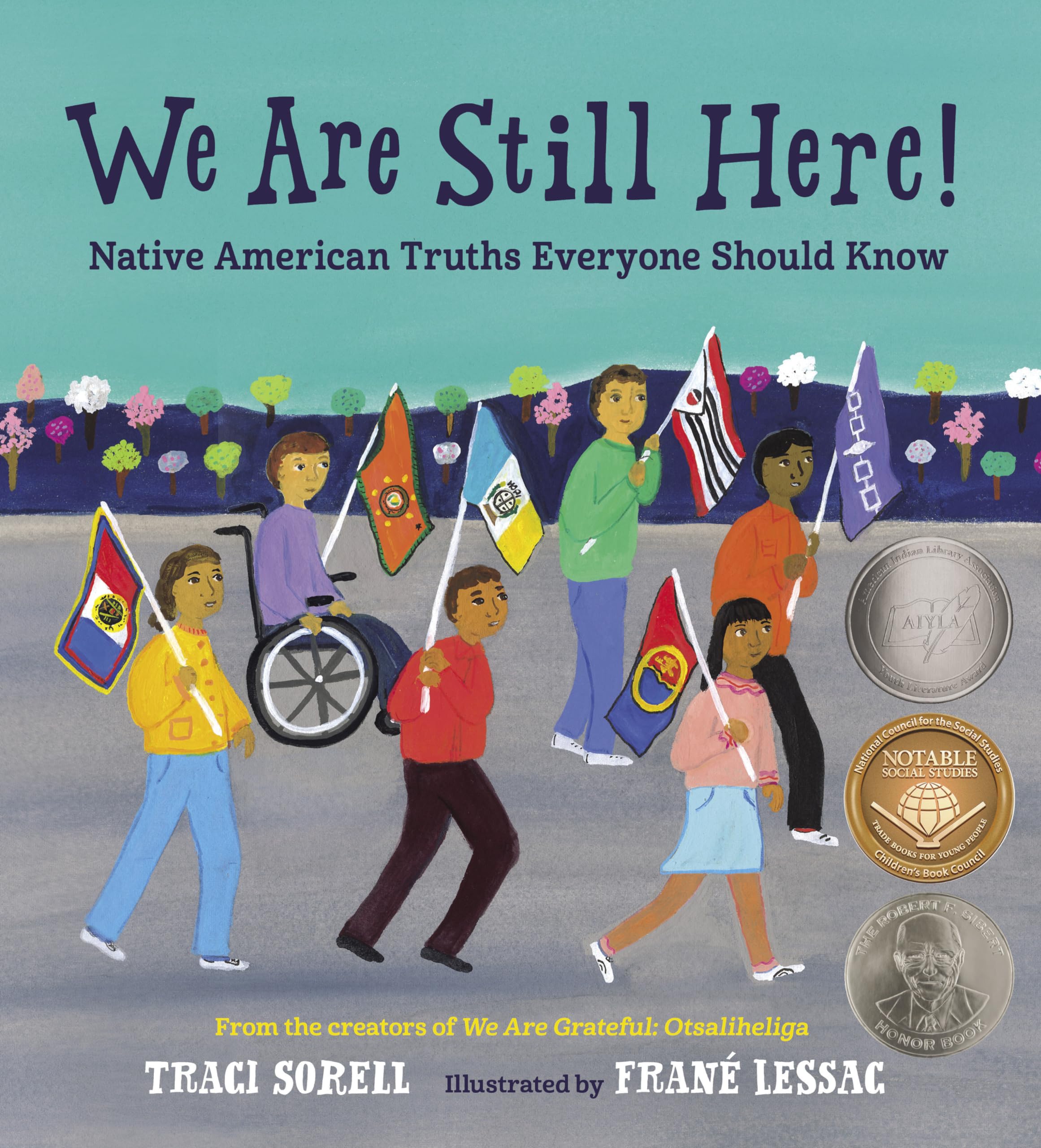
Yes, Native Americans are very much alive today, serving as vital, contemporary members of society in the United States and across the Americas. Far from being figures relegated to history books or museums, Native Americans comprise millions of people who maintain distinct cultures, languages, governance structures, and deep-rooted identities in the year 2026.
The misconception that Native Americans are a "people of the past" is a persistent narrative, often reinforced by historical education that focuses exclusively on events prior to the 20th century. However, Indigenous peoples are active participants in modern life, working in every professional sector, residing in both rural tribal lands and bustling urban centers, and continuously adapting to the challenges of the 21st century while preserving their heritage.
Understanding Native American Identity and Citizenship
In the United States, being "Native American" is not merely a matter of ethnic heritage; it is fundamentally tied to citizenship and political affiliation. There are 574 federally recognized Indian Tribes and Alaska Native entities in the United States as of 2026. Each of these tribes is a sovereign, self-governing nation that maintains a government-to-government relationship with the United States federal government.
Citizenship within these tribes is determined by the tribes themselves, often through a process known as enrollment. Requirements vary significantly from one tribe to another; some use "blood quantum"—a measure of the amount of "Indian blood" an individual possesses—while others use lineal descent, which requires proving direct ancestry to a tribal member listed on historical tribal rolls. These sovereign nations have the legal authority to define their own membership, pass laws, operate courts, and provide social services to their citizens, reflecting the complex, modern legal status of Indigenous peoples.
Demographic Reality: Where Native Americans Live
One of the most significant shifts in the modern Native American experience is the move toward urbanization. While the image of the "reservation" remains a staple of American media, the vast majority of Native Americans live off-reservation. According to U.S. Census data and tribal projections, the majority of the Native American population resides in urban areas such as Los Angeles, Phoenix, Oklahoma City, and New York.
This urban migration, which accelerated significantly during the mid-20th century due to federal relocation programs, has created a diverse, multi-tribal, and interconnected community. Many urban Native Americans remain highly active in their tribal governments and cultural practices, frequently traveling back to their ancestral lands for ceremonies, elections, and family gatherings. Consequently, the Native American experience today is both rooted in place-based traditions and shaped by global, urban reality.
Cultural Continuity and Language Revitalization
The survival of Native American identity is perhaps best evidenced by the resurgence of language and cultural practice. For centuries, federal policies aimed to forcibly assimilate Indigenous peoples and eradicate their languages. Despite these efforts, 2026 finds many tribal nations in the midst of robust language revitalization movements.
Schools, immersion programs, and digital applications are being used by younger generations to reclaim languages that were nearly lost. These efforts are not just about learning words; they are about maintaining a unique worldview that is encoded within Indigenous languages. Traditional ceremonies, arts, and land-management practices continue to thrive, adapted for modern contexts. From the global popularity of Indigenous contemporary art to the integration of Traditional Ecological Knowledge (TEK) in modern environmental science, Native American perspectives are actively contributing to contemporary society.
Navigating Sovereign Governance
The relationship between Native Americans and the broader American legal system is characterized by "tribal sovereignty." This is the inherent authority of tribes to govern their internal affairs. Because of this, the experience of a Native American person is often mediated by the specific policies of their own tribal government alongside federal and state regulations.
Tribal governments manage schools, healthcare clinics, infrastructure, gaming enterprises, and natural resource management. The economic vitality of these nations varies greatly; some tribes manage large-scale energy projects or tourism industries, while others struggle with significant infrastructure needs. Understanding the presence of Native Americans requires recognizing that they are not a monolithic group but a collection of distinct nations, each with its own economic profile, political challenges, and strategic goals for the future.
Comparative Perspective: Contemporary Indicators
The following table provides a high-level overview of the structural components of modern Native American life compared to general population structures.
| Feature | Indigenous Context | General U.S. Context |
|---|---|---|
| Governance | Sovereign Tribal Nations | State/Federal Jurisdiction |
| Citizenship | Tribal Enrollment/Citizenship | State/Federal Birthright/Naturalization |
| Residence | Tribal Lands or Urban Centers | National, primarily urban/suburban |
| Cultural Basis | Ancestral traditions/Language | Diverse, multicultural synthesis |
| Economic Basis | Tribal enterprise/Self-determination | Private sector/Corporate employment |
Common Misconceptions and the Erasure of Presence
The question "are Native Americans still alive" often stems from "settler colonialism," a framework that seeks to replace Indigenous peoples with a new settler population and then render the original inhabitants invisible. This is often called "erasure." Erasure manifests in textbooks that stop at the year 1890, the use of stereotypical mascots, and the "disappearance" of Indigenous voices from modern news coverage.
When mainstream society excludes Native Americans from current events—unless there is a conflict or a tragedy—it fosters the incorrect belief that they are a vanishing people. In reality, Native American leaders are present in the U.S. Congress, the federal judiciary, and at the forefront of climate advocacy. Recognizing their presence requires a conscious effort to look beyond historical tropes and engage with contemporary tribal media outlets, Indigenous academic institutions, and modern policy discussions.
Challenges Faced by Indigenous Communities
While Native Americans are present and thriving in many aspects, they also face systemic challenges that are often the result of centuries of underfunded government services and historical trauma. These issues include:
- Healthcare Disparities: The Indian Health Service (IHS) is chronically underfunded compared to other federal health systems, leading to lower life expectancy and higher rates of chronic illness in some communities.
- Land Tenure Issues: The "checkerboard" pattern of ownership on many reservations, caused by past federal policies, creates significant hurdles for economic development and housing.
- Climate Change: Many tribes are at the front lines of climate change, dealing with rising sea levels in coastal villages or extreme drought in the Southwest, which threatens both physical survival and cultural heritage sites.
- Resource Protection: Protecting water rights and sacred sites from industrial development remains a continuous legal and political battle.
Frequently Asked Questions
How can I verify if a person is truly Native American? Verification is generally a private matter between an individual and their tribe. A "Certificate of Degree of Indian Blood" (CDIB) is a document issued by the Bureau of Indian Affairs or a tribe, but it is not the only indicator of identity. Tribal citizenship is the standard, and it is governed by the specific laws of each sovereign nation.
Do Native Americans pay taxes? Yes. Native Americans pay federal income taxes just like any other citizen. Issues regarding state or local taxes often depend on whether an individual lives on a reservation and where they conduct their business. There is no universal "tax exemption" for being Native American.
Are Native Americans subject to U.S. laws? Yes. Native Americans are U.S. citizens and are subject to federal law. However, they are also citizens of their respective tribes and are subject to tribal laws within the jurisdiction of their reservation. This creates a dual-citizenship dynamic that is unique in the American legal system.
Why are Native American languages considered endangered? For much of the 19th and 20th centuries, the U.S. government operated boarding schools that forcibly removed children from their homes and punished them for speaking their native languages. This systematic removal, combined with broader societal pressure to assimilate, caused a decline in the number of fluent speakers.
How can I learn more about contemporary Native American issues? Engage directly with resources produced by Indigenous people. Outlets like Indian Country Today or publications from the National Congress of American Indians provide the most accurate, up-to-date, and nuanced coverage of issues affecting tribal nations today.
Moving Toward Recognition
The most effective way to understand the reality of Native Americans today is to prioritize contemporary sources over historical generalizations. Whether you are conducting research, working in a professional capacity, or seeking to understand the fabric of modern society, recognize that Native American history is not a closed chapter. It is an ongoing narrative defined by the resilience of living, breathing, and evolving sovereign nations. If you are seeking to support or engage with these communities, the best action is to identify the specific tribe or tribal organization relevant to your region or interest and engage with their official communications and initiatives directly.