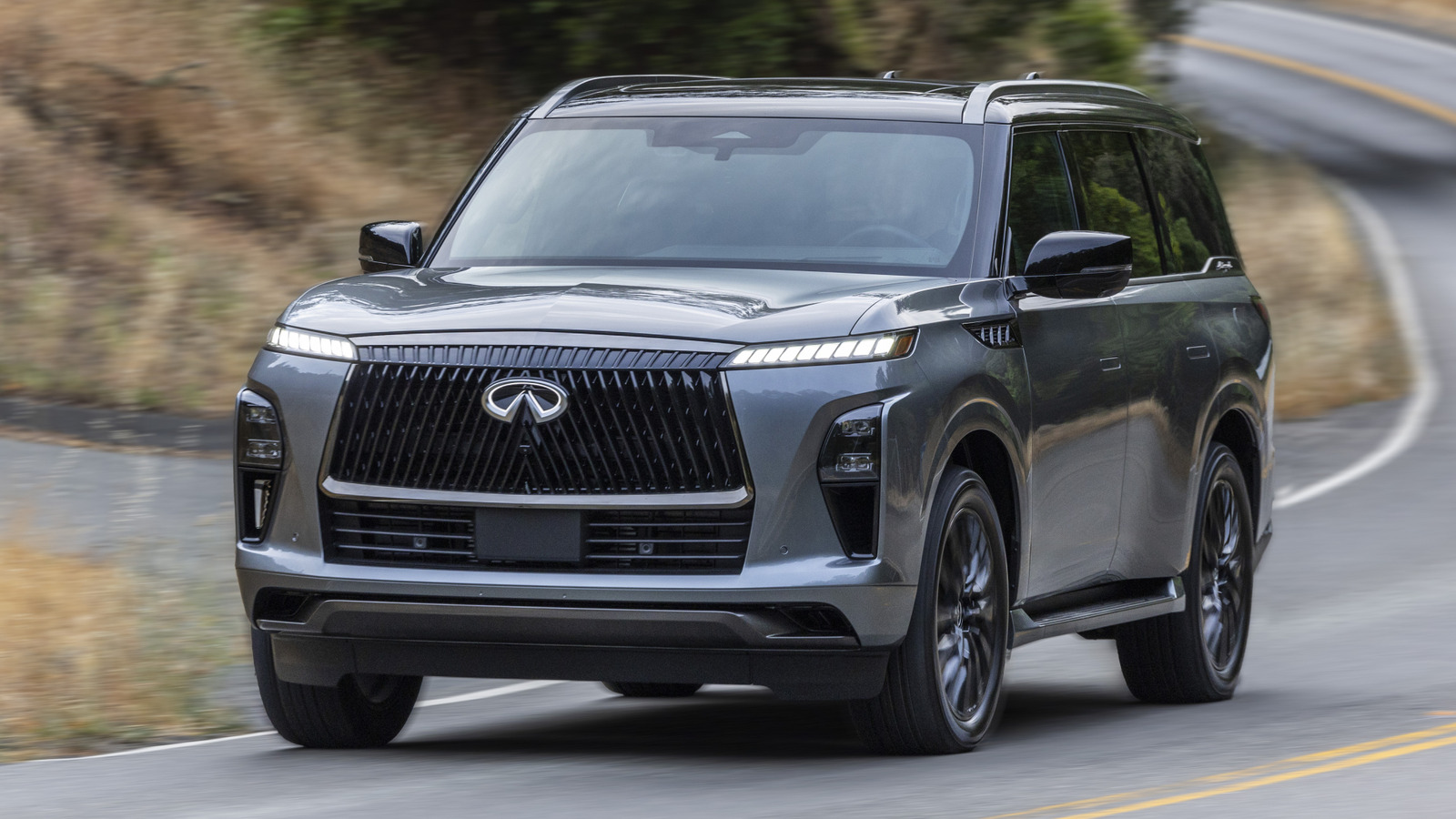
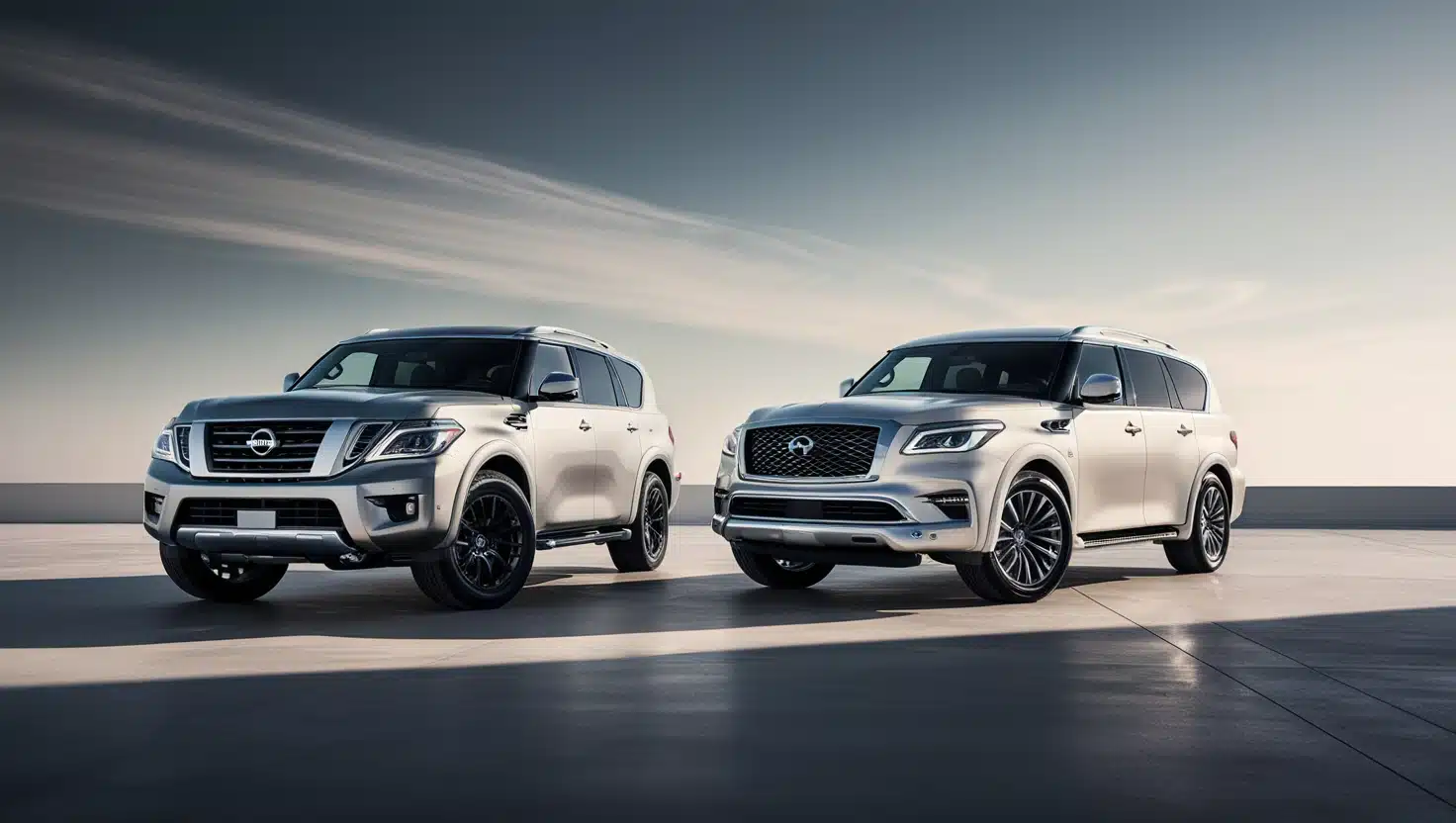
Nissan and Infiniti are indeed the same company in terms of corporate ownership, as Infiniti is the luxury vehicle division of the Japanese automaker Nissan Motor Co., Ltd. While they share parentage, platform engineering, and manufacturing facilities, they operate as distinct brands with separate design philosophies, market positioning, and customer service infrastructures.
The Corporate Structure: A Parent and Its Subsidiary
To understand the relationship between Nissan and Infiniti, one must look at the corporate hierarchy of Nissan Motor Co., Ltd. Based in Yokohama, Japan, Nissan serves as the primary manufacturer and parent entity. Infiniti was officially launched in 1989, originally designed to compete in the burgeoning North American luxury car market against established European and domestic premium brands.
From a business standpoint, Infiniti is not a separate company that collaborates with Nissan; rather, it is a business unit or brand division within the Nissan corporate ecosystem. This structure is similar to how Lexus operates under Toyota or Acura operates under Honda. All administrative, financial, and strategic decisions for the Infiniti brand are made at the corporate level by Nissan leadership. This ensures that while the brands target different demographics—Nissan focusing on mainstream, high-volume consumer vehicles and Infiniti on premium, performance-oriented, and luxury-focused segments—they benefit from the collective research and development (R&D) budget of the parent corporation.
Shared Foundations: Platforms and Engineering
The most visible link between Nissan and Infiniti is the use of shared vehicle platforms, powertrains, and electrical architectures. This practice, known in the automotive industry as platform sharing, allows the company to reduce development costs significantly.
When an engineer designs a chassis, a transmission, or an engine block, the cost of that development is enormous. By utilizing the same fundamental "hard points" for both a Nissan sedan and an Infiniti sedan, the company amortizes these costs over a much larger volume of units.
However, "shared" does not mean "identical." While an Infiniti QX80 might share structural underpinnings with a Nissan Armada, the experience provided by the Infiniti is distinctly different. Infiniti models typically feature:
- Unique Powertrain Calibration: Infiniti engines are often tuned for more immediate power delivery or smoother response compared to their Nissan counterparts.
- NVH Control: Noise, Vibration, and Harshness (NVH) levels are meticulously managed in Infiniti models through the use of extra sound-deadening materials, active noise cancellation technology, and acoustic glass that are not always standard in mass-market Nissan vehicles.
- Premium Materials: Interior appointments, such as leather upholstery, open-pore wood trim, and advanced infotainment interfaces, are specific to the Infiniti brand identity.
Market Positioning and Branding
The separation of Nissan and Infiniti serves a specific marketing purpose: brand segmentation. In the global automotive market, consumers associate brands with specific values.
Nissan is positioned as a brand of reliability, innovation for the masses, and accessibility. Its lineup ranges from the entry-level Versa to the robust Titan pickup truck. The primary intent for a Nissan buyer is usually a balance of cost-effectiveness, utility, and fuel efficiency.
Infiniti, conversely, is positioned as a premium lifestyle brand. The Infiniti buyer is generally looking for a status-oriented vehicle that offers advanced driver-assistance systems, high-end comfort features, and distinct aesthetic styling. By keeping the brands separate, Nissan avoids "brand dilution." If a luxury buyer sees a high-end luxury vehicle sold under a badge they associate with an affordable compact car, the perceived value of that luxury vehicle may decrease. By maintaining the Infiniti badge, the company preserves the premium perception required to compete with marques like Mercedes-Benz, BMW, and Lexus.
Manufacturing and Global Reach
While the headquarters for both brands remains under the Nissan umbrella, the manufacturing footprint is highly integrated. Many Infiniti vehicles are produced on the same assembly lines as Nissan vehicles. For example, specific production facilities in Japan or North America may handle the body assembly for multiple models across both brands, utilizing robotic systems that can switch between different sheet metal components.
This manufacturing synergy allows for extreme flexibility. If demand for a particular Infiniti SUV spikes, the factory can adjust its output to prioritize those units without needing to build an entirely new plant. This operational efficiency is one of the primary reasons Nissan has managed to sustain the Infiniti brand through various market cycles since its inception in 1989.
Comparison of Key Operational Differences
| Feature | Nissan | Infiniti |
|---|---|---|
| Market Segment | Mass-market, mainstream | Premium, luxury |
| Price Point | Mid-range to high-utility | High-end, premium pricing |
| Customer Experience | Standard dealership service | Concierge-style, luxury service |
| Design Focus | Practicality, value, reliability | Luxury, performance, aesthetics |
| Technology Focus | Accessible features, safety tech | Advanced, cutting-edge, proprietary |
Common Misconceptions
One frequent question arises regarding whether parts are interchangeable between the two brands. Because they share many platforms, many mechanical components—such as oil filters, brake pads, or even internal sensors—may carry the same part numbers or be physically compatible.
However, a consumer should not assume that a part designed for a Nissan is always a direct replacement for an Infiniti, or vice-versa. Even if the parts fit, the software governing the vehicle’s electronic control unit (ECU) may be calibrated differently. Using an "equivalent" Nissan part on an Infiniti could trigger service warnings or result in less-than-optimal performance. Always consult the vehicle identification number (VIN) when purchasing replacement parts to ensure compatibility with the specific trim and powertrain of the vehicle.
Are There Any Legal or Service Differences?
From the perspective of a consumer, the separation is most felt in the service department. Infiniti dealerships are mandated to provide a different standard of customer service than Nissan dealerships. This often includes:
- Loaner Vehicle Programs: Most Infiniti dealerships provide a dedicated fleet of current-model Infiniti loaners during maintenance visits, a service less common at the Nissan retail level.
- Waiting Areas: Infiniti facilities are designed to mirror the premium nature of the vehicles, often featuring upscale waiting lounges, complimentary refreshments, and quiet work spaces.
- Service Personnel: Service advisors at Infiniti locations receive training specifically focused on the technology suites found in Infiniti vehicles, such as proprietary infotainment systems or complex adaptive suspension components.
It is important to note that you cannot typically get "warranty service" for an Infiniti at a standard Nissan dealership, nor can you expect the same level of white-glove treatment. While a Nissan technician might be mechanically capable of performing an oil change on an Infiniti, the warranty, record-keeping, and specific diagnostic toolsets are integrated into the Infiniti dealer network.
The Evolution of the Relationship
Since its founding, the relationship between the two has evolved. In the early years, Infiniti models were often "rebadged" Nissan cars, which led to some criticism that the brand lacked a distinct identity. Over the decades, Infiniti has moved toward unique body styling and, in recent years, a focus on specific performance powertrains, such as the VC-Turbo (Variable Compression Turbo) engines.
As we look at the industry in 2026, both brands are navigating the transition toward electrification. Nissan is heavily invested in its e-POWER technology and battery-electric platforms like the Ariya. Infiniti is similarly leveraging this electrification strategy, using Nissan’s R&D to launch their own premium electric vehicles. The synergy remains essential: Nissan provides the technological foundation, and Infiniti applies the premium "finish" and luxury-oriented engineering that the high-end market demands.
Frequently Asked Questions
Can I take my Infiniti to a Nissan dealership for repairs? Generally, no. While some independent shops work on both, authorized Nissan dealerships are not equipped or authorized to perform warranty work or specialized software updates for Infiniti vehicles. You should visit an authorized Infiniti service center to ensure your warranty remains intact and that technicians have the correct diagnostic tools.
Are Infiniti cars just expensive Nissans? While they share the same DNA, platforms, and manufacturing origins, describing them as "just expensive Nissans" ignores the significant differences in materials, soundproofing, suspension tuning, and customer support. The "premium" price is largely attributed to the higher level of engineering refinement and the luxury ownership experience.
Do Nissan and Infiniti share the same engine parts? In many cases, yes. They often share the same engine blocks and mechanical architectures, which can make routine maintenance items like oil filters and air filters compatible. However, you should never assume compatibility; always check your specific vehicle’s part catalog using the VIN.
Why does the company maintain two separate brands? It is a strategy known as brand stratification. By keeping the brands separate, the company can capture two different segments of the market. Nissan appeals to the budget-conscious and value-seeking buyer, while Infiniti appeals to the luxury buyer who values brand prestige and advanced features.
Does Nissan own other car brands? Nissan is part of the Renault-Nissan-Mitsubishi Alliance. While Nissan is the parent of Infiniti, it also has a complex, multi-faceted partnership with Renault and Mitsubishi, allowing them to share technology, manufacturing, and global logistics on an even larger scale.
Final Recommendation
If you are deciding between a Nissan and an Infiniti, assess your priority. If your primary goal is value, daily utility, and low cost of ownership, a high-trim Nissan often provides an excellent balance of features. If you prioritize luxury, a quiet cabin, dealer-provided loaners, and specific styling cues, an Infiniti will better meet your expectations. Regardless of which brand you choose, remember that you are buying into the established engineering and supply chain of one of the world's largest automotive manufacturers, ensuring that parts and service support will remain available for years to come.