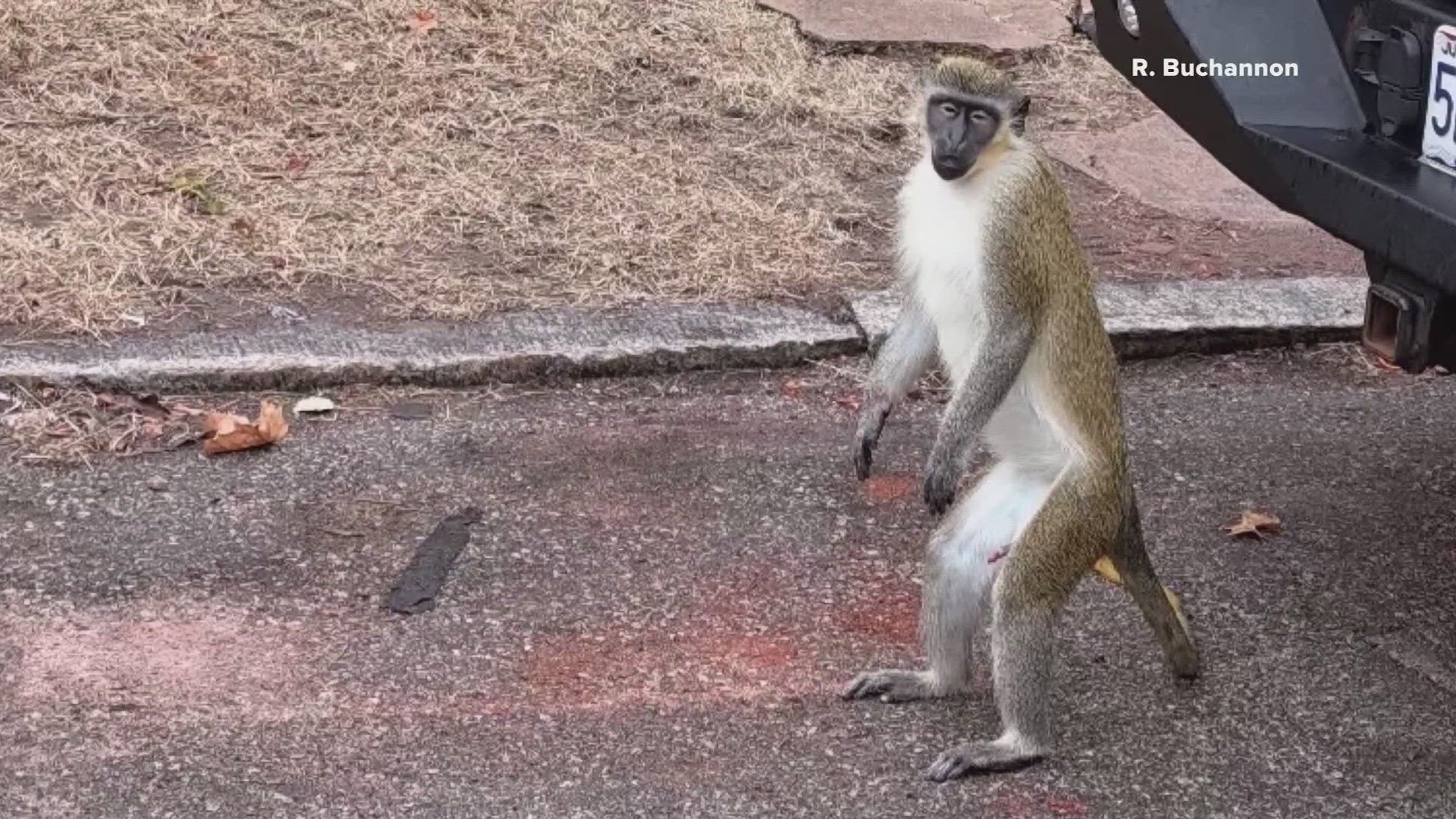
Determining whether "Missouri monkeys" are worth your money depends almost entirely on how you define value: legal, financial, or personal. In Missouri, the private ownership of non-human primates is governed by strict state statutes and local ordinances. Because these animals require specialized veterinary care, complex social structures, and significant long-term financial commitments, they are rarely a practical or sound investment for the average individual.
Understanding the Landscape of Primate Ownership in Missouri
When individuals search for "Missouri monkeys," they are often looking for information regarding the legal acquisition, maintenance, or potential investment value of keeping primates as exotic pets. It is vital to clarify that, in the context of animal welfare and state law, primates are not livestock, commodities, or financial assets that appreciate in value. They are sentient beings with intense, species-specific needs.
In Missouri, the laws surrounding the possession of "dangerous wild animals"—a category that includes non-human primates—are outlined in the Revised Statutes of Missouri (RSMo). Specifically, RSMo 578.600 establishes regulations regarding the ownership of dangerous wild animals. Prospective owners must navigate a landscape of state-level restrictions and municipal ordinances that often prohibit the ownership of these animals entirely. The notion of a "Missouri monkey" as an investment is a dangerous misconception; they do not provide a financial return, and the costs associated with their maintenance are substantial and recurring.
The Financial Reality of Maintaining a Primate
If you are evaluating the cost-benefit analysis of keeping a primate, the upfront purchase price is the most insignificant figure in your ledger. The true "cost" of a monkey includes decades of specialized husbandry, veterinary oversight, and habitat construction.
Veterinary Care and Specialized Services
Very few general-practice veterinarians are qualified or willing to treat non-human primates. You will likely need to locate an exotic animal specialist who has experience with Zoonotic diseases—illnesses that can be transmitted between animals and humans. Regular wellness exams, vaccinations, and potential emergency surgeries for exotic species are significantly more expensive than those for domestic pets like dogs or cats.
Nutrition and Habitat Requirements
Primates require highly specific, varied diets that often involve imported fruits, specialized primate chow, and nutritional supplements. A balanced diet is critical to preventing metabolic bone disease and other nutritional disorders. Furthermore, primates require complex, climate-controlled enclosures. These are not standard cages; they must be secure, escape-proof, and designed to provide adequate vertical space, nesting areas, and environmental enrichment to prevent the psychological distress common in captive, isolated primates.
Legal Risks and Insurance Implications
The legal status of your "investment" can change overnight due to legislative shifts or local ordinance updates. In many jurisdictions throughout Missouri, residents are prohibited from keeping primates in residential zones. Even where it is technically permitted, local animal control authorities may deem an animal a public safety threat, leading to immediate confiscation.
Moreover, obtaining liability insurance for a household with a primate is notoriously difficult, if not impossible. If a primate bites or scratches a neighbor, guest, or family member, you are personally liable for the damages. Given the unpredictable nature of wild animals, the financial risk of a single incident can lead to catastrophic losses that are not covered by standard homeowners or renters insurance policies.
The Ethical and Welfare Component
The "value" of a living creature cannot be measured solely in dollars, but the ethics of private primate ownership are intrinsically linked to the financial burden. Primates are highly social, intelligent animals. In the wild, they live in complex family troops. In a domestic setting, they are frequently denied the opportunity to exhibit natural behaviors.
When a primate is "worth your money," it usually implies a transaction where the animal is purchased from a breeder. This industry is frequently criticized by zoological associations and wildlife advocacy groups because it often involves separating infants from their mothers at an early age to ensure human habituation. This process can cause permanent psychological trauma to the animal, leading to behavioral issues that make them even harder to manage as they reach maturity.
Comparison of Potential "Exotic" Commitments
To understand why primates are generally considered a poor choice for private ownership compared to other animals, consider the following table detailing the resource intensity required for different types of exotic pets.
| Requirement | Small Reptile | Domesticated Bird | Non-Human Primate |
|---|---|---|---|
| Lifespan | 10–20 Years | 15–50+ Years | 20–40+ Years |
| Social Needs | Solitary | High ( flock) | Extreme (Group/Troop) |
| Vet Accessibility | Moderate | Moderate | Very Low |
| Safety Risk | Low | Low | High |
| Legal Status | Mostly Legal | Legal | Highly Restricted |
Frequently Asked Questions
Are primates considered legal pets in Missouri? State law categorizes many primates as "dangerous wild animals." While there is no absolute statewide ban, RSMo 578.600 mandates strict registration, safety, and care requirements. Furthermore, many cities and counties in Missouri have specific ordinances that prohibit keeping these animals within city limits. You must verify local municipal codes before even considering the possibility of ownership.
Can I make money by breeding monkeys in Missouri? The commercial breeding of primates for the pet trade is a heavily regulated and highly controversial practice. It is not a viable business model for the average individual. Most reputable institutions and sanctuaries strongly oppose the private breeding of primates, and the operational costs—including licensing, site inspections, and animal welfare compliance—far outweigh the income, which is often limited by a shrinking market of legitimate buyers.
What should I do if I find a monkey for sale online? Do not engage with the seller. The online sale of exotic animals is often associated with unlicensed breeders or illicit wildlife trade. If you suspect an animal is being sold illegally or kept in sub-standard conditions in Missouri, contact the Missouri Department of Conservation or your local animal control agency to report the concern.
How do I find a sanctuary if I can no longer care for a primate? If you or someone you know is in possession of a primate that can no longer be cared for, do not release the animal into the wild, as it will likely not survive. Contact the North American Primate Sanctuary Alliance (NAPSA). They provide resources for the permanent placement of primates in accredited, professional sanctuaries that specialize in the long-term care these animals require.
Final Recommendation and Next Actions
If you are driven by an interest in primates, the most responsible and "worthwhile" way to engage with them is through supporting accredited zoos, conservation organizations, or professional primate sanctuaries. These institutions contribute to scientific research, species survival plans, and public education.
If you are currently considering the purchase of a primate, the most prudent financial and legal decision is to abandon the plan. The high costs, the immense legal liability, the lack of adequate veterinary care, and the ethical concerns surrounding private ownership create a situation where there is no favorable outcome for the owner or the animal. Instead of investing in private ownership, consider donating that same time and money to a wildlife conservation group or a sanctuary dedicated to the welfare of primates. This ensures your resources go toward professional care and ethical conservation rather than supporting a system that often exploits the animals you seek to admire.