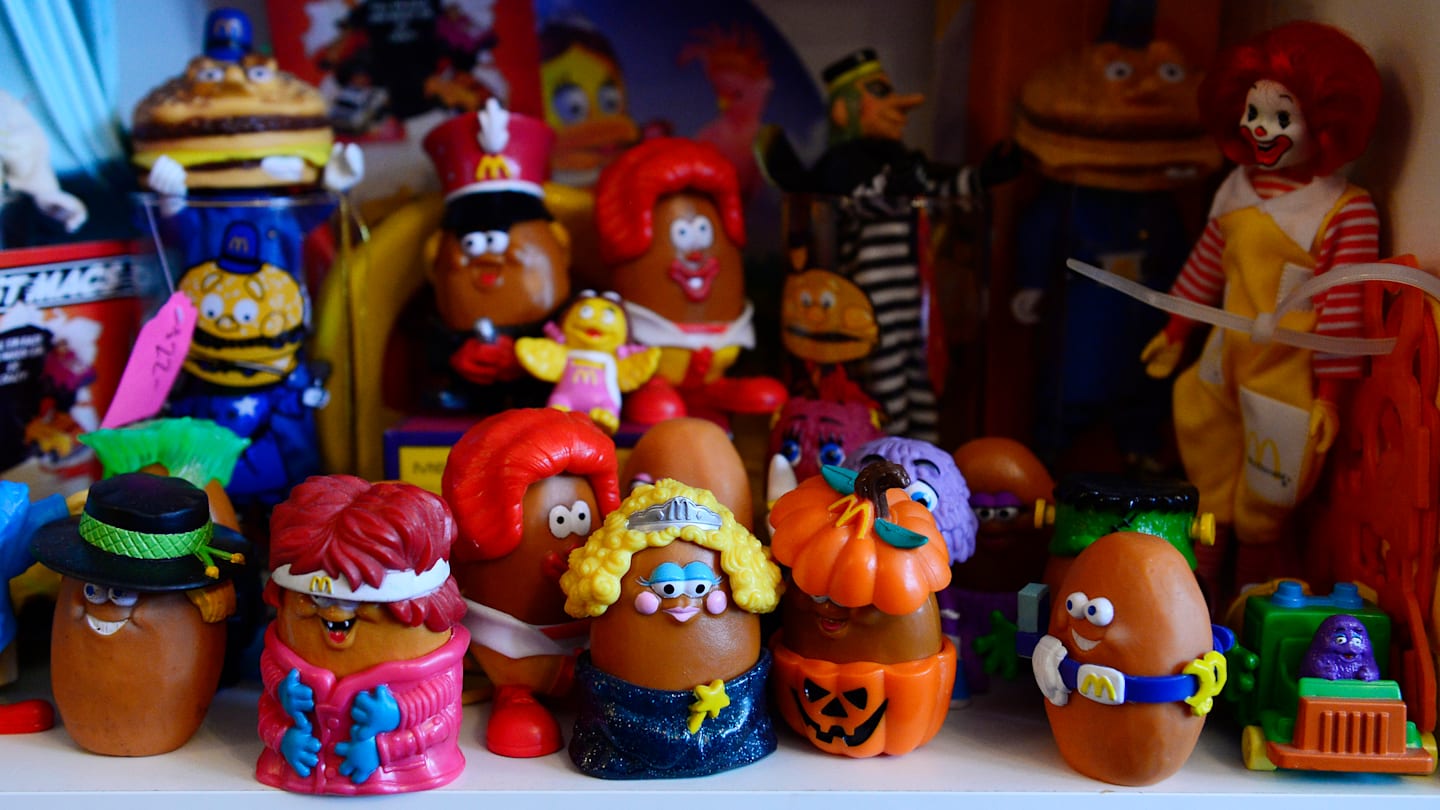
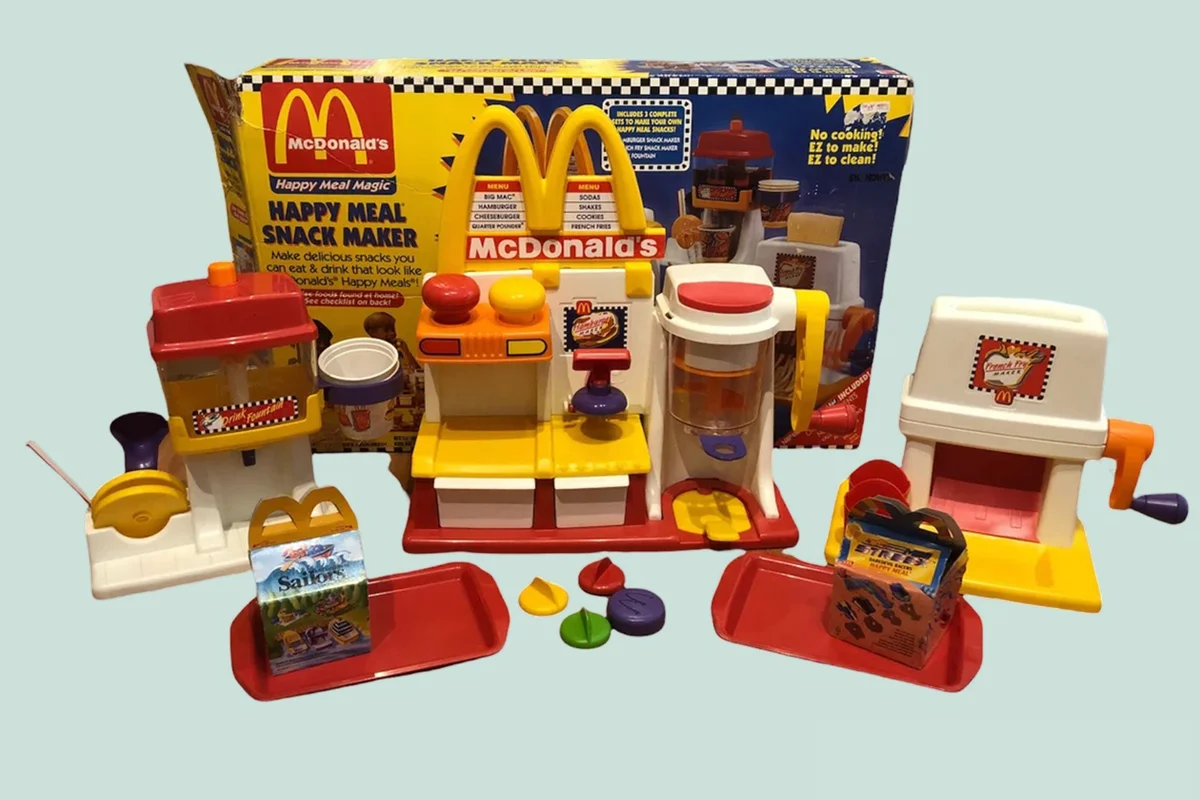
Whether miniature McDonald’s toys are worth collecting depends entirely on your motivation: if you are looking for a reliable financial investment, the answer is generally no; however, if you are seeking a nostalgic hobby with a manageable entry cost and a vast, historic catalog, they remain a significant segment of pop-culture memorabilia. Most Happy Meal toys were produced in the millions, meaning scarcity—a primary driver of financial value—is rarely a factor unless specific, early-era, or error-ridden pieces are involved.
Understanding the Landscape of McDonald’s Collectibles
The phenomenon of collecting McDonald’s toys, often referred to as "Happy Meal toy collecting," took off in the late 1980s and early 1990s as the company solidified its partnership with major film studios and toy manufacturers. Unlike traditional collectible markets—such as rare coins, fine art, or high-end vintage action figures—the McDonald’s toy market is built on volume rather than exclusivity.
When evaluating these items, one must distinguish between two primary categories: mass-produced promotional tie-ins and the "collector’s items" that occasionally appear. The vast majority of McDonald’s toys are made of lightweight plastic, intended for short-term play, and were distributed worldwide. Because they were manufactured in such high quantities, the "supply" side of the supply-and-demand equation is exceptionally high, which naturally keeps the market value for most individual pieces quite low.
What Determines the "Worth" of a Toy?
If you are considering starting a collection or assessing the value of items you already own, it is essential to look at the factors that differentiate a common toy from a potential asset.
1. Condition and Packaging
The most significant factor in toy valuation is the presence of the original packaging. Many collectors discard the plastic baggies immediately upon opening a Happy Meal. However, "sealed in original polybag" (often marked with codes like "MADE IN CHINA") adds a multiplier to the value. A loose toy, even one in perfect condition, is generally worth a fraction of its factory-sealed counterpart.
2. Historical Significance and Age
Items produced before the mid-1980s are significantly rarer. The early promotional items, such as the 1979 "Star Trek" set or the 1980s "McNugget Buddies," carry more weight because they reflect the infancy of the Happy Meal marketing strategy. Pieces that marked a specific cultural shift or were pulled from production early (often due to safety recalls or licensing disputes) tend to see higher interest on secondary markets.
3. Completeness of the Set
Individual loose toys are rarely worth more than a few dollars. However, a "Complete Set"—all characters or variants released in a specific promotion—can sometimes command a premium. Collectors are often willing to pay a "convenience fee" to acquire a full series at once rather than hunting down each individual piece.
4. Limited Regional Releases
While most McDonald’s promotions are national or global, certain items were only released in specific countries or regions. These regional variants are notoriously difficult to track, which creates a niche market for "completionists" who are willing to pay higher prices for international shipping and the rarity of the item.
Comparative Market Value Table
The following table provides a general overview of the factors that influence the market perception and secondary value of these collectibles.
| Feature | Low Value / Common | High Value / Rare |
|---|---|---|
| Packaging | Loose, opened, played with | Factory sealed, original bag |
| Era | 2000s to present | 1970s and 1980s |
| Production | Millions of units | Limited run or recalled |
| Completeness | Single, random figure | Full, matching set |
| Condition | Scratched, paint missing | Pristine, original paint |
Financial Reality: Is it an Investment?
It is vital to temper expectations regarding financial returns. There is a common misconception that because something is "vintage," it is necessarily valuable. In the world of Happy Meal toys, this is almost never the case.
Most McDonald’s toys function as "emotional assets" rather than financial ones. Their value is rooted in the nostalgia of the generation that grew up with them. As that generation ages, they may spend money to reclaim a piece of their childhood, but this does not guarantee that the value will appreciate over time. Unlike gold or stocks, there is no intrinsic utility to these toys, and their value is entirely dependent on the fluctuating interest of other collectors. If the interest in 1990s pop culture wanes, the value of those specific sets will likely decline.
The Risks of Counterfeits and Recalls
Collectors should be aware of the pitfalls inherent in this hobby. First, safety recalls are a frequent reality in the toy industry. In some cases, early McDonald’s toys were recalled due to choking hazards or lead paint issues. While this makes them "rare," it also makes them difficult to sell on major platforms like eBay or Amazon, which have strict policies against the sale of recalled items.
Furthermore, because many of these toys were mass-produced, there is rarely a need for counterfeiters to replicate them. However, "frankensteining"—the practice of taking parts from different toys to create a "complete" figure—is common. Always inspect joints, paint application, and markings for inconsistencies that suggest a toy has been repaired or altered.
Strategies for Curating a Meaningful Collection
If your goal is enjoyment, the best strategy is to curate a collection based on a theme rather than potential resale value. Themes help focus your efforts and make the process of hunting for pieces more rewarding. Consider these approaches:
- The Franchise Focus: Collect only toys associated with a specific series, such as Disney, Transformers, or Hello Kitty.
- The Chronological Approach: Focus on a specific decade to capture the design evolution of the toys.
- The "McNugget" Era: Many collectors dedicate their space specifically to the anthropomorphic "McNugget Buddies," which have a massive following due to their distinct aesthetic.
Proper storage is also vital. Plastic degradation, yellowing due to sunlight (UV damage), and dust accumulation can ruin the appearance of your collection. Use archival-quality storage bins, keep your display away from direct sunlight, and consider using silica gel packets to prevent moisture buildup in the plastic.
Frequently Asked Questions
Are McDonald's toys from the 1990s worth a lot of money?
Generally, no. While specific, rare, or sealed promotional sets from the 90s might sell for $20 to $50 to a dedicated fan, the vast majority of individual toys from that era are worth only a few dollars.
Where is the best place to buy or sell McDonald’s toys?
Online marketplaces like eBay, specialized vintage toy forums, and social media collector groups are the most active hubs. However, always factor in shipping costs, which can sometimes exceed the value of the toy itself.
How do I identify the year a McDonald’s toy was released?
Most toys are stamped on the bottom or back with a small imprint identifying the company (e.g., "McDonald's Corp.") and often the year of production. If the year is missing, you can usually cross-reference the character or promotional theme against online databases of McDonald's historical marketing campaigns.
Should I take the toys out of the plastic bag?
If you are collecting for financial value, keep them sealed. Once the plastic bag is opened, you lose the "factory mint" designation, which is the gold standard for high-end collecting. If you are collecting for display and enjoyment, opening them is necessary to appreciate the detail.
Why do some people say their McDonald's toy is worth thousands?
These claims are often based on "asking prices" on resale sites rather than "sold prices." Just because a seller lists a toy for $5,000 does not mean anyone is buying it at that price. Always check the "sold items" filter on marketplaces to see what people are actually paying.
Next Steps for the Aspiring Collector
If you decide to pursue this hobby, your first step should be to define your scope. Do not attempt to collect everything, as the sheer volume of releases over the last 50 years is overwhelming. Start by visiting online archival databases that document McDonald’s promotional history to see which designs resonate with you personally.
Set a modest budget for your first few acquisitions. Focus on finding "lots"—bundles of toys sold together—rather than buying individual pieces, as this is the most cost-effective way to build volume. Once you have a collection, prioritize proper storage to ensure that the joy you derive from these pieces remains intact for years to come. Ultimately, the worth of your collection will be measured by your own satisfaction and the memories these small plastic figures represent, rather than a line on a financial spreadsheet.