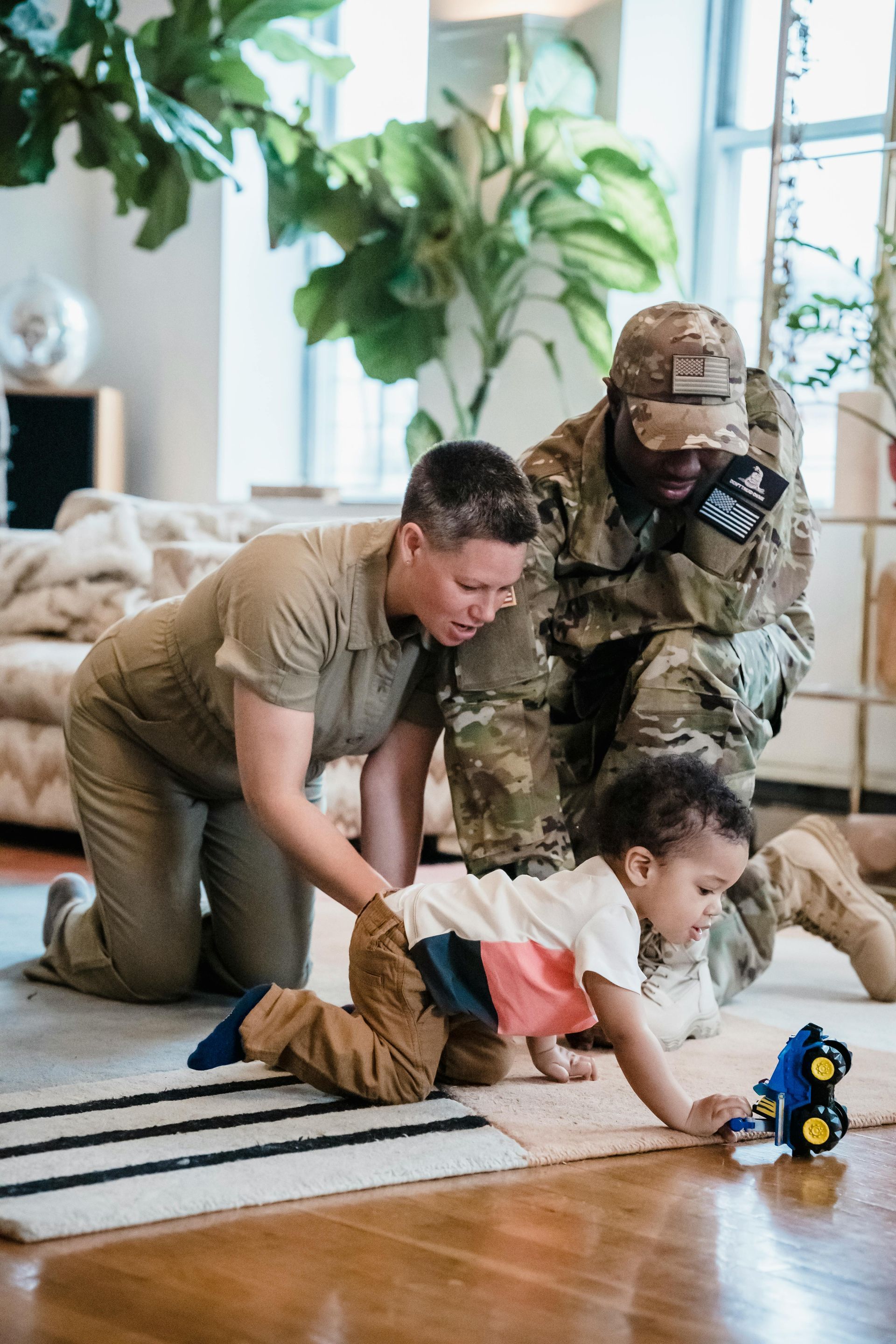
Military-friendly life insurance brokers are specialized professionals who understand the unique financial landscape of service members, including the nuances of the Servicemembers' Group Life Insurance (SGLI) and the limitations of military benefits. For most active-duty personnel, veterans, and military families, these brokers provide significant value by filling coverage gaps, navigating underwriting for high-risk occupations, and providing long-term portability that employer-sponsored plans often lack.
Understanding the Military Insurance Landscape
When you enter the military, you are automatically enrolled in Servicemembers' Group Life Insurance (SGLI), a low-cost, group-term life insurance policy provided by the Department of Veterans Affairs. While SGLI is an exceptional baseline benefit—offering up to $500,000 of coverage as of 2026—it is not a comprehensive solution for every service member’s life cycle.
SGLI terminates 120 days after separation from the military. While it can be converted to Veterans' Group Life Insurance (VGLI), VGLI is a form of term insurance that does not offer the same flexibility or premium structures found in the private market. This is where the distinction of a "military-friendly" broker becomes relevant. These professionals act as intermediaries who bridge the gap between military-specific coverage and the broader commercial insurance market. They are trained to interpret the financial impact of a Permanent Change of Station (PCS), deployment cycles, and the specific disability ratings assigned by the Department of Veterans Affairs (VA).
What Defines a "Military-Friendly" Broker?
The term "military-friendly" is not a regulated legal status, but in practice, it refers to brokers who possess specific competencies regarding military life. A broker worth your time should be able to demonstrate three core capabilities:
- Underwriting Expertise for Military Hazards: Standard insurance underwriting often views high-risk activities—such as jump status, aviation, or deployment to combat zones—as exclusionary criteria. A military-friendly broker knows which carriers offer specific riders or policy language that avoids penalizing service members for their duties.
- Coordination with SGLI and VGLI: A proficient broker does not suggest canceling SGLI. Instead, they help you layer private policies on top of it. They understand how to integrate these benefits to ensure your beneficiaries are protected if you transition to civilian life or retire.
- Understanding of Survivor Benefits: These brokers are familiar with the interplay between private life insurance and the Dependency and Indemnity Compensation (DIC) paid to survivors by the VA. They help you calculate the total "financial floor" your family would have if you were no longer present.
When Should You Seek a Specialized Broker?
Not every military member requires a specialized broker. If you are early in your career, single, and have no dependents, maximizing your SGLI and supplementing it with a simple term policy is often sufficient. However, a military-friendly broker becomes highly valuable in the following scenarios:
- You Have Dependents with Special Needs: If your estate planning involves long-term care for family members, you need a policy that can be structured within a trust, something general brokers may not have experience with.
- You are Transitioning to the Civilian Sector: Many service members make the mistake of waiting until their final month of service to look for private insurance. A broker can help you lock in premiums while you are still active duty, which often results in lower rates.
- You Have a VA Disability Rating: Some insurance carriers view certain service-connected disabilities as high-risk. A broker who specializes in this field knows which companies are more lenient toward specific ratings, preventing you from being unnecessarily denied or charged "rated" (higher) premiums.
- You Want Portability: If you are nearing the end of your commitment and plan to move into a high-risk private sector job, a broker can help you secure a policy that is fully portable and independent of any future employer.
Comparison: SGLI, VGLI, and Private Insurance
Understanding the differences in coverage types is essential to determining if you need to engage a broker for supplemental private coverage.
| Feature | SGLI | VGLI | Private Term Insurance |
|---|---|---|---|
| Eligibility | Active Duty/Reserves | Veterans | Anyone meeting medical criteria |
| Cost Basis | Flat rate for everyone | Age-based (increases every 5 years) | Fixed based on health at application |
| Portability | Ends 120 days after service | Portable for life | Portable for term duration |
| Customization | Limited | None | High (riders, convertibility) |
| Medical Exam | Not required | Not required (within 240 days) | Often required |
The Cost of Professional Guidance
One of the most common myths about insurance brokers is that they charge a fee for their services. In the vast majority of cases, insurance brokers are compensated through commissions paid by the insurance carrier, not by the applicant. This means that if you choose to work with a broker, the premium you pay for your policy is identical to the premium you would pay if you went directly to the insurance company.
However, you should always ask your broker how they are compensated. Transparency is a hallmark of a professional. If a broker attempts to push a "whole life" or "universal life" policy when your stated need is simple income replacement, ask for a breakdown of the commissions. While permanent life insurance has its place in high-net-worth estate planning, it is rarely the optimal solution for a young service member on a budget.
Red Flags to Watch For
Because the military community is a tight-knit and trusted demographic, it is unfortunately a target for predatory financial practices. Keep an eye out for these warning signs when evaluating a potential broker:
- Pressure to Replace SGLI: Any broker who suggests that you cancel your SGLI to "save money" or "switch to a better plan" is not acting in your best interest. SGLI is almost always the most cost-effective coverage available for active-duty personnel.
- Focus on Investment-Linked Insurance: If the broker spends more time discussing the investment potential of a policy rather than the death benefit, you are likely looking at a product that benefits the agent’s commission more than your family’s security.
- Lack of Military-Specific Knowledge: If the broker is surprised to hear about the 120-day SGLI conversion window or seems confused by the concept of a VA disability rating, they are likely a generalist who is "fishing" for military clients without the necessary expertise.
- High-Pressure Sales Tactics: Avoid brokers who suggest you must "act today" or "before the end of the pay period." Life insurance is a significant financial commitment; you should always be given time to review the policy illustrations at your own pace.
Steps to Take When Working with a Broker
If you decide that a military-friendly broker is worth your time, treat the process as a formal vetting.
- Preparation: Gather your current LES (Leave and Earnings Statement), a copy of your current SGLI documentation, and a record of any current or pending VA disability claims.
- Define Your Goal: Know exactly why you are seeking a broker. Is it to cover a spouse who isn't covered by military benefits? Is it to replace SGLI before it expires? Is it to provide additional coverage for a mortgage?
- Interviewing: Ask the broker: "How many military clients do you work with annually?" and "Can you explain how you handle underwriting for service-connected disabilities?"
- Policy Illustration: Once they suggest a plan, ask for a "policy illustration." This document shows the premiums, death benefit, and cash value (if any) over the next 20 to 30 years. Compare this against multiple carriers to ensure the price is competitive.
Summary: Are They Worth It?
For the average service member, a military-friendly broker is worth it specifically when your financial situation exceeds the basic "one-size-fits-all" model of military benefits. If you are simply looking for term life insurance to cover your family for 20 years, you may be able to secure this yourself through reputable online comparison sites that cater to the military.
However, if you have complex health history, specific estate planning needs, or a desire for a long-term insurance strategy that survives your transition out of the military, a professional broker provides a necessary layer of advocacy. Their value lies not in the policy itself, but in their ability to ensure you are not overpaying for coverage or, more importantly, left under-insured during a critical life transition.
FAQ
Does using a broker increase my life insurance premiums? No. Insurance premiums are filed with and regulated by state insurance commissioners. Whether you buy through a broker, a direct-to-consumer website, or an agent, the premium for the same policy will be the same. The broker’s commission is paid by the insurance carrier.
Can a broker help me if I have a 100% disability rating? Yes. While some insurance carriers may decline coverage based on certain medical conditions, a military-friendly broker knows which carriers are more "impaired-risk" friendly. They can help you navigate the process of getting a formal quote that takes your rating into account.
Is VGLI a better deal than a private policy? Not necessarily. While VGLI is convenient because it doesn't require a medical exam, its premiums increase significantly as you age. Often, a healthy veteran can secure a private term life insurance policy with locked-in premiums that are significantly cheaper than VGLI over a 20-year period.
Should I cancel my SGLI once I have private insurance? Generally, no. SGLI is highly subsidized and usually provides excellent value for the coverage amount. Most financial professionals recommend keeping your SGLI as a foundation and using private insurance only to supplement that amount to reach your total coverage goal.
Do military brokers have access to "secret" military-only policies? There is no such thing as a "secret" insurance policy. However, some companies offer specific products designed for the military market that account for combat exclusions. A broker’s value is knowing which companies offer these features, not having access to proprietary products you cannot get elsewhere.