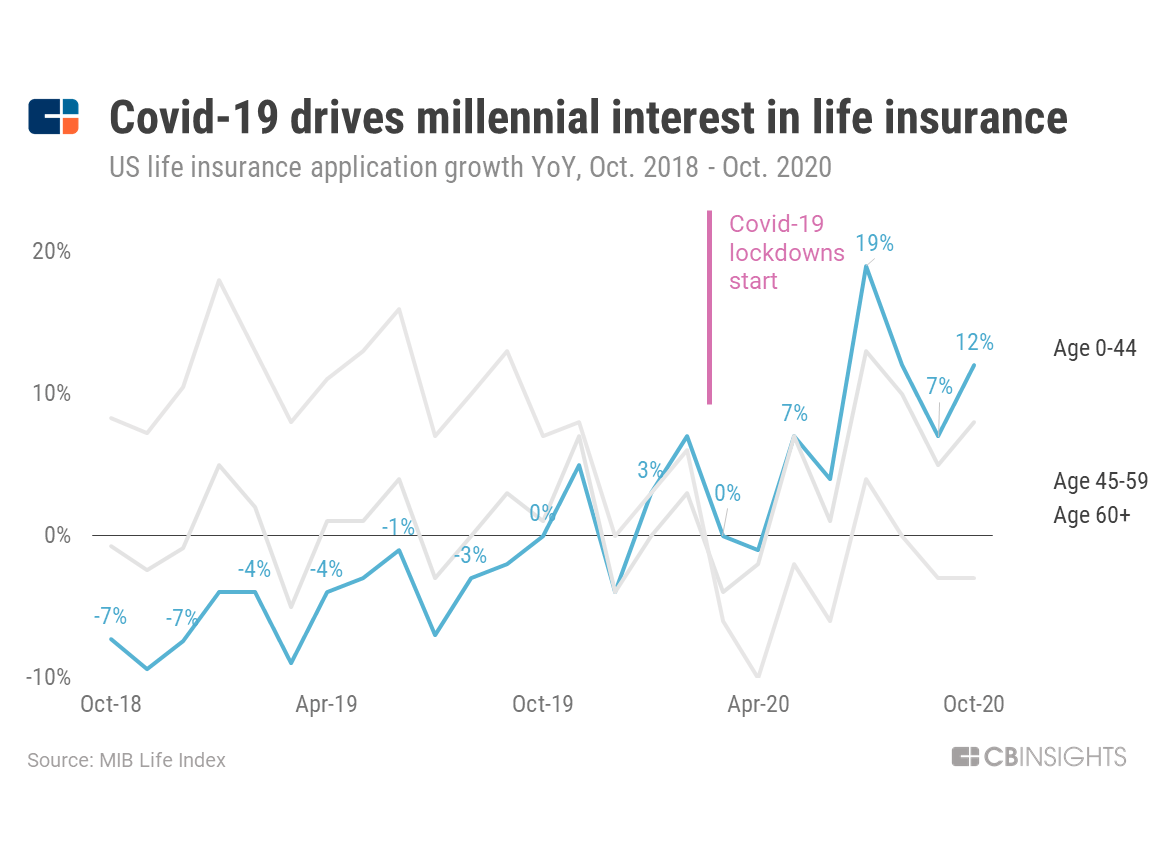
Many millennials are currently underinsured because they often rely exclusively on employer-provided group life insurance, which typically offers insufficient coverage for long-term financial obligations. This reliance creates a vulnerability, as these policies are often tied to employment, lack portability, and fail to account for rising debt levels, childcare costs, and the need for income replacement in a changing economic landscape.
Defining the Coverage Gap
In the context of personal finance, being "underinsured" means that an individual’s existing life insurance death benefit is insufficient to meet the financial needs of their beneficiaries should the policyholder pass away. For millennials—those currently aged roughly 30 to 45—this problem is compounded by a shift in how they view and access financial protection.
Historically, life insurance was a cornerstone of early adulthood. Today, however, many millennials prioritize immediate financial hurdles, such as student loan repayment, childcare costs, and high housing prices. Because life insurance is an intangible product that does not offer immediate utility, it is frequently sidelined in favor of other budget priorities. When they do have coverage, it is often a basic policy provided by an employer, usually set at one or two times their annual salary. Financial experts frequently cite "ten times annual income" as a baseline starting point for coverage, illustrating a significant shortfall for those relying solely on group plans.
Why Employer-Provided Insurance Is Often Insufficient
Most millennial workers gain access to life insurance through their workplace benefits packages. While convenient, these policies possess structural limitations that contribute to the underinsurance crisis.
- Lack of Portability: Employer-sponsored plans are usually "term" insurance that terminates when you leave the company. If you develop a health condition while employed, you may be unable to qualify for an affordable individual policy once you switch jobs or face a layoff.
- Low Benefit Multipliers: Standard group policies often cap coverage at a low multiple of base salary. This amount may cover funeral expenses but rarely provides a meaningful safety net for a surviving spouse to pay off a mortgage, fund children’s education, or maintain a standard of living.
- Lack of Control: With group insurance, the employer owns the policy. You cannot dictate the terms, and the employer can reduce or eliminate benefits at any time during open enrollment periods.
The Economic Drivers of Millennial Risk
The financial profile of the millennial generation differs significantly from previous generations at the same age. Understanding these factors is essential to identifying why their insurance needs are higher than ever.
1. Debt-to-Income Ratios
Millennials often carry a higher debt load, including federal and private student loans, credit card balances, and large mortgages. In the event of a death, these debts do not always vanish. If a loan is co-signed—a common occurrence for student loans—a surviving parent or spouse could become legally responsible for that debt.
2. The Cost of Raising Children
With many millennials having children later in life compared to previous generations, they are often raising minors while simultaneously dealing with peak career demands and potential aging parent care. Life insurance must account for the "dependency period"—the years until a child is financially independent. For many, this means covering 15 to 20 years of living expenses, which far exceeds the limits of standard group life coverage.
3. Inflation and Cost of Living
As of 2026, the rising costs of housing, medical care, and education have effectively reduced the purchasing power of fixed death benefits. A $250,000 policy that might have seemed substantial a decade ago now covers significantly less of a household’s long-term financial requirements.
Assessing Your Individual Coverage Needs
To determine if you are underinsured, you must move beyond the "one-size-fits-all" mentality. Financial planning requires a calculated approach based on your specific liabilities and goals. A common method used to assess coverage needs is the "DIME" formula:
- Debt: Total of all outstanding loans (mortgages, credit cards, student loans).
- Income: The amount of income your family would need to replace, multiplied by the number of years they would need that support.
- Mortgage: The remaining balance on your primary residence.
- Education: Estimated costs for future college or trade school tuition for your children.
| Category | Typical Consideration | Why It Matters |
|---|---|---|
| Income Replacement | 7–10 years of salary | Provides a transition period for family to adjust. |
| Mortgage Debt | Full remaining balance | Prevents forced sale of family home. |
| Education Fund | Tuition/room & board estimates | Protects children's future opportunity. |
| Final Expenses | $15,000–$25,000 | Covers funeral and legal costs. |
Types of Life Insurance for Millennials
If you determine that your current coverage is inadequate, you have several paths to bridge the gap.
Term Life Insurance
This is the most common and cost-effective choice for millennials. It provides coverage for a specific period (usually 10, 20, or 30 years). If you die during this term, your beneficiaries receive the death benefit. If you outlive the term, the policy expires. Because it does not have a "cash value" component, the premiums are significantly lower than permanent policies.
Permanent Life Insurance (Whole or Universal)
Permanent insurance provides coverage for your entire life and includes a cash-value component that grows over time. While the premiums are much higher, it can serve as a long-term financial tool for estate planning or supplemental savings. However, for most young families focused on debt repayment, the high premiums of permanent insurance can actually exacerbate the underinsurance problem by preventing them from buying enough total coverage.
Common Mistakes in Life Insurance Planning
Even when millennials attempt to address their coverage, several common errors can lead to continued underinsurance:
- Waiting for the "Perfect Time": Many assume they should wait until they are older or reach a specific career milestone. Life insurance premiums are heavily age-dependent; buying a policy in your 30s is significantly cheaper than in your 40s or 50s.
- Underestimating Expenses: Calculating only for a funeral or burial is insufficient. You must account for lost income that would otherwise have supported the family’s daily standard of living.
- Ignoring Spousal Coverage: Often, the non-working or lower-earning spouse is neglected in insurance planning. If a stay-at-home parent passes away, the remaining parent will face immediate costs for childcare and household services that can be prohibitively expensive.
Next Steps: How to Verify and Act
If you suspect you are underinsured, take the following steps to secure your financial future:
- Review Your Existing Policy: Check your employee handbook or HR portal to find your current death benefit amount and the terms of your group policy.
- Calculate Your Gap: Using the DIME formula mentioned above, subtract your current coverage from your calculated need.
- Get Quotes: Use independent, non-commissioned comparison tools to look at term life insurance rates. Because millennials are often in their healthiest years, they may qualify for "preferred" or "super-preferred" rates that make high-value policies surprisingly affordable.
- Consult a Professional: A fee-only financial planner can provide an unbiased look at your total financial health, including how life insurance fits into your broader goals of investing and debt management.
Disclaimer: This article provides general financial information and does not constitute personalized legal, tax, or financial advice. Insurance requirements are highly individual; consult with a licensed insurance professional to discuss your specific needs and eligibility.
Frequently Asked Questions
Does having a high net worth mean I don't need life insurance? Not necessarily. While high assets can mitigate the need for insurance, liquidity is the main issue. If your net worth is tied up in real estate or retirement accounts, those assets may not be easily accessible to your survivors for immediate living expenses without facing tax penalties or fire-sale prices.
Can I have more than one life insurance policy? Yes. Many people supplement their employer-provided group policy with an individual term life insurance policy. This is often recommended because it ensures that even if you change jobs, you maintain a baseline of personal coverage.
Does my health status significantly impact my premiums? Yes, but your age is often the most significant factor. By applying for coverage when you are younger, you lock in lower premiums for the life of a term policy, even if your health changes slightly in the future.
What happens if I stop paying my premiums? In most cases, your policy will lapse, and you will lose coverage. It is vital to set up automatic payments or ensure you have a budget buffer to maintain your policy, as reinstatement can be difficult or impossible if your health has declined.
Is it better to get a shorter or longer term for my policy? It is generally better to align the term of your policy with your longest-term financial obligation. For most millennials, this is the length of a mortgage or the time remaining until their children reach financial independence, often making a 20- or 30-year policy the most logical choice.