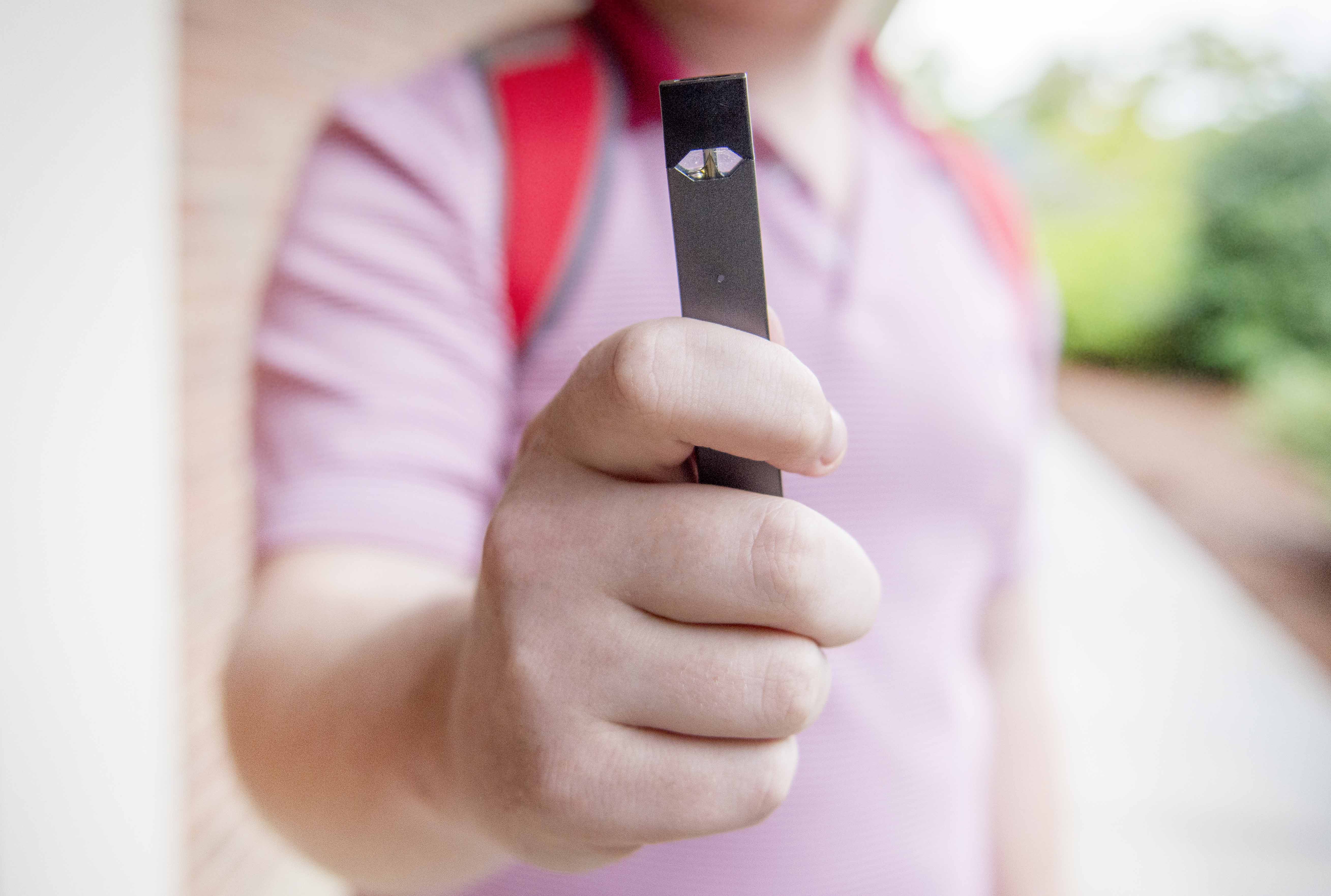
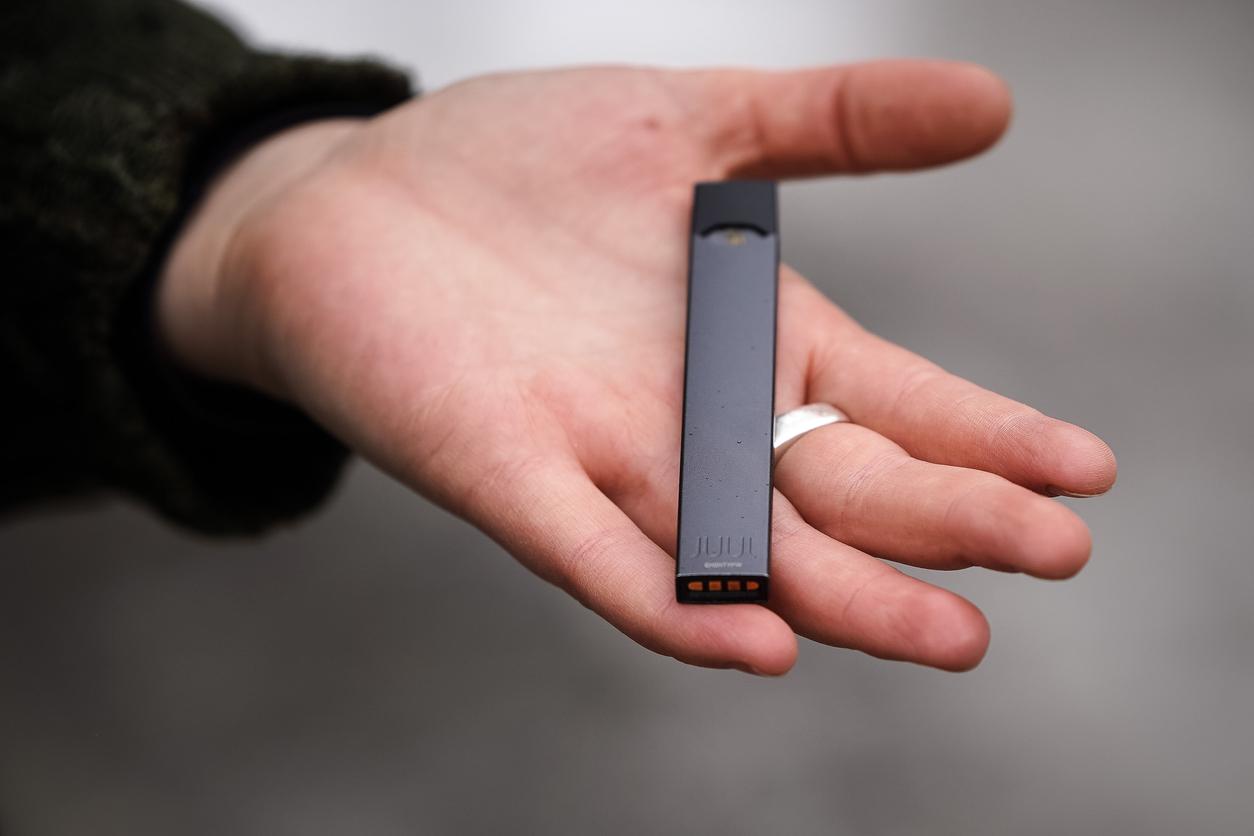
As of early 2026, the question of whether Juuls are "banned" remains complex because there is no blanket federal prohibition on the product itself. While the U.S. Food and Drug Administration (FDA) has issued numerous marketing denial orders (MDOs) against specific product versions and flavors over the years, many Juul devices and select tobacco-flavored pods remain legally available for purchase in retail stores and through authorized online channels within the United States.
Understanding the Regulatory Landscape
To understand the current availability of Juul products, it is essential to distinguish between a total product ban and a regulatory marketing denial. The FDA’s authority over electronic nicotine delivery systems (ENDS) is primarily rooted in the Family Smoking Prevention and Tobacco Control Act. Under this framework, companies must submit a Premarket Tobacco Product Application (PMTA) for each product they wish to market legally.
The confusion surrounding "are Juuls banned" often stems from the high-profile legal battles between Juul Labs, Inc. and the FDA. Since the company’s inception, the regulatory agency has scrutinized the brand heavily due to its popularity among youth populations. This scrutiny resulted in several MDOs, which require a company to remove specific products from the market. However, Juul Labs has consistently utilized the legal system to stay these orders, allowing them to continue selling core products while litigation or subsequent review processes remain ongoing.
The Status of Flavored Pods
The most significant impact of regulatory pressure on the brand involves flavor restrictions. In 2020, the FDA prioritized enforcement against unauthorized flavored cartridge-based e-cigarettes, excluding tobacco and menthol. Consequently, sweet and fruit-based flavors that were once synonymous with the brand’s rapid growth were effectively removed from legal distribution.
For consumers wondering about current availability, it is important to verify the status of specific product variations. As of 2026, the market is characterized by a "survival of the fittest" environment where only products that have successfully navigated the PMTA process or are currently under protected legal review are permitted on shelves. If you walk into a licensed tobacco retailer today, you will likely find only Virginia Tobacco and Menthol variants. The absence of other flavors is not due to a random choice by retailers, but the result of sustained federal enforcement actions that target any product lacking a marketing authorization order.
Comparing Legal Status and Retail Availability
The following table provides a breakdown of how different product categories within the Juul ecosystem are generally treated under 2026 regulatory guidelines.
| Product Category | Regulatory Status | Availability in 2026 |
|---|---|---|
| Juul Device (Standard) | Authorized/Under Review | Widely Available |
| Virginia Tobacco Pods | Authorized/Under Review | Widely Available |
| Menthol Pods | Authorized/Under Review | Widely Available |
| Fruit/Sweet Flavors | Prohibited/Restricted | Generally Unavailable |
| Third-Party Pods | Highly Restricted | Varies by Jurisdiction |
This table illustrates the hierarchy of regulatory tolerance. Authorized products are those that the FDA has explicitly vetted for public health impact, whereas "under review" products are often sold under legal stays that allow manufacturers to continue operations while they appeal or re-submit data to the agency.
Why Some Stores Still Sell Them and Others Do Not
If you find that a store in your local area does not carry Juul products, it does not necessarily mean they are banned in your specific state or city. There are two primary reasons for this discrepancy: retail inventory decisions and local flavor bans.
- Retail Inventory Decisions: Many retailers have opted to stop carrying Juul products due to the intense administrative burden, potential legal liability, and the negative public perception that accompanied the brand's early surge. Large chain retailers, in particular, may choose to stock only brands that are explicitly authorized, avoiding the gray areas associated with products currently "under review."
- Local and State Legislation: Several states and municipalities have passed laws that go further than the FDA. These jurisdictions may implement total bans on flavored tobacco products, regardless of federal status. Furthermore, some states have implemented high excise taxes on vapor products, which effectively makes the retail price of a Juul kit or pod pack prohibitive, leading retailers to clear their shelves of the inventory.
Verification of Authenticity
Given the regulatory uncertainty, counterfeit products have become a significant concern in the secondary market. If you are attempting to purchase Juul products in 2026, it is vital to source them only from authorized retailers. Buying "Juul-compatible" pods from online marketplaces or convenience stores is risky. These third-party pods are not subject to the same manufacturing standards as the original product, and they often contain ingredients that have not been vetted by federal health authorities.
To ensure you are purchasing a legitimate product:
- Check the Packaging: Official packaging in 2026 will feature specific health warning labels mandated by the FDA.
- Use Official Retail Locators: Visit the official company website to use their authorized store locator tool. This is the most reliable way to avoid gray-market or banned imports.
- Verify Batch Codes: Look for the batch identification number on the device or the pod packaging. Legitimate distributors maintain records of these numbers.
Potential Impacts and Health Considerations
The debate over whether Juuls are banned often eclipses the underlying public health context. The FDA’s actions are motivated by the goal of reducing nicotine addiction, particularly among minors. The agency maintains that the high nicotine content in many pods, combined with their discreet design, poses a unique challenge to public health.
Users should be aware that the legal status of a product does not equate to a safety endorsement. In 2026, the medical community continues to research the long-term effects of e-cigarette use. Regardless of whether a specific pod is authorized for sale, it contains nicotine, which is an addictive chemical. Users with respiratory issues, those who are pregnant, or non-smokers who have never used tobacco products should avoid using these devices entirely.
Frequently Asked Questions
Are all Juul products banned in the United States? No. There is no federal ban on the entire Juul product line. While the company has faced significant legal challenges and some of its products have been ordered off the market, they continue to operate and sell specific nicotine-delivery hardware and limited pod varieties in the U.S. market.
Can I still buy flavored Juul pods? Generally, no. As of 2026, the FDA has enforced strict rules against fruit and dessert-flavored pods for cartridge-based e-cigarettes. If you see these for sale, they are likely either leftover stock from years ago or illegal, unauthorized products that do not meet current regulatory standards.
Is it illegal to use a Juul in public? Federal law does not ban the use of Juul devices, but state and local ordinances often treat them the same as traditional cigarettes. Many jurisdictions prohibit their use in indoor workplaces, schools, hospitals, and on public transportation. Always check local signage or municipal codes before using a device in a public space.
What should I do if I cannot find Juul pods in my area? If you cannot find Juul products in your local stores, it is likely due to either local retail choices or state-level restrictions on flavored tobacco products. You can check the company’s official online retail portal or authorized store locator to see if there are legal vendors in your vicinity. Do not turn to unregulated, third-party, or "compatible" pods found online, as these are not subject to federal quality oversight.
Will all Juuls be banned in the future? The future of the product depends on the outcome of ongoing legal appeals and the company's ability to demonstrate that their products are "appropriate for the protection of public health" as defined by the PMTA process. As of 2026, there is no fixed date for a total prohibition of the brand.
Next Steps for Consumers
If you are currently a user of Juul products and are concerned about the fluctuating regulatory environment, the most practical action is to stay informed through official government resources. The FDA’s Center for Tobacco Products (CTP) maintains a list of authorized tobacco products on its website.
For those who use these products as a cessation tool to move away from combustible cigarettes, consider discussing your options with a healthcare provider. They can provide guidance on FDA-approved smoking cessation aids that have a more established safety profile and are not subject to the same regulatory volatility as vapor products. If you choose to continue using Juul devices, ensure you are buying from verified, reputable retailers to avoid the safety risks associated with illicit or counterfeit products.