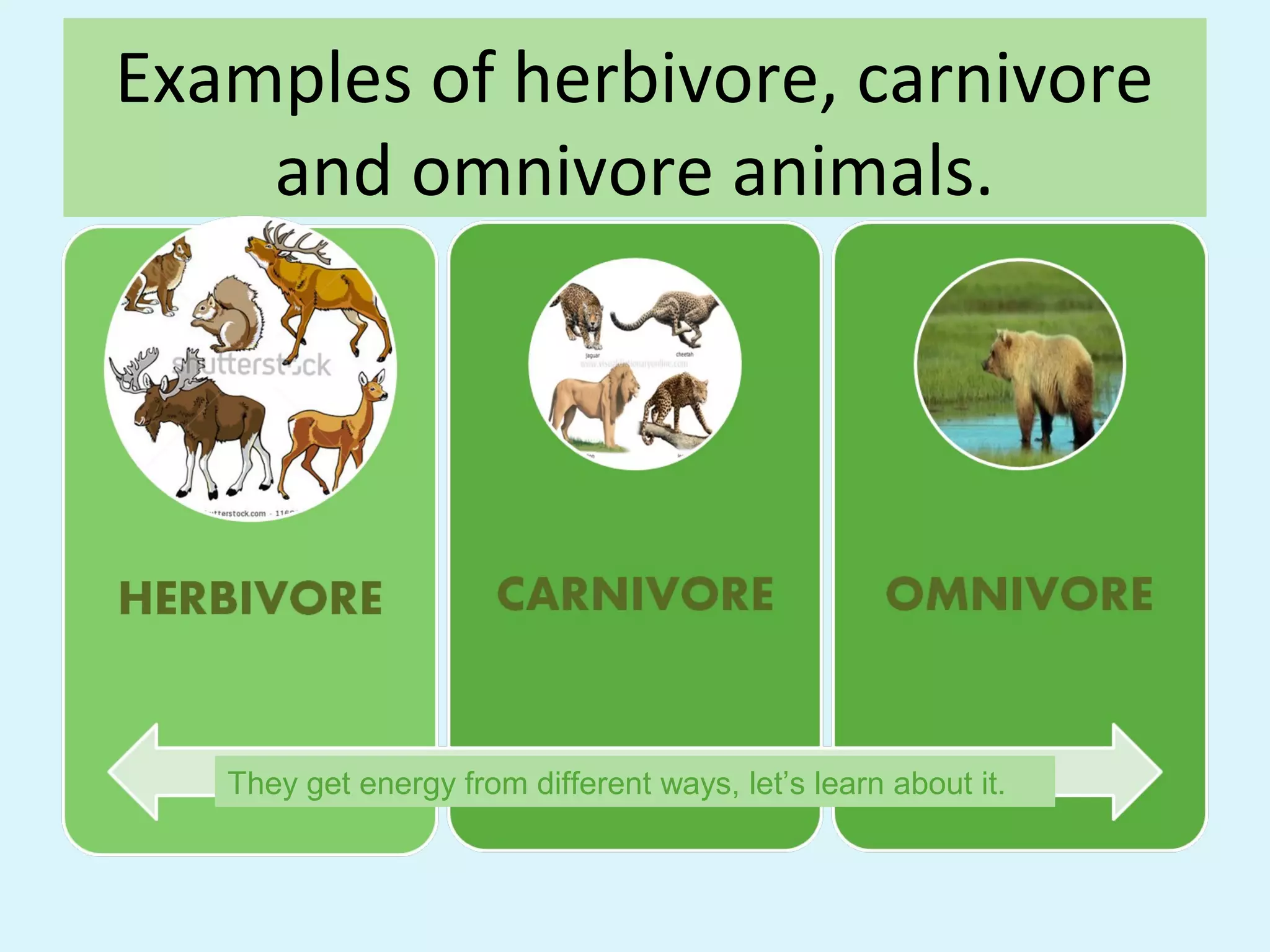
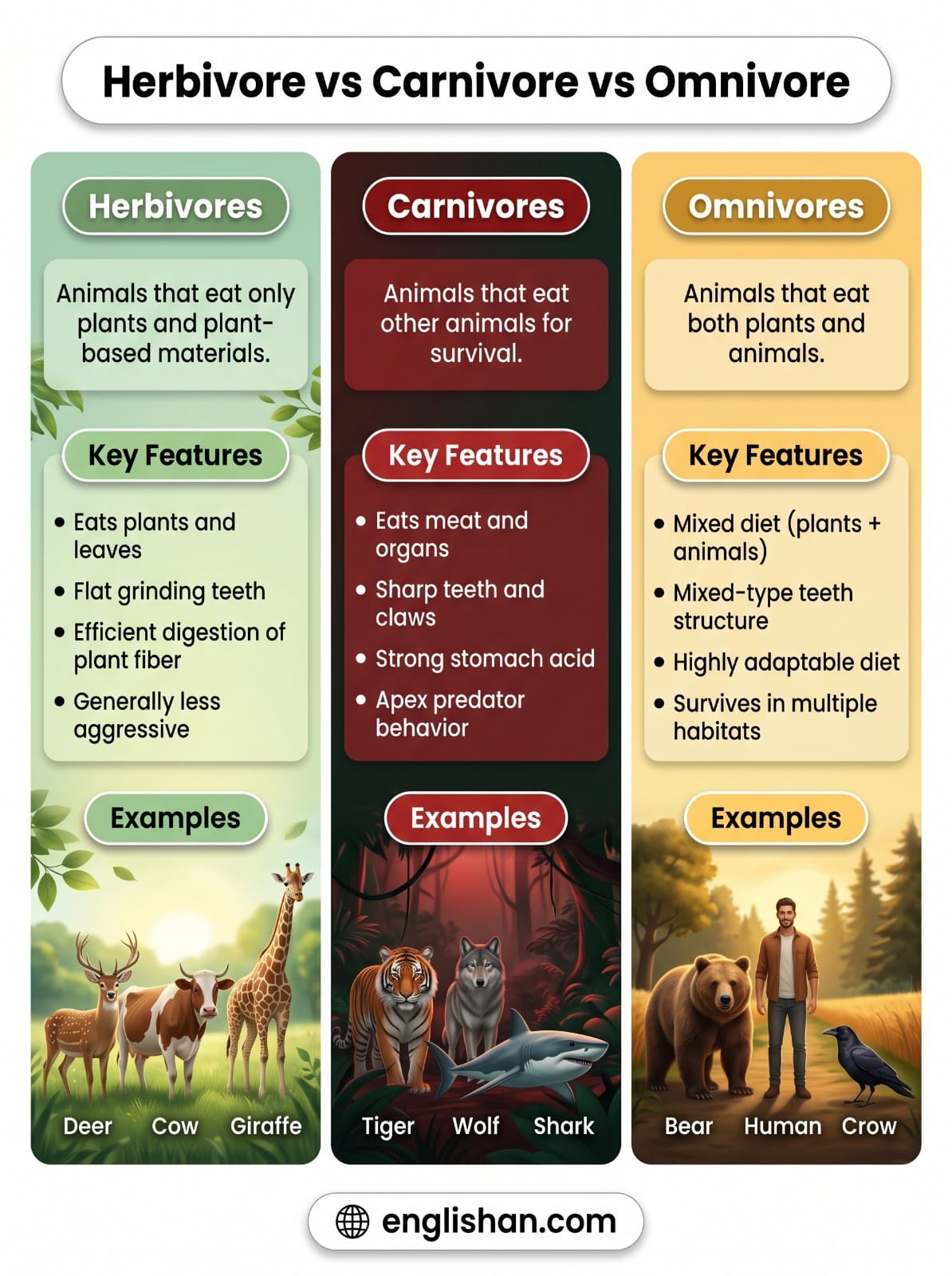
A deer is scientifically classified as an herbivore because its biological systems are evolutionarily adapted to consume and process plant matter. Despite rare, opportunistic behaviors involving non-plant sources, their specialized multi-chambered stomachs, unique dentition, and nutrient-processing pathways are designed exclusively for extracting energy from cellulose, making them true herbivores rather than omnivores or carnivores.
The natural world often presents complex behaviors that challenge simple definitions, yet in the field of zoology, classification remains rooted in physiological specialization. As of 2026, wildlife biology maintains a strict distinction for the family Cervidae. While the casual observer might occasionally witness a deer interacting with non-plant material, these instances do not change the animal's fundamental status. Understanding why a deer is an herbivore requires a deep dive into its anatomy, digestive chemistry, and evolutionary history.
The Biological Foundation of Deer Herbivory
To understand why a deer is an herbivore, one must first look at its taxonomic classification. Deer belong to the order Artiodactyla (even-toed ungulates) and the family Cervidae. This entire lineage is defined by a commitment to a plant-based diet. Unlike omnivores, which possess the enzymatic flexibility to derive primary nutrition from both flora and fauna, deer are specialized "concentrate selectors" or "intermediate feeders."
In the context of 2026 wildlife management standards, we categorize deer based on their primary ecological niche. They occupy the role of primary consumers in the food web. This means they convert the energy stored in plants into animal biomass, which is then utilized by secondary consumers (carnivores). Their bodies are not built to hunt, kill, or digest meat as a primary or secondary energy source.
Evolutionary Specialization
Evolution is an economical process; it does not grant animals complex digestive machinery for food sources they do not regularly consume. Over millions of years, deer have evolved to exploit the vast, albeit difficult-to-digest, resource of terrestrial vegetation. Plants are protected by cellulose and lignin—structural carbohydrates that are nearly impossible for most animals to break down without help.
Deer have solved this problem through a symbiotic relationship with microorganisms. This evolutionary trade-off means their entire internal chemistry is "locked" into herbivory. If a deer were to transition to an omnivorous diet, the high protein and fat content of meat would likely disrupt the delicate microbial balance in their gut, leading to acidosis or other fatal metabolic conditions.
Physiological Adaptations: The Ruminant Digestive System
The most significant evidence that a deer is an herbivore is its status as a ruminant. Ruminants possess a highly complex, four-compartment stomach designed to ferment tough plant fibers. This system is vastly different from the simple, highly acidic stomachs of carnivores or the generalized digestive tracts of omnivores like humans or bears.
The Four Compartments
- The Rumen: This is the largest compartment and acts as a massive fermentation vat. It can hold several gallons of partially chewed vegetation. As of 2026, research into the rumen microbiome continues to show how specialized these bacteria and protozoa are; they are specifically tuned to break down cellulose into volatile fatty acids, which the deer uses for energy.
- The Reticulum: Often called the "honeycomb," this compartment filters particles. It allows the deer to regurgitate "cud"—partially digested food—to be chewed again. This "chewing the cud" is a hallmark of herbivorous ruminants, allowing them to mechanically break down plant cell walls that are resistant to initial digestion.
- The Omasum: This chamber acts as a pump or filter, absorbing water and nutrients from the processed mash before it moves to the final stage.
- The Abomasum: This is the "true" stomach, most similar to the human stomach, where gastric juices finally break down the remaining material and the microbes themselves, which provide the deer with a significant portion of its protein.
This process is incredibly slow. A deer may take 24 to 48 hours to fully process a single meal. In contrast, carnivores have short, straight digestive tracts designed to process meat quickly before it can putrefy. The deer’s long, winding intestinal path is a physical necessity for an herbivore and a physical hindrance for a carnivore.
Dental Morphology and Cranial Structure
A deer's head is a specialized tool for harvesting and grinding plants. When examining a deer skull, the absence of predatory features is striking. Unlike carnivores or even most omnivores, deer lack the biological hardware required to be anything other than herbivores.
Lack of Upper Incisors
Most deer species lack upper incisors. Instead, they have a tough, leathery "dental pad." They use their lower incisors to press vegetation against this pad and tear it away. This mechanism is perfect for browsing leaves and twigs but entirely useless for gripping or tearing flesh, which is a requirement for carnivores and most omnivores.
The Diastema and Molars
There is a significant gap between a deer's front biting teeth and its back grinding teeth, known as the diastema. This space allows the tongue to manipulate plant material efficiently while chewing. The molars themselves are "hypsodont" or high-crowned, featuring sharp ridges of enamel designed to grind tough fibers into a paste. These teeth wear down over time due to the abrasive nature of silica found in plants—a challenge carnivores do not face.
Comparison of Dietary Traits
The following table illustrates the stark differences between the herbivorous deer and other dietary classifications based on established 2026 biological data.
| Feature | Herbivore (Deer) | Omnivore (Black Bear) | Carnivore (Gray Wolf) |
|---|---|---|---|
| Primary Diet | Grasses, forbs, shoots, mast | Berries, insects, fish, meat | Ungulates, small mammals |
| Stomach Structure | 4-Chambered (Complex) | Simple (Generalist) | Simple (Highly Acidic) |
| Teeth Type | Broad, flat molars; dental pad | Sharp canines; crushing molars | Sharp carnassial teeth; long canines |
| Intestinal Length | Very long (for fermentation) | Medium length | Short (fast transit) |
| Primary Enzyme | Cellulase (via microbes) | Amylase and Protease | High levels of Protease |
| Foraging Style | Browsing/Grazing | Opportunistic Foraging | Hunting/Scavenging |
Why Deer Are Not Omnivores: Clarifying "Opportunistic Carnivory"
In recent years, viral videos and anecdotal reports have surfaced showing deer eating bird eggs, nestlings, or even chewing on dry bones. This has led to the misconception that deer might actually be omnivores. However, professional wildlife biologists categorize this as opportunistic carnivory or osteophagia, and it does not change their classification as herbivores.
Nutrient Deficiency, Not Dietary Shift
When a deer consumes a non-plant item, it is almost always a targeted response to a specific mineral deficiency, usually calcium, phosphorus, or sodium. This is most common during the spring when bucks are growing antlers (which requires massive amounts of calcium) or when does are lactating.
Chewing on a bone (osteophagia) is a way for the deer to "mine" minerals that are lacking in the local soil and vegetation. Because their digestive system is not designed to extract caloric energy from meat or fat, they do not hunt for these items. An omnivore, by definition, incorporates both plant and animal matter as regular, significant portions of its caloric intake. For a deer, animal matter is a non-caloric supplement, much like a human taking a vitamin pill.
The Digestive Barrier
Even if a deer wanted to eat meat regularly, it cannot. The rumen is an environment that relies on a specific pH balance. Meat is high in protein and fats that produce acidic byproducts during breakdown. If a deer consumed a significant amount of meat, the rumen's pH would drop, killing the essential cellulose-digesting bacteria. This condition, known as ruminal acidosis, is often fatal. Therefore, a deer is physiologically barred from being an omnivore.
Why Deer Are Not Carnivores: The Lack of Predatory Instinct
The distinction between a deer and a carnivore is even more pronounced. Carnivores are defined not just by what they eat, but by how they acquire it. Deer lack every fundamental trait associated with carnivory.
- Sensory Orientation: Carnivores typically have forward-facing eyes for binocular vision and depth perception, which is essential for chasing prey. Deer have eyes on the sides of their heads, providing a nearly 310-degree field of view to detect predators. This is a "prey" adaptation, not a "predator" adaptation.
- Locomotion and Weaponry: Deer possess hooves, which are excellent for long-distance running and traversing uneven terrain to find new grazing patches. They lack claws or the powerful jaw muscles (masseter and temporalis) required to deliver a killing bite.
- Metabolic Rates: Carnivores often go days between meals, relying on high-protein "bursts" of energy. Deer are "continuous feeders." Because plant matter is lower in caloric density, they must spend the majority of their waking hours eating to meet their energy requirements.
Ecological Impact of Herbivory
The fact that a deer is an herbivore has profound implications for the ecosystems they inhabit. As of 2026, forest management strategies heavily focus on "deer pressure"—the impact that deer browsing has on forest regeneration.
Because they are herbivores, deer act as "ecosystem engineers." They selectively browse certain species of trees (like oaks or maples) while avoiding others (like ferns or invasive barberry). This behavior dictates which plants survive to become the next generation of the forest. If deer were omnivores, their impact on the flora would be significantly lessened as they would shift their pressure to animal populations when plant resources were low. Instead, when plant resources are scarce, deer populations typically face starvation or reduced birth rates, reinforcing their total dependency on the vegetative layer.
Common Misconceptions About Deer Diets
Throughout history, and even into 2026, certain myths persist about what deer can and cannot eat. Clearing these up reinforces their herbivorous nature.
- The "Meat-Eating" Deer Myth: As discussed, while they may lick a bone or accidentally swallow an insect on a leaf, they do not have the enzymes (like pepsin and trypsin in high enough concentrations) or the stomach pH to make meat a viable food source.
- The Fruit Fallacy: Some believe that because deer eat apples or berries, they are "turning" into omnivores. Fruits are plant reproductive organs and are entirely consistent with an herbivorous diet. They are high-energy "treats" that deer are well-equipped to digest.
- Human Food Interference: Deer in suburban areas often eat birdseed or bread. This is highly detrimental to their health. Their ruminant systems are so specialized that sudden influxes of high-carb, non-natural foods can cause "grain bloat," a painful and often deadly condition.
Frequently Asked Questions
Do deer ever eat meat?
In very rare circumstances, deer may consume small birds or eggs. This is not for caloric energy but is typically an opportunistic way to address severe mineral deficiencies, such as a lack of phosphorus or calcium in their diet. It is an exception to their rule of herbivory, not a change in their classification.
What is the primary difference between a deer's stomach and a human's?
A deer is a ruminant with a four-compartment stomach designed for the long-term fermentation of plant fibers. A human is a monogastric omnivore with a single-chambered stomach designed for a faster, more generalized breakdown of proteins, fats, and simple carbohydrates. Deer can digest cellulose; humans cannot.
Why do deer chew on bones?
This behavior, called osteophagia, is a way for deer to obtain essential minerals. Because antlers and milk production require significant mineral investment, deer will chew on old, weathered bones to supplement their intake. They do not eat the bone for meat or marrow.
Can a deer survive on a carnivorous diet?
No. A deer’s digestive tract is far too long, and its microbial flora is too specialized. A meat-based diet would lead to toxic protein levels, a collapsed rumen pH, and eventual death from metabolic distress.
Are all members of the deer family herbivores?
Yes, all members of the Cervidae family—including elk, moose, reindeer (caribou), and white-tailed deer—are classified as herbivores. They all share the ruminant digestive structure and similar dental adaptations.
Does a deer being an herbivore make it a "prey animal"?
While "herbivore" refers to diet and "prey" refers to its position in the food chain, the two are closely linked for deer. Their physiology is designed for efficient plant consumption and high-speed escape from the carnivores that hunt them.
Practical Recommendation for Wildlife Observation
When observing deer in 2026, whether in a national park or a suburban backyard, it is vital to respect their specialized herbivorous nature. Do not provide supplemental feed like corn, bread, or processed grains unless under the specific guidance of wildlife authorities during extreme emergencies. Because their rumen microbes take weeks to adjust to new food types, a sudden "gift" of non-natural food can be more harmful than helpful, potentially causing fatal digestive blockages or bloat. The best way to support deer is to protect their natural habitats, ensuring they have access to a diverse range of native shrubs, grasses, and trees that satisfy their complex nutritional requirements naturally.