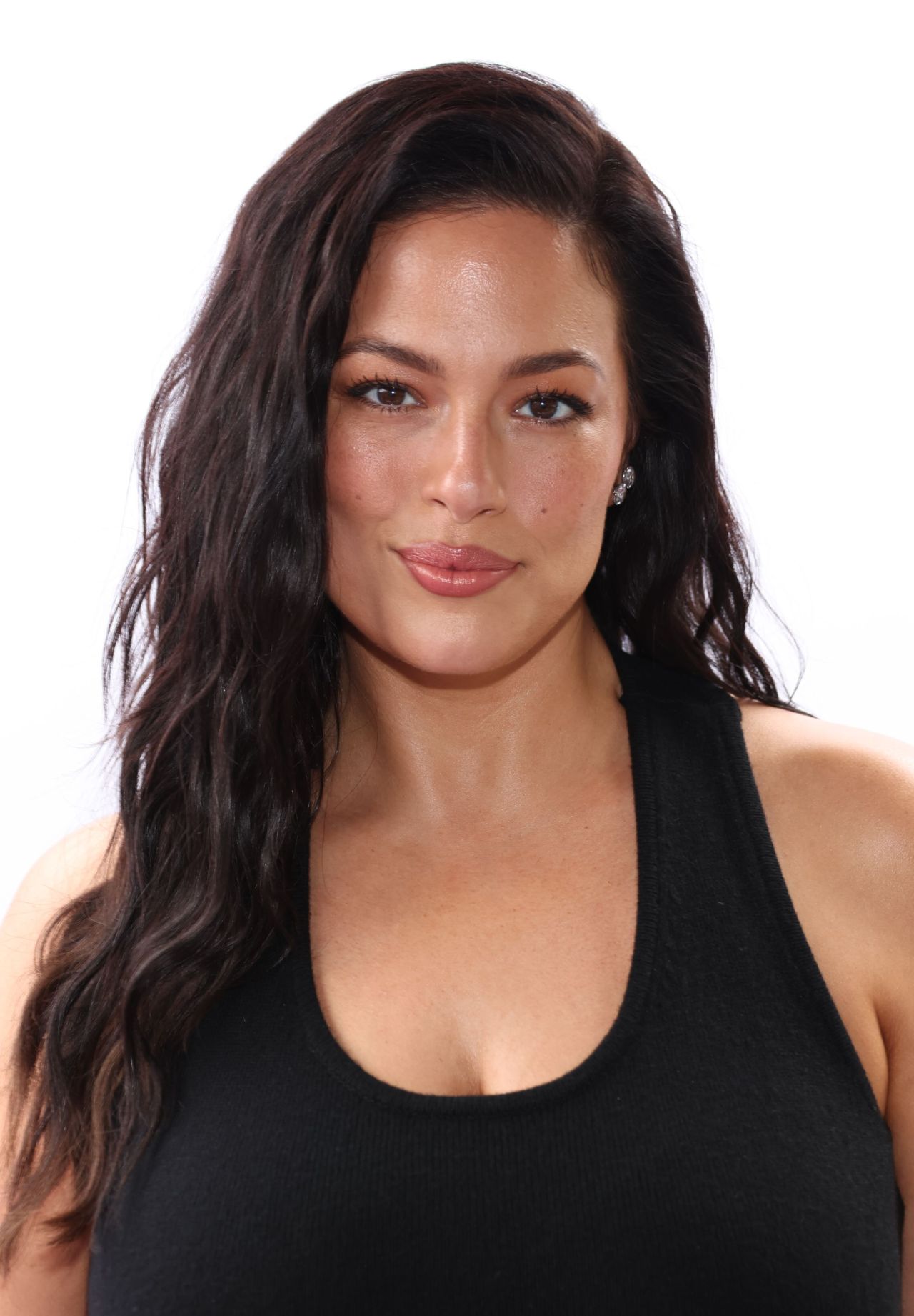
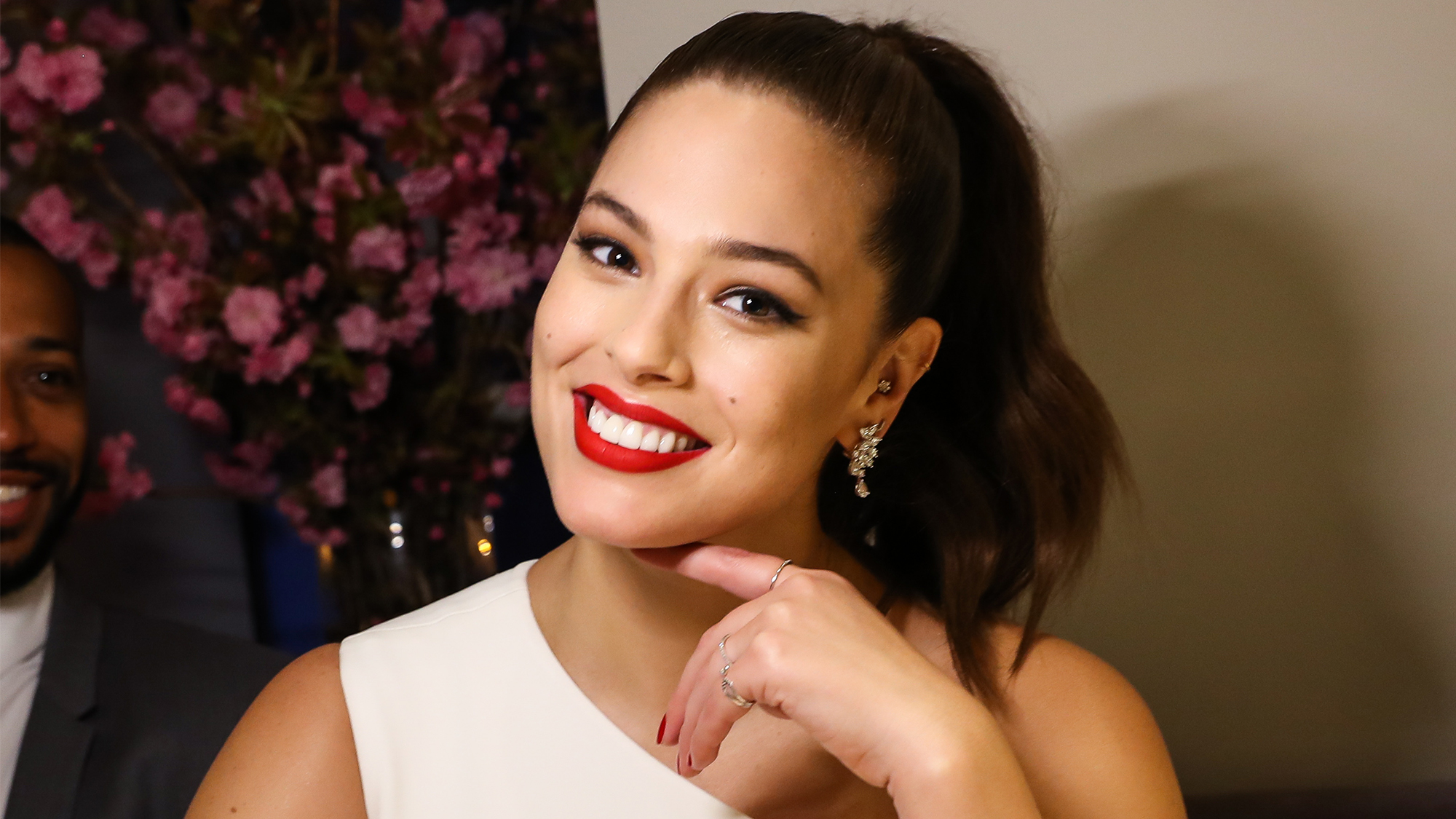
The entry of Ashley Graham into the swimwear market marked a pivotal shift in the fashion industry’s approach to inclusive sizing and body positivity. By collaborating with established brands like Swimsuits For All and developing her own lines, Graham transitioned from a high-profile model to a business owner, influencing market standards regarding fit, photography, and the marketing of diverse body types in luxury and mid-market retail.
The Genesis of the Collaboration: Swimsuits For All
The most significant milestone in Ashley Graham’s career as a swimwear entrepreneur began in 2016 with her partnership with Swimsuits For All. Before this collaboration, the fashion industry frequently relegated plus-size swimwear to functional, non-fashion-forward designs. Graham’s objective was to dismantle the "utility-over-style" paradigm.
The partnership was strategic. Swimsuits For All possessed the logistics, supply chain, and e-commerce infrastructure to handle a massive scaling project, while Graham provided the vision and brand authority. The launch of the "Essentials" collection and subsequent seasonal lines focused on high-fashion silhouettes—such as plunging necklines, cut-outs, and metallic hardware—that were previously reserved for sample-sized garments. This move proved that there was significant, pent-up demand for high-end aesthetic choices among consumers wearing sizes 10 through 24.
Market Impact and Shifts in Consumer Demand
Graham’s influence on the swimwear market extends beyond design. Her presence forced retailers to reconsider their "size charts" and marketing imagery. Before 2016, advertising campaigns in the swimsuit category almost exclusively featured models who fit into a narrow range of measurements.
By insisting on non-retouched, high-impact photography for her collections, Graham shifted the benchmark for "aspirational" marketing. This forced competitors to adapt or risk obsolescence. Market data from the period suggests that retailers who ignored the "plus-size luxury" gap saw their market share erode as brand loyalty shifted toward labels that prioritized size inclusion. Graham utilized her massive social media presence to cultivate a direct relationship with her audience, turning followers into customers who felt seen by the product design process.
Key Design Milestones and Product Evolution
The evolution of Graham’s swimwear offerings can be categorized by the introduction of technical features designed to support various body shapes while maintaining a luxury look.
Construction and Materials
A significant technical achievement in the Graham-led collections was the integration of power-mesh lining and adjustable strap systems that did not sacrifice the appearance of the suit. Many traditional plus-size suits relied on heavy skirts or excessive fabric to provide coverage. Graham’s designs, by contrast, embraced the bikini and the deep-v one-piece, using structural tension and high-quality nylon-spandex blends to provide actual support rather than just hiding the body.
Marketing and Campaign Innovation
The campaign for the 2017 collection, in particular, was a landmark moment. By utilizing unedited imagery, the campaign became a case study in digital authenticity. This approach disrupted traditional retail strategies that relied on heavy airbrushing, effectively proving that "authentic" representations of bodies in swimwear drove higher conversion rates and brand affinity.
Comparative Market Analysis: Then vs. Now
The swim industry in 2026 reflects many of the lessons popularized by Graham’s early entries. The table below compares the state of the inclusive swimwear market prior to her major collaborations versus the current standard.
| Feature | Pre-2016 Market Standard | Post-Graham/Current Standard |
|---|---|---|
| Primary Design Focus | Coverage and concealment | Aesthetic, trend-driven, and structural |
| Imagery Standards | Heavy retouching and standardized poses | Emphasis on natural body shapes and skin texture |
| Size Availability | Limited (often caps at size 16 or 18) | Expanded (size 24+ widely available) |
| Marketing Tone | Functional/Needs-based | Empathetic/Lifestyle-based |
| Retailer Mindset | Plus-size as a "niche" category | Inclusive sizing as a business necessity |
Operational Challenges in the Inclusive Swimwear Space
While the influence of Ashley Graham successfully pushed the market forward, the operational side of scaling inclusive swimwear remains technically demanding. Manufacturers and designers face several hurdles when attempting to replicate this success:
- Grade Scaling Complexity: Grading a garment from a size 2 to a size 12 is mathematically different than grading from 12 to 24. Simply enlarging a pattern causes poor fit, leading to gaps in bust areas or insufficient coverage in the seat. Graham’s successful lines required specialized pattern-making teams who understood the nuances of weight distribution on diverse frames.
- Fabric Integrity: Materials that hold their shape on a smaller frame may lose elasticity or opacity when stretched over a larger surface area. The cost of sourcing high-denier, high-recovery fabrics is higher than using standard industry materials.
- Return Logistics: Because body shapes within the "plus-size" category are highly varied, return rates for swimwear are notoriously high. Retailers must invest heavily in detailed fit guides, video demonstrations, and virtual sizing technology to mitigate the costs associated with reverse logistics.
Addressing Consumer Questions: What Matters in 2026
For consumers looking to navigate the current landscape of inclusive swimwear, understanding the distinction between "plus-size fashion" and "mass-market inclusion" is key.
How has the fit of swimwear changed?
The primary change is the move toward "proportional grading." Instead of just making a suit wider, modern designers focus on where a person carries their weight. Adjustable hardware, such as sliders on straps and ties on bottoms, has become a functional standard rather than an afterthought.
Does branding affect the quality of swimwear?
There is a clear correlation between brands that center on inclusive design as a core value and the longevity of the suit. Brands that treat inclusive sizing as a "bolt-on" to their existing production line often fail to address the structural requirements of larger sizes. The success of the Ashley Graham-era designs proved that buyers recognize when a suit is "designed for" them versus "sized up for" them.
What should shoppers look for in high-quality swimsuits?
Shoppers should examine the composition of the fabric—look for a higher percentage of Spandex or Lycra for recovery. Additionally, check for double-layer linings, which offer both opacity and support. If a suit is lined with only a thin mesh, it is less likely to hold its shape over time.
Are there environmental considerations?
The transition to recycled nylons and polyester fibers has become the standard for premium labels. Sustainable production is often coupled with inclusive sizing in modern luxury brands, as these segments cater to an audience that values ethical production transparency.
Strategic Next Steps for Fashion Enthusiasts
If you are interested in the evolution of inclusive fashion, the next logical step is to analyze the brand-identity shifts in current direct-to-consumer (DTC) brands versus legacy department store labels. Observe how these companies utilize "user-generated content" in their reviews—this is where the most honest data regarding fit and durability exists.
For industry professionals, the lesson of the Ashley Graham milestones remains clear: inclusive sizing is not a marketing gimmick but a technical and operational discipline that rewards those who invest in the integrity of the design.