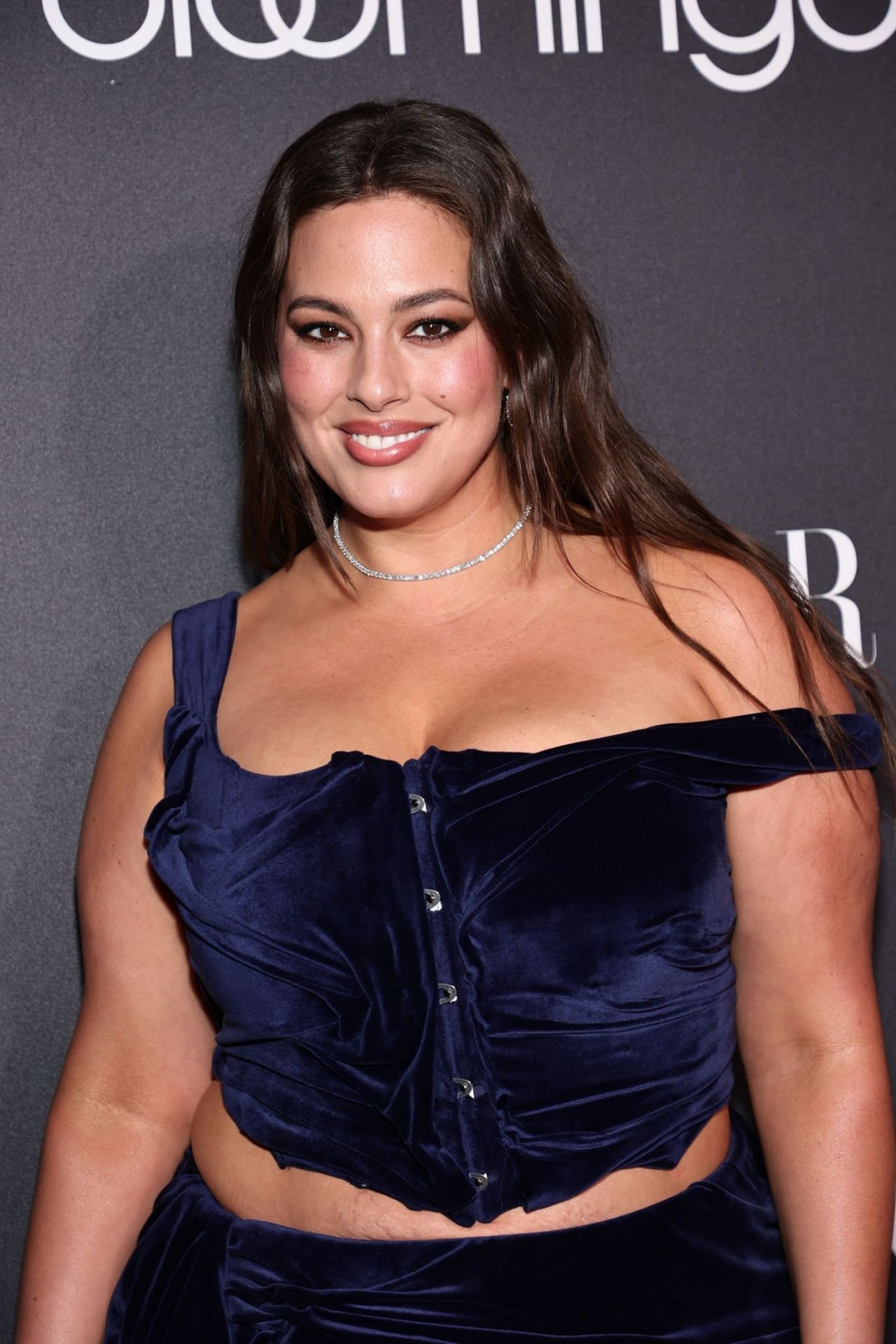
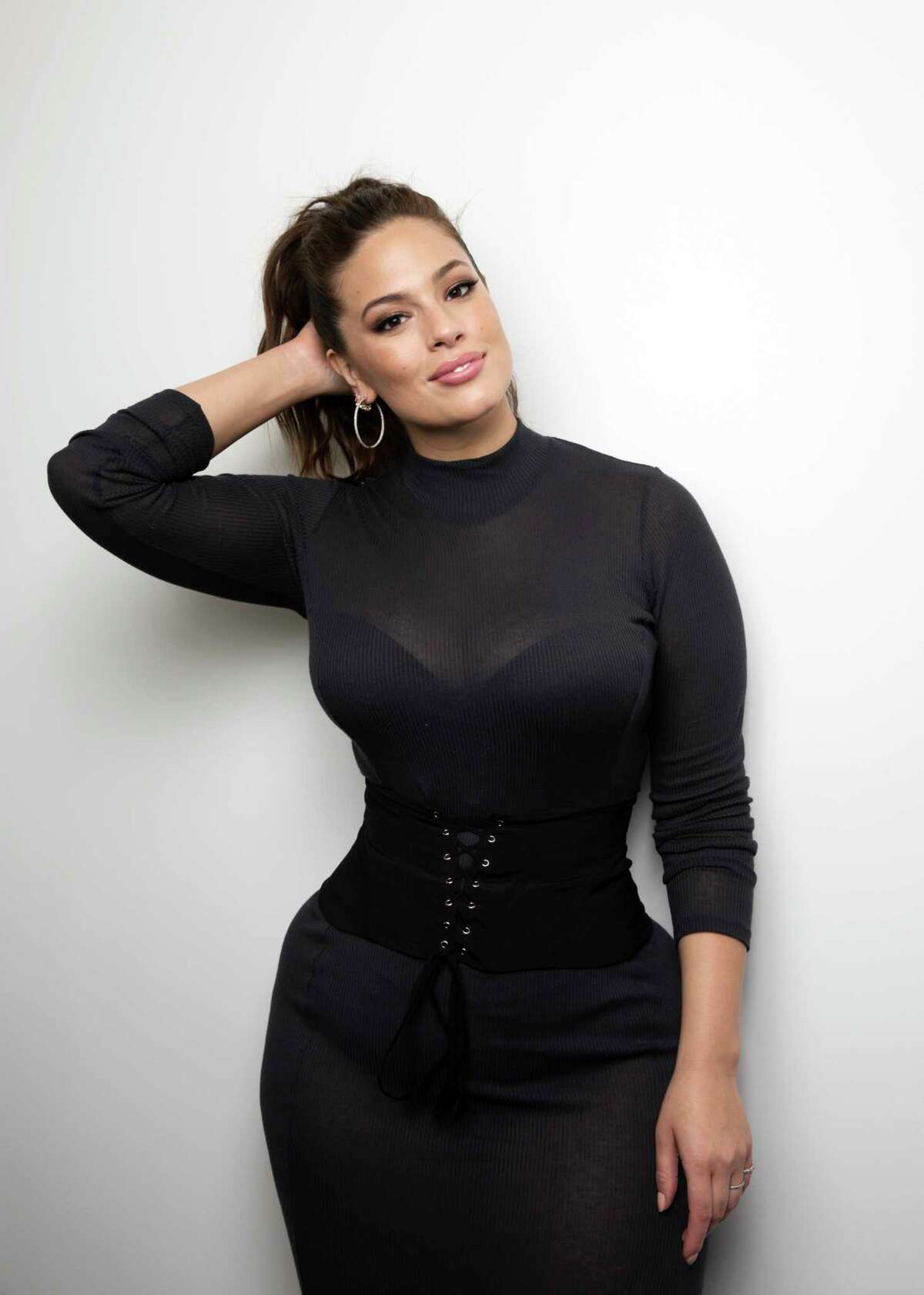
Ashley Graham is a prominent American model and television presenter who transformed the fashion industry’s standards by pioneering the inclusion of plus-size bodies in high-fashion editorial, commercial, and runway spaces. Her career serves as a blueprint for how individual brand advocacy can influence corporate diversity, global beauty standards, and the business trajectory of the modern modeling profession.
The Evolution of the Modeling Industry
The fashion industry has historically operated under rigid physical archetypes. For decades, the "straight-size" model—typically ranging from sizes 0 to 4—was the standard for high-fashion campaigns, luxury runways, and mainstream media. In this context, Ashley Graham emerged not merely as a model, but as a critical agent of change. By positioning herself within the "plus-size" category—a term she has both embraced and challenged—she forced global brands to reconsider the economic and social implications of exclusivity.
Graham’s entrance into the industry occurred during a period when the term "plus-size" was largely relegated to specialized retailers. Her career trajectory demonstrates a deliberate pivot from traditional catalog work toward high-visibility cultural platforms. By the mid-2010s, she began securing mainstream media placements that were previously inaccessible to models of her size, including the first "plus-size" cover of the Sports Illustrated Swimsuit Issue in 2016. This event marked a shift in industry economics, proving that inclusive representation yields significant commercial returns.
Critical Milestones in Career Development
To understand the significance of the Ashley Graham model of success, one must examine the specific milestones that dismantled existing barriers to entry. Her career was not a result of passive participation; it was an exercise in strategic brand management.
- Editorial Legitimacy: By appearing in publications like Vogue, Harper’s Bazaar, and Elle, Graham bridged the gap between commercial modeling and high fashion. These placements necessitated a change in how photographers and art directors approached posing, lighting, and styling for non-standard sample sizes.
- Product Line Collaboration: Moving beyond the role of a traditional model, Graham transitioned into a designer and brand partner. Her collaborations with retailers like Addition Elle and Swimsuits for All were instrumental in demonstrating that her audience was an underserved consumer segment with significant purchasing power.
- Broadcasting and Public Speaking: Her transition into television—most notably as a judge on America’s Next Top Model and as a host for various red-carpet events—allowed her to maintain personal authority over her narrative. This prevents the "model as a blank canvas" trope, allowing the individual to dictate the terms of their brand representation.
Strategic Brand Management for Models
The "Ashley Graham model" often refers to the business strategy of personal branding where the model acts as the primary stakeholder in their professional identity. Unlike traditional models who wait for agency direction, Graham utilized social media and public speaking to create a direct line of communication with her audience.
This strategy includes several key components that aspiring professionals and brand managers can observe:
- Audience Data Integration: By engaging directly with followers on platforms like Instagram and TikTok, she gained real-time feedback on what clothing, messaging, and imagery resonated with her demographic. This feedback loop is essential for modern brand sustainability.
- The Power of Advocacy: Graham’s brand is inseparable from her advocacy for body positivity and inclusivity. This creates a "value-driven" business model. When a brand partner associates with her, they are not just buying a face; they are endorsing a social stance. This increases the model’s value proposition beyond mere physical aesthetics.
- Diversification of Revenue: Graham’s portfolio is not limited to photography. It encompasses book authorship, podcast hosting, and venture investments. By diversifying, she mitigates the risks associated with the cyclical nature of the fashion industry.
Comparative Analysis: Traditional vs. Inclusive Modeling
The following table outlines the operational differences between the legacy model of agency-driven work and the contemporary, influencer-based model championed by figures like Graham.
| Feature | Traditional Model | Modern Influencer Model (Graham) |
|---|---|---|
| Primary Driver | Agency-directed bookings | Personal brand autonomy |
| Audience Engagement | Passive/Observation | Active/Participatory |
| Revenue Streams | Hourly/Day rates for shoots | Partnerships, product lines, content |
| Industry Influence | Minimal influence on standards | Active shift in sizing and inclusivity |
| Career Longevity | Often limited by age/size trends | Extended through multi-platform presence |
Navigating Industry Requirements
For those seeking to understand the professional requirements of the industry that Graham redefined, it is essential to recognize the shift in technical demands. In the early 2000s, physical consistency was the only requirement. Today, the industry demands:
- Digital Presence: A cohesive, highly engaged social media footprint that reflects a personal brand identity.
- Collaborative Design Ability: The capacity to work with creative teams to improve garment fit, comfort, and aesthetic appeal for a wider range of body types.
- Media Literacy: Proficiency in speaking about industry trends, social issues, and brand values during interviews and live broadcasts.
This level of professional requirement highlights why the "Graham model" is often viewed as a blueprint for the modern creative entrepreneur. It requires a synthesis of aesthetic performance and executive decision-making.
Addressing Common Misconceptions
A frequent point of discussion is whether the increased visibility of models like Graham has actually changed the average size of clothing offered in mainstream retail. While high-end fashion still faces challenges regarding size inclusivity, mass-market retail has seen a measurable shift. Data from 2026 indicates that major retailers have expanded their sizing to include up to 3X and 4X more frequently than in 2010. However, critics argue that the movement toward "size-inclusive" marketing often outpaces the actual availability of diverse inventory.
Furthermore, some observers mistake "body positivity" for "body neutrality." Graham has evolved her own messaging over the years, often emphasizing health, strength, and utility rather than just aesthetic approval. This shift is crucial for long-term branding, as it aligns with the broader consumer trend toward wellness rather than appearance-based perfection.
Frequently Asked Questions
How did Ashley Graham change the modeling industry? Ashley Graham changed the industry by leveraging her platform to demand inclusion in spaces previously reserved for "straight-size" models. By achieving success in high-fashion editorial and major advertising campaigns, she proved that inclusivity is a profitable business strategy, forcing agencies and brands to expand their size ranges.
Is Ashley Graham's career path replicable? While her exact path is unique, the core strategy of building a personal brand through direct audience engagement and diversification of revenue is highly replicable. Success today requires a combination of modeling, social advocacy, and business acumen that aligns with the model's authentic personal values.
What does it mean to be a "model-entrepreneur"? A model-entrepreneur goes beyond being the face of a campaign. They manage their own intellectual property, negotiate equity in brand partnerships, and often act as creative consultants. This shift allows the talent to retain a larger share of their earnings and maintain long-term career viability.
Why is "size inclusivity" still a debated topic in 2026? Despite progress, debates persist regarding the distinction between marketing inclusivity and actual product availability. In 2026, the primary point of contention is "tokenism"—where brands feature diverse models in advertising but do not stock a sufficient range of sizes for the average consumer to purchase in-store or online.
How does social media contribute to the "Ashley Graham model"? Social media allows models to bypass traditional gatekeepers like magazine editors or casting directors. By building a direct audience, a model can demonstrate their market value, which creates leverage when negotiating contracts with major brands that rely on the model’s existing influence to reach specific demographics.
Recommendation for Aspiring Professionals
If you are observing the career of Ashley Graham to refine your own trajectory in the creative or fashion industries, the most vital takeaway is the importance of narrative control. Do not rely solely on the opportunities presented by third-party agents. Instead, develop a clear, value-based brand identity that is consistent across all media platforms. When you define your own niche and demonstrate your ability to mobilize an audience, you transform from a commodity into a strategic partner. Focus on the intersection of professional skill, social relevance, and commercial utility to ensure sustainable growth in any competitive creative market.