The search for reliable weight loss guidance often leads consumers to celebrity-endorsed products and viral social media narratives, such as the widely discussed "Ashley Gold" weight loss protocols. These programs typically promise rapid, effortless results through proprietary supplements or specific restrictive diets. However, expert analysis confirms that such claims often lack clinical backing, relying instead on marketing tactics rather than sustainable physiological, nutritional, or behavioral science.
Understanding the Ashley Gold Narrative
The "Ashley Gold" weight loss phenomenon is a prime example of digital-era health misinformation, where a specific persona or brand name is attached to a series of miracle-cure claims. Often circulating via unauthorized advertisements, social media testimonials, and landing pages designed to mimic news outlets, these promotions suggest that an individual named Ashley Gold discovered a secret, "breakthrough" method for losing significant weight without exercise or major dietary changes.
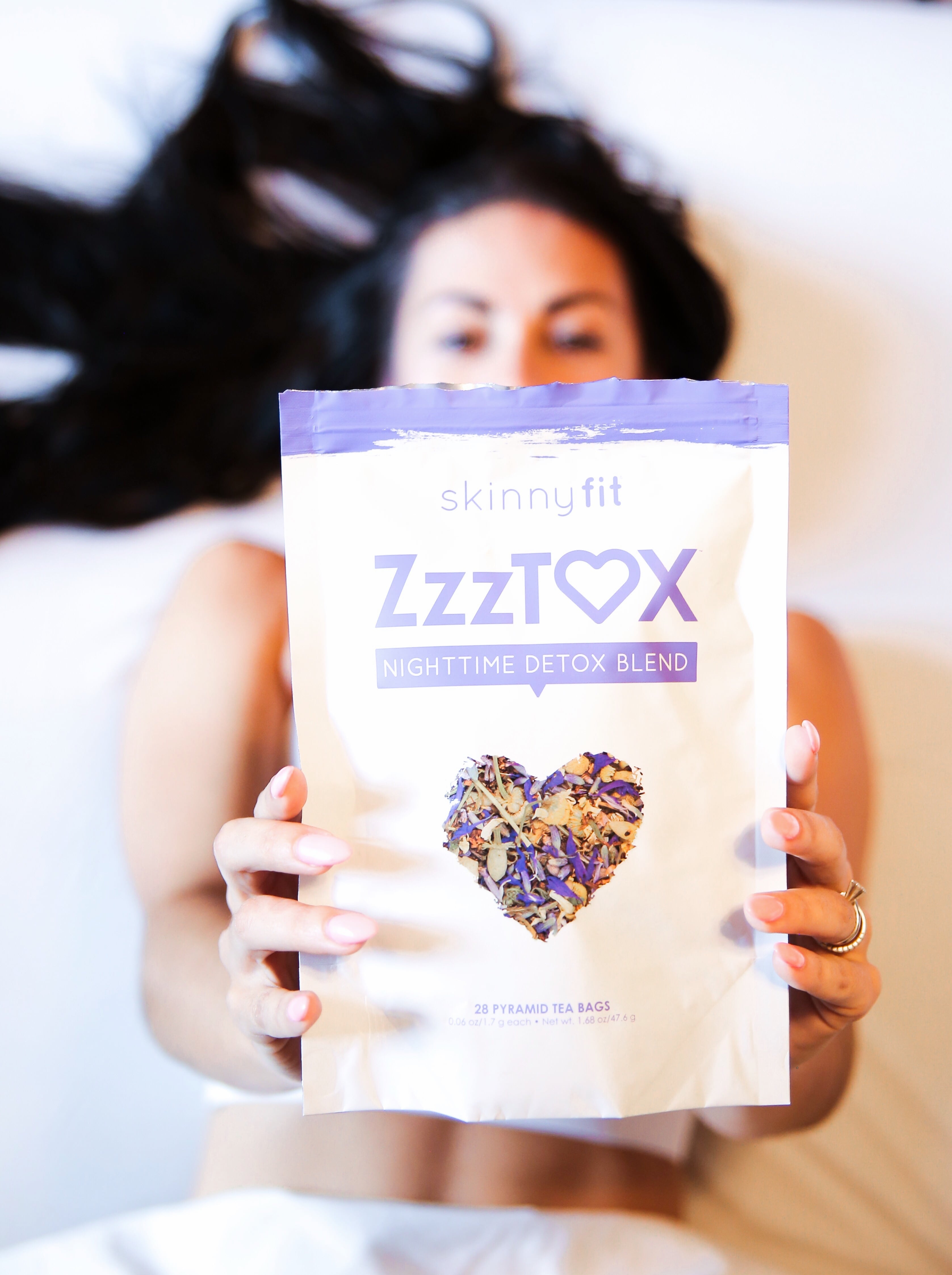
In practice, these claims are frequently associated with various weight loss gummies, teas, or unregulated herbal supplements. The primary goal of these campaigns is to leverage a perceived relatable authority figure to bypass skepticism. Consumers are often encouraged to sign up for "exclusive offers," which can lead to hidden subscription traps or the purchase of ineffective, potentially unsafe substances. It is critical to distinguish between verified medical weight management—which involves licensed professionals—and these marketing-driven digital campaigns.
Debunking Common Weight Loss Myths
To effectively evaluate health claims, one must dismantle the specific myths that frequently anchor these types of marketing strategies. By understanding how the body actually processes energy, you can avoid common pitfalls.
Myth 1: Targeted Fat Loss (Spot Reduction)
A common pillar of dubious weight loss programs is the claim that specific ingredients or routines can "burn belly fat" or "target arm fat." Physiologically, this is impossible. When the body enters a caloric deficit, it mobilizes energy from adipose tissue globally, based on genetics, hormonal factors, and total metabolic demand. There is no biological mechanism by which a supplement can signal the body to release fat from one specific anatomical region while leaving others untouched.
Myth 2: Rapid Weight Loss Without Caloric Deficit
The laws of thermodynamics apply strictly to human metabolism. To lose body mass, the body must consume fewer calories than it expends. Any product claiming to induce weight loss while allowing for unlimited caloric intake is scientifically unfounded. When people report "success" with these products, it is often due to an unintentional reduction in food intake, a temporary loss of water weight caused by diuretics, or the placebo effect.
Myth 3: Detoxifying or "Cleansing" for Weight Loss
Many viral health marketing campaigns promote "detox" products that supposedly remove "toxins" to jumpstart weight loss. In reality, the human liver and kidneys are highly efficient at filtering waste products and toxins from the blood. No supplement is required to assist these organs in their primary functions. Often, these "detox" products contain laxatives, which provide a false sense of weight loss through stool volume and water depletion, leading to dehydration rather than true fat loss.
The Role of Celebrity Endorsements in Health Marketing
The psychological effectiveness of the "Ashley Gold" brand relies heavily on the halo effect. When a consumer identifies with a face or a name, they are more likely to bypass traditional critical thinking barriers. This is a deliberate strategy in digital advertising known as "trust-transfer marketing."
Even if the individual being depicted is a real person, their endorsement rarely constitutes scientific validation. In many instances, the persona is entirely fabricated using AI-generated imagery or borrowed photos from social media to create a false sense of familiarity. When evaluating any health program, ask the following questions:
- Who is the sponsor? Research the entity behind the advertisement. Is it a reputable healthcare provider or a faceless e-commerce storefront?
- Are there peer-reviewed studies? If a product claims to have a "breakthrough" effect, it should have published, double-blind, placebo-controlled clinical trials in recognized medical journals.
- What is the return policy? Predatory programs often make it intentionally difficult to cancel recurring charges once you provide credit card information.
Comparing Scientific Weight Management vs. Marketing Trends
The table below contrasts the hallmarks of legitimate, medically supervised weight loss against the common characteristics found in unregulated "miracle" product campaigns.
| Feature | Medically Supervised Programs | Unregulated Viral Programs |
|---|---|---|
| Primary Driver | Caloric deficit and macronutrient balance | "Secret" ingredients or supplements |
| Expectations | Gradual (0.5–2 lbs per week) | Rapid (10+ lbs per week) |
| Evidence Basis | Peer-reviewed clinical studies | Anecdotal testimonials and fake news |
| Safety Monitoring | Blood work and health assessments | None (often undisclosed ingredients) |
| Sustainability | Behavioral change and lifestyle habits | Short-term reliance on a product |
Potential Risks of Unregulated Supplements
Choosing to follow a program like the one attributed to Ashley Gold involves significant physical and financial risks. Unregulated supplements—particularly those sold online—often bypass the rigorous safety testing required by organizations such as the U.S. Food and Drug Administration (FDA) for pharmaceuticals.
- Contamination: Testing has frequently revealed that weight loss supplements contain hidden, potent ingredients like undeclared stimulants (e.g., caffeine anhydrous, synephrine) or prescription drugs that carry severe side effects, including heart palpitations and high blood pressure.
- Interactions: If you are currently taking prescribed medication, unregulated supplements can trigger dangerous interactions. Always consult with a primary care physician before adding any new substance to your routine.
- Financial Exploitation: Many of these websites operate on a "free trial" model that automatically upgrades to a high-cost, monthly recurring subscription. Disputing these charges can be time-consuming and often unsuccessful if the terms of service were buried in fine print.
Establishing a Sustainable Path Forward
If your goal is sustainable weight management, the focus should always be on evidence-based practices rather than short-lived trends. Professional guidance from a Registered Dietitian (RD) or a physician who specializes in bariatric medicine is the gold standard for success.
- Focus on Nutrient Density: Prioritize whole foods, lean proteins, vegetables, and fiber-rich grains. These sustain satiety levels far better than processed supplements.
- Monitor Your Baseline: Use objective measures like waist-to-hip ratio, body composition analysis, and metabolic blood panels rather than relying solely on a bathroom scale.
- Consult Experts: If you feel the need for pharmaceutical intervention, discuss modern, FDA-approved weight management therapies with a board-certified endocrinologist.
- Practice Critical Skepticism: If an online claim sounds too good to be true, it is almost certainly a marketing fabrication. Legitimate health advice is rarely "secretive" and never requires a bypass of medical professional oversight.
Frequently Asked Questions (FAQ)
Is there a legitimate Ashley Gold weight loss supplement?
No. There is no evidence supporting the existence of a scientifically validated "Ashley Gold" weight loss product. These campaigns typically use the name as a hook to sell generic, white-label supplements that have no clinical efficacy.
Can gummies or teas cause actual fat loss?
No. No tea or gummy supplement has been proven to "melt" fat. While some ingredients (like high doses of caffeine or specific fibers) might temporarily affect appetite or metabolism, the effect is statistically negligible compared to the impact of long-term dietary and lifestyle adjustments.
What should I do if I already purchased an "Ashley Gold" product?
If you provided credit card information, monitor your statements immediately. Contact your bank to report unauthorized or predatory charges and request a stop-payment on future transactions. Do not consume the product, as its ingredients remain unverified and potentially unsafe.
How can I distinguish between fake and real health news?
Look for citations to reputable scientific journals (e.g., PubMed, The Lancet). If an article uses inflammatory language, promises "overnight" results, or links directly to a checkout page rather than a health resource, treat it as a commercial advertisement rather than journalistic reporting.
Is rapid weight loss ever safe?
Generally, no. Rapid weight loss often results in the loss of lean muscle mass and water weight, which decreases metabolic rate and sets the stage for rapid regain. Sustainable, safe weight loss is typically defined by health organizations as one to two pounds per week.
Next Actions
If you are looking to lose weight safely, start by scheduling a comprehensive physical examination with your primary care provider. Request a referral to a Registered Dietitian who can help you craft a personalized nutrition plan based on your unique metabolic needs and activity level. Avoid any "secret formula" programs advertised through social media, as they prioritize profit margins over your long-term metabolic health.