Exploring the art in Buenos Aires—the vibrant scene that defines this cosmopolitan capital—requires a strategic approach to balancing historic institutions with cutting-edge contemporary galleries. Visitors can engage with the city’s rich cultural legacy by focusing on key districts like Palermo, Recoleta, and San Telmo, ensuring a comprehensive experience of Argentina’s most influential creative hubs.
The Cultural Landscape of Buenos Aires
Buenos Aires has long been recognized as the cultural epicenter of South America. Its art scene is a dense, multilayered fabric that spans the opulent, European-inspired architecture of the early 20th century to the raw, experimental energy of modern street art and independent galleries. Understanding this scene requires recognizing that it is not centralized; rather, it thrives in distinct neighborhoods, each offering a different facet of the city's creative output.
The "vibrant scene" is characterized by a high degree of accessibility, where high-end art fairs coexist with community-driven street murals. For the visitor, this means the city is best navigated by prioritizing geography. Because Buenos Aires is expansive, attempting to cover both the classical collections of Recoleta and the avant-garde spaces of Chacarita in a single day is inefficient. Instead, successful exploration relies on mapping out specific circuits that align with your aesthetic interests.
Institutional Anchors: The Major Museums
To understand the foundations of Argentine art, one must start with the major institutions. These museums provide the necessary context to appreciate the contemporary work found in smaller galleries.
Museo Nacional de Bellas Artes (MNBA)
Located in the Recoleta district, the MNBA houses the most significant collection of international and Argentine art in the country. Its permanent collection is essential for understanding the transition from 19th-century academic painting to the modernist movements that gained traction in Argentina in the early 20th century. When visiting, allocate at least three hours, as the scale of the collection, particularly the Argentine section, requires focused attention to grasp the local historical nuances.
Museo de Arte Latinoamericano de Buenos Aires (MALBA)
MALBA serves as the primary gateway to 20th and 21st-century Latin American art. Unlike the encyclopedic approach of the MNBA, MALBA focuses specifically on the regional identity, featuring works by icons like Frida Kahlo, Tarsila do Amaral, and Jorge de la Vega. The building itself is a point of interest, representing contemporary Argentine architecture. Its exhibitions often include international collaborations, making it a reliable bellwether for global trends in South American art.
The Contemporary Circuit: Galleries and Independent Spaces
Moving beyond the institutions, the true "vibrant scene" resides in the commercial galleries and independent artist-run spaces. These locations are where the most immediate and challenging dialogues in the art world are taking place.
Palermo and Villa Crespo
Palermo and its adjacent neighborhood, Villa Crespo, function as the primary commercial engines of the contemporary market. Many galleries here operate on an "appointment-by-chance" basis, though most are open to the public during standard business hours. These spaces represent the vanguard of the market, focusing on mid-career and emerging artists who often use unconventional mediums, including digital installation, textile art, and performance.
San Telmo’s Traditional Charm
While often associated with antique shops and colonial history, San Telmo also houses significant independent art spaces. The juxtaposition here is distinct: you might find a high-concept conceptual photography exhibition housed in a building that dates back to the late 1800s. This area is ideal for those who prefer an immersive, historical atmosphere while engaging with modern creative expressions.
Strategic Navigation and Practical Considerations
Navigating the art scene effectively requires preparation, particularly regarding hours and logistics. Unlike some global art capitals where museum hours are standardized, Buenos Aires operates on a slightly different rhythm.
Operational Hours and Planning
- Museums: Generally closed on Mondays. Most have extended hours on weekends, which is the best time for casual viewing.
- Galleries: Independent galleries frequently close on Mondays and may have sporadic hours during the summer (January and February) when many local curators take their holidays. Always verify current exhibition dates on the gallery’s official website or social media channels before transit.
- The "Gallery Weekend" Concept: Keep an eye out for events like Gallery Days or local art weeks, which often involve coordinated late-night openings across various districts. These are the most effective times to experience the density of the scene.
Financial Transactions and Access
Most public museums in Buenos Aires charge a nominal entrance fee for international visitors, while smaller private galleries are typically free of charge. In 2026, it is highly recommended to carry a mix of payment methods. While major institutions accept credit and debit cards, some independent, smaller spaces may still prefer cash (Argentine Pesos) for small catalog purchases or entry fees. Always confirm if an exhibition requires a pre-booked time slot, as this has become more common for major temporary shows to manage flow.
Comparative Overview of Art Districts
| Neighborhood | Primary Character | Best For | Accessibility |
|---|---|---|---|
| Recoleta | Academic and Classic | Established Masters | High |
| Palermo | Trendy and Modern | Emerging Contemporary | High |
| Villa Crespo | Experimental and Edgy | Niche/Avant-Garde | Moderate |
| San Telmo | Historical and Bohemic | Mixed Media/Antiques | Moderate |
Street Art and Muralism
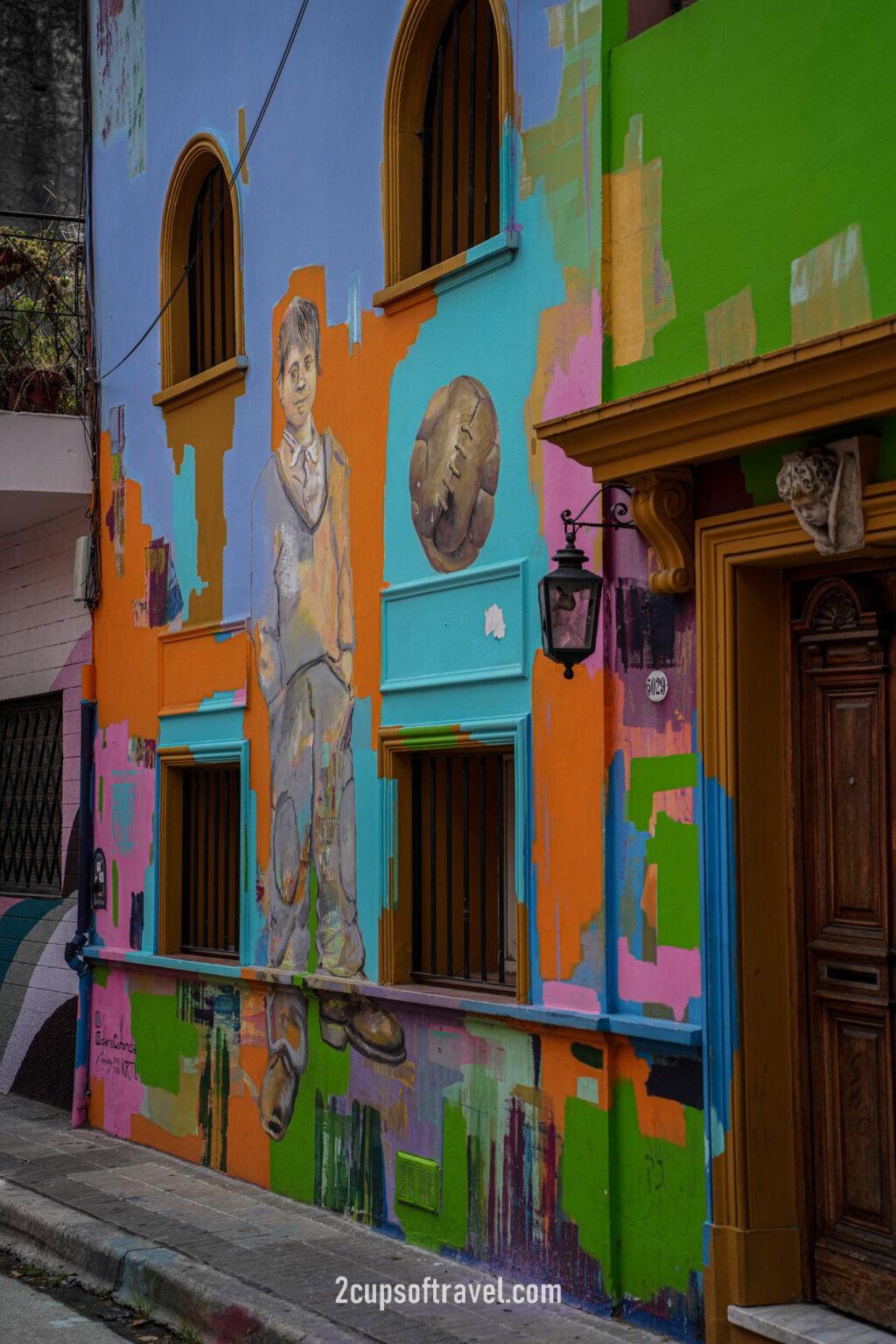
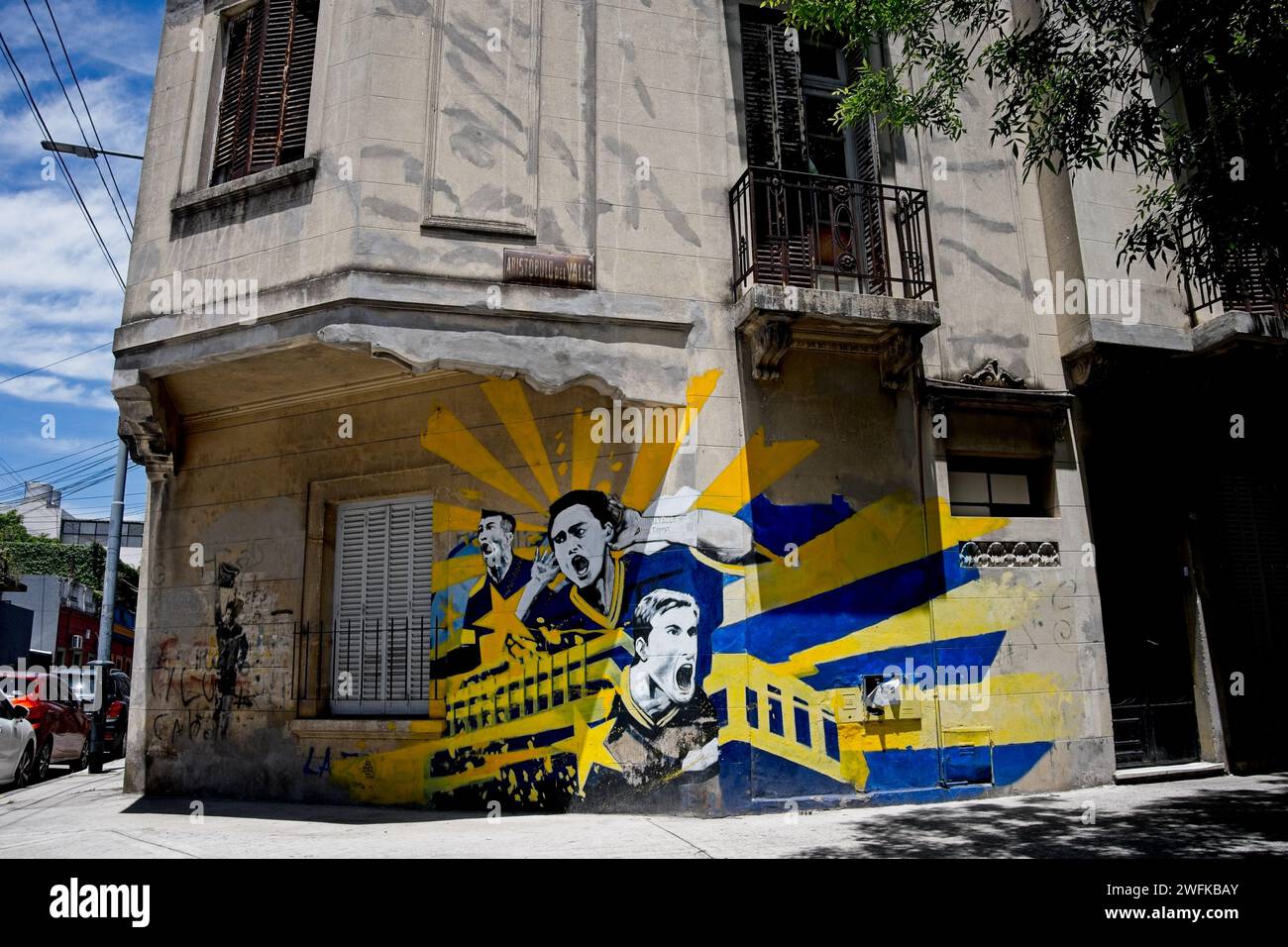
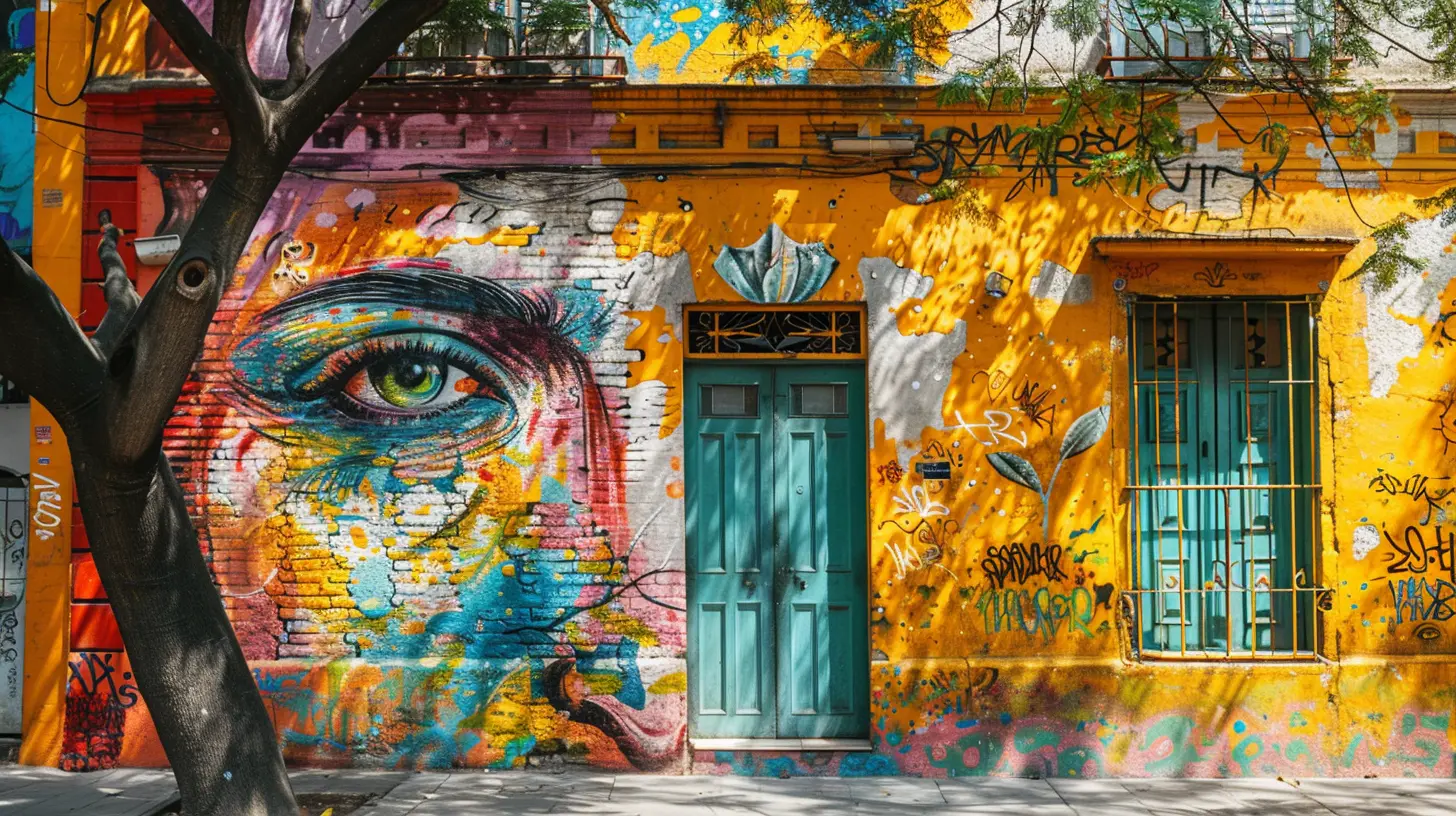
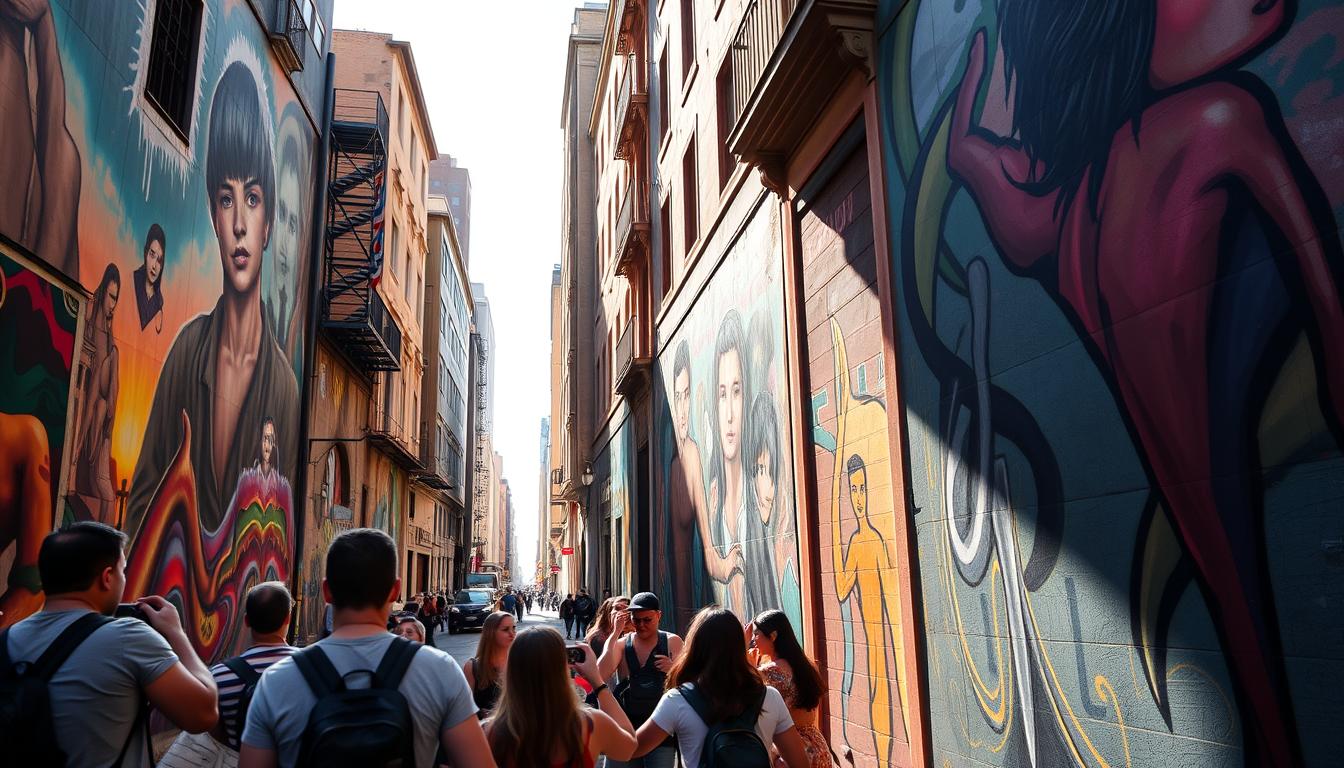
The vibrancy of the Buenos Aires art scene extends beyond walls and galleries into the public sphere. The city has a long history of muralism, which has evolved into a sophisticated practice. The neighborhoods of Colegiales and Barracas are particularly noteworthy for their large-scale murals commissioned by local councils and independent groups. Unlike gallery-based art, this scene is accessible 24/7. Engaging with the mural culture provides a stark contrast to the quiet, curated silence of the museums, reflecting the chaotic, energetic spirit of the city.
Frequently Asked Questions
Is it necessary to hire a guide to navigate the art scene?
Not necessarily. While a professional art tour can provide deep historical context and access to private studios, the city’s art infrastructure is well-documented. If you are comfortable using map applications and reading basic exhibition listings, you can navigate the major hubs independently.
Are there specific times of the year to avoid?
January and February constitute the height of the summer and the primary vacation period for Argentina. During these months, many independent galleries close for the season. If your primary goal is to see a broad cross-section of the scene, visit between March and November.
How do I purchase art as a visitor?
Buying art in Buenos Aires is accessible, but it involves logistical considerations regarding shipping. Most established galleries are experienced in handling international exports and can advise on customs procedures. Always ensure you receive a certificate of authenticity with your purchase.
Can I visit all major museums in one day?
It is not recommended. The major museums are geographically dispersed and require significant transit time. Attempting to visit more than two major museums in a day will likely lead to "museum fatigue," where the quality of your engagement with the work diminishes.
What is the best way to keep track of current exhibitions?
The most reliable methods are checking the digital listings of major newspapers' culture sections or the websites of the individual art institutions. Avoid generic "top list" articles that are not dated, as exhibition cycles move quickly.
Are children welcome in these spaces?
Most museums and galleries are family-friendly, though quiet demeanor is expected. Some contemporary art spaces in Villa Crespo may feature provocative material, so it is advisable to check the exhibition's content warning on the gallery’s website beforehand.
Next Actions for Your Visit
To ensure your experience is successful, begin by identifying which artistic movement or era interests you most. If you prefer modern classics, spend your first day in Recoleta and devote the following day to a walking tour of the Palermo gallery circuit. Before arriving, check the official websites of the Museo Nacional de Bellas Artes and the Museo de Arte Latinoamericano de Buenos Aires to align their current temporary exhibitions with your schedule. By balancing these large institutions with the fluid, ever-changing nature of the independent gallery scene, you will capture the true vitality of Buenos Aires.