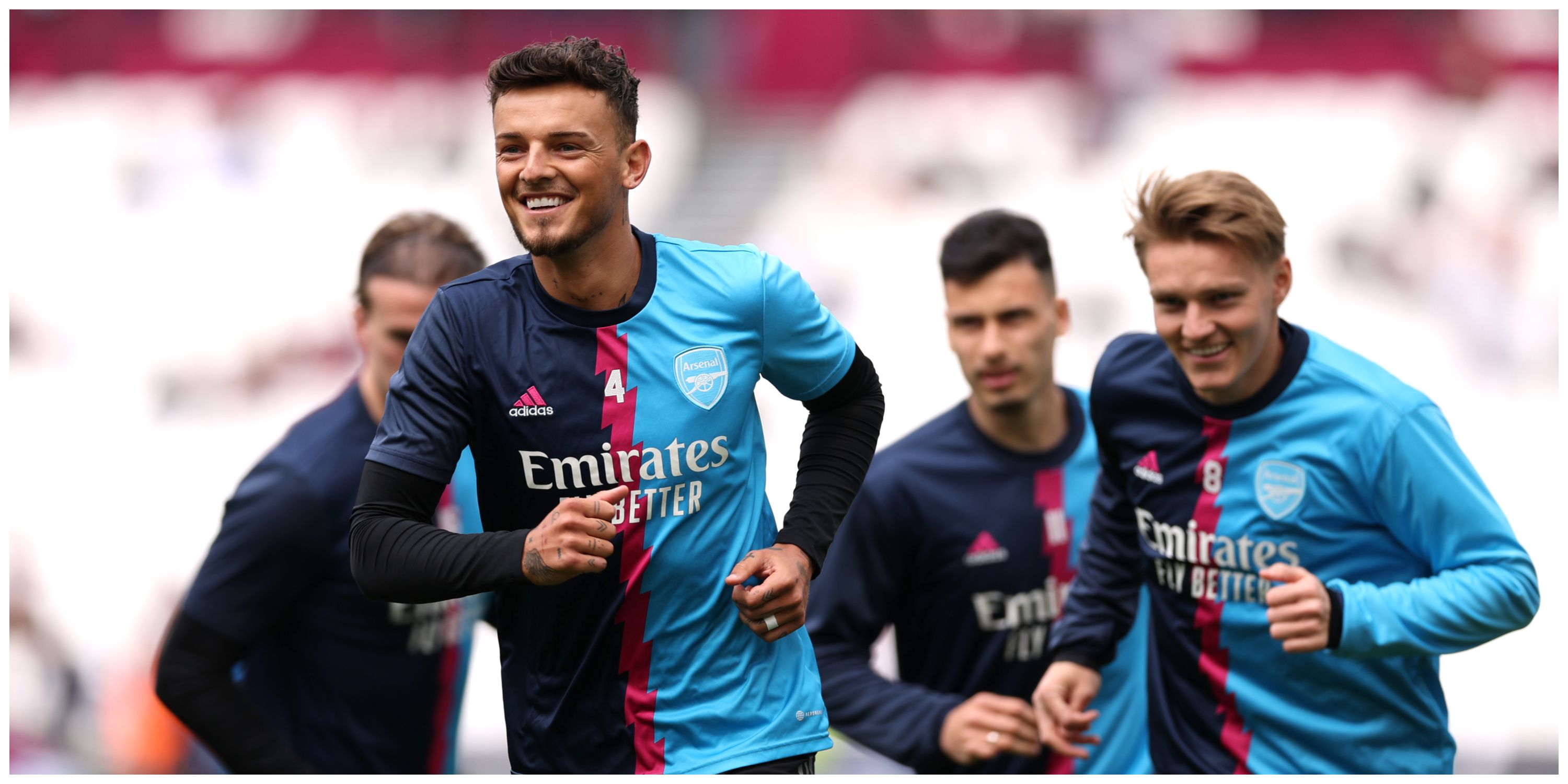
In 2017, the Arsenal squad navigated a pivotal period marked by the club's 13th FA Cup title and a historic departure from the Premier League's top four. Under manager Arsène Wenger, the roster featured elite talents like Alexis Sánchez and Mesut Özil, while integrating record-signing Alexandre Lacazette during a year of significant tactical experimentation.
The year 2017 remains one of the most polarizing chapters in the modern history of Arsenal Football Club. It was a calendar year that began with the pursuit of Champions League football, peaked with a record-breaking domestic trophy at Wembley, and concluded with the growing realization that the two-decade tenure of Arsène Wenger was nearing its end. To understand the Arsenal squad of 2017 is to understand a team caught between its glorious past and an uncertain future, boasting world-class individual brilliance while struggling for defensive consistency.
The 2016-17 Season Finale: FA Cup Glory and Tactical Shifts
The first half of 2017 saw Arsenal battling internal and external pressures. After a disastrous Champions League exit at the hands of Bayern Munich, Wenger made a radical tactical change that would define the squad's identity for the remainder of the year.
The Shift to the Back Three
In April 2017, Wenger abandoned his traditional 4-2-3-1 formation in favor of a 3-4-2-1 system. This was largely a response to a 3-0 defeat against Crystal Palace. The shift saw players like Laurent Koscielny, Shkodran Mustafi, and Nacho Monreal form a defensive trio, while wing-backs Hector Bellerín and Alex Oxlade-Chamberlain were given more license to roam.
This tactical pivot rejuvenated the squad, leading to a late-season surge. The pinnacle of this era was the 2017 FA Cup Final, where a depleted Arsenal defense—featuring a heroic performance by Per Mertesacker in his only start of the season—defeated Chelsea 2-1. This victory made Wenger the most successful manager in the competition's history and provided a silver lining to a season where the club finished 5th in the Premier League, missing Champions League qualification for the first time since 1996.
The 2017 Summer Transfer Window: Record Signings and Departures
As the squad transitioned into the 2017-18 season, the recruitment strategy focused on adding clinical finishing and physical presence. The 2017 summer window was a turning point for the club’s wage bill and squad depth.
Key Arrivals
- Alexandre Lacazette: Signed from Lyon for a then-club-record fee of approximately £46.5 million. Lacazette was brought in to provide the consistent goal-scoring threat that the team had lacked since the departure of Robin van Persie.
- Sead Kolašinac: Arriving on a free transfer from Schalke 04, "The Tank" brought a physical edge to the left wing-back position, immediately endearing himself to fans with a goal in the Community Shield.
Notable Departures
The squad also saw the exit of several long-serving players. Wojciech Szczęsny moved permanently to Juventus, while Gabriel Paulista joined Valencia. Most significantly, Alex Oxlade-Chamberlain moved to Liverpool in the final days of the window, a move that signaled the growing unrest among the squad's British core regarding the club's direction. Kieran Gibbs also departed for West Bromwich Albion, ending a decade-long association with the Gunners.
Key Player Profiles and Performance Analysis
The 2017 Arsenal squad was built around a handful of "talismanic" figures whose performances often dictated the team's results.
The Creative Engine: Mesut Özil and Alexis Sánchez
Throughout 2017, the "contract saga" involving Özil and Sánchez loomed over the Emirates Stadium. Despite the off-field distractions, their on-field impact was undeniable. Sánchez was the team’s primary engine, ending the 2016-17 campaign with 30 goals in all competitions. His work rate and ability to produce moments of individual magic were essential.
Özil, meanwhile, remained the primary playmaker. While critics often pointed to his perceived lack of defensive effort, his vision and "pre-assist" metrics remained elite. In the 3-4-2-1 system, both players operated as twin "number 10s" behind a lone striker, a setup that allowed them to drift into half-spaces and exploit defensive gaps.
The Midfield Conundrum
The absence of Santi Cazorla was perhaps the most significant factor affecting the squad in 2017. Following a severe Achilles injury in late 2016, Cazorla did not play a single minute in 2017. This forced a heavy reliance on Granit Xhaka and Aaron Ramsey. Xhaka provided passing range but struggled with disciplinary issues and pace, while Ramsey’s late runs into the box remained a vital source of goals, including the winner in the FA Cup Final.
Defensive Stability and Petr Čech
In goal, Petr Čech remained the undisputed number one. While his reflexes were naturally slowing with age, his leadership was vital for a backline that often lacked communication. The emergence of Rob Holding as a viable center-back option was a highlight of 2017, particularly his composed performance against Diego Costa in the FA Cup Final.
Arsenal Squad 2017: Detailed Player Roles and Statistics
The following table outlines the primary squad members during the 2017 calendar year, spanning the end of the 16/17 season and the start of the 17/18 campaign.
| Player | Position | Key Attribute | 2017 Impact Level |
|---|---|---|---|
| Petr Čech | Goalkeeper | Experience/Positioning | High - Mainstay in goal |
| Laurent Koscielny | Center-Back | Recovery Pace/Tackling | High - Defensive leader |
| Shkodran Mustafi | Center-Back | Aggression/Interceptions | Moderate - Inconsistent |
| Nacho Monreal | LB/CB | Versatility/Reliability | High - Adapted well to back three |
| Hector Bellerín | Right Wing-Back | Speed/Overlapping | Moderate - Struggled with minor injuries |
| Sead Kolašinac | Left Wing-Back | Physicality/Strength | Moderate - Strong start to 17/18 |
| Granit Xhaka | Central Midfield | Long-range Passing | High - Controlled tempo |
| Aaron Ramsey | Central Midfield | Box-to-box movement | High - Cup final hero |
| Mesut Özil | Attacking Midfield | Vision/Passing | High - Primary creator |
| Alexis Sánchez | Forward/Winger | Finishing/Dribbling | Very High - Top scorer |
| Alexandre Lacazette | Striker | Clinical Finishing | Moderate - Integrated in late 2017 |
| Olivier Giroud | Striker | Aerial Ability/Hold-up | Moderate - Transitioned to "Super Sub" |
| Theo Walcott | Winger/Forward | Pace | Low - Minutes declined in late 2017 |
| Danny Welbeck | Forward | Work Rate/Pressing | Moderate - Valuable rotation option |
Tactical Evolution: From 4-2-3-1 to 3-4-2-1
Arsenal's tactical identity in 2017 was a tale of two halves. For years, Wenger was criticized for being tactically rigid, rarely deviating from a 4-2-3-1 or 4-3-3. The shift to a three-man defense in 2017 was his most significant tactical adjustment in over a decade.
Pros of the 3-4-2-1
- Wing-back Width: It allowed Bellerín and Oxlade-Chamberlain (or later Kolašinac) to push high, stretching opposing defenses.
- Central Compactness: Having three center-backs provided more cover for Granit Xhaka, who often struggled when isolated in a two-man midfield.
- Freedom for Stars: Sánchez and Özil were freed from defensive tracking duties on the wings, allowing them to stay closer to the goal.
Cons and Limitations
- System Familiarity: Many players, particularly Mustafi, struggled with the positioning required in a back three, leading to "lapses in concentration" that resulted in cheap goals.
- The Cazorla Gap: No formation could fully compensate for the lack of a press-resistant dribbler in the middle of the park. Teams that pressed Arsenal high often found success in 2017 by cutting off the passing lanes from the center-backs to the wing-backs.
The Financial and Strategic Context of 2017
In 2026, looking back at the financial records of 2017, we see a club attempting to balance the "Self-Sustaining Model" with the skyrocketing prices of the global transfer market. The signing of Lacazette was a statement of intent, but it was also the year Arsenal began to lose its best players to rivals or allow contracts to run down.
The decision to give Arsène Wenger a new two-year contract in May 2017, despite missing out on the Champions League, was a defining moment for the board. It prioritized stability over the radical overhaul many fans were demanding. This decision influenced the squad's psychology, creating an atmosphere of "one last ride" for many of the veteran players.
Frequently Asked Questions
Who was Arsenal's top scorer in 2017?
Alexis Sánchez was the top scorer for the 2016-17 season with 30 goals. In the calendar year of 2017, he continued to lead the charts until his eventual departure in January 2018. Alexandre Lacazette took over the mantle in the latter half of the year, scoring 8 goals in his first 18 Premier League appearances.
Why did Arsenal finish 5th in 2017?
Despite winning 75 points—a total that would have secured Champions League football in many other seasons—Arsenal finished 5th due to a period of poor form in February and March. Losses to Chelsea, Liverpool, and West Brom during this window created a gap that even a late-season run of 7 wins in 8 matches could not close.
What happened to Santi Cazorla in 2017?
Santi Cazorla suffered a catastrophic Achilles tendon injury in October 2016. Throughout 2017, he underwent multiple surgeries, one of which resulted in a serious infection that almost cost him his foot. He did not play for Arsenal again and eventually moved to Villarreal in 2018.
Did Arsenal win any trophies in 2017?
Yes, Arsenal won two trophies in 2017. They won the FA Cup in May 2017 by defeating Chelsea 2-1 at Wembley Stadium. They also won the FA Community Shield in August 2017, again defeating Chelsea, this time on penalties after a 1-1 draw in regulation time.
Which young players broke into the Arsenal squad in 2017?
The most notable breakthrough was Rob Holding, who became a regular starter in the three-man defense. Ainsley Maitland-Niles also began to see significant minutes as a versatile wing-back and midfielder, while Reiss Nelson made his first-team debut in the Europa League during the 2017-18 season.
Final Recommendation for Historians and Fans
For those analyzing the Arsenal squad of 2017 from the vantage point of 2026, it is essential to view the team not just through the lens of their 5th-place finish, but as a group that achieved a historic cup double over the league champions (Chelsea).
To get the most out of studying this era, focus on the tactical transition between April and May 2017. It serves as a masterclass in how a veteran manager can reinvent a squad's defensive shape to mask individual weaknesses. For fans of individual brilliance, the 2017 highlights of Alexis Sánchez remain some of the finest individual performances in the Emirates era. However, the squad also serves as a cautionary tale about the importance of contract management and the difficulty of replacing a central "metronome" like Santi Cazorla.