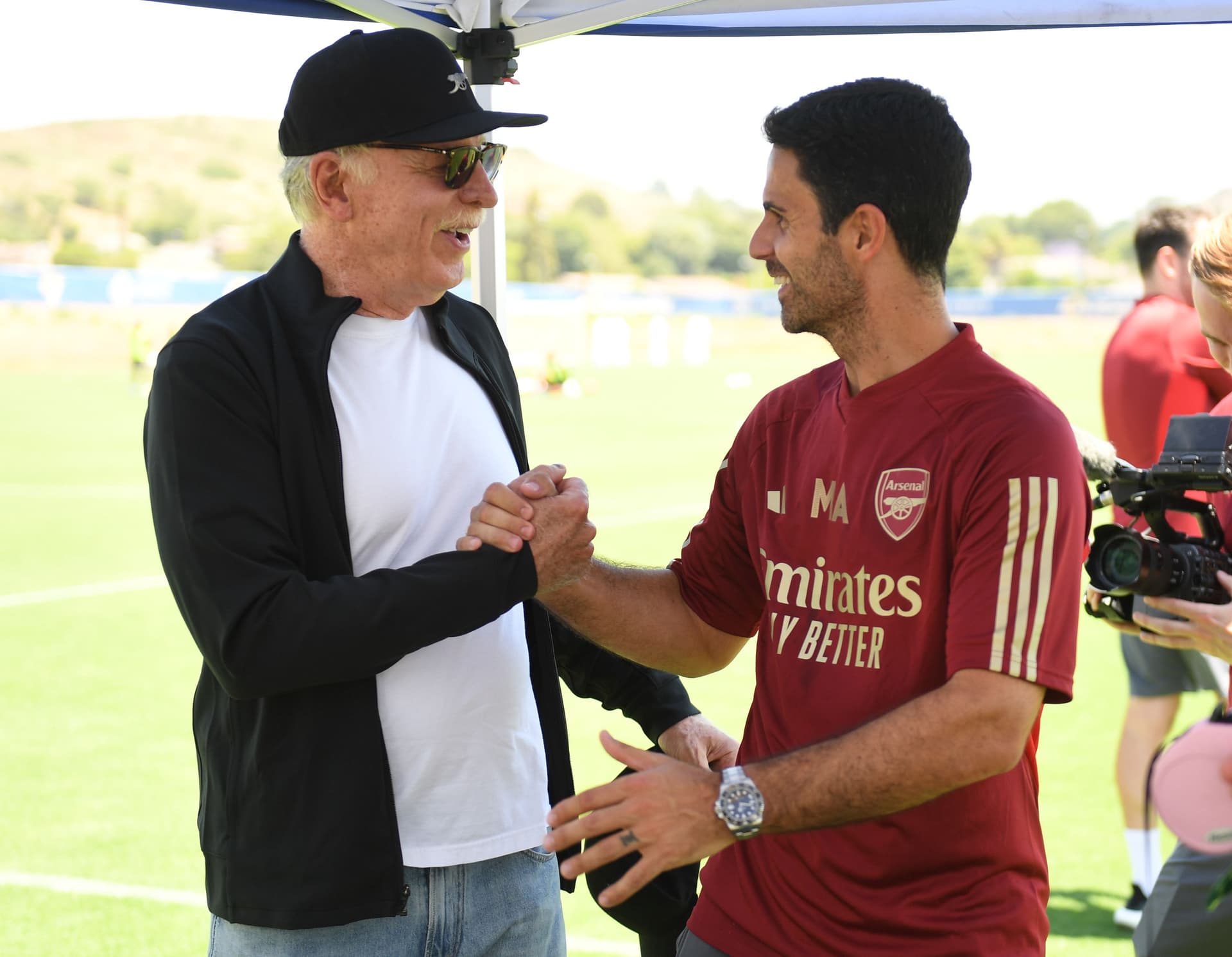
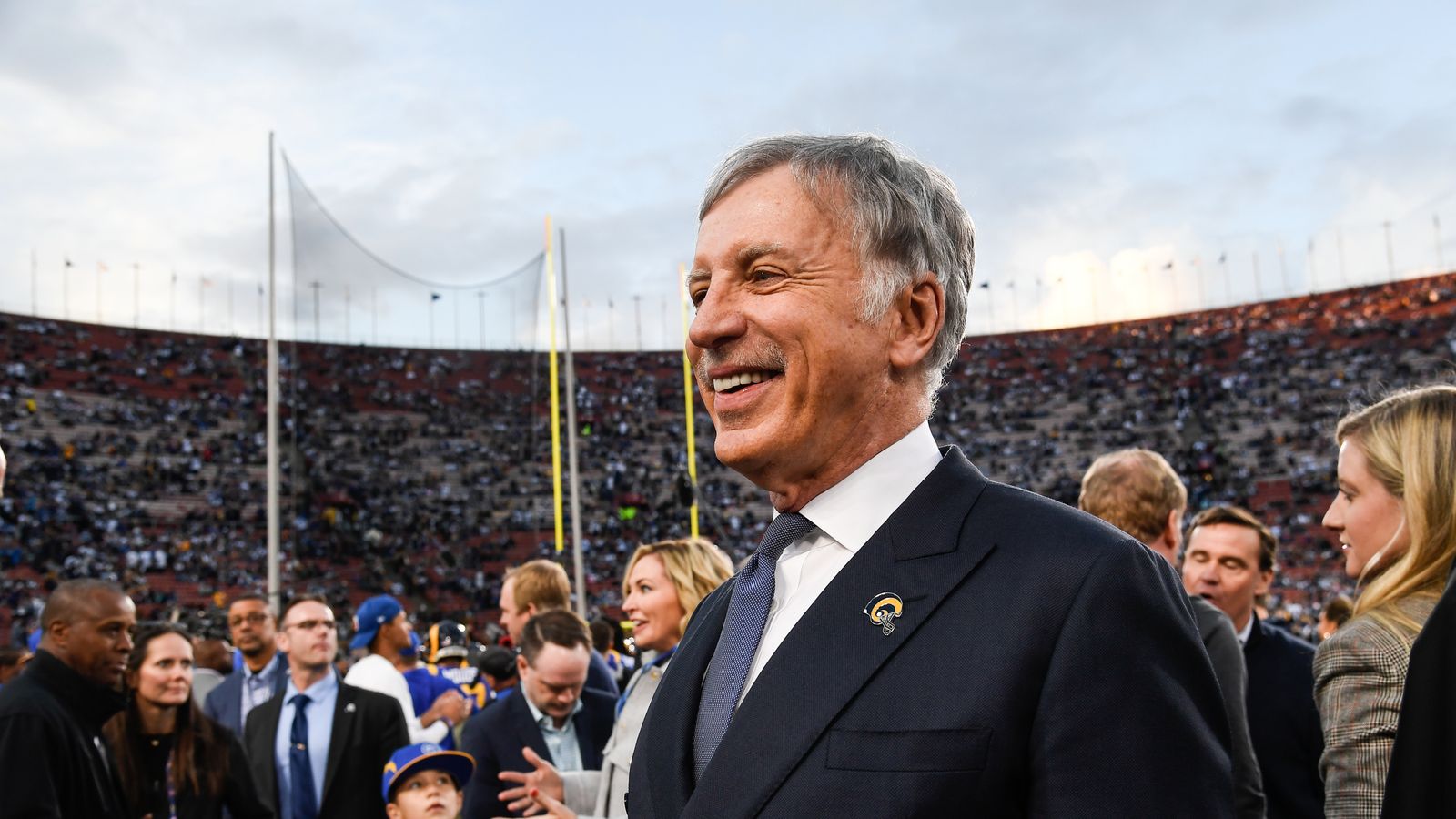
Stan Kroenke holds 100% ownership of Arsenal Football Club through his company, Kroenke Sports & Entertainment (KSE). Since acquiring full control in 2018, Kroenke has transitioned the club from a publicly traded entity to a private asset, significantly increasing direct investment in the playing squad while integrating the club into a global multi-sport portfolio.
The Evolution of Ownership: From Shareholder to Sole Proprietor
The story of how Stan Kroenke holds the club is one of patient, incremental acquisition. Unlike the rapid takeovers seen at other Premier League clubs, Kroenke’s journey with Arsenal spanned over a decade. His initial entry into the club occurred in April 2007, when he purchased a 9.9% stake from ITV plc. At the time, Arsenal’s board was famously resistant to outside "tycoons," but the landscape of English football was shifting toward billionaire investment.
By 2011, Kroenke had increased his shareholding to 62.89%, surpassing the threshold that required a formal takeover bid. However, for several years, he remained a majority shareholder alongside Alisher Usmanov, who held approximately 30%. This "Cold War" era of ownership was characterized by a lack of capital injection, as the club operated on a strict self-sustaining model to avoid internal conflict between the two primary owners.
The definitive shift occurred in August 2018. Kroenke launched a buyout of Usmanov’s shares, valuing the club at approximately £1.8 billion. By acquiring these shares and subsequently squeezing out small-scale minority shareholders (many of whom were lifelong fans), Kroenke took the club private. In 2026, this private status remains the cornerstone of how the club is governed, allowing KSE to make financial decisions without the scrutiny of public annual general meetings.
The KSE Business Model: How Kroenke Holds and Operates the Club
Stan Kroenke does not hold Arsenal as an isolated hobby; it is a vital cog in the Kroenke Sports & Entertainment (KSE) machinery. Based in Denver, Colorado, KSE is one of the world's largest sports conglomerates, owning the Los Angeles Rams (NFL), Denver Nuggets (NBA), Colorado Avalanche (NHL), and Colorado Rapids (MLS).
Cross-Sport Synergy and Management
In 2026, the "Kroenke Model" is defined by cross-pollination. The ownership uses data analytics, sports science, and commercial strategies refined in US leagues to enhance Arsenal’s operations. This is managed primarily through a streamlined leadership structure. While Stan Kroenke remains the ultimate authority, his son, Josh Kroenke, has taken on the role of Executive Vice Chair and is the primary liaison between the London-based club and the US-based parent company.
The Private Ownership Advantage
By taking Arsenal private in 2018, KSE removed the requirement to publish detailed quarterly financial reports to the London Stock Exchange. While they still file accounts with Companies House, the move allowed for more agile financial maneuvering. Specifically, it enabled KSE to provide direct loans and guarantees to the club, which were previously restricted by the fractured board room of the early 2010s.
Financial Restructuring and the End of the "Self-Sustaining" Era
For years, Arsenal fans criticized the "self-sustaining" model, which dictated that the club could only spend what it earned. This often left the Gunners at a disadvantage against state-backed or high-spending private owners. However, the period between 2020 and 2026 marked a significant departure from this policy.
Debt Refinancing of 2020
A pivotal moment in Kroenke’s ownership was the refinancing of the debt associated with the construction of the Emirates Stadium. In mid-2020, Arsenal redeemed the stadium bonds, which were restrictive and required high cash reserves. KSE stepped in to provide a loan to cover this debt. This move significantly improved the club's cash flow, as the interest rates provided by KSE were more favorable than the commercial bond market, and the strict "reserve fund" requirements were eliminated.
Aggressive Transfer Investment
Since 2021, Arsenal has consistently been among the highest spenders in European football. This investment was a calculated risk by Kroenke to return the club to the UEFA Champions League, where the revenue potential is exponentially higher. By 2026, this strategy has solidified Arsenal’s position as a title contender, proving that KSE is willing to leverage its own balance sheet to ensure the club’s competitive viability.
Infrastructure and Long-Term Assets
Stan Kroenke’s ownership is as much about real estate as it is about football. The "holding" of the club includes significant physical assets that have seen continuous investment under KSE’s watch.
- The Emirates Stadium: As of 2026, the stadium remains one of the most technologically advanced in the UK. KSE has focused on "premiumization"—upgrading hospitality suites and digital infrastructure to maximize match-day revenue.
- Sobha Realty Training Centre: Formerly known as London Colney, the training ground has undergone multiple phases of renovation. Under Kroenke, the facility has integrated advanced medical and recovery wings to rival the best in the NFL and NBA.
- Hale End Academy: Recognizing the financial and cultural value of "homegrown" talent, KSE has funneled millions into the youth academy. This has resulted in a pipeline of talent that either populates the first team or generates pure profit through player sales.
Comparative Ownership: Arsenal vs. The Premier League Elite
To understand the scale of Kroenke’s hold on Arsenal, it is helpful to compare his model with other major Premier League ownership structures as they exist in 2026.
| Feature | KSE (Arsenal) | FSG (Liverpool) | City Football Group (Man City) | Todd Boehly/Clearlake (Chelsea) |
|---|---|---|---|---|
| Ownership Type | Private/Family | Private/Investment Group | Multi-club/State-backed | Private Equity/Consortium |
| Governance Style | Centralized (Josh Kroenke) | Data-driven/Hands-off | Hierarchical/Corporate | High-intervention/Consortium |
| Financial Strategy | Debt Refinancing/Owner Loans | Self-sustaining/Growth | Global Sponsorship/State Equity | High-volume Capital Injection |
| Asset Focus | Stadium & Multi-sport | Stadium Expansion | Global Network/Academy | Youth Recruitment/Portfolio |
The Role of Josh Kroenke: The Modern Face of KSE
If Stan Kroenke is the architect of the holding, Josh Kroenke is the site manager. His involvement increased significantly following the European Super League (ESL) controversy in 2021. The backlash from fans led to a realization that the "Silent Stan" approach was no longer tenable in the English cultural context.
In 2026, Josh Kroenke is a frequent presence at the Emirates Stadium and the training ground. He has been credited with bridge-building between the fans and the board. His role involves:
- Strategic Alignment: Ensuring the manager (Mikel Arteta) and the Sporting Director have the resources needed to execute long-term cycles.
- Commercial Growth: Leveraging KSE’s US connections to secure lucrative sponsorships, such as the continued partnership with Emirates and various Silicon Valley-based technology partners.
- Cultural Oversight: Moving away from the "corporate" feel of the early 2010s toward a more football-centric identity.
Challenges and Profit and Sustainability Rules (PSR)
Despite the financial might of KSE, Stan Kroenke’s hold on the club is subject to the Premier League’s Profit and Sustainability Rules (PSR) and UEFA’s Financial Sustainability Regulations. In 2026, these rules are stricter than ever.
KSE cannot simply inject unlimited cash into the club without violating "fair market value" rules regarding sponsorships. Therefore, the challenge for Kroenke is to ensure Arsenal remains profitable while staying competitive. This is achieved through:
- Player Trading: Successfully selling academy graduates and fringe players for high fees to balance the books.
- Commercial Innovation: Expanding the Arsenal brand in North America and Asia through pre-season tours and digital content.
- Operational Efficiency: Utilizing KSE’s shared services (legal, marketing, and logistics) to reduce the club’s overhead costs.
FAQs About Stan Kroenke’s Ownership
Does Stan Kroenke own 100% of Arsenal?
Yes, as of 2026, Stan Kroenke owns 100% of Arsenal Football Club through Kroenke Sports & Entertainment (KSE). He moved to full ownership in August 2018 after purchasing Alisher Usmanov’s 30% stake and subsequently acquiring the remaining minority shares from individual fans and small investors.
How much is Arsenal worth under Kroenke's ownership?
In 2026, market valuations for Arsenal fluctuate, but the club is generally valued between £3.5 billion and £4.2 billion. This valuation has increased significantly since the 2018 buyout, driven by the Premier League's global media rights growth and Arsenal’s return to consistent Champions League participation.
Why was Kroenke called "Silent Stan"?
The nickname "Silent Stan" was coined due to his rare public appearances and limited communication with fans and the media during the first decade of his involvement. However, since 2021, the ownership—primarily through Josh Kroenke—has become more communicative and visible in the club’s daily operations and fan engagement initiatives.
Can Kroenke sell Arsenal?
While there have been occasional rumors of interest from parties like Daniel Ek (Spotify founder), KSE has consistently maintained that Arsenal is a "long-term hold" and not for sale. The club is considered a "crown jewel" in the KSE portfolio, and there are currently no indications that the family intends to divest.
What is the relationship between Arsenal and the LA Rams?
Both are owned by KSE. While they operate as separate entities, they share high-level strategic insights. For example, Arsenal has utilized the architecture and fan-experience data from the Rams’ SoFi Stadium to improve the Emirates Stadium, and both teams often share best practices in sports medicine and data analytics.
Final Perspective: The Stability of the KSE Era
As of 2026, Stan Kroenke’s hold on Arsenal is more secure and more productive than at any other point in his tenure. The transition from a divided board to a unified, private family-owned structure has provided the club with the financial agility required to compete with the world's wealthiest teams.
While the early years were defined by austerity and fan frustration, the current era is defined by a clear synergy between the owner’s business objectives and the team’s competitive ambitions. For fans and investors alike, understanding Kroenke’s ownership requires looking beyond the football pitch to the broader KSE ecosystem, where Arsenal serves as a premier global brand in a vast sporting empire. The focus for the remainder of the decade remains on sustaining this elite performance while navigating the complex financial regulations of modern European football.