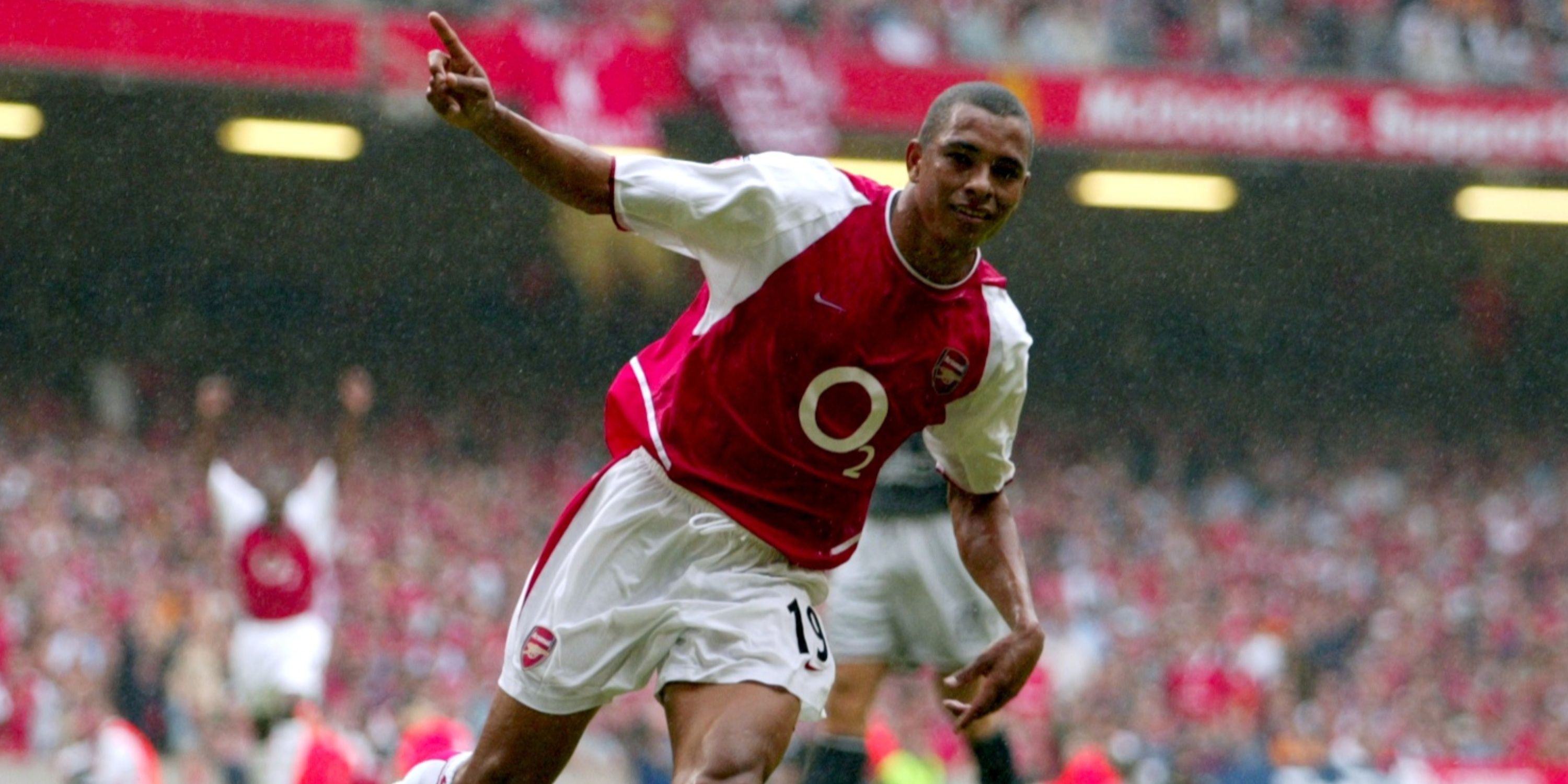
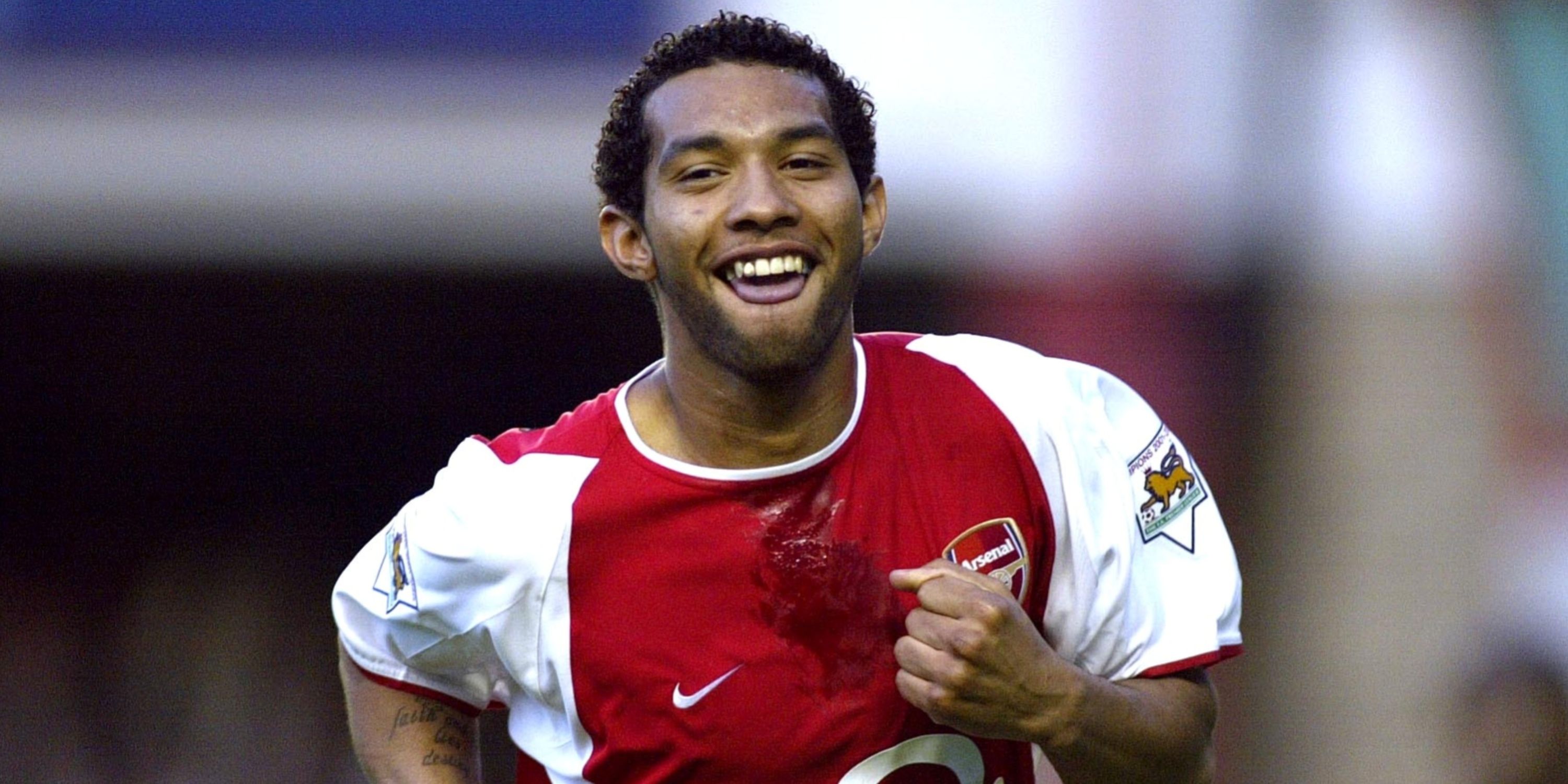
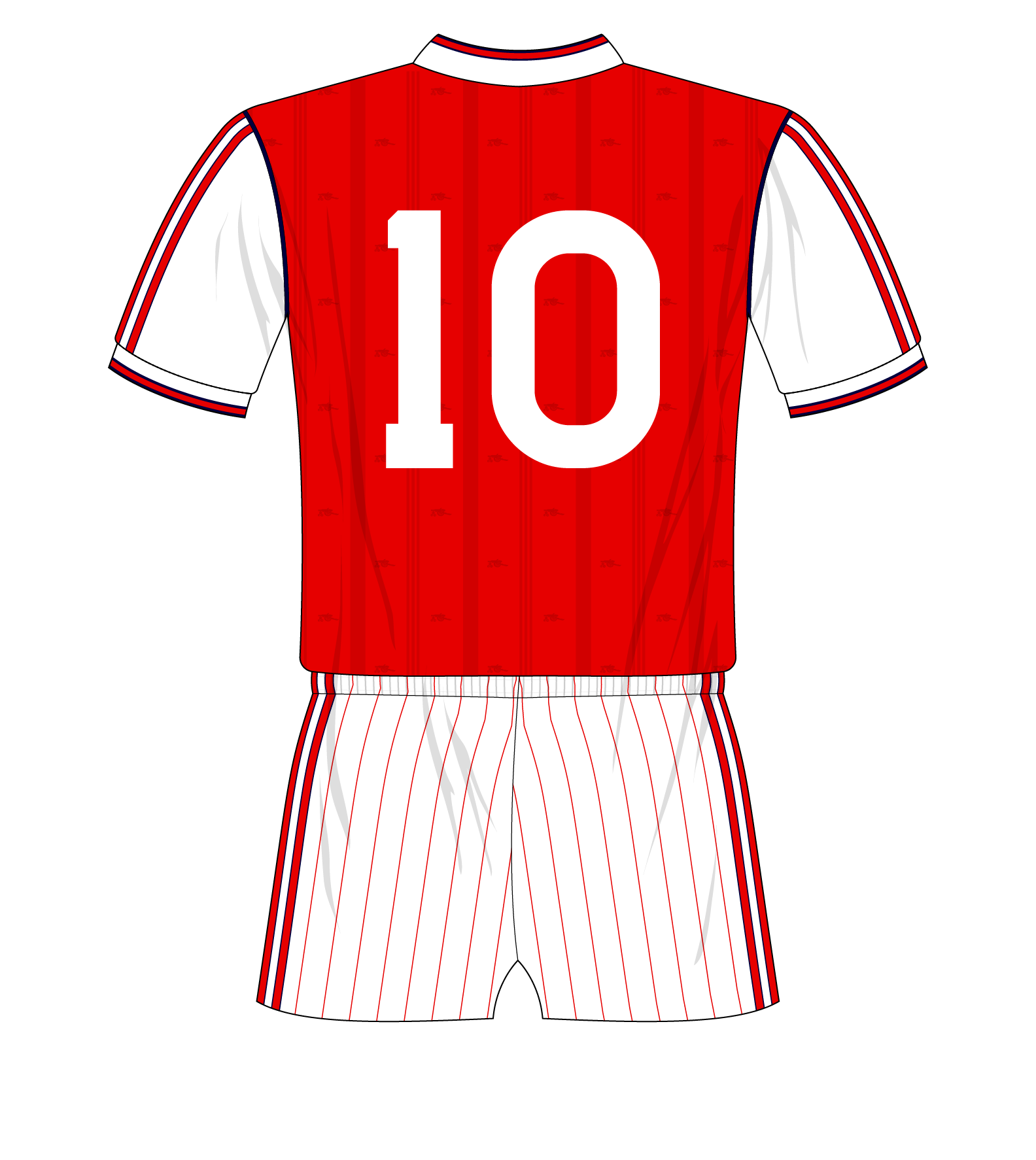
The Arsenal number 10 shirt is a symbol of creative excellence, technical mastery, and tactical evolution. Traditionally reserved for the team’s primary playmaker or second striker, it has been worn by club icons like Dennis Bergkamp and Mesut Özil, representing the prestigious bridge between the midfield and the attack at North London’s most storied club.
In the long history of Arsenal Football Club, few jersey numbers carry as much weight, expectation, and narrative as the number 10. While the number 14 is forever linked to Thierry Henry’s goal-scoring prowess and the number 7 to the flair of Robert Pires or Bukayo Saka, the number 10 represents the "brain" of the operation. To wear this shirt is to accept the responsibility of being the team’s creative fulcrum. As we look back from the perspective of 2026, the history of this shirt reveals a fascinating story of how footballing roles have changed from the rigid 1-11 numbering of the mid-20th century to the global branding of modern squad numbers.
The Pre-Squad Number Era: Artistry Before Names
Before the Premier League introduced fixed squad numbers in the 1993/94 season, the number 10 was assigned based on the starting lineup. In the classic 4-4-2 or 4-4-1-1 formations that dominated English football for decades, the player wearing number 10 was typically the "inside-forward" or the "deep-lying striker."
One of the most significant figures to don the shirt during this era was Charlie George. A local hero and a vital component of the 1971 Double-winning side, George famously scored the winning goal in the FA Cup Final against Liverpool. His style—maverick, technically gifted, and occasionally temperamental—set the archetype for what an Arsenal number 10 should be: a player capable of producing a moment of magic that defies the tactical grind of the game.
Throughout the 1980s, the shirt was worn by various players depending on the tactical whims of managers like Terry Neill and Don Howe. However, it wasn't until the early 1990s that the number 10 began to settle on a specific type of player who would define the club's transition into the modern era.
Paul Merson: The First Official Premier League Number 10
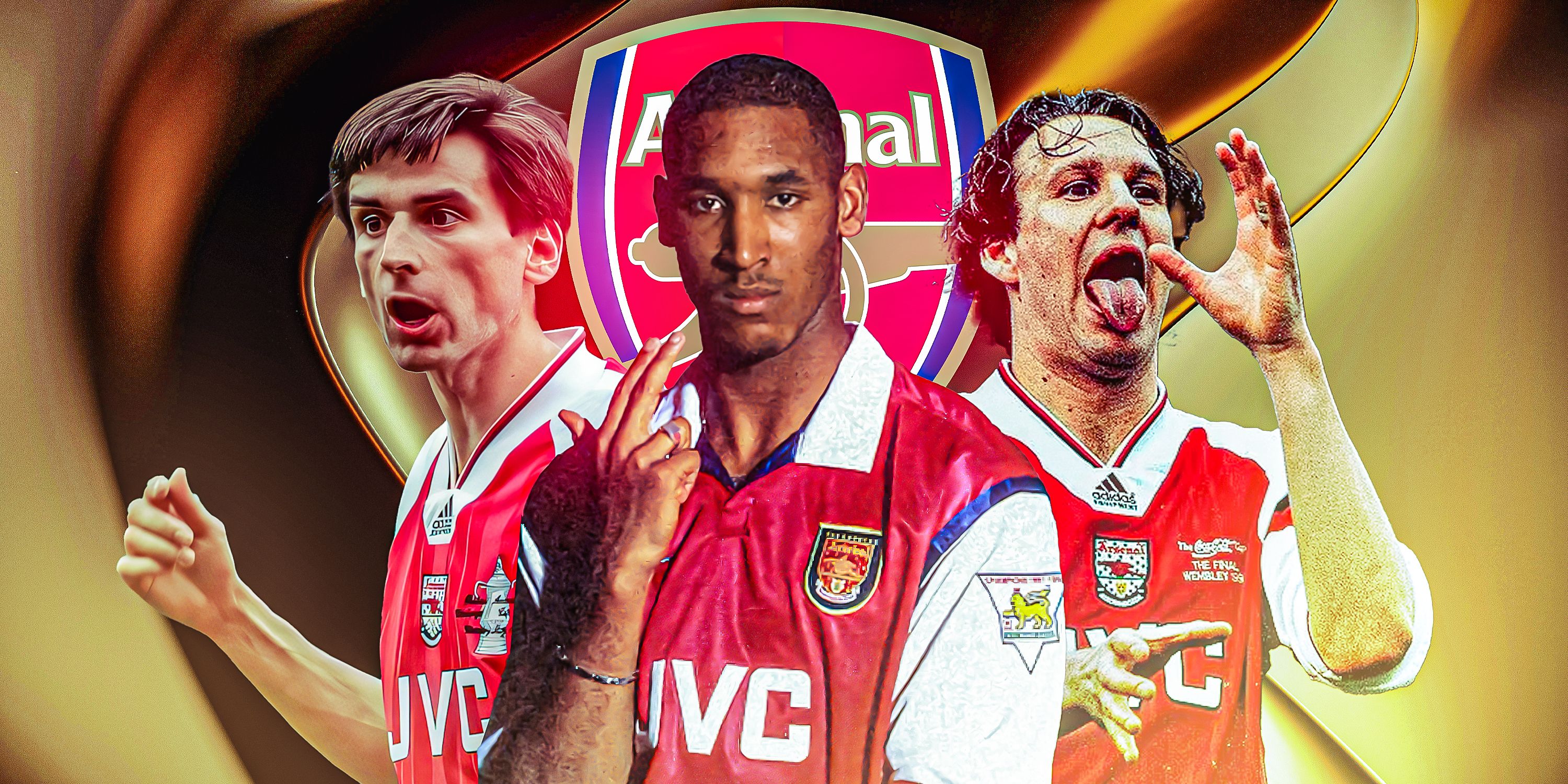
When the Premier League mandated permanent squad numbers for the 1993/94 season, Paul Merson became the first player to have his name officially printed above the number 10 at Arsenal. Merson, affectionately known as "The Magic Man," was a player of immense natural talent who could operate as a winger, an attacking midfielder, or a forward.
Merson’s tenure in the number 10 shirt coincided with the end of the George Graham era and the beginning of the club's transformation. He was a creator who thrived on intuition. During his 425 appearances for the club, he scored 99 goals, many of them spectacular long-range efforts. Merson’s role was to provide the spark in a team that was often criticized for being overly defensive ("Boring, Boring Arsenal"). His ability to find space between the lines made him the prototypical playmaker of the early 90s.
The Dennis Bergkamp Revolution (1995–2006)
In 1995, Arsenal made a signing that would fundamentally change the club's identity. When Bruce Rioch brought Dennis Bergkamp from Inter Milan, the Dutchman took over the number 10 shirt, and over the next 11 years, he elevated it to legendary status. If any single player is responsible for the "weight" of the Arsenal number 10, it is Bergkamp.
Bergkamp was not just a footballer; he was a technician who viewed the pitch as a canvas. Under Arsène Wenger, he became the centerpiece of a team that prioritized fluid, attacking football. His contribution cannot be measured solely in goals or assists, though his statistics were impressive. Instead, his legacy is found in the "Bergkampian" moments—the flick against Newcastle, the hat-trick against Leicester City, and the sublime control against Argentina in the World Cup (while representing the Netherlands).
Bergkamp’s influence on the number 10 role at Arsenal was twofold:
- Tactical Intelligence: He mastered the "hole" between the midfield and the striker, acting as the primary supply line for Thierry Henry.
- Professional Standards: He changed the culture of the dressing room, introducing a level of technical discipline that inspired the "Invincibles" generation.
When Bergkamp retired in 2006, the club faced a dilemma. How do you replace a player who had become synonymous with the number on his back?
The William Gallas Anomaly (2006–2010)
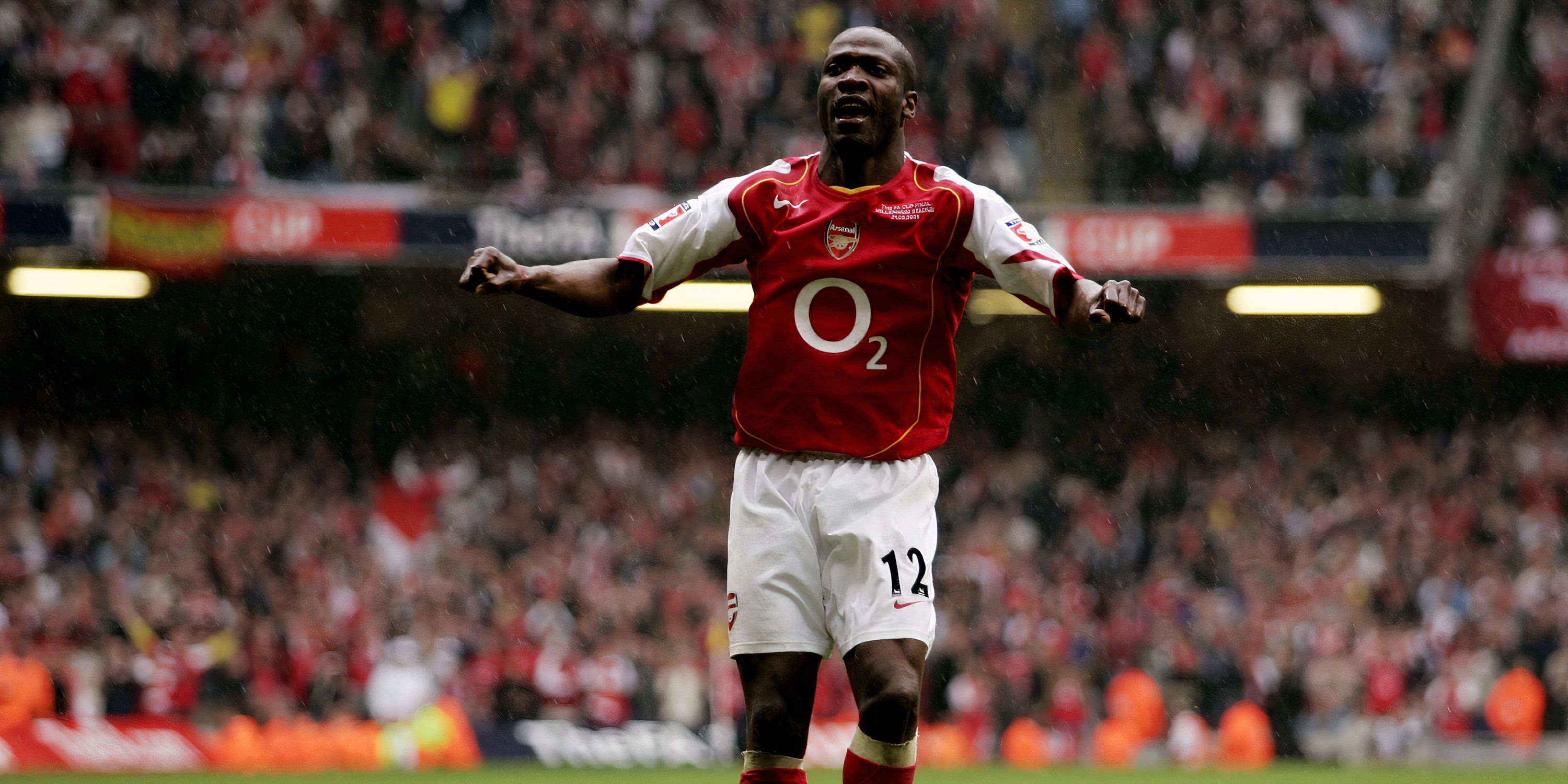
In one of the most baffling decisions in Arsenal’s numbering history, the number 10 shirt was handed to a central defender, William Gallas, following Bergkamp’s retirement. Gallas arrived from Chelsea as part of the deal that saw Ashley Cole move in the opposite direction.
Arsène Wenger later explained the logic behind this move. He felt that giving the number 10 to a young attacking player would create "impossible comparisons" with Bergkamp. By giving it to a defender, Wenger effectively "reset" the number, taking the pressure off the team's creative talents like Cesc Fàbregas (who wore 4) or Robin van Persie (who wore 11 at the time). While Gallas was a formidable defender and eventually became club captain, seeing a center-back wear the number 10 remained a jarring sight for many traditionalists and is often cited as a quirk of the late-2000s Arsenal era.
The Return to Artistry: Van Persie and Wilshere
In 2010, the number 10 returned to the attacking department. Robin van Persie switched from number 11 to 10, signaling his evolution into the team's primary talisman. Van Persie’s 2011/12 season in the number 10 shirt remains one of the greatest individual campaigns in Premier League history, as he scored 30 league goals and carried a transitional Arsenal side to Champions League qualification. However, his departure to Manchester United shortly after left a bitter taste for many supporters, momentarily tainting the shirt's prestige.
Following Van Persie’s exit, the shirt was handed to Jack Wilshere. A product of the Arsenal Hale End academy, Wilshere represented the "Arsenal Way." He was a diminutive, tenacious playmaker with a low center of gravity and exceptional vision. His performance against Barcelona in 2011 (wearing number 19 at the time) remains the benchmark for his potential. Unfortunately, chronic ankle injuries prevented Wilshere from fulfilling his promise as the long-term heir to the number 10 throne, though his passion for the club ensured he remained a fan favorite until his departure in 2018.
The Mesut Özil Era (2018–2021)
When Mesut Özil arrived from Real Madrid in 2013, he initially wore the number 11. It wasn't until Wilshere’s departure in 2018 that Özil finally claimed the number 10—the number he had worn with distinction for the German national team.
Özil’s time in the number 10 was a period of extreme polarization. On one hand, he was a statistical marvel, breaking records for chances created and assists. He was a "Pure 10" in an era where that role was becoming increasingly difficult to play due to the rise of high-pressing systems. On the other hand, his final years at the club were marred by tactical disagreements with Unai Emery and later Mikel Arteta, leading to his eventual exclusion from the squad. Despite the contentious end, Özil’s technical brilliance during the mid-2010s added a chapter of pure aesthetic beauty to the shirt's history.
The Modern Era: Smith Rowe and the Future
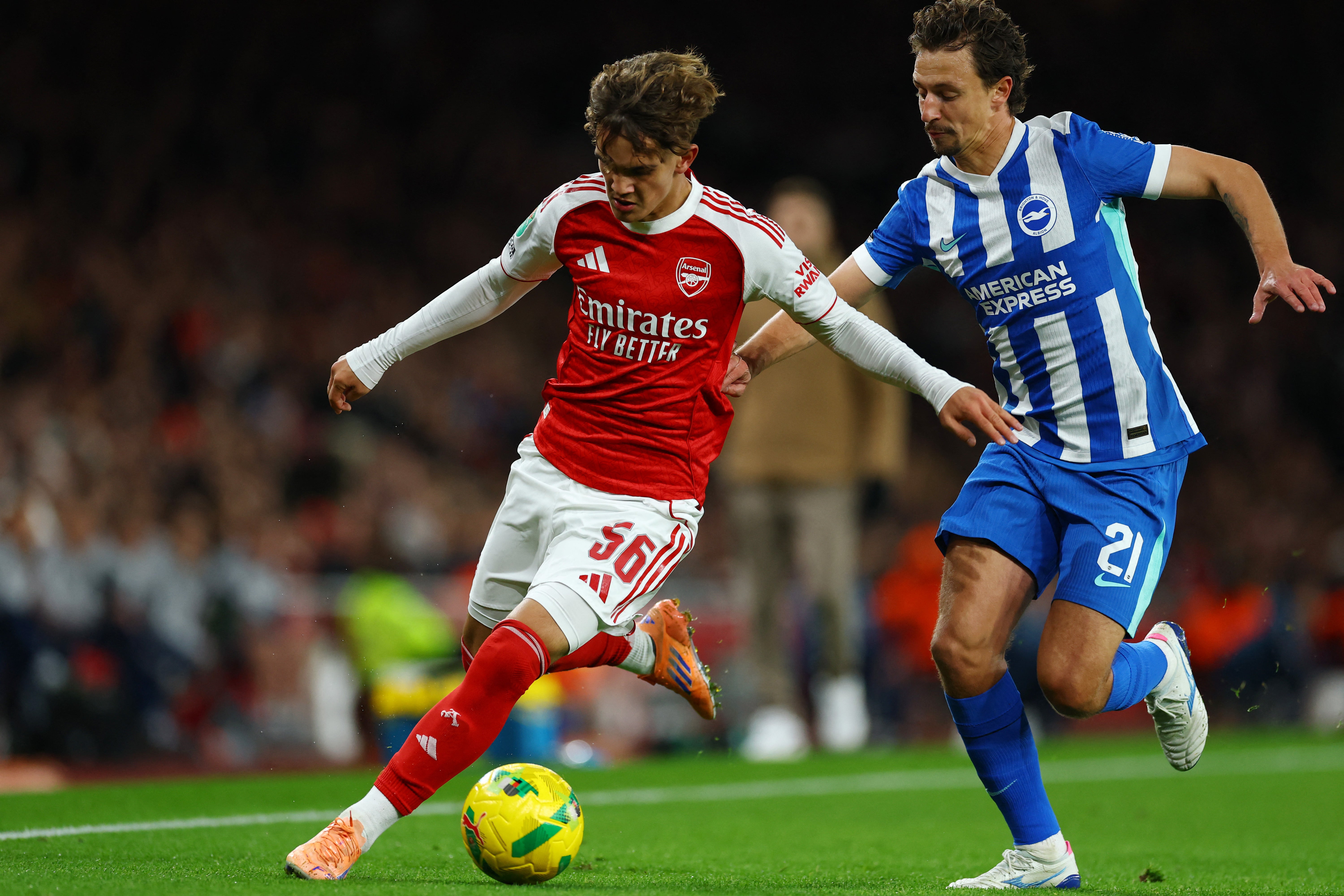
In 2021, the club signaled a return to its roots by awarding the number 10 to Emile Smith Rowe. Like Wilshere, Smith Rowe was an academy graduate. His selection reflected Mikel Arteta’s desire to build a team around young, hungry, and technically proficient players who understood the club’s values.
Smith Rowe’s tenure in the shirt was marked by a breakout 2021/22 season where he reached double figures in goals. However, as the team evolved into a title-contending machine by 2023 and 2024, Smith Rowe found minutes harder to come by due to injuries and the form of Martin Ødegaard (who, interestingly, chose to keep the number 8). By the time Smith Rowe departed for Fulham in the summer of 2024, the number 10 was once again vacant, leading to intense speculation about who would be the next to carry the mantle.
| Player | Years Active with #10 | Primary Position | Key Achievement |
|---|---|---|---|
| Paul Merson | 1993–1997 | Attacking Midfield | Cup Winners' Cup (1994) |
| Dennis Bergkamp | 1995–2006 | Second Striker | 3 Premier League Titles, Invincible |
| William Gallas | 2006–2010 | Center Back | Club Captain (2007–2008) |
| Robin van Persie | 2010–2012 | Striker | PL Golden Boot (2011/12) |
| Jack Wilshere | 2012–2018 | Central Midfield | 2 FA Cups |
| Mesut Özil | 2018–2021 | Playmaker | 4 FA Cups (Total at Club) |
| Emile Smith Rowe | 2021–2024 | Attacking Midfield | Hale End Graduate |
Tactical Significance: The Death and Rebirth of the "Number 10"
The history of this shirt at Arsenal mirrors the global tactical shift in football. In the 1990s and 2000s, the "Number 10" was a luxury player who was often exempt from defensive duties. Players like Bergkamp and early Özil thrived because the game allowed for a creative specialist to loiter between the lines.
As football moved toward the 2020s, the "Number 10" role changed. Modern managers like Mikel Arteta require their creative players to be the first line of defense. This is why players like Martin Ødegaard, despite playing the traditional number 10 role, often wear different numbers or operate as "8s" in a 4-3-3 system. The Arsenal number 10 of the future is likely to be a high-output hybrid: a player who combines the vision of Bergkamp with the physical engine required for modern counter-pressing.
Frequently Asked Questions
Who is considered the greatest Arsenal number 10?
Most fans and historians consider Dennis Bergkamp to be the greatest. His 11-year tenure defined the most successful era in the club's modern history, and his technical ability set a standard that has arguably never been surpassed. His statue outside the Emirates Stadium is a testament to his lasting impact.
Why did William Gallas wear the number 10?
William Gallas wore the number 10 because Arsène Wenger wanted to avoid putting the pressure of Dennis Bergkamp’s legacy onto a young striker. Wenger believed that by giving the number to a defender, he could allow the shirt to "rest" and prevent the media from making unfair comparisons between a new attacking signing and the retired Dutchman.
Which Arsenal player wore number 10 the longest?
Dennis Bergkamp wore the number 10 for the longest period in the squad-number era, spanning 11 seasons from 1995 to 2006. Prior to the introduction of fixed squad numbers, players like David Price and Alan Sunderland wore it frequently, but not as a permanent personal assignment.
Did Mesut Özil always wear number 10 at Arsenal?
No. When Mesut Özil joined Arsenal in 2013, the number 10 was occupied by Jack Wilshere. Özil wore the number 11 for five seasons. He only switched to the number 10 in the summer of 2018 after Wilshere left the club to join West Ham United.
What is the significance of a "Hale End" number 10?
"Hale End" refers to Arsenal’s youth academy. When a player like Jack Wilshere or Emile Smith Rowe is given the number 10, it carries extra emotional weight for the fans. It signifies that the player has been nurtured by the club since childhood and represents the successful pinnacle of the club's youth development system.
Final Recommendation for Fans and Historians
For those looking to truly understand the "Arsenal Number 10 History," the best approach is to study the footage of the 1997/98 and 2003/04 seasons. Observing how Dennis Bergkamp manipulated space and dictated the tempo of the game provides the ultimate context for why this shirt is so revered. Whether the next wearer is a world-class signing or another academy graduate, they will be stepping into a lineage of players who didn't just play the game, but redefined it. If you are collecting memorabilia, a Bergkamp 10 or an Özil 10 remains the gold standard for representing the club's commitment to "Victoria Concordia Crescit"—Victory Through Harmony.