Determining which medications are approved for use during pregnancy requires a careful balance between maternal health needs and fetal safety. Generally, medications such as acetaminophen for pain, certain antihistamines like loratadine for allergies, and specific antibiotics like penicillin are considered safe. However, "approval" is rarely absolute; healthcare providers utilize the FDA’s Pregnancy and Lactation Labeling Rule (PLLR) to make individualized, evidence-based decisions for every patient.
The Evolution of Pregnancy Medication Safety Standards
For decades, the medical community relied on a simplified letter-grade system (A, B, C, D, and X) to categorize the safety of drugs during pregnancy. However, as of 2026, the clinical standard has fully transitioned to the Pregnancy and Lactation Labeling Rule (PLLR). This framework replaced the often-misinterpreted letter grades with detailed, narrative summaries that provide context on human and animal data, clinical considerations, and specific risks.
The shift to the PLLR was driven by the realization that pregnancy is not a static state. A drug that is relatively safe in the second trimester might pose significant risks during the first trimester (organogenesis) or the third trimester (potential for premature ductal closure or neonatal complications). In 2026, providers use these detailed registries and real-world evidence (RWE) to guide prescriptions, moving away from a "one-size-fits-all" approach toward personalized maternal-fetal medicine.
Why Phasing Out the Letter System Mattered
The old letter system was frequently criticized for oversimplifying the complex pharmacokinetics of pregnancy. For instance, a "Category C" drug simply meant that there wasn't enough data, which often led to pregnant individuals avoiding necessary treatments for chronic conditions like asthma or depression. The current narrative-based system allows for a more nuanced discussion between the patient and the obstetrician regarding the benefit-to-risk ratio.
Approved Over-the-Counter (OTC) Medications
When common ailments like headaches, allergies, or heartburn strike, most pregnant individuals look to the pharmacy aisle first. While many OTC drugs are widely used, they should still be confirmed with a healthcare provider to ensure there are no contraindications based on the individual's specific health history.
Pain Relief and Fever Reduction
Acetaminophen remains the primary recommendation for pain relief and fever reduction during all three trimesters. It has a long-standing safety profile when used at the recommended dosage. However, in recent years, clinical guidance has emphasized using the "lowest effective dose for the shortest duration possible."
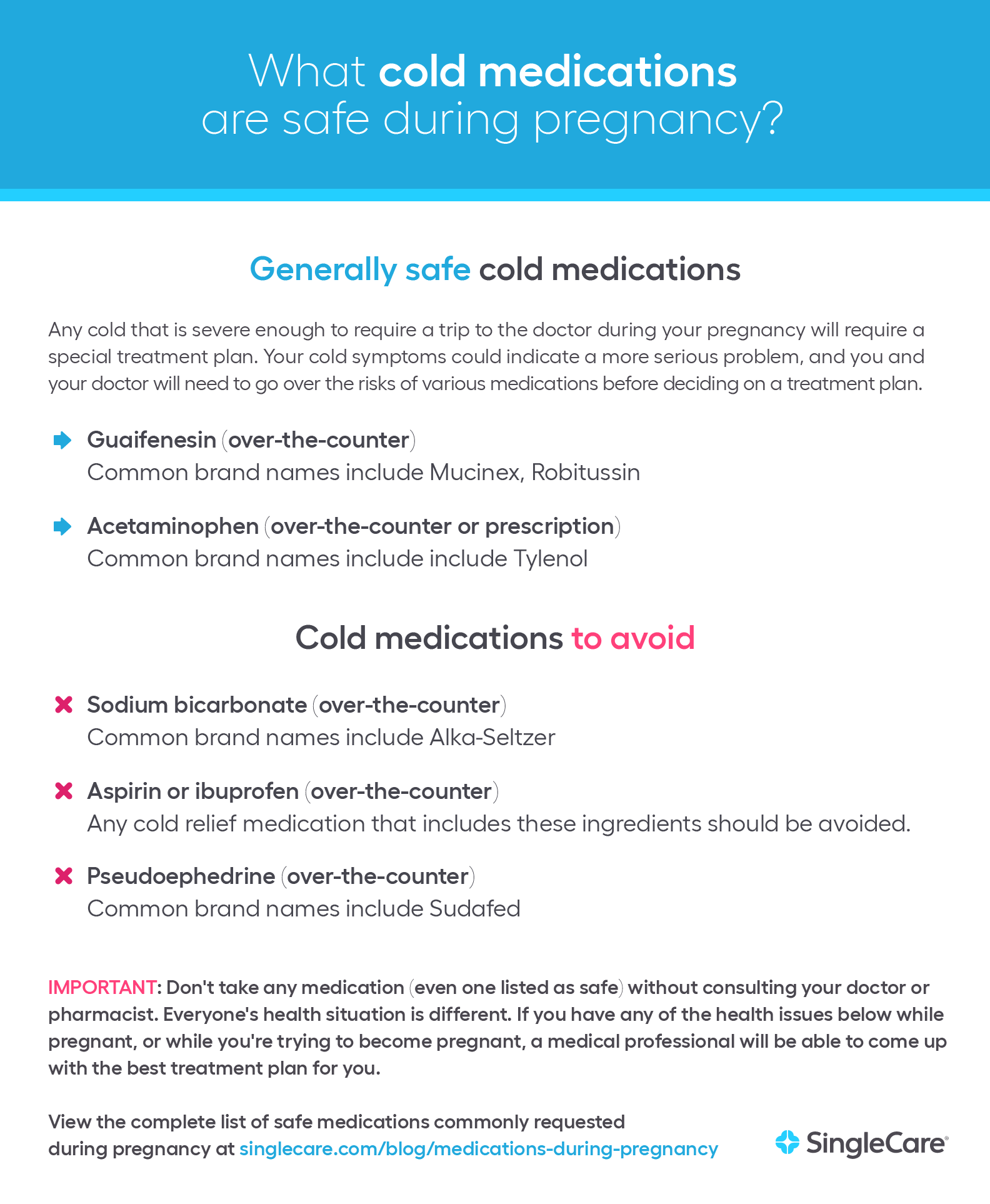
Conversely, Non-Steroidal Anti-Inflammatory Drugs (NSAIDs) such as ibuprofen, aspirin, and naproxen are generally avoided, particularly after the 20-week mark. The FDA continues to warn that NSAID use in late pregnancy can lead to rare but serious kidney problems in the unborn baby, which can result in low levels of amniotic fluid (oligohydramnios).
Digestive Issues: Heartburn and Constipation
Pregnancy hormones like progesterone slow down digestion, leading to frequent bouts of acid reflux and constipation.
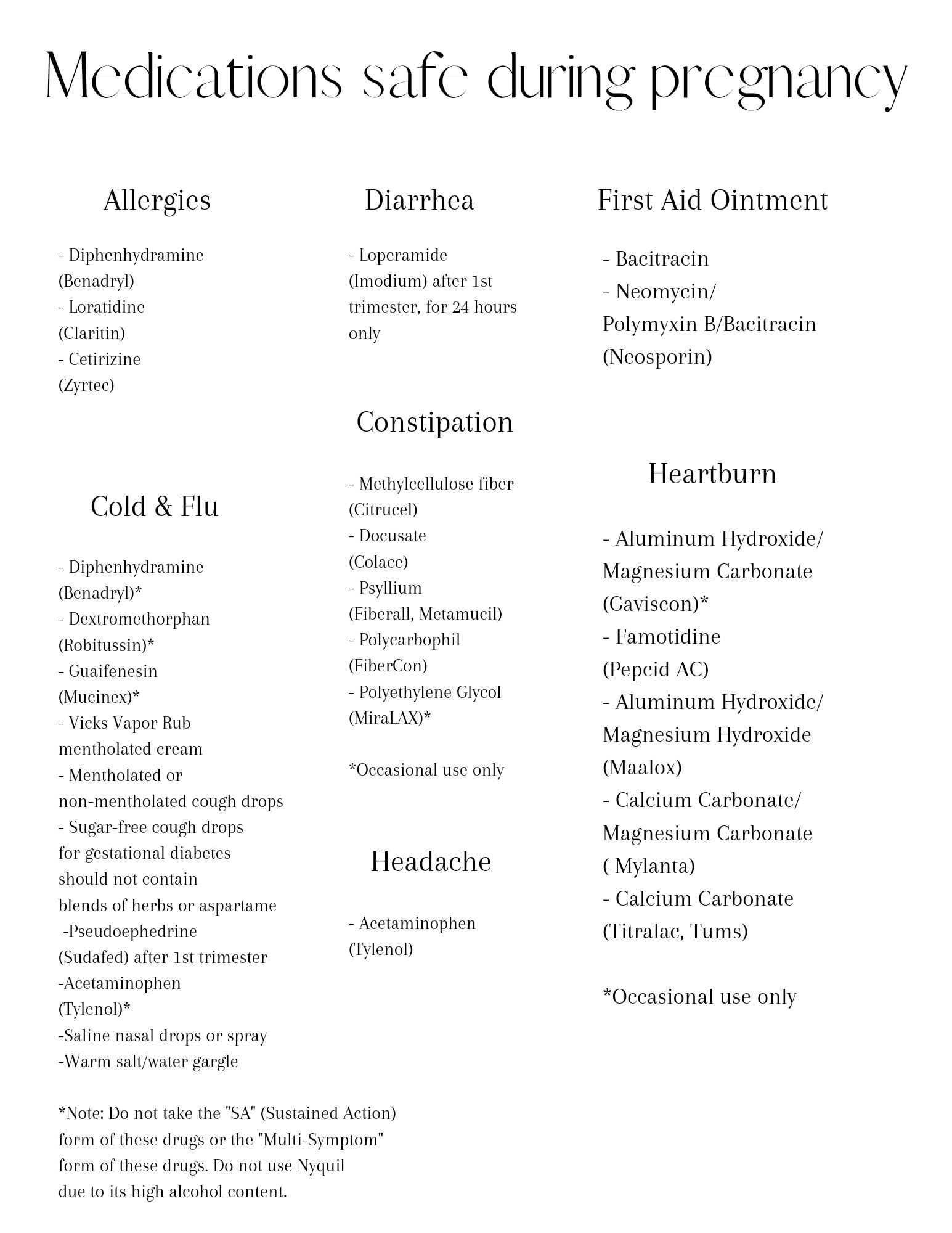
- Antacids: Tums (calcium carbonate), Maalox, and Mylanta are typically considered safe for occasional use. They provide immediate relief by neutralizing stomach acid.
- H2 Blockers: If antacids are insufficient, medications like famotidine (Pepcid) are frequently approved by providers.
- Stool Softeners: Docusate sodium (Colace) is often the first line of defense for constipation because it is not a stimulant and is not absorbed systemically in significant amounts.
Allergy and Cold Relief
Managing respiratory symptoms is crucial, as uncontrolled allergies can sometimes exacerbate asthma.
- Antihistamines: Loratadine (Claritin), cetirizine (Zyrtec), and diphenhydramine (Benadryl) have extensive safety data. Chlorpheniramine is also a frequently recommended older-generation antihistamine.
- Nasal Sprays: Steroid-based nasal sprays like fluticasone (Flonase) are generally considered low-risk because the systemic absorption is minimal.
- Decongestants: Use of oral decongestants like pseudoephedrine is typically restricted, especially in the first trimester, due to potential links to vascular disruptions in the fetus.
Prescription Medications and Chronic Condition Management
Managing pre-existing conditions—such as hypertension, diabetes, or mental health disorders—is vital for a healthy pregnancy. Stopping necessary prescription medication can often be more dangerous for both the parent and the baby than continuing the treatment under medical supervision.
Antibiotics and Infections
Bacterial infections must be treated promptly to prevent complications like preterm labor.
- Penicillins and Cephalosporins: These classes, including amoxicillin and cephalexin, are the "gold standard" for safety in pregnancy.
- Erythromycin and Azithromycin: These are typically used if a patient has a penicillin allergy.
- Medications to Avoid: Tetracyclines (like doxycycline) are avoided because they can cause permanent discoloration of the baby's teeth and affect bone growth. Fluoroquinolones (like ciprofloxacin) are also generally avoided due to concerns about fetal joint and tissue development.
Mental Health: SSRIs and Beyond
Mental health is a cornerstone of maternal well-being. Untreated depression or anxiety can lead to poor prenatal care and postpartum complications. Selective Serotonin Reuptake Inhibitors (SSRIs), such as sertraline (Zoloft) and fluoxetine (Prozac), are among the most studied medications in pregnancy. While there is a small risk of "neonatal adaptation syndrome" (temporary irritability or jitteriness in the newborn), the consensus in 2026 remains that for many, the benefits of emotional stability outweigh these risks.
Hypertension and Diabetes
- Hypertension: Standard ACE inhibitors are strictly contraindicated due to fetal kidney toxicity. Instead, providers rely on older, well-vetted medications like Labetalol or Methyldopa to manage blood pressure.
- Diabetes: While lifestyle changes are the first step, Insulin remains the preferred treatment for both Type 1, Type 2, and gestational diabetes because it does not cross the placenta in significant amounts. Metformin is sometimes used, though long-term data collection continues in 2026.
Summary Table: Common Pregnancy-Safe Medications
The following table provides a quick reference for medications generally considered safe by the American College of Obstetricians and Gynecologists (ACOG) and the FDA.
| Condition | Recommended Safe Options | Medications to Exercise Caution/Avoid |
|---|---|---|
| Pain/Fever | Acetaminophen (Tylenol) | Ibuprofen, Aspirin, Naproxen |
| Allergies | Loratadine, Cetirizine, Diphenhydramine | Oral Decongestants (especially 1st Trimester) |
| Heartburn | Calcium Carbonate, Famotidine | Sodium Bicarbonate |
| Cough/Cold | Guaifenesin, Dextromethorphan | Medications containing High Alcohol Content |
| Infections | Penicillins, Cephalosporins | Tetracyclines, Fluoroquinolones |
| Constipation | Docusate Sodium, Psyllium | Castor Oil, Harsh Stimulant Laxatives |
Pharmacokinetics: Why Pregnancy Changes Drug Interaction
A critical factor often overlooked is that a pregnant person’s body processes drugs differently than a non-pregnant person. By 2026, research into "obstetric pharmacology" has highlighted several physiological changes:
- Increased Blood Volume: The total blood volume increases by nearly 50%, which can dilute the concentration of certain drugs in the bloodstream.
- Enhanced Kidney Filtration: The glomerular filtration rate (GFR) increases, meaning the kidneys clear medications from the system faster. This sometimes necessitates higher or more frequent dosing for medications like anti-seizure drugs or antibiotics.
- Liver Enzyme Changes: Hormonal shifts alter the activity of cytochrome P450 enzymes in the liver, which are responsible for metabolizing most drugs.
Because of these factors, a dose that was effective before pregnancy might become sub-therapeutic during the second or third trimester. Continuous monitoring by a healthcare provider is essential to ensure that the medication remains at a level that is both safe for the fetus and effective for the parent.
Medications to Strictly Avoid (Contraindications)
There are certain substances that have been proven to cause birth defects (teratogens) or severe pregnancy complications. In 2026, the medical community maintains a high-alert list for these substances.
- Isotretinoin (Accutane): Used for severe acne, this medication carries an extremely high risk of severe birth defects. It is managed through the iPLEDGE program to ensure pregnancy is avoided during treatment.
- Methotrexate: Used for ectopic pregnancy and certain autoimmune diseases, it interferes with folic acid metabolism and can cause fetal death or malformation.
- Warfarin: A blood thinner that can cause skeletal abnormalities and central nervous system problems. Pregnant patients requiring anticoagulation are usually switched to heparin or low-molecular-weight heparin (Lovenox).
- Live Vaccines: While the flu shot and Tdap are encouraged, live vaccines like MMR (Measles, Mumps, Rubella) and Varicella should be administered at least a month before conception or after delivery.
The Role of Pregnancy Registries and Modern Research
In 2026, our knowledge of pregnancy medication safety is largely built on Pregnancy Exposure Registries. These are observational studies that collect health information from people who take specific medications while pregnant.
Organizations like the CDC's "Treating for Two" initiative provide ongoing data that helps refine safety guidelines. If you are taking a newer medication, your provider might encourage you to enroll in a registry. This participation is vital for the medical community to understand the long-term effects of drugs on child development, ranging from birth through early childhood.
Frequently Asked Questions
Is it safe to take herbal supplements during pregnancy?
Most herbal supplements are not regulated with the same rigor as pharmaceuticals. Many "natural" remedies, such as black cohosh or goldenseal, can stimulate uterine contractions or interfere with hormones. Always consult your obstetrician before taking any herbal tea or supplement. Ginger and Vitamin B6 are generally approved for nausea, but dosage matters.
Can I continue my skin care routine with Retinol?
Topical retinoids and Vitamin A derivatives are generally discouraged during pregnancy. While systemic absorption from skin cream is lower than oral medication, the potential risk of interference with fetal development leads most dermatologists to recommend safer alternatives like glycolic acid or azelaic acid during pregnancy.
What should I do if I took a "forbidden" medication before I knew I was pregnant?
Do not panic. Many medications follow an "all-or-nothing" principle in the very early weeks (pre-implantation). The most important step is to be honest with your healthcare provider. They can perform targeted ultrasounds or screenings to monitor the development of the fetus and provide a clearer picture of any potential risks.
Are all antibiotics safe for the baby?
No. While penicillins are safe, others like tetracyclines can affect the baby's bone development and permanent teeth staining. Aminoglycosides may carry risks of fetal ear damage. Always ensure any doctor prescribing an antibiotic—even a dentist—is aware that you are pregnant.
Can I take melatonin for sleep?
While melatonin is a hormone naturally produced by the body, there is limited clinical data on high-dose supplementation during pregnancy. Most providers recommend behavioral changes or safer OTC options like diphenhydramine if a sleep aid is absolutely necessary.
Recommendation for Next Actions
If you are pregnant or planning to become pregnant in 2026, the first step is to perform a medication audit. Gather all your current prescriptions, OTC medications, and vitamins. Schedule a pre-conception or initial prenatal visit to review each item. Do not stop taking a prescribed medication for a chronic condition (like asthma, epilepsy, or depression) before speaking to your doctor, as the risks of an untreated condition often exceed the risks of the medication. For the most current safety data on specific drugs, you can consult the MotherToBaby database, which provides evidence-based information on environmental exposures and medications during pregnancy.